2026 Best Clavicle Hook Plates for Global Buyers Guide?

Time:2026-03-30 Author:Liam
0%

In the evolving world of orthopedic implants, Clavicle Hook Plates have emerged as essential tools for surgeons. They provide support and stability during fracture healing. This guide reviews the best options available for global buyers in 2026.

Many factors influence the effectiveness of Clavicle Hook Plates. Material quality, design, and surgeon familiarity play vital roles. Surgeons must choose plates that best fit their patients’ unique needs. This complexity can lead to confusion. Each plate type has its strengths and weaknesses, which require thorough consideration.

Ensuring the right choice is crucial for patient recovery. Researching different brands and their offerings is necessary. Collecting feedback on performance can enhance decision-making. Buyers should reflect on their own experiences and seek knowledgeable advice. This will help them select the most reliable Clavicle Hook Plates for various clinical needs.
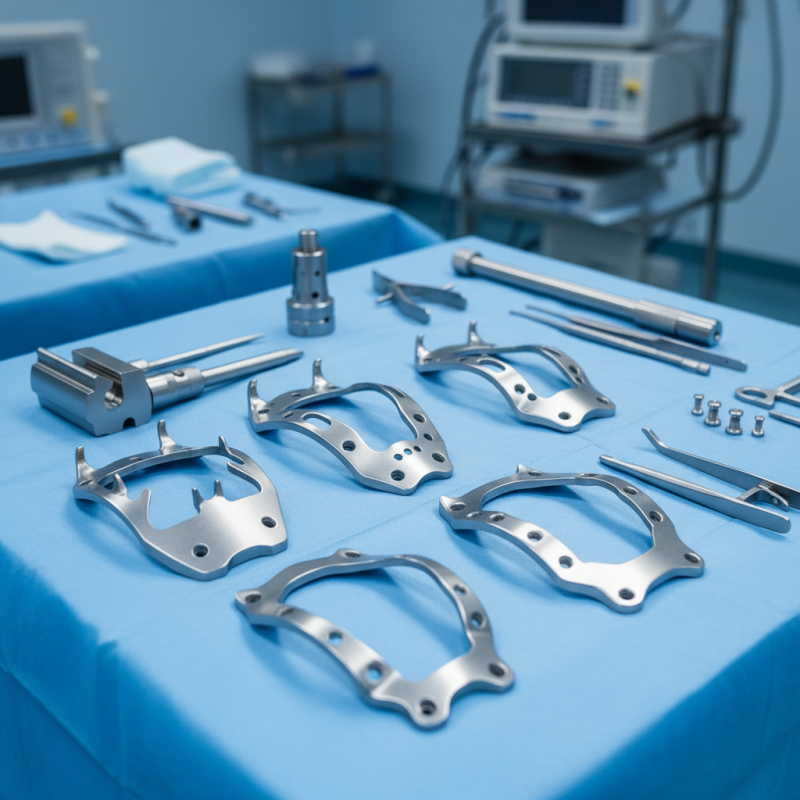
2026 Best Clavicle Hook Plates for Global Buyers Guide?

Overview of Clavicle Hook Plates and Their Importance in Orthopedics

Clavicle hook plates play a crucial role in orthopedic surgery, particularly for treating midshaft fractures. Data from the Journal of Orthopedic Trauma indicates that these plates improve stability and promote quicker recovery. Clavicle fractures account for approximately 5-15% of all fractures. Their importance lies in providing an effective method for achieving anatomical alignment and optimal healing.

Using clavicle hook plates ensures that the fractured ends of the bone remain in close contact. This approach minimizes complications such as non-union and malunion. A study by the American Academy of Orthopedic Surgeons found a significantly higher healing rate with proper surgical fixation. Surgeons report that these plates also offer better cosmetic results.

**Tip:** Always consider the patient’s unique anatomy when selecting hardware. A tailored approach can enhance surgical outcomes.

Innovations in material and design have improved these implants. Advances in biocompatible materials reduce the risk of infection and irritation. Nonetheless, complications can arise. Some cases show issues with plate prominence. Routine follow-ups are necessary to monitor progress and address potential complications early.

**Tip:** Encourage patients to report discomfort promptly. Early intervention can resolve issues before they escalate.

2026 Best Clavicle Hook Plates for Global Buyers Guide

Feature Details
Material Titanium or Stainless Steel
Plate Design Pre-contoured for anatomical fit
Screw Options Variety of lengths and diameters
Indications Clavicle fractures and non-unions
Target Population Adults, especially athletes
Surgical Approach Anterior or superior approach
Post-Op Care Physical therapy and follow-up imaging
Complication Rate Generally low, specifics vary by case

Key Features to Consider When Selecting a Clavicle Hook Plate

When choosing a clavicle hook plate, consider the material and design. Stainless steel and titanium are the most common materials. According to industry reports, titanium offers better biocompatibility. It is lightweight and minimizes the risk of infection. However, some surgeons argue that stainless steel is more robust. Each material has its pros and cons.

The plate’s design is equally important. A well-contoured plate aligns well with the anatomy of the clavicle. Studies show that plates with multiple screw holes improve stability. They provide better fixation in complex fractures. However, over-engineered designs may complicate the surgical process. Surgeons should weigh the benefits against potential surgical challenges.

Additionally, consider the size options available. Plates must fit various patient anatomies. A one-size-fits-all approach can lead to complications. Reports indicate that custom plates can reduce operation time and improve outcomes. However, they come with a higher cost and longer lead time. Balancing cost and efficiency is essential in the decision-making process.

Top Brands and Manufacturers of Clavicle Hook Plates in 2026

As the medical device industry evolves, clavicle hook plates are gaining significance in orthopedic surgical procedures. Recent industry reports indicate a steady growth rate in demand for these devices, driven by an increase in clavicle fractures globally. In 2026, the market for clavicle hook plates is projected to expand by approximately 8% annually. This surge highlights the importance of choosing the right brand and manufacturer for optimal patient outcomes.

When discussing top brands and manufacturers, consider quality, certifications, and innovative designs. Leading companies are investing in research and development, enhancing the effectiveness of their products. Materials used in these plates must ensure biocompatibility and structural integrity. According to healthcare professionals, the usability of these devices greatly influences surgical success rates.

Tip: Always verify if the manufacturer has extensive clinical data supporting the efficacy of their products.

Another critical aspect is the customization of clavicle hook plates to fit individual patient anatomy. Some manufacturers offer tailor-made solutions, which can lead to better healing outcomes. However, not all brands prioritize personalization, which can sometimes compromise effectiveness.

Tip: Engage with your surgical team and explore options that best meet patient needs.

Comparative Analysis of Clavicle Hook Plates: Pros and Cons

Clavicle hook plates play a crucial role in fracture management. They are designed to stabilize the clavicle, especially in complex fractures. One significant advantage of these plates is their ability to hold fragments together effectively. This promotes healing by ensuring proper alignment. Surgeons often favor these plates for their reliability during the postoperative phase.

However, there are downsides to consider. The use of clavicle hook plates can lead to complications. Infections or hardware-related issues may arise. Some patients experience discomfort due to the plate's position. There can also be challenges during removal if needed. Surgeons must weigh these pros and cons carefully.

Choosing the right device for clavicle repair is complex. Each patient presents unique anatomical challenges. The decision-making process often requires extensive expertise and experience. Surgeons need to consider factors such as bone quality and fracture type. The landscape of clavicle repair devices is constantly evolving. Keeping abreast of new techniques and products is vital.

Comparative Analysis of Clavicle Hook Plates - Pros and Cons

Global Market Trends and Future Outlook for Clavicle Hook Plates

The global market for clavicle hook plates is evolving. Surgeons and medical professionals are looking for solutions that enhance recovery. In recent years, there has been a noticeable shift in preferences regarding materials and designs. Many practitioners seek lightweight options that offer strength without compromise. The demand for user-friendly surgical tools is increasing, especially in emerging markets.

Additionally, understanding market trends is vital. There is a growing emphasis on minimally invasive techniques. Surgeons prefer devices that minimize tissue damage. However, this approach presents challenges. Some professionals worry about the stability of these newer designs. Balancing innovation with reliability remains a topic for discussion. Feedback from medical teams often highlights the need for improvements in manufacturing processes.

Looking ahead, future outlooks indicate a focus on incorporating new technologies. Smart materials and advanced manufacturing could open new avenues. Yet, there are hurdles to overcome. Ensuring that new designs meet safety standards is crucial. As the market evolves, collaboration among professionals will be key to fostering progress. Insights from real-world experiences will guide improvements in the design and functionality of clavicle hook plates.

FAQS

: What is the role of clavicle hook plates in surgery?

: Clavicle hook plates stabilize midshaft fractures and improve recovery rates after surgery.

Why are these plates important for clavicle fractures?

They ensure proper alignment of fractured bones, minimizing complications like non-union or malunion.

How do advancements in materials affect clavicle hook plates?

New biocompatible materials reduce infection risks, but complications like plate prominence may still occur.

What should patients do if they feel discomfort after surgery?

Patients should report any discomfort promptly to allow for early intervention and proper management.

Are there any downsides to using clavicle hook plates?

Yes, potential complications include infections and discomfort from the plate's position.

How do surgeons choose the right device for clavicle repair?

They consider factors such as the patient's unique anatomy, fracture type, and bone quality.

What is a significant benefit of clavicle hook plates?

They effectively hold bone fragments together, encouraging better healing outcomes.

What challenges arise during the removal of clavicle hook plates?

Some patients face difficulties, which may complicate the removal process after healing.

Why is it important for surgeons to stay updated on clavicle repair techniques?

The field is evolving, and keeping informed helps improve patient outcomes significantly.

What should a tailored approach in surgery focus on?

It should focus on the patient's unique anatomical features to enhance surgical success.

Conclusion

Clavicle Hook Plates are essential tools in the field of orthopedics, specifically designed for the stabilization and healing of clavicle fractures. Their importance lies in providing reliable support during the recovery process, which is crucial for restoring function and mobility to patients. When selecting a Clavicle Hook Plate, it is vital to consider key features such as material strength, design adaptability, and ease of application to ensure optimal patient outcomes.

The market for Clavicle Hook Plates is evolving, with various brands and manufacturers offering innovative solutions tailored to the needs of orthopedic surgeons and their patients. A comparative analysis reveals both advantages and disadvantages of different options available in 2026, helping buyers make informed decisions. Observing global market trends indicates a growing demand for these devices, driven by advancements in technology and an increasing emphasis on effective orthopedic care. The future outlook remains positive, as the continuous development in design and materials promises to enhance the efficacy and safety of Clavicle Hook Plates.

Liam

Liam

Liam is a dedicated marketing professional with a profound expertise in the industry, where he excels at highlighting the unique advantages of our core products. With a keen understanding of market trends and consumer needs, Liam frequently updates our company’s professional blog, providing......