 Marin-one Medical
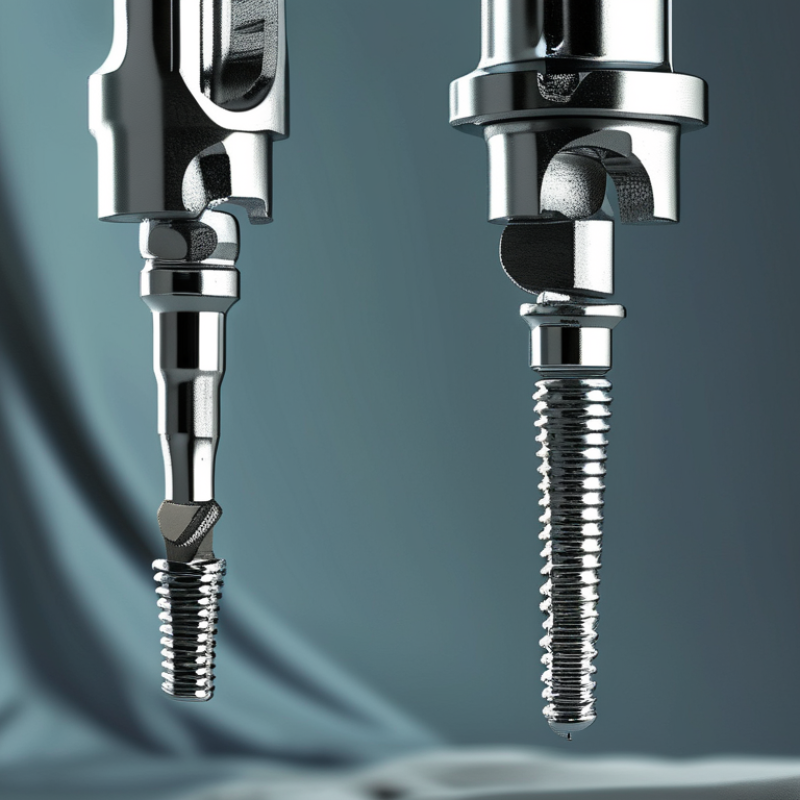
What Is the Best Orthopedic Implant for Revision Surgery?
Choosing an implant for revision surgery depends on stability, bone quality, and compatibility with the patient’s anatomy. No single implant suits every case. Surgeons review previous operative notes, imaging, implant dimensions, and the reason for failure. They also examine bone loss, soft-tissue condition, infection risk, and the patient’s activity level.
Stability is assessed before and during surgery. X-rays and advanced imaging can reveal loosening, fractures, alignment problems, or hidden bone defects. During the procedure, surgeons test fixation manually and inspect the remaining bone directly. A stable construct should resist movement without forcing excessive stress onto fragile bone.
Compatibility matters too. The implant must match the prepared anatomy, available fixation points, and surrounding components. Material choice can affect wear, corrosion, and tissue response. Small mismatches may create large problems later.
Tips: Ask how stability will be tested. Request a clear explanation of bone loss and fixation options. Confirm whether infection testing is needed. Discuss backup plans if the planned implant does not fit. Bring previous surgical records when possible.
A careful plan still may change in the operating room. Bone quality can look worse than scans suggest. Experienced surgeons prepare alternatives. Yet even strong planning has limits. That uncertainty deserves honest discussion, not confident promises.
Patients should ask about expected function, rehabilitation demands, and warning signs after surgery. Better decisions come from shared review of evidence, anatomy, and practical surgical experience.
