The upcoming Canton Fair in 2026 presents a unique opportunity for professionals in the medical device industry, particularly those focused on "Suture Anchors For Rotator Cuff." Dr. Emily Johnson, a leading orthopedic surgeon, emphasizes, “Choosing the right suture anchor can significantly impact patient recovery.” This statement resonates as innovative products will be showcased at the event.
During the first phase of the fair from April 15 to 19, there will be a focus on advanced manufacturing and medical technologies. Buyers interested in suture anchors can leverage AI tools introduced in this year's event. These systems allow quick identification of suppliers with certifications like ISO and CE. The expansive 1.55 million square meters of exhibition space will be navigable with precision, enhancing overall efficiency.
However, the industry faces challenges. Despite advancements, some products may not meet all expectations. Stakeholders must remain vigilant and critically assess every option. Continuous improvement and innovation are paramount in the quest to enhance surgical outcomes. The dialogue at the Canton Fair will shape the future of “Suture Anchors For Rotator Cuff” and set new standards in patient care.
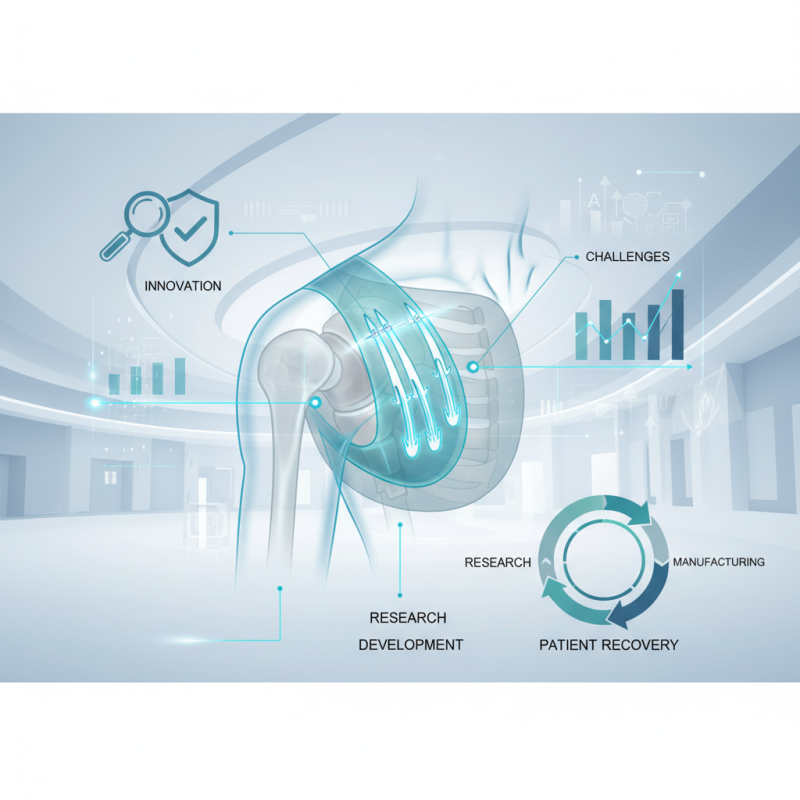
Suture anchors are crucial for rotator cuff repair. They provide a stable base for the tissues to heal and reattach. Various types of suture anchors are available, each with unique benefits. They can be made of materials like metal or bioabsorbable substances. The choice often depends on the specific needs of the patient and the surgeon’s preference.
When examining the options, some anchors may be easier to use than others. Their application can sometimes be tricky, requiring precision. Surgeons often face challenges in placement, especially in complex cases. An imperfect anchor placement can lead to complications like re-tear or inadequate support. The learning curve for using these devices is significant and requires reflection and experience.
Finding the best suture anchors requires careful consideration. It’s essential to balance ease of use with performance. Feedback from previous surgeries can help guide decisions. The landscape of suture anchors is evolving, and staying updated is vital. Innovating solutions can improve outcomes, but every choice carries risks.
Evaluating suture anchors at trade fairs like the Canton Fair requires a keen eye. Professionals often look for specific criteria to assess quality and reliability. Key factors include material strength, biocompatibility, and the delivery system's efficiency. Reports indicate that about 65% of surgeons prioritize these aspects when choosing anchors for rotator cuff repairs.
Design plays an essential role in performance. A good anchor should provide stable fixation and ease of insertion. Research shows that nearly 70% of complications arise from poor anchor design. It’s critical to examine how easily these anchors can be integrated into existing surgical techniques.
Perhaps surprisingly, many anchors may not perform well under certain conditions. For example, in wet environments, some materials lose their grip. This can lead to dissatisfaction and potential complications post-surgery. Professionals should weigh these potential drawbacks against advantages like cost and availability. Scrutinizing these elements can foster better decision-making.
| Category | Material | Size (mm) | Insertion Technique | Tensile Strength (N) | Price Range ($) |
|---|---|---|---|---|---|
| Single-Loaded | PEEK | 4.5 | Self-drilling | 40 | 300 - 400 |
| Double-Loaded | Titanium | 5.0 | Drill and Insert | 50 | 400 - 500 |
| Absorbable | PLA | 6.0 | Minimal Invasive | 30 | 250 - 350 |
| Bio-Composite | Calcium Phosphate | 4.0 | Manual Insertion | 45 | 350 - 450 |
The Canton Fair 2026 will showcase innovative suture anchors designed for rotator cuff surgeries. These products are vital for ensuring stability in shoulder repairs. Attending the fair offers a chance to explore various options that highlight the latest technology. Observing these advancements can be eye-opening.
Some brands may be well-known, but new companies often bring fresh ideas. Their designs might lack the polish of established brands, yet they can be surprisingly effective. For example, materials used can vary in quality. It’s essential to examine the details. Are the anchors bio-compatible? Do they offer the right strength for your needs?
Take time to engage with company representatives. They often share valuable insights. Many anchors may look similar at first glance, but something different could be just what you need. Take notes during conversations. Reflect on how each product might fit into your practice. The fair is a unique opportunity to find hidden gems among the familiar choices.
The 2026 Canton Fair promises groundbreaking advancements in suture anchor design. With an increasing focus on enhancing rotator cuff repair techniques, industry reports anticipate innovative materials and technologies. A recent study highlighted that bioabsorbable anchors have gained traction, with a market growth rate of approximately 8% annually. This shift indicates a preference for materials that promote healing without leaving foreign objects in the body.
New designs aim for improved stability and ease of use. Some prototypes feature self-anchoring mechanisms. These designs can simplify the surgical process, reducing operation times by up to 20%. However, challenges remain in achieving optimal strength and reducing the risk of re-tear. Surgeons are concerned about balancing durability and biocompatibility. Reports indicate that about 15% of rotator cuff repairs may fail due to anchor issues.
Collaboration between engineers and orthopedic surgeons has increased. Innovations focus on user-friendly tools, yet some prototypes still lack reliable performance in real-world applications. Continuous feedback loops are essential to refine these technologies. The interaction between design and clinical practice remains critical for success, highlighting an ongoing journey toward perfecting suture anchor technology.
The Canton Fair 2026 promises exciting networking opportunities for medical professionals. As the leading trade event in China, it attracts experts from various fields, including orthopedic surgery. Attendees can exchange knowledge, share experiences, and discover the latest innovations in medical technology.
Vibrant discussions and collaborations often emerge in informal settings during the fair. Many professionals create unexpected connections that lead to groundbreaking ideas. However, not all conversations yield immediate results. It takes time to build trust and establish fruitful partnerships. Attendees should prepare to engage actively while remaining open to diverse perspectives.
Throughout the event, panel discussions and seminars will focus on advancements in surgical practices. Participants can gain insights into techniques and products that enhance patient care. Yet, it's crucial to remember that not every new innovation will fit every practice. Reflection on one’s own approach is vital. Embracing the learning experience can lead to significant growth as a medical professional.
: Suture anchors are used for stabilizing tissue during rotator cuff repair. They help reattach and heal tissues effectively.
Suture anchors can be made of metal or bioabsorbable substances. The choice depends on patient needs and surgeon preference.
No, some anchors can be tricky to apply. Precision is required, and placement challenges may arise in complex cases.
Imperfect placement can lead to complications like re-tear or inadequate support. This highlights the importance of skill and experience.
Professionals should balance ease of use with performance. Feedback from past surgeries can guide their choices.
The Canton Fair offers networking opportunities, discussions, and insights into advancements in medical technology for professionals.
Not all discussions yield immediate outcomes. Building trust and partnerships takes time and effort.
Attendees should reflect on their own practices. Embracing diverse perspectives can lead to professional growth.
Staying updated on suture anchors is vital. The landscape is evolving, and new innovations can improve outcomes, despite inherent risks.
No, not every new innovation will suit every practice. Reflection on one's approach is important.
The article "Best Suture Anchors for Rotator Cuff at Canton Fair 2026" provides a comprehensive overview of the latest advancements in suture anchors for rotator cuff repair. It outlines important criteria for evaluating these medical devices during trade fairs, emphasizing factors such as reliability, innovation, and user feedback. As professionals gather at the Canton Fair 2026, they can expect to encounter leading brands showcasing their cutting-edge technologies in suture anchor design, significantly enhancing the options available for rotator cuff repairs.
Additionally, the event offers valuable networking opportunities for medical professionals, allowing them to connect and share insights within the field. By focusing on the advancements in suture anchors for rotator cuff, this fair sets the stage for enhanced collaboration and the sharing of best practices among industry leaders.

Marin-one Medical