When selecting orthopedic implants manufacturers from China, it's crucial to understand the key factors involved. China has become a significant player in the orthopedic industry, providing a wide range of implant options. However, not all manufacturers are created equal. Quality, reliability, and compliance with international standards should be top priorities.
What factors to consider when selecting orthopedic implants manufacturers from China? Start by evaluating the manufacturer’s experience. Look for companies with years in the industry and a strong track record. Research their certifications and compliance with regulations. This can ensure they meet safety and quality standards.
Another essential aspect is communication. Effective dialogue can reveal a manufacturer's reliability and professionalism. Consider visiting their facilities, if possible. Seeing their processes up close can provide insights into their operations. Reflect on how their capabilities align with your needs. Remember, thorough research can avoid costly mistakes in the long run.
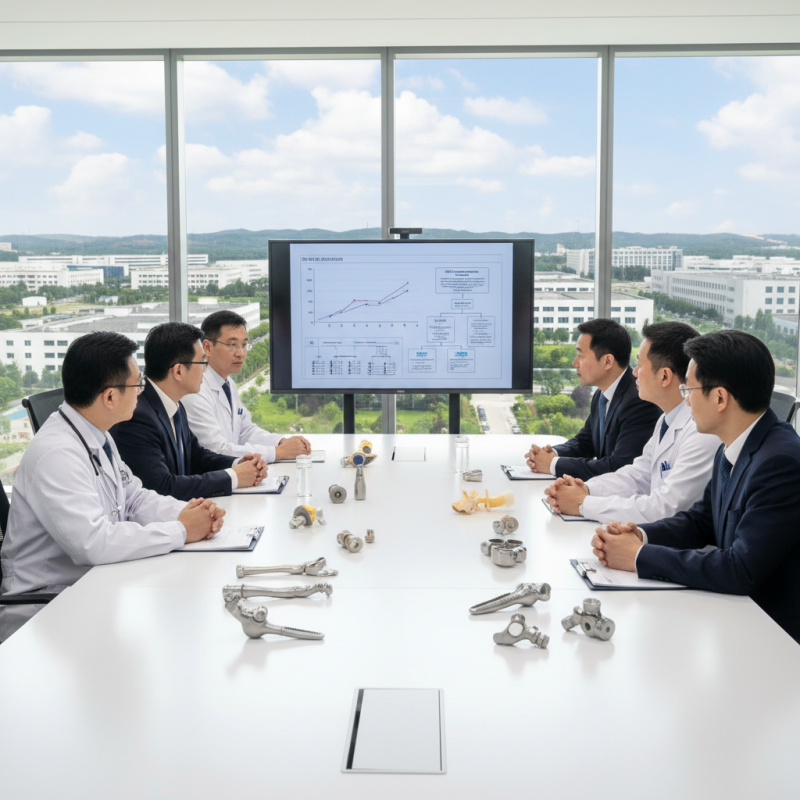
Orthopedic implants are critical in treating musculoskeletal injuries. They come in various types, tailored for specific needs. Common implant categories include plates, screws, rods, and joint replacements. Each has a unique design and function. Data from the Global Market Insights report predicts that the orthopedic implants market is expected to exceed $58 billion by 2027. This growth signals the increasing demand for advanced surgical solutions.
Material choice is vital in implant durability and biocompatibility. Titanium and stainless steel are prevalent. They have excellent strength and resist corrosion. However, some implants may cause allergic reactions in certain individuals. Patient feedback is essential in identifying these issues. Surgeons should consider both clinical outcomes and patient experiences.
The landscape of orthopedic implants is continually evolving. Innovative technologies like 3D printing have emerged. They offer customized solutions that enhance surgical accuracy. However, these advancements are not without challenges. The cost of production can be high, which impacts accessibility in some regions. Ongoing research and development are crucial for addressing these obstacles and improving implant safety and efficacy.
When selecting orthopedic implant manufacturers in China, there are several key factors to consider to ensure quality and reliability. First, evaluate the manufacturer’s certifications and compliance with international standards. The ISO 13485 certification, for instance, is crucial for ensuring medical devices meet regulatory requirements. This accreditation reflects a commitment to quality management systems and product safety.
Tips for choosing the right manufacturer include conducting thorough background checks. Examine their production facilities and technologies used. Leading manufacturers often invest in advanced machinery, boosting efficiency and precision. Additionally, a stable supply chain is critical. Reports indicate that disruptions can lead to increased costs and delayed shipments, which can affect patient care.
It’s essential to assess the manufacturer's track record. What do previous clients say? Reviews and case studies can provide insight. However, keep in mind that not every review will be perfectly positive. Look for patterns rather than isolated comments. Competitors in the market may contribute to skewed perceptions. Balancing these factors will help ensure a well-informed decision.
| Criteria | Description | Importance Level |
|---|---|---|
| Quality Certifications | Check for ISO, CE certifications or other relevant quality standards. | High |
| Production Capability | Evaluate the manufacturer's ability to produce at scale. | High |
| Research & Development | Assess presence of R&D for innovative products. | Medium |
| Customer Support | Availability of support for post-sales services. | High |
| Cost Competitiveness | Price benchmarking against other manufacturers. | Medium |
| Delivery Timeline | Speed of delivery and reliability of timelines. | High |
| User Reviews & Testimonials | Feedback from other customers and industry experts. | Medium |
| Location & Shipping | Consider geographical location for shipping efficiency. | Low |
Choosing an orthopedic implant manufacturer in China requires careful evaluation of
quality and safety standards. Start by examining certifications. Look for compliance with international standards,
such as ISO 13485. This certification signifies a commitment to quality management systems.
Manufacturers with clear certification often prioritize safety and reliability in their products.
Additionally, review the manufacturer's facility. A well-maintained production
area indicates higher quality control. Invest time in understanding their manufacturing processes. Are they transparent about
their methods? It’s crucial to assess their ethical practices. Information on raw material sourcing can reveal
a lot about their commitment to safety.
Patient outcomes are vital too. Research clinical data linked to the implants. High-quality products
should have a track record of success in real-world applications. However, remember that not all data may be fully available.
This often raises questions about transparency, an aspect that requires diligent scrutiny. Stay cautious and seek feedback
from healthcare professionals who use these implants regularly. Their insights can provide invaluable information that goes beyond
company claims.
Choosing the right orthopedic implants manufacturer in China involves a careful assessment of their reputation and experience. The surgical field requires precision. A reputable manufacturer often has a robust history in the industry, marked by successful product launches and partnerships with leading hospitals. Look for companies with certifications that verify their commitment to quality. These certifications reflect adherence to industry standards.
Experience plays a crucial role in this choice. Manufacturers with years of experience typically understand the complexities of orthopedic needs. Their ability to innovate is often evident in their product offerings. Engage with industry professionals to gather insights about different manufacturers. Reviews and testimonials can highlight a manufacturer's reliability and the quality of their implants.
However, not all experienced manufacturers guarantee excellence. Some may have outdated practices. It’s important to question how they keep their technology up to date. Are they investing in research? Be aware of potential red flags. A lack of transparency in their operations should prompt further scrutiny. Don't shy away from asking tough questions. This diligence can save significant costs and complications later. Always remember, your choice can impact patient outcomes.
Navigating the regulatory landscape in China requires careful planning for orthopedic implant manufacturers. Understanding local regulations is crucial. Familiarize yourself with the National Medical Products Administration (NMPA) requirements. This organization oversees the approval of medical products in China. Compliance with their standards is non-negotiable for market entry.
Certification is another essential aspect. ISO 13485 certification is vital for demonstrating quality management processes. Without it, gaining trust from healthcare providers is a challenge. Documentation must be precise and thorough. Manufacturers often overlook this detail, leading to delays in approval. Engage with local experts who specialize in medical device regulations. Their insights can be invaluable in avoiding common pitfalls.
Moreover, be aware that the market is continuously evolving. New regulations and standards emerge, influenced by global practices. Staying updated requires constant vigilance. Small missteps in compliance can have significant repercussions. Regular audits can help maintain adherence to both local and international standards. Rely on a diligent approach to ensure your products meet the necessary requirements.
: Common types include plates, screws, rods, and joint replacements. Each serves specific purposes in surgery.
Material impacts durability and biocompatibility. Titanium and stainless steel are popular for their strength and corrosion resistance.
Yes, some individuals may have allergies. Patient feedback helps identify these reactions, so it’s crucial to monitor them.
Check for certifications like ISO 13485. This indicates compliance with international medical device regulations.
Experienced manufacturers typically understand orthopedic complexities. Their history may reflect innovation and reliability.
Patterns provide insight into reliability. Not all reviews are equal; some may be influenced by competitors or biases.
Cost of production for new technologies can be high. This may limit access to advanced solutions in some regions.
A stable supply chain ensures timely delivery. Disruptions can increase costs and delay patient care.
Ask about their technology updates and commitment to research. Lack of transparency can indicate potential problems.
Client experiences offer valuable insights. However, beware of skewed perceptions; focus on overall trends instead of isolated comments.
When considering orthopedic implants manufacturers in China, it is crucial to understand the various types of implants available, as this informs both treatment options and market offerings. Key factors to consider when selecting orthopedic implants manufacturers from China include the manufacturer’s reputation, experience, and their adherence to quality and safety standards. Evaluating these elements ensures that the implants meet not only performance expectations but also regulatory compliance and certification requirements specific to the Chinese market.
To make an informed decision, potential buyers should thoroughly assess the manufacturers’ track records and industry standing. This involves looking at their history in product development, innovation, and customer reviews, which can provide insights into their reliability and quality. Ensuring that manufacturers comply with international regulations adds an additional layer of safety, ultimately contributing to successful patient outcomes and satisfaction.

Marin-one Medical