Orthopedic implant compatibility is not a packaging detail; it can affect procedural accuracy, operating-room efficiency, and patient safety. The World Health Organization’s 2022 Musculoskeletal Conditions fact sheet estimated that 1.71 billion people worldwide live with musculoskeletal conditions, illustrating the scale of care involving bones and joints. As treatment needs grow, surgical teams must verify more than whether a tool appears to fit. They must check connection geometry, drive type, dimensions, material, sterilization requirements, torque limits, and intended technique. Small mismatches matter. A driver that seats poorly, for example, may damage a screw recess or delay fixation.
What factors affect the compatibility of orthopedic implants with surgical tools? The answer includes manufacturer-specific interfaces, dimensional tolerances, instrument wear, reprocessing, and clear labeling. The U.S. Food and Drug Administration’s guidance on reprocessing reusable medical devices emphasizes validated instructions. ISO 17664-1 also specifies information manufacturers provide for processing medical devices. These references do not replace device-specific instructions; they underscore the need for documented checks. A practical review can compare implant and instrument catalogs, inspect sample interfaces, and confirm the complete tray configuration before surgery. No checklist is perfect. Catalog information may be incomplete, and legacy instruments can remain in circulation—an issue that deserves honest attention. This guide examines ten compatibility factors, focusing on evidence, traceability, and questions clinical teams can verify rather than assumptions.
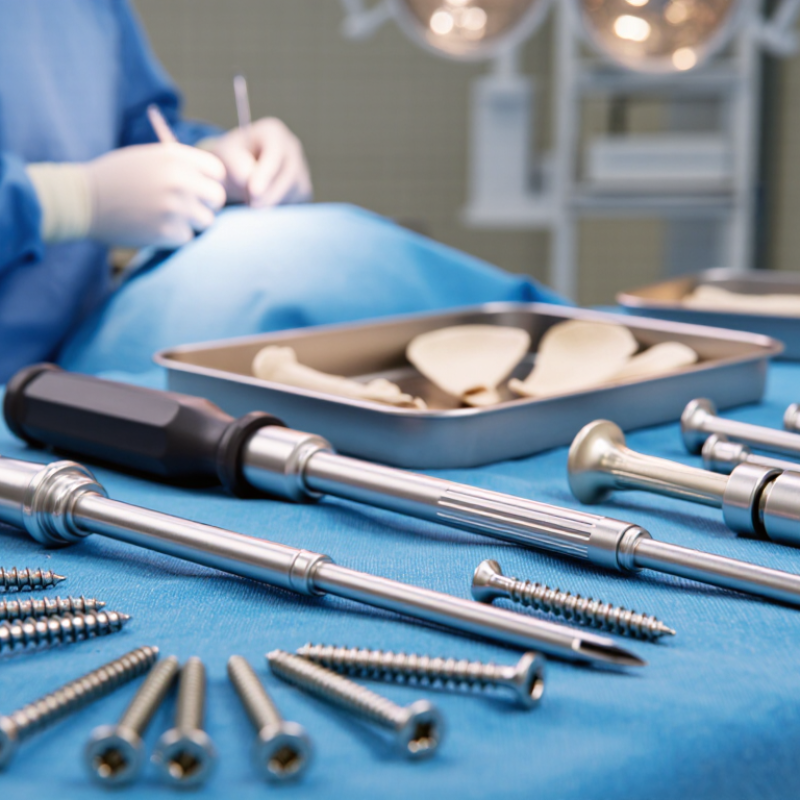
In China, orthopedic implant–instrument compatibility means that an implant and its dedicated tools are designed and verified to work together for their stated clinical use. It involves more than whether two parts physically connect. Matching dimensions, connector geometry, size markings, and insertion or removal functions all matter. A reamer may prepare bone to a specified diameter, while a trial component helps assess fit before implantation. Small differences can affect handling. A connection that feels secure is not proof of compatibility.
The scope includes instruments used for preparation, measurement, trialing, implantation, and, where applicable, removal. It also includes the instructions and records that identify which tools are intended for a particular implant system. In China, hospitals may evaluate products from different suppliers, so procurement teams and clinical staff need clear labeling and documented compatibility information. Local availability can make substitutions tempting. That deserves caution. A tool with similar dimensions may still differ in its interface or intended technique. Teams should check the relevant instructions and verify the complete instrument set before use; compatibility should not be inferred from appearance alone. This practical distinction is easy to overlook, especially when a case is moving quickly.
China Top 10 Orthopedic Implant Tool Compatibility Factors
Regulatory Standards and Product Registration Requirements
In China, compatibility is not established by a matching connector alone. It must fit the device’s registered intended use, model, and approved technical documentation. NMPA classification determines whether a product requires filing or registration. Many implantable orthopedic devices are Class III, while instrument classification depends on design and intended use. Check the current classification catalogue and certificate scope before combining drivers, guides, or trial components. Small detail. Big consequence.
The NMPA’s 2023 annual report recorded 61 innovative medical devices approved that year. This figure covers multiple device fields, not orthopedics alone. For compatibility claims, retain test protocols, interface drawings, material specifications, and sterilization validation. Document risk analysis in line with applicable Chinese requirements, including GB/T 42062-2022. Registration evidence should address the actual configurations supplied, not just a representative connector.
For imported products, Chinese-language labeling and shipped configurations should match approved registration particulars. UDI requirements apply to designated categories and rollout phases; verify current NMPA rules rather than assuming every instrument follows the same deadline. A shared interface can still fail under torque, wear, or repeated sterilization. Teams sometimes under-document these edge cases. That deserves another review.
| Compatibility factor | What to verify and document | China regulatory and registration considerations |
|---|---|---|
| 1. Intended purpose and device classification | Define the tool’s intended procedure, users, operating environment, and whether it is supplied with or intended for use with a specific implant system. Confirm the intended purpose is consistent across the tool, implant, instructions, and promotional materials. | Classification depends on the device’s intended use and applicable entries in China’s medical-device classification rules and catalog. Class I devices are generally filed; Class II and Class III devices generally require registration. Confirm the applicable pathway with current NMPA requirements before submission. |
| 2. Implant–instrument interface | Specify and verify connection geometry, dimensions, tolerances, engagement depth, locking features, and any implant-specific interface. Assess misconnection, unintended release, and use with non-matching components. | Registration materials should clearly define the compatible components and intended combinations. Provide drawings, interface specifications, verification results, and clear restrictions where compatibility is limited to particular components or configurations. |
| 3. Mechanical performance and durability | Evaluate relevant performance, such as torque transmission, insertion or extraction forces, bending and fatigue resistance, wear, breakage, and repeated-use durability. Set acceptance criteria linked to the intended procedure. | Performance requirements and test methods should be established in the product technical requirements and supported by verification records. Apply relevant current Chinese mandatory or recommended standards where applicable; justify any alternative methods and acceptance criteria. |
| 4. Materials and biological safety | Identify patient-contacting materials, contact type and duration, surface treatments, coatings, and residues. Assess biological risks based on the finished device and its intended use. | Use a documented biological evaluation approach, including the applicable GB/T 16886 series where relevant. The evaluation should address material characterization and biological endpoints appropriate to the nature and duration of contact; test results alone may not replace an overall evaluation. |
| 5. Sterility and reprocessing | State whether the instrument is supplied sterile or non-sterile, single-use or reusable. For reusable tools, validate cleaning, disinfection, sterilization, drying, inspection, and the maximum supported reuse cycles. | Provide evidence that the stated processing instructions can be followed and achieve the claimed outcome. Apply the current Chinese standards and regulatory requirements relevant to the selected sterilization method. Instructions for reusable devices should be validated for the claimed reprocessing conditions and service life. |
| 6. Packaging, transport, and shelf life | For sterile products, verify the sterile barrier system, seal integrity, packaging performance, and maintenance of sterility through the claimed shelf life and transport conditions. For non-sterile products, protect the device from damage and contamination as appropriate. | Support packaging and shelf-life claims with appropriate validation and stability evidence. The GB/T 19633 series may be relevant to terminally sterilized medical-device packaging; confirm the applicable edition and scope for the specific product and submission. |
| 7. Powered-tool electrical safety and EMC | For powered instruments, assess electrical safety, essential performance, electromagnetic compatibility, power supply or battery performance, and operation with intended accessories. Confirm that interference does not compromise the procedure. | Apply GB 9706.1-2020 and relevant collateral or particular standards when they apply to the device. Determine the applicable electrical safety and EMC standards from the product’s design and intended use; do not apply these requirements to non-electrical instruments without justification. |
| 8. Software, controls, and system connections | Where software or electronic controls are present, verify operating modes, alarms, settings, user interface, data or control connections, and safe behavior under foreseeable faults. Identify compatible accessories and system configurations. | If software is part of the medical device, provide software documentation and verification and validation evidence appropriate to its role and risk. Document supported configurations and interfaces. Apply current NMPA software, cybersecurity, and related guidance where relevant to the product. |
| 9. Risk management and usability | Assess hazards arising from incorrect instrument–implant pairing, assembly errors, excessive force, breakage, contamination, reprocessing, and foreseeable misuse. Verify risk controls and usability with representative users and use conditions. | Maintain a lifecycle risk-management file. GB/T 42062-2022 is the Chinese national standard for applying risk management to medical devices. Link identified risks, controls, verification evidence, labeling, and residual-risk information across the registration documentation. |
| 10. Clinical evidence, registration dossier, and labeling | Ensure clinical evidence supports the intended use and claimed compatibility. Provide clear instructions for assembly, compatible implants and accessories, warnings, contraindications, cleaning and sterilization, and disposal or reuse limits. | The registration dossier should include the information required for the applicable device class and pathway, such as product technical requirements, testing or evaluation evidence, risk management, clinical evaluation where required, and Chinese-language labeling and instructions. Confirm current NMPA requirements, registration status, and applicable UDI obligations for the product. |
Scope note: Applicability of standards and registration requirements depends on the device’s classification, intended purpose, design, and claims. Verify current standard editions and NMPA requirements at the time of submission.
Mechanical fit is only one part of orthopedic implant tool compatibility. A driver may enter a screw recess yet still seat poorly if its tip geometry or dimensions differ. Small differences matter. Poor engagement can cause wobble, surface damage, or unreliable torque transfer during assembly.
Connection design also deserves close inspection. Check the interface shape, locking features, shaft length, and required drive method against the implant system’s current instructions. A connector that appears secure may still loosen under load. Materials and surface wear can affect how components mate, especially after repeated cleaning and use. Compatibility should be verified using documented specifications, not appearance alone. I have seen fit checks treated as routine; that assumption is worth questioning.
Tips: Before a procedure, confirm the tool and implant references, inspect the tip for wear, and test engagement according to approved instructions. Stop if the connection feels loose or uneven. Record recurring fit issues, then review the selection process with the clinical and technical team.
Orthopedic instruments may combine stainless steel, titanium, polymers, and insulated components. Each material responds differently to heat, moisture, detergents, and repeated handling. Compatibility checks should therefore cover the entire instrument, not just its metal shaft. Small details matter. A polymer grip can deform, while a fine hinge may retain soil after brushing. Check the manufacturer’s instructions for use for approved detergents, water quality, cycle limits, and drying steps. AAMI ST79:2017/(R)2022 provides guidance for steam sterilization in healthcare facilities; it also emphasizes following device-specific instructions. Reprocessing staff should record cycle results and inspect joints, serrations, and insulation under good lighting.
Sterilization settings are not interchangeable. The CDC’s 2008 Guideline for Disinfection and Sterilization in Healthcare Facilities lists 121°C for 30 minutes in gravity cycles and 132°C for four minutes in prevacuum cycles for wrapped supplies. These are reference conditions, not universal settings for orthopedic tools. Use only cycles validated for the specific device and load. Repeated exposure can accelerate corrosion or loosen connections, even when an instrument looks clean. FDA guidance on reusable-device reprocessing stresses validated cleaning instructions and clear labeling. That sounds straightforward. In practice, tight interfaces and rushed manual cleaning remain weak points. A compatibility review should compare material limits, cleaning access, sterilization method, and inspection criteria before instruments enter routine use.
Orthopedic implant tool compatibility in China depends on more than a matching connection. Teams should verify implant family, instrument interface, size range, and the exact sequence required by the surgical technique. A driver that fits loosely or a trial component that is difficult to identify can interrupt a procedure. Small details matter. Review the manufacturer’s current instructions and confirm that instruments have been validated for the intended implants, rather than relying on appearance alone.
Clinical workflow also matters. Check whether trays are clearly labeled, easy to assemble, and practical for the facility’s sterilization process. A brief setup rehearsal can reveal missing adapters or confusing steps before they reach the operating room. The checklist may still miss something; real handling can expose problems that paperwork cannot. Surgeons and sterile-processing staff should both provide feedback, since they notice different risks.
Supply-chain planning is part of compatibility, too. Confirm instrument availability, replacement-part access, lot traceability, and realistic delivery times. Across Chinese hospitals, procurement pathways and local workflows may differ, so a single inventory plan may not fit every site. Keep records of instrument revisions and communicate changes to clinical teams. A delayed replacement can affect scheduling, even when the implant itself is available.
Clinical workflow, surgical technique, and supply-chain considerations
The bars count practical verification points included for each factor in this checklist. They are not measured clinical outcomes, market statistics, or risk scores. Confirm compatibility against the relevant device instructions for use and local clinical procedures.
It means an implant and its dedicated tools are verified to work together for their stated clinical use. A secure connection alone proves little.
Confirm the implant family, connector shape, size markings, and required tool sequence. Check the current instructions, too. Similar-looking parts can differ.
A reamer prepares bone to a specific diameter, while a trial component helps assess fit. Small size differences can change handling.
Check hinges, serrations, joints, and insulated sections under good lighting. Soil can hide in tight spaces. A quick glance may miss it.
No. Use only cycles validated for the specific device and load. Heat and moisture limits vary by materials and instrument design.
They should identify approved detergents, water quality, cycle limits, drying steps, and inspection criteria. Record cycle results and examine the full instrument.
Rehearse tray setup and check for missing adapters or unclear steps. Ask surgeons and sterile-processing staff for feedback. Paperwork may not reveal everything.
Confirm instrument availability, replacement-part access, lot traceability, and realistic delivery times. A delayed part can disrupt scheduling.
Similar dimensions do not guarantee matching interfaces or techniques. Verify documented compatibility for the intended implant system. This check can feel repetitive, but it matters.
This article examines the main factors that determine whether orthopedic implants and surgical instruments work together safely and effectively in China. What factors affect the compatibility of orthopedic implants with surgical tools include applicable regulatory standards and product registration requirements, as well as the accuracy of mechanical fit, connection design, and matching between instruments and implant systems. Compatibility also depends on whether materials can withstand the required sterilization and reprocessing methods without compromising their performance.
The discussion further considers how surgical techniques, operating-room workflows, and supply-chain coordination influence practical use. Clear instrument identification, consistent availability, and alignment between product specifications and clinical procedures can help reduce delays and support reliable preparation. Taken together, these considerations provide a structured overview for evaluating implant–instrument compatibility across regulatory, technical, material, and operational dimensions.

Marin-one Medical