Choosing the right Elastic Stable Intramedullary Nails is crucial for successful surgeries. The Canton Fair presents an excellent opportunity for healthcare professionals. It showcases advanced manufacturing and medical equipment, including crucial surgical supplies.
At the fair, you can find suppliers with specific credentials like ISO and CE certifications. These qualifications ensure that the products meet global standards. Efficiency is key, as the event covers over 1.55 million square meters. Navigation through this vast space is enhanced by AI technology. This makes it easier for buyers to locate specific products and suppliers.
However, making the right choice requires careful consideration. Not all suppliers will meet your needs. Researching their history and customer feedback is essential. Reflect on what specifications your surgical procedures demand. This reflection can lead to better decisions and improved patient outcomes.
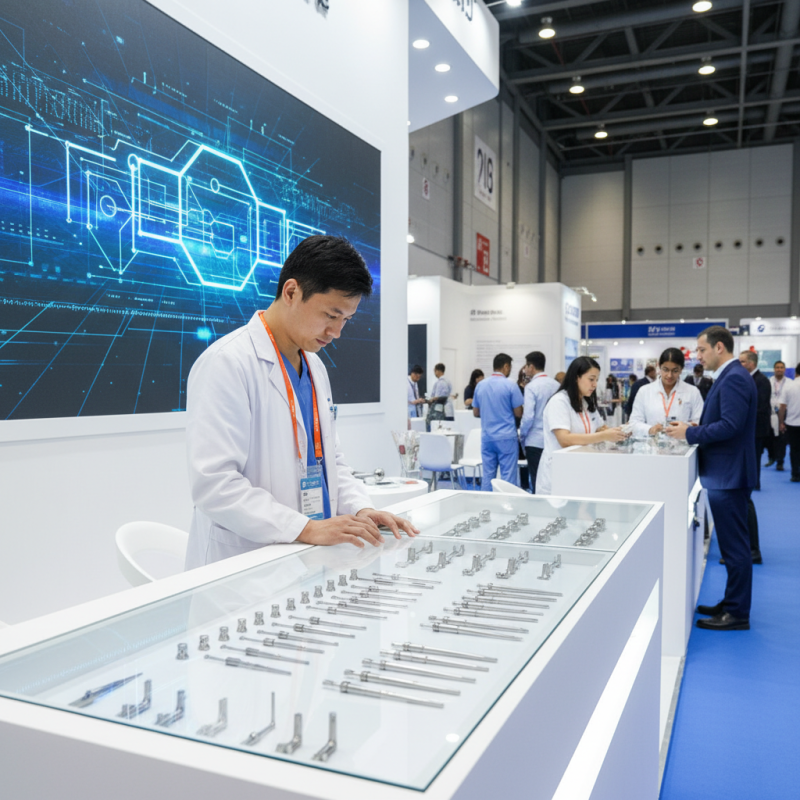
When selecting elastic stable intramedullary nails, several critical factors demand attention. First, consider the material used in production. Titanium and stainless steel are common choices, each offering unique benefits. A study highlighted that titanium nails have a lower risk of infection compared to stainless steel. However, they can have higher costs. It is essential to balance quality and budget.
The diameter of the nails is another vital aspect. A report indicated that a proper fit significantly reduces complications. Nails that are too large can lead to fractures at insertion. Furthermore, the length of the nail should correspond to the individual patient's anatomy. Customizing the length can ensure better stability and healing times. Accurate measurements can improve overall surgery outcomes.
Surgeons need to evaluate their experience with specific nail designs. Some designs are more complex to insert. A recent study found that complications were 30% higher when inexperienced personnel used unfamiliar designs. Understanding the different nail configurations can lead to better choices for patient needs. Each choice should reflect a comprehensive understanding of both patient and surgical factors, ensuring optimal results.
Elastic stable intramedullary nails are gaining popularity in surgical procedures. They provide several key benefits that enhance patient outcomes. First, their flexible design allows for easier insertion into the medullary canal. This adaptability reduces the risk of damaging surrounding tissues during the process. Surgeons appreciate this feature, as it promotes quicker recovery for patients.
Using these nails offers excellent stability for fractured bones. The elastic property enables the nails to adjust to the natural movements of the body. This reduces complications and promotes healing. Many surgeons find that these nails can effectively support various types of fractures, making them versatile tools in the operating room.
However, the decision to use these nails should be made with caution. Surgeons must consider the unique circumstances of each patient. Not every case is ideal for elastic stable nails. Some patients may require different fixation methods. Continuous learning and evaluation are vital. The healthcare industry is always evolving, and staying updated on techniques is crucial for optimal results.
When selecting elastic stable intramedullary nails, it’s essential to consider popular brands and models. Several market reports showcase that the global intramedullary nail market is expected to grow significantly in the coming years. A report from Research and Markets noted a compound annual growth rate (CAGR) of around 6% from 2021 to 2028. This growth indicates a rising demand for innovative orthopedic solutions.
Various models are known for their superior engineering and performance. Surgeons often prefer options that offer better stability and ease of insertion. However, choosing the right model is not straightforward. Different patient cases require different specifications. Factors such as nail length, diameter, and locking mechanisms play critical roles. You can find models ranging from basic designs to more advanced options equipped with features that enhance fixation.
Attending events like the Canton Fair can provide valuable insights. However, it’s crucial to be aware of potential shortcomings in innovation. Some models may promise advanced technology, but practical applications in surgeries can vary. An evaluation of surgeon feedback reveals mixed responses regarding usability and effectiveness. Understanding these nuances is vital for informed decision-making.
| Model | Diameter (mm) | Length (cm) | Indication | Material |
|---|---|---|---|---|
| Model A | 4.0 | 30 | Pediatric fractures | Titanium |
| Model B | 5.0 | 35 | Adult femoral fractures | Stainless Steel |
| Model C | 6.0 | 40 | Tibial fractures | Carbon Fiber |
| Model D | 7.0 | 45 | Humeral fractures | Titanium |
When evaluating the quality and durability of elastic stable intramedullary nails, several factors are crucial. The material used in manufacturing plays a significant role. High-quality materials often ensure better performance. Look for nails made from robust alloys, as they provide strength and flexibility.
Another aspect to consider is the design. The shape of the nails can affect how well they stabilize fractures. Some designs offer improved load distribution, reducing the risk of breakage. Inspect the surface finish as well. A smooth surface minimizes friction and enhances longevity.
**Tips**: Always check for certifications. This can indicate the product's compliance with industry standards. Don't hesitate to ask about fatigue tests or warranty periods. Shorter warranties may suggest lower confidence in durability.
Lastly, engage with trusted experts at Canton Fair. Their insights on new technologies can help you make informed choices. Stay cautious, though; not all novel features guarantee better outcomes. If something seems too good to be true, it often is. Take your time to weigh the options carefully.
When considering elastic stable intramedullary nails at the Canton Fair, preparation is key. Vendors often showcase various types of intramedullary nails. According to industry reports, the global market for orthopedic implants is projected to reach $60 billion by 2025. This growth brings competitive pricing and innovative products to the forefront.
During negotiations, focus on functionality. Intramedullary nails must provide effective stabilization for fractures. Research indicates that elastic nails reduce recovery time by 25%. Always inquire about the manufacturing process and materials used. Quality standards are crucial. Many suppliers may cut corners, leading to inferior products that can compromise patient safety.
Be prepared to ask specific questions. What is the max loading capacity? How do they ensure consistency? Share your local market conditions with potential suppliers. Establish strong communication and trust. Sometimes, initial quotes may seem high. However, understanding the comprehensive benefits of quality products can justify the investment. Know the value in durability and performance. Your decisions here impact lives.
: They are flexible surgical tools for bone stabilization. Their design allows for easier insertion into the medullary canal.
They provide excellent stability for fractured bones. This helps in quicker recovery and reduces the risk of complications.
Not every patient is a good fit for elastic stable nails. Unique circumstances must guide the decision-making process.
Their elastic property allows adjustment to natural body movements. This promotes healing and reduces complications.
Pay attention to functionality and quality standards. Ensure the nails provide effective stabilization for fractures.
Quality standards matter greatly. Inferior products may compromise patient safety and lead to poor outcomes.
Research suggests they can reduce recovery time by up to 25%. This makes them a valuable option for treatment.
Initial quotes may seem high, but quality products justify the investment. Their durability and performance are vital for patient care.
The healthcare field is always changing. Surgeons must stay updated to ensure optimal results for their patients.
Yes, sharing local conditions helps establish trust with suppliers. It ensures that your needs are understood and met.
When attending the Canton Fair, selecting the right Elastic Stable Intramedullary Nails involves several key factors. It's essential to consider aspects such as material quality, design features, and the specific surgical applications for which these nails will be used. The benefits of using Elastic Stable Intramedullary Nails in surgical procedures include reduced recovery times and improved patient outcomes, making them a desirable choice for orthopaedic surgeries.
To make an informed purchase, it's crucial to evaluate the quality and durability of the products on display. Look for reputable manufacturers that adhere to high standards of production. Additionally, understanding effective negotiation tactics can help you secure the best prices. By combining thorough research and negotiation skills, you can successfully choose the most suitable Elastic Stable Intramedullary Nails for your needs at the fair.

Marin-one Medical