Choosing a reputable orthopedic implant manufacturer requires more than comparing prices or reviewing a polished website. Patient safety depends on materials, design controls, production discipline, and long-term support. A reliable manufacturer should provide clear evidence of quality management, documented testing, and consistent product traceability.
How to evaluate the reputation of orthopedic implants manufacturers begins with verifiable evidence. Examine relevant certifications, regulatory records, clinical data, and independent audit results. Ask how the company controls raw materials, sterilization, packaging, and batch identification. A titanium implant should not appear as an anonymous component in a supply chain. Its origin, specifications, and inspection history should be traceable.
Look closer.
Speak with orthopedic surgeons, hospital procurement teams, and experienced distributors. Their practical feedback may reveal delivery problems, training gaps, or responsive after-sales service. Review the manufacturer’s complaint handling and post-market surveillance processes. A serious supplier discusses adverse events openly and updates procedures when evidence changes.
No checklist is perfect. Certifications can expire, and impressive clinical claims may lack useful context. Even experienced buyers can overlook small warning signs, such as vague testing reports or inconsistent product documents. This guide offers a structured approach, but professional judgment remains essential. The strongest decision combines technical expertise, real-world experience, transparent communication, and independently supported evidence. It also considers whether the manufacturer can support surgeons and patients throughout the implant’s expected service life.
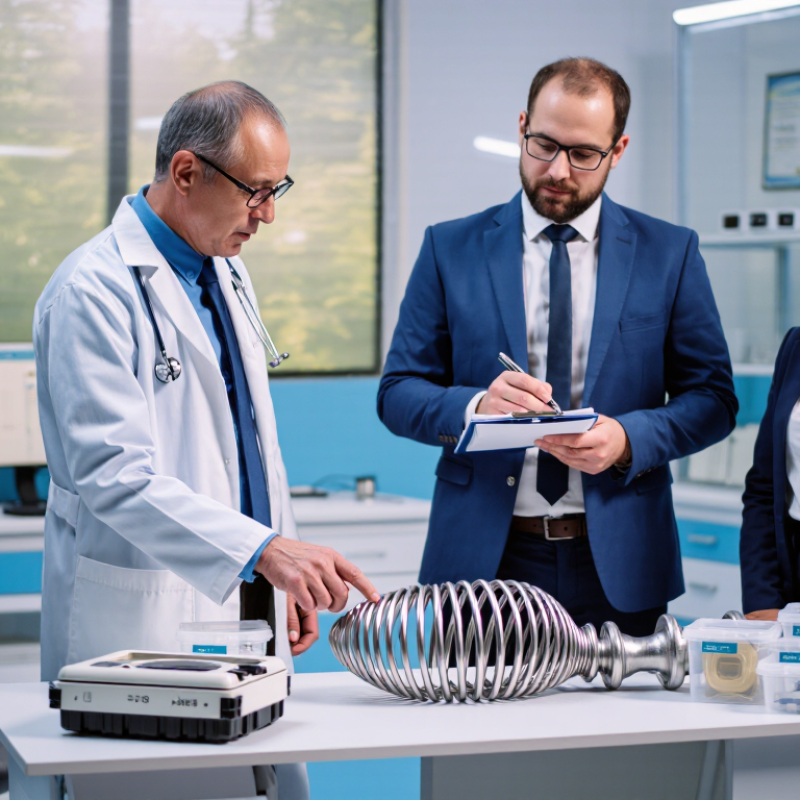
An orthopedic implant manufacturer does more than produce screws, plates, or joint components. Its role begins with understanding anatomy, surgical technique, and patient needs. Engineers translate these requirements into controlled designs. They select materials that can tolerate load, corrosion, and repeated movement. Small details matter. Surface texture can influence fixation. Edge geometry can affect tissue irritation.
A reputable manufacturer maintains documented quality systems throughout development and production. Each batch should have traceable materials, inspection records, and validated manufacturing steps. Testing may include dimensional checks, fatigue studies, sterilization assessments, and simulated-use evaluations. These activities do not replace clinical judgment. They support it. The manufacturer should also communicate limitations clearly, including intended use, handling requirements, and known risks.
The relationship continues after delivery. Manufacturers monitor feedback, investigate complaints, and review field performance. This evidence can guide design improvements and safer instructions. No process is flawless. A supplier may pass routine inspections yet still overlook a packaging weakness or an unclear label. That possibility deserves honest review. Hospitals and surgeons should ask how concerns are investigated, how changes are controlled, and whether technical support is responsive. Transparent answers often reveal more than polished marketing language. Reliable manufacturing depends on evidence, disciplined records, and a willingness to question comfortable assumptions.
How to Choose a Reputable Orthopedic Implant Manufacturer
Product quality and clinical safety should guide every manufacturer evaluation. A reliable supplier can explain material selection, design controls, and sterilization methods clearly. Ask for documented testing on fatigue strength, wear resistance, corrosion, and biocompatibility. These reports should identify test methods, sample sizes, and acceptance criteria.
Clinical evidence matters just as much. Review peer-reviewed studies, long-term outcomes, and complication data for comparable implants. A responsible manufacturer tracks complaints and performs post-market surveillance. During a facility visit, check lot traceability, cleanroom practices, calibration records, and employee training. Look for quality systems aligned with recognized standards, such as ISO 13485 and ISO 14971. Certificates help, but they do not replace careful technical review.
Tips: Request complete technical files and recent audit findings. Confirm that suppliers can trace each implant from raw material to shipment. Speak with surgeons who have used similar devices, not only sales representatives. Ask how the company handles recalls, design changes, and unexpected clinical events. No checklist is perfect. My own review process has sometimes overvalued polished documentation and undervalued clear communication. That mistake is worth avoiding. A trustworthy manufacturer welcomes difficult questions, shares limitations, and supports clinicians after delivery.
Recommended evaluation weighting for product quality and clinical safety. The criteria are based on internationally recognized requirements, including ISO 13485, ISO 14971, the ISO 10993 series, and applicable ISO and ASTM implant-testing standards.
These percentages are a procurement evaluation framework rather than performance data from any specific company. They emphasize documented clinical evidence, risk control, validated testing, and post-market surveillance when comparing manufacturers.
Choosing a reputable orthopedic implant manufacturer requires more than inspecting polished equipment. Manufacturing technology must produce repeatable, measurable results.
According to the ISO Survey 2023, thousands of organizations worldwide held ISO 13485 certificates for medical-device quality systems. Certification matters, but it does not guarantee excellent implants. Ask how the manufacturer validates CNC machining, additive manufacturing, surface treatment, cleaning, and sterilization.
Review process capability studies, dimensional inspection records, and material certificates. Titanium components should have traceability from raw billet to final packaging. Small gaps can create serious clinical uncertainty.
Regulatory compliance should be visible in daily work. A reliable manufacturer maintains design-history files, risk analyses under ISO 14971, and documented corrective actions. The U.S. FDA’s Quality System Regulation requires controls for production, purchasing, process validation, and complaint handling.
Under Regulation (EU) 2017/745, manufacturers also need technical documentation and post-market surveillance. Check whether these systems are actively used, not merely displayed during audits.
During supplier reviews, I look for clean data trails and realistic responses to failed batches. Overconfident answers worry me. A manufacturer should explain deviations clearly, investigate root causes, and show evidence of improvement.
FDA recall reporting also demonstrates why vigilance matters: device failures often involve process or documentation weaknesses, not only dramatic design defects. A thoughtful audit may reveal uncomfortable imperfections, but hidden problems are far more expensive.
Choosing a reputable orthopedic implant manufacturer requires more than reviewing a product catalog. Research capability shows how seriously the company manages patient safety and clinical performance. Look for peer-reviewed studies, documented fatigue testing, and transparent quality procedures. Ask whether engineers can explain test limitations in plain language. Published evidence matters, but it is not enough.
Customization should begin with clinical needs, not sales promises. Review how the team converts imaging data into accurate digital models. Confirm available tolerances, material specifications, and prototype inspection methods. A reliable manufacturer should support design reviews with surgeons and engineers. They should also explain sterilization compatibility and traceability. Ask how design changes are recorded and approved. Small errors can become expensive problems.
Support services reveal the manufacturer’s real working standards. Clarify response times for technical questions, production delays, and post-delivery concerns. Request clear documentation, user training, and accessible engineering support. Staff should understand handling, storage, and implantation requirements. No manufacturer performs perfectly every time. That is why complaint procedures and corrective actions matter. Ask for examples of how problems were investigated, without expecting confidential patient details. An honest answer may feel less impressive, but it usually indicates stronger reliability.
Reputation should be measured through evidence, not polished claims. Check peer-reviewed studies, regulatory history, recall records, and independent registry data. The AJRR 2024 Annual Report covers more than three million hip and knee procedures. Such registries can reveal revision patterns that marketing materials often hide. Ask whether the manufacturer shares implant-specific outcomes, follow-up periods, and patient-risk details. General success rates are not enough.
Transparency also affects costs. Compare the complete economic picture, including implant prices, instruments, training, inventory, revision surgery, and warranty terms. A cheaper component may create higher costs if its documentation is weak. Request certificates, material specifications, sterilization records, and batch-traceability procedures. ISO 13485 certification supports quality management, but it does not guarantee excellent long-term clinical results. That distinction matters.
Long-term reliability needs patience. Review ten-year or longer registry findings when available, especially revision rates by implant type and patient group. The UK National Joint Registry’s annual reports show why implant survival must be compared across age, fixation method, and clinical setting.
Ask how adverse events are investigated and communicated. Delayed answers are a warning sign. So is selective data.
No supplier is perfect. That is worth admitting. A manufacturer may have strong engineering but limited independent evidence. Another may provide transparent data yet lack local service capacity. Document these weaknesses before signing. Reassess performance through yearly outcome reviews, not promises made during procurement.
Request fatigue, wear, corrosion, and biocompatibility testing reports. Each report should state test methods, sample sizes, and acceptance criteria. Certificates are evidence. They are not proof of excellent clinical results.
Review peer-reviewed studies, long-term outcomes, and complication data. Compare results for similar implants, patient groups, and clinical settings. General success rates can hide important differences.
Inspect lot traceability, cleanroom practices, calibration records, and employee training. Ask how each implant moves from raw material to shipment. Look at real records. Do not rely only on presentations.
Strong research teams explain testing methods and limitations clearly. Ask for published studies and documented fatigue testing. Engineers should answer questions in plain language. Evidence may still be incomplete.
Customization should begin with clinical needs and accurate imaging data. Review digital modeling, material specifications, tolerances, and prototype inspections. Confirm that surgeons and engineers can review the design together. Small errors can become costly problems.
Ask about response times for technical questions, delays, and post-delivery concerns. Request user training, handling instructions, storage guidance, and implantation support. Clarify complaint procedures and corrective actions. Support after delivery matters.
Include implants, instruments, training, inventory, revisions, and warranty terms. A cheaper component may create higher costs later. Weak documentation can become expensive. Price alone is a poor measure.
Review registry data lasting ten years or longer when available. Compare revision rates by implant type, patient age, fixation method, and clinical setting. Ask how adverse events are investigated and communicated. Delayed answers deserve attention.
Record limited independent evidence, weak local support, or unclear technical communication. No manufacturer performs perfectly every time. I have sometimes trusted polished documents too much. Clear answers may matter more than impressive claims.
Choosing a reputable orthopedic implant manufacturer requires more than comparing product prices. A reliable manufacturer should demonstrate a clear understanding of its role in supporting patient care, while offering implants backed by consistent quality control, clinical safety evidence, and appropriate material standards. Buyers should review manufacturing technologies, testing procedures, sterilization practices, and regulatory compliance to confirm that products are produced responsibly and consistently.
When considering how to evaluate the reputation of orthopedic implants manufacturers, examine their research capabilities, history of product development, customization options, technical guidance, and after-sales support. Transparent communication, complete documentation, responsive service, and a proven record of long-term reliability are equally important. Cost should be assessed alongside product quality, supply stability, training, and lifecycle support rather than viewed as the sole deciding factor. A thorough evaluation helps healthcare organizations select a dependable partner capable of meeting clinical needs and maintaining consistent performance over time.

Marin-one Medical