Choosing orthopedic implants for maxillofacial procedures can feel overwhelming. The right implants are crucial for successful outcomes. Knowing how to choose orthopedic implants for maxillofacial procedures requires careful consideration of various factors. Each patient is unique, and so are their needs.
Understanding the materials used in implants is essential. Titanium is popular due to its strength and biocompatibility. However, other materials may serve specific cases better. Surgeons must weigh the pros and cons of each option. Factors like the location of the implant and the type of bone interaction matter significantly.
Experience and expertise play vital roles in the selection process. Surgeons often rely on their previous cases to guide their decisions. Yet, even the most skilled professionals can encounter unexpected challenges. A critical reflection on past experiences can lead to improved choices. Ultimately, the journey to selecting the right orthopedic implants involves a combination of knowledge, patient assessment, and thoughtful evaluation.
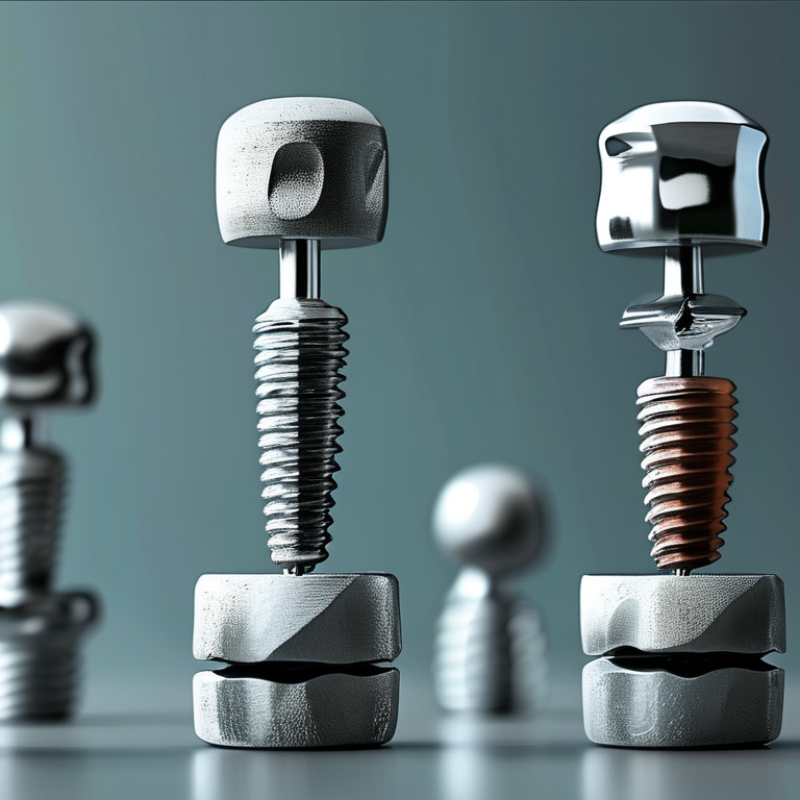
Orthopedic implants play a crucial role in maxillofacial surgery. They provide stability and support to the facial structure, promoting effective healing. Surgeons often use these implants to correct deformities or injuries in the jaw, cheeks, or forehead. Choosing the right implant requires a deep understanding of both the materials and the specific needs of the patient.
When selecting orthopedic implants, factors like biocompatibility and durability are vital. Surgeons must consider the unique anatomy of each patient. Some patients may have specific allergies that could complicate implant choice. Developing a comprehensive plan with a team, including orthodontists and radiologists, enhances outcomes. Reflection on previous cases can highlight areas needing improvement, leading to better decisions for future surgeries.
The integration of 3D imaging technology has transformed how implants are designed and selected. Surgeons can now visualize structures in detail. This innovation fosters precise placement and alignment, reducing surgery time and improving recovery. However, it’s essential to assess the effectiveness of these technologies continually. Feedback from patients can guide future improvements, ensuring that maxillofacial surgery continues to evolve.
| Criteria | Importance | Material Type | Surgeon Preference | Patient Consideration |
|---|---|---|---|---|
| Compatibility with Bone | High | Titanium | Experienced | Bone density |
| Strength and Durability | Medium | Stainless Steel | Varied | Activity level |
| Biocompatibility | High | Polymer | Preferred | Allergies |
| Ease of Handling | Medium | Composite | Highly recommended | Recovery time |
| Cost-effectiveness | High | Hybrid Materials | Depends on case | Insurance coverage |
: Biocompatibility is essential for implants. Titanium and biodegradable polymers are common choices.
The shapes and sizes must match the patient's anatomy. Precision affects stability and healing outcomes.
Incorrect placement can lead to complications. Studies show 25% of cases face issues from misplacement.
Imaging technology like CBCT helps assess bone density. It improves planning and increases success rates.
Maintaining a clean area around the surgical site is critical. Cleanliness prevents infections and promotes healing.
A balanced diet, rich in protein and vitamins, aids recovery. Hydration also plays a key role in healing.
Technologies like CAD allow for custom implants. They improve alignment and reduce surgical errors, enhancing outcomes.
Variations in patient anatomy can complicate standard techniques. Continuous training helps address these challenges.
Ongoing education updates surgeons on advances. It enhances their experience and knowledge for better patient care.
Educating patients on gentle cleaning and avoiding smoking can lead to better postoperative outcomes.
Choosing orthopedic implants for maxillofacial procedures is a critical aspect of successful surgical outcomes. Understanding the role of these implants involves recognizing how they support bone and tissue structure in reconstructive surgery. Key factors to consider include patient-specific anatomical variations, the type of defect being addressed, and the desired functional outcomes. Material properties such as biocompatibility and mechanical strength play a significant role in ensuring the longevity and success rates of implants.
Additionally, the evaluation of surgical techniques is essential for optimal implant placement, as precision can affect overall healing and integration. Postoperative care protocols must also be established to monitor recovery and manage any complications effectively. By comprehensively assessing these factors, medical professionals can make informed decisions on how to choose orthopedic implants for maxillofacial procedures, ultimately leading to improved patient satisfaction and functional results.

 Marin-one Medical