How to Choose the Right Radial Head Prosthesis for You?

Time:2026-03-20 Author:Aria
0%

Choosing the right Radial Head Prosthesis is crucial for recovery after an elbow injury. Many factors come into play. Patients must understand their specific needs and the type of injury they sustained. Not every prosthesis works for everyone.

When selecting a Radial Head Prosthesis, consider your activity level. Active individuals may require different solutions compared to those with a sedentary lifestyle. Assess your overall health and any pre-existing conditions too. A thorough discussion with your surgeon is essential.

It's important to acknowledge potential limitations. Prostheses vary widely in materials and designs. Not every option guarantees perfect results. Patients might face complications despite careful selection. Reflecting on these aspects can help in making a well-informed choice.
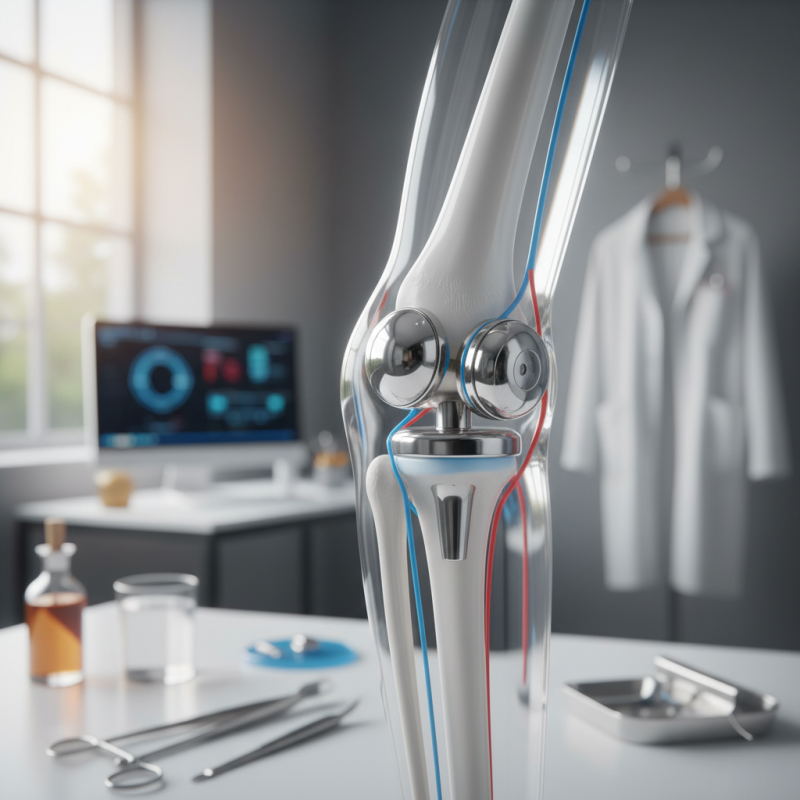
How to Choose the Right Radial Head Prosthesis for You?

Understanding Radial Head Prosthesis: An Overview

The radial head prosthesis is crucial for elbow stability after injury or disease. This device replaces the damaged radial head in the forearm. According to the Journal of Shoulder and Elbow Surgery, nearly 10% of elbow dislocations require this procedure. Many patients report improved mobility following surgery. However, not every prosthesis suits all patients.

Material choice affects outcomes. Common materials include metal and polyethylene. Studies have shown that metal implants can lead to better longevity. However, they may carry risks, such as stress shielding. Other reports indicate that patient activity levels influence the choice of a prosthesis. Active individuals often require a more robust option.

Surgeons must evaluate multiple factors before surgery. Patient age and bone quality come into play. A younger patient may benefit from a more flexible device. Older patients might need a sturdier choice. The decision-making process can feel overwhelming. Prosthesis selection is not one-size-fits-all. Missteps in choosing the right type can lead to complications, indicating a need for thorough reflection in this critical choice.

Factors to Consider When Choosing a Radial Head Prosthesis

Choosing a radial head prosthesis involves multiple factors. Each patient's needs are unique. Understanding these factors is vital for a successful outcome.

One significant aspect is the size and shape of the prosthesis. Proper fitting is essential. An ill-fitting component can lead to complications. Surgeons often use imaging techniques to determine the best size. Active lifestyle and weight must be considered too. Heavier individuals may require sturdier designs.

Materials also play a crucial role. Common options are metal, polyethylene, and ceramic. Each offers different benefits and drawbacks. Some materials may wear out faster than others. Allergies to certain materials might complicate the choice.

Discussing these concerns with your physician is crucial. Many patients feel overwhelmed by the options. Finding clarity through communication is key. You might feel anxious about making the right choice. Reflecting on your lifestyle will help guide your decision.

Types of Radial Head Prostheses Available on the Market

When selecting a radial head prosthesis, understanding the types available is crucial. These implants vary in design and material. Commonly, there are metallic, ceramic, and composite options. Metallic prostheses are known for their durability and strength. However, they may not provide the same level of joint congruency as other materials.

Ceramic implants are lighter and can offer better motion. Yet, they may be more susceptible to fracture under certain conditions. Composite options combine materials for improved performance, but the long-term outcomes are not well-studied. Prospective patients should reflect on their activity levels. Some prostheses could function better for active individuals, while others may suit those with a less demanding lifestyle.

It’s also essential to consider the potential complications. Each type of prosthesis comes with its risks. Infection or rejection can occur with any implant. Recovery may differ based on the chosen prosthesis. Patients must communicate openly with their surgeons. Understanding the options helps navigate the complex decision-making process. Each choice carries unique benefits and drawbacks, requiring careful thought and discussion.

How to Choose the Right Radial Head Prosthesis for You? - Types of Radial Head Prostheses Available on the Market

Type of Prosthesis Material Indications Advantages Disadvantages
Monoblock Prosthesis Titanium Radial head fractures Durability Limited range of motion
Modular Prosthesis Cobalt-chromium Complex radial head injuries Customization options Higher cost
Resurfacing Prosthesis Polyethylene Non-complex fractures Preserves bone structure Less stability in heavy load
Hybrid Prosthesis Composite materials Various types of fractures Balanced performance Long-term data limited

Evaluating Your Specific Needs and Lifestyle Requirements

Choosing the right radial head prosthesis involves understanding your unique lifestyle needs. What activities do you enjoy? Do you play sports or engage in heavy lifting? These factors heavily influence the type of prosthesis that may best suit you. It’s essential to consider how a replacement will fit into your routine. A prosthesis that works for an active individual may not be suitable for someone with a more sedentary lifestyle.


Additionally, it is crucial to evaluate your daily challenges. Are you dealing with chronic pain? Do you experience difficulty with simple tasks? These issues should guide your choice. Different prosthetic designs offer various ranges of motion and stability. Reflect on your physical requirements and limitations. An ideal prosthesis should enhance your daily life, not hinder it. Discuss your preferences with your medical professional. Their insights can help align your expectations with potential outcomes.


This decision is highly personal. There might be uncertainties in selecting a prosthesis. Each type comes with its own pros and cons. You might doubt which option will truly improve your quality of life. Taking the time to think about your specific needs can lead to a more satisfactory outcome. Consider your goals; they will direct you toward the right choice.

Consulting with Your Healthcare Provider for Informed Decisions

Choosing the right radial head prosthesis is crucial for recovery. Consulting with your healthcare provider is a vital step. They know your medical history and unique needs. A proper discussion can lead to better choices. Every detail matters, from your age to activity level.

When talking to your doctor, be open about your concerns. Ask questions about the procedure and prosthesis options. It’s okay to feel uncertain. Many people do. Your provider can clarify the risks involved. Understanding these risks can guide your decision. Don’t rush the conversation.

After consultation, take time to reflect. Think about what feels right for you. Imagine your daily life with the prosthesis. Will it fit into your routine? Consider potential challenges. This process might reveal unexpected feelings. Engaging in these discussions will empower you. Your health journey is personal, and informed choices lead to better outcomes.

Comparative Analysis of Radial Head Prosthesis Types

FAQS

: What is a radial head prosthesis?

: A radial head prosthesis replaces the damaged radial head in the forearm. It's essential for elbow stability.

When is the radial head prosthesis needed?

It is often required after elbow dislocations or certain diseases. About 10% of dislocations need this procedure.

How do materials affect the prosthesis outcomes?

Common materials include metal and polyethylene. Metal options often last longer but may have risks, like stress shielding.

What factors do surgeons consider before surgery?

Patient age and bone quality are significant. Younger patients might need flexibility, while older ones may require sturdiness.

Are there different types of radial head prostheses?

Yes, types include metallic, ceramic, and composite options. Each has unique strengths and weaknesses.

What are the risks associated with radial head prostheses?

Potential complications include infection or implant rejection. It's crucial to discuss these with your surgeon.

Do activity levels influence prosthesis choice?

Yes, active individuals often need stronger prostheses. Less active patients may benefit from lighter options.

Can prosthesis selection lead to complications?

Yes, choosing the wrong type can result in issues. Reflection on choices is important to avoid such missteps.

How can patients prepare for the decision-making process?

Patients should research different types and discuss their activity levels with surgeons for informed choices.

Is recovery the same for all prostheses?

No, recovery can vary based on the prosthesis type. Understanding options helps set realistic expectations.

Conclusion

Choosing the right Radial Head Prosthesis is crucial for restoring functionality to the elbow after injury or degeneration. An overview of Radial Head Prostheses highlights their importance in providing stability and movement in the elbow joint. Factors to consider include the individual's age, activity level, and specific medical conditions that may affect the choice of prosthesis.

There are various types of Radial Head Prostheses available on the market, each designed to cater to different anatomical and functional requirements. To make an informed decision, it's essential to evaluate your specific needs and lifestyle, ensuring the chosen prosthesis aligns with your daily activities and mobility goals. Consulting with a healthcare provider is invaluable, as they can guide you through the selection process based on your unique circumstances.

Aria

Aria

Aria is a dedicated marketing professional with a deep passion for innovative strategies and a keen understanding of our company's product offerings. With a wealth of experience in the industry, Aria excels at crafting engaging content that highlights the unique features and benefits of our......