In the world of orthopedic implants, understanding supplier lead times is crucial. According to Dr. Jane Smith, an expert in orthopedic supply chain management, “Timely access to implants can significantly influence patient outcomes.” This highlights the importance of not just selecting a supplier based on product quality but also their efficiency in delivery.
When considering how to compare lead times between different orthopedic implants suppliers, it becomes clear that a methodical approach is necessary. Various factors influence lead times, including production capacity, shipping methods, and inventory levels. Each supplier may have unique strengths or weaknesses in these areas.
It's vital to gather specific data to inform decisions. Direct communication with suppliers can unveil their reliability. Still, relying solely on promises isn't enough. Evaluate their track record. Monitor past performance, and seek testimonials from others in the field. Only then can one accurately assess how to compare lead times between different orthopedic implants suppliers. The path may not always be straightforward, but thorough research and analysis will provide clarity in this complex landscape.
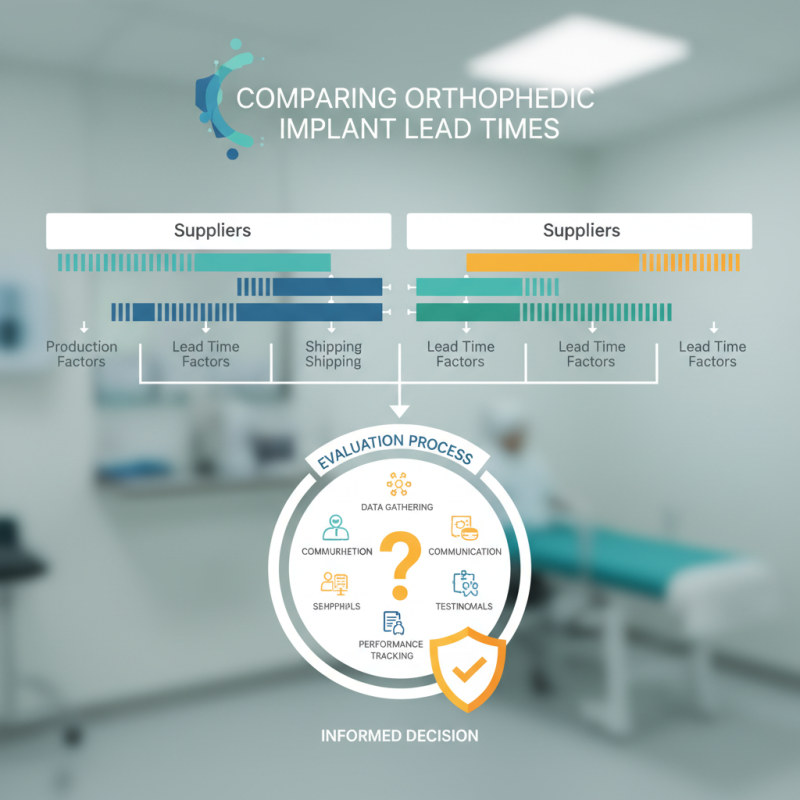
Lead times in orthopedic implant manufacturing are influenced by many factors. One key element is raw material availability. If the materials are scarce or delayed, production can stall significantly. This situation often leads to longer wait times for medical facilities and patients. Manufacturers must constantly evaluate their supply chain to ensure smooth operations.
Another crucial factor is the complexity of the design. Customized implants require more intricate processes and skilled labor. This can extend lead times if specialized machines or tools are needed. Quality control measures also play a role. Stringent testing requirements can slow down production but are essential for patient safety.
Manufacturers should also consider workforce skills. Skilled labor is vital for efficient production, yet finding qualified personnel can be challenging. Innovations in manufacturing techniques can sometimes offset these delays, but integrating new methods takes time. Industry trends and regulations can further complicate lead times. Keeping abreast of these changes is essential for suppliers aiming to maintain their market position.
When evaluating lead times for orthopedic implants, key metrics provide essential insights. One important metric is consistent delivery performance. Studies show that over 30% of orthopedic suppliers struggle to meet deadlines. Reliability in lead times can directly impact surgical schedules and patient outcomes.
Another metric is order fulfillment accuracy. A 2022 report highlighted that inaccurate shipments led to 15% increased costs for healthcare providers. Ensuring that the right products arrive on time saves money and enhances trust. Speed and efficiency in communication also play critical roles, as stakeholders need real-time updates on shipments.
Tips: Regularly analyze supplier performance. Use a scoring system to rate them based on these key metrics. This will help identify areas for improvement. Consider conducting annual audits to evaluate lead time reliability. Emphasizing transparent communication can reduce issues that lead to delays.
When comparing lead times for orthopedic implant suppliers, it's vital to gather accurate data. Start by documenting each supplier's proposed lead time. Note any variations in their timelines, even minor differences. This meticulous approach enables better decision-making. Utilize a standardized template to ensure consistency. You could lose potential efficiency with discrepancies in data collection.
Engaging in direct communication with suppliers offers deeper insights. Inquire about factors that may influence their lead times. Understanding production capacity and material sourcing can reveal potential delays. A supplier might have a short lead time on paper, but unforeseen issues could arise. This highlights the importance of relationships and trust in the process.
Analyze lead time data over several months. Trends can emerge that aren't visible in short-term evaluations. If a supplier frequently misses deadlines, it may indicate underlying issues. Conversely, a supplier with consistent performance may deserve more trust. Always remain adaptable and re-evaluate your priorities. Balancing speed with quality is a challenge worth reflecting upon.
Lead times for orthopedic implants can vary significantly due to several supply chain factors. Understanding these variables is crucial for healthcare providers. A recent industry report highlighted that 40% of delays are linked to raw material shortages. These shortages can stem from geopolitical tensions or natural disasters, impacting global supply chains. Disruptions can increase lead times from weeks to months.
Transportation logistics also play a vital role. According to studies, nearly 30% of delays are associated with shipping and customs processes. Regulatory compliance requirements can complicate import and export operations. This complexity leads to unpredictability in delivery schedules.
Supplier reliability remains essential in managing lead times. A 2022 survey indicated that 60% of healthcare professionals reported challenges in sourcing reliable suppliers. Frequent changes in inventory and order fulfillment practices can lead to inconsistency. This inconsistency further emphasizes the need for robust partnerships and contingency planning in the orthopedic supply chain. Relying solely on a single supplier may increase risks and delivery times.
| Supplier | Average Lead Time (Days) | Geographic Reach | Production Capacity (Units per Month) | Compliance Certifications |
|---|---|---|---|---|
| Supplier A | 15 | North America | 5000 | ISO 13485, CE |
| Supplier B | 20 | Europe | 4000 | ISO 9001, FDA |
| Supplier C | 10 | Asia | 6000 | ISO 13485, MDSAP |
| Supplier D | 25 | Global | 3000 | ISO 9001, CE |
When comparing lead times for orthopedic implant suppliers, effective tracking tools are crucial. Utilizing software that offers robust analytics helps identify trends in delivery times. Reports from the Orthopedic Manufacturers Association indicate that timely deliveries can reduce patient wait times and improve surgical scheduling.
Defining key performance indicators (KPIs) is essential. Metrics like on-time delivery rates and order fulfillment times give insight into supplier reliability. Some studies reveal that delays in implant availability can extend surgery timelines, negatively impacting patient care.
Tips: Create a dashboard to visualize lead times. Regularly update it with data for clarity. Engage suppliers by discussing lead time expectations. This enhances communication and may prompt them to improve their process. Reflecting on lead time discrepancies can lead to better supplier relationships.
: Key factors include raw material availability, design complexity, quality control, and workforce skills.
Scarce materials can stall production, leading to longer wait times for patients and healthcare facilities.
Customized designs require intricate processes and skilled labor, which can enhance lead times.
Stringent quality testing is vital for safety, but it can also slow down production.
Skilled labor ensures effective production, but finding qualified workers can be challenging.
Consistent delivery performance and order fulfillment accuracy are key metrics for assessment.
Inaccurate shipments can lead to higher costs and disrupt surgical schedules.
Regular analysis of supplier performance and transparent communication can help in identifying issues.
Industry changes can complicate lead times, affecting market position for suppliers.
Annual audits can help in evaluating performance and pinpointing areas for improvement.
When considering how to compare lead times between different orthopedic implants suppliers, it's essential to understand the various factors that can influence manufacturing timelines. These factors include production capacity, material availability, technology used in manufacturing, and regulatory compliance. By assessing these variables, stakeholders can gain insights into potential delays and efficiency in supply chains.
Key metrics for evaluating lead time performance may encompass order fulfillment rates and average delivery times. Implementing effective strategies for comparing lead times can involve creating standardized evaluation criteria and utilizing tools for tracking and analyzing lead times across suppliers. Understanding the intricate supply chain variables is critical in making informed decisions that enhance operational efficiency and ultimately ensure timely delivery of orthopedic implants.

Marin-one Medical