What Factors Influence Compatibility of Orthopedic Implants with Tools?

Time:2026-06-22 Author:Sienna
0%

The compatibility of orthopedic implants with surgical tools is crucial for successful surgeries. Many factors influence this compatibility. Understanding these factors can improve surgical outcomes and patient recovery.

What factors affect the compatibility of orthopedic implants with surgical tools? Material properties play a significant role. The choice of metals, plastics, or ceramics directly impacts how well tools interact with implants. Surface finish is another critical aspect. A rough surface may hinder tool movement, while a smooth finish can enhance precision.

Additionally, the design of the implant and tools matters. Aligning shapes and sizes ensures better functionality. However, not all current designs meet this requirement. Some healthcare providers still use outdated tools, leading to inefficiencies. Awareness and adaptation are needed to rectify these gaps in patient care.
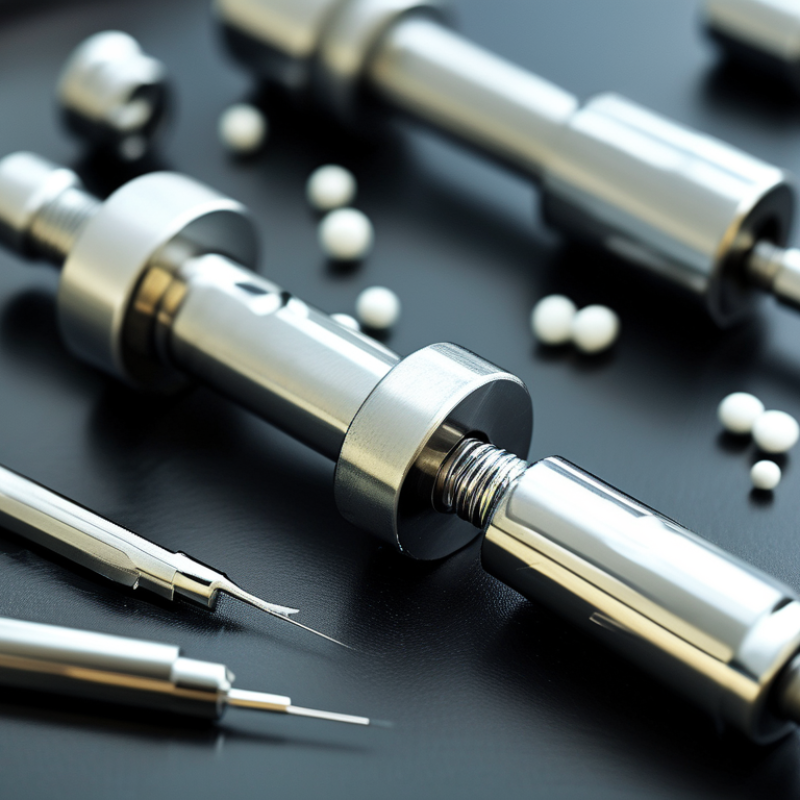
What Factors Influence Compatibility of Orthopedic Implants with Tools?

Factors Affecting Material Selection for Orthopedic Implants

The selection of materials for orthopedic implants is crucial for their compatibility with surgical tools. Key factors include biocompatibility, strength, and wear resistance. Biocompatibility ensures that the material does not provoke an immune response. Metals, ceramics, and polymers are often chosen based on their interactions with human tissue.

One must also consider the mechanical properties of materials. Implants must withstand daily stresses without failure. For instance, titanium is popular due to its high strength-to-weight ratio. However, it can be more challenging to machine with standard tools, which can lead to inconsistencies.

Review the machining processes to ensure that they match the material properties.

Tips: Always test new materials in a controlled setting. Understand how the material interacts with surgical tools. Minor discrepancies in compatibility can lead to significant issues during surgery. Continuous testing and feedback from orthopedic professionals can guide material selection and improve outcomes.

Mechanical Compatibility Between Implants and Surgical Tools

The mechanical compatibility between orthopedic implants and surgical tools is a critical factor in successful surgeries. The geometry of both implants and tools significantly affects their interaction. Any mismatch can lead to increased risks during the procedure. For instance, tools must fit securely in the implant sites, ensuring stability. If the tools are too loose or too tight, it can hinder the delicate process of placement.

The materials used in both implants and tools also play a vital role. Implants often require specific durability and flexibility. Surgical tools must complement these characteristics to avoid complications. A rigid tool might damage a softer implant, while a flexible tool might not provide the necessary support. Careful consideration of these elements is essential for surgeons to ensure they use the best configuration during operations.

Reflecting on mechanical compatibility raises questions. Are current standards rigorous enough? Do we fully understand the implications of material interactions in high-stress environments? Addressing these concerns could lead to improved outcomes in orthopedic surgeries. The ongoing research in this area emphasizes the need for precise engineering to enhance the synergy between implants and tools.

Surface Finish and Its Role in Implant-Tool Compatibility

The surface finish of orthopedic implants significantly impacts their compatibility with surgical tools. A smooth finish can reduce wear and tear during procedures. An inner surface that is polished allows for easier handling. However, achieving the right balance is crucial. Too smooth can lead to slippage during operation, which can be problematic.

The texture and roughness of the implant surface also play a role. A rougher finish can enhance grip but may create stress concentrations. These stress points can lead to earlier wear or failure. Some argue that different tools require different finishes to ensure compatibility. A one-size-fits-all approach may not be effective.

Maintaining a standard for surface finish in orthopedic implants is essential. However, the industry still lacks clear consensus on what that standard should be. Striking the right balance between tool compatibility and implant performance remains an ongoing challenge. Each design must be evaluated for how it interacts with surgical tools. There's room for improvement in research and development practices in this area.

Biocompatibility and Its Influence on Implant Performance

Biocompatibility plays a crucial role in the success of orthopedic implants. A study by the Journal of Biomedical Materials Research indicates that over 50% of implant failures are linked to biocompatibility issues. An implant that does not interact harmoniously with surrounding tissues can lead to inflammation or rejection. It’s essential to choose materials that minimize adverse reactions while promoting integration.

The choice of materials significantly affects an implant's functionality. Titanium and certain alloys exhibit excellent biocompatibility due to their corrosion resistance and stability. According to a report from the World Health Organization, titanium has a lower infection rate compared to other materials, enhancing long-term implant performance. However, certain polymers can also offer superior flexibility and reduced weight. The balance between strength and compatibility remains a challenging aspect for manufacturers.

Despite advancements, challenges remain in fully understanding biocompatibility. Research from the National Institutes of Health highlights that individual patient responses can vary widely. Factors like age, health conditions, and lifestyle may influence outcomes. Continuous evaluation and innovation are needed to improve the compatibility of orthopedic materials with biological systems. Exploration of new biomaterials may lead to enhanced integration and reduced complications.

Design Considerations for Enhanced Compatibility with Tools

Orthopedic implant design must prioritize compatibility with surgical tools. This alignment ensures effective procedures, reduces complications, and improves patient outcomes. According to a report by the Journal of Orthopedic Research, compatibility issues can lead to increased revision surgeries, with a failure rate of up to 25% in certain implant types.

The material selection is crucial. Titanium and cobalt-chromium alloys are common due to their strength and biocompatibility. However, these materials can be challenging to work with. Surgical instruments must accommodate various implant geometries. A mismatch can complicate surgeries and extend operating times. Data shows that surgical delays of even 10 minutes can increase infection risk by 5%.

Designing implants that facilitate tool access is essential. Features like tapered ends can help. Yet, not all designs achieve the desired effect. Feedback from surgeons emphasizes the need for prototypes that undergo rigorous testing. Moreover, real-world data indicates that ergonomic designs reduce surgeon fatigue, leading to better performance. Balancing aesthetics with functionality is necessary, but often overlooked. These aspects warrant continuous improvement to enhance surgical precision.

FAQS

: Why is mechanical compatibility important in orthopedic surgeries?

: Mechanical compatibility ensures that implants and tools interact correctly, reducing risks during surgical procedures.

What happens if there is a mismatch between tools and implants?

A mismatch can lead to instability and hinder precise placement, increasing the risk of complications.

How do material properties affect surgical tools and implants?

The materials must complement each other. For example, a rigid tool may damage a softer implant, affecting performance.

What is the significance of surface finish in implant compatibility?

A smooth finish can reduce wear, while a rough texture may enhance grip, but it needs careful balance.

Can a one-size-fits-all approach work for surface finishes?

This approach is often ineffective. Different tools and implants may require specific finishes for optimal compatibility.

Are there clear standards for surface finishes in orthopedic implants?

The industry lacks consensus on surface finish standards, creating challenges in ensuring compatibility.

What questions arise about current engineering standards?

Are current standards rigorous enough? Do we fully understand material interactions under stress? Reflecting on these is crucial.

How can improvements be made in this field?

More precise engineering and clearer standards can enhance the compatibility between surgical tools and orthopedic implants.

What is a potential issue with an overly smooth implant surface?

An overly smooth surface might cause slippage during operations, which can lead to complications.

What are the ongoing challenges in research and development?

Striking a balance between tool compatibility and implant performance remains a significant challenge for researchers.

Conclusion

The compatibility of orthopedic implants with surgical tools is influenced by several key factors. First, the selection of materials plays a crucial role, as varying mechanical properties can affect how implants interact with tools during procedures. Mechanical compatibility is essential, ensuring that both implants and tools can work harmoniously without compromising the structural integrity of either component. Additionally, the surface finish of implants significantly affects friction and wear during surgical manipulation, which is vital for maintaining instrument effectiveness.

Furthermore, biocompatibility is paramount; materials must not evoke adverse reactions in the body, as this could impact the overall performance of the implant. Lastly, thoughtful design considerations can enhance compatibility with surgical tools, facilitating smoother operations and reducing the potential for complications. Overall, understanding what factors affect the compatibility of orthopedic implants with surgical tools is essential for optimizing surgical outcomes and improving patient safety.

Sienna

Sienna

Sienna is a skilled marketing professional with a deep expertise in our company’s core products and services. With a passion for innovation and detail, she plays a pivotal role in crafting insightful blog posts that not only highlight the unique features of our offerings but also provide valuable......