In modern orthopedics, "Gamma Nails" have emerged as a pivotal solution for treating femoral fractures. According to the American Academy of Orthopaedic Surgeons, around 1.6 million hip fractures occur annually in the U.S. alone, highlighting a critical need for effective fixation methods. Gamma Nails provide robust internal fixation, improving patient recovery times and outcomes.
These nails are designed to stabilize complex fractures, particularly in elderly patients. The unique design enables a less invasive surgical approach. Studies suggest that using Gamma Nails can reduce complications compared to traditional methods. However, their application is not without challenges. Surgeons must carefully assess each case to ensure optimal results.
As the demand for effective orthopedic interventions rises, understanding Gamma Nails becomes crucial. Their role in enhancing recovery and minimizing surgical risks cannot be ignored. But, there is a need for ongoing research to evaluate long-term outcomes and complications associated with their use. Ultimately, refining these practices will be key to advancing orthopedic care.
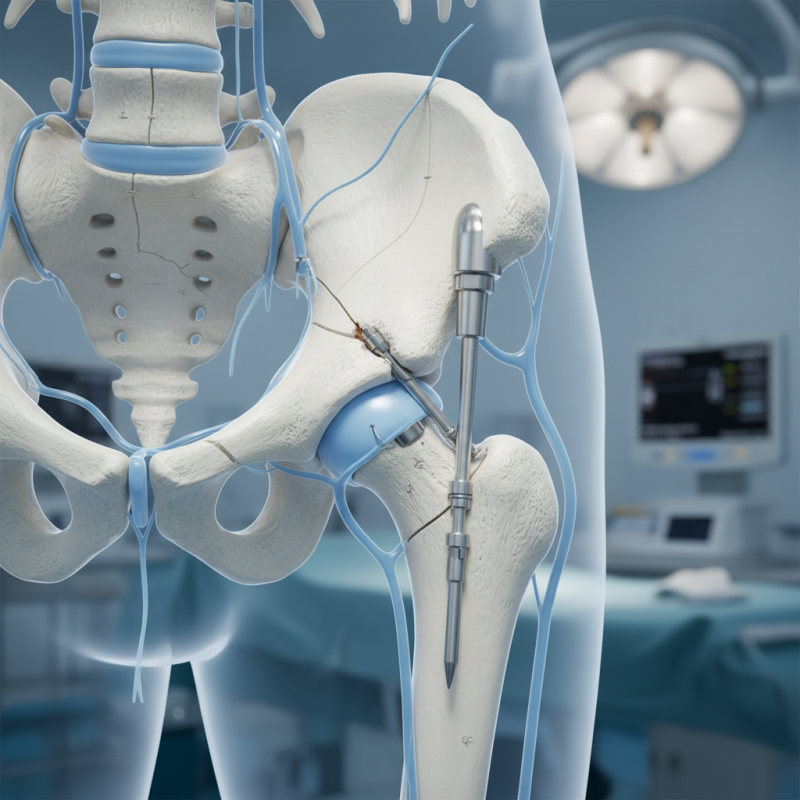
Gamma nails are specialized orthopedic instruments used for the internal fixation of fractures in the long bones. They are particularly effective for managing certain types of femoral fractures and other lower limb injuries. The design of gamma nails allows for stable fixation, which is crucial for a proper healing process. These nails are inserted into the intramedullary canal, making them less invasive compared to external fixation methods.
Surgeons often utilize gamma nails in complex fracture cases. The procedure typically involves an incision at the site of the fracture. The gamma nail is then introduced through this small opening, aligning it with the bone. Though this technique is effective, it is not without its challenges. For instance, achieving the correct alignment can be difficult, and misplacement may lead to complications.
The use of gamma nails has sparked discussions among orthopedic professionals. Some argue that the outcomes are generally favorable, while others highlight the risks involved. The learning curve for surgeons can also lead to variability in results. Understanding these intricacies is essential for improving surgical practices and patient outcomes in orthopedic care.
Gamma nails have a fascinating history rooted in orthopedic innovation. Developed in the late 20th century, these nails were designed to address the challenges of treating femoral fractures. They offered a less invasive approach compared to traditional methods, allowing for quicker recovery times. Over the years, their design has evolved, improving both effectiveness and safety for patients. The aim has always been to provide stability during the healing process.
Tips: Choosing the right surgical method is crucial. Always consult with a skilled orthopedic surgeon to explore options. Personalizing the treatment plan can significantly impact recovery.
While gamma nails have advanced technology, they are not without flaws. Some patients report complications like infections or improper alignment. It is essential for both surgeons and patients to monitor potential issues closely. Open communication about experiences can lead to better outcomes.
Tips: Keep a symptom diary after surgery. Note any discomfort or changes in your condition. This information can be invaluable for follow-ups, helping healthcare providers adjust care plans effectively.
Gamma nails are a specialized device used in orthopedic surgery to treat bone fractures. Their design allows for strong internal stabilization. This type of nail is particularly effective for certain types of long bone fractures, like those in the femur. The process involves inserting the nail into the bone canal after fracture alignment. It's crucial to ensure correct placement during this step.
The mechanism of action is straightforward yet effective. Once the gamma nail is in place, it supports the fractured bone fragments. The nails engage with the bone, allowing for early mobility and reducing healing time. This stability is crucial for the body’s natural healing process. Yet, not every case can benefit from this approach. Complications can arise, and the surgeon must assess each situation carefully.
Patients may experience discomfort during recovery. Some may find the adjustment challenging. Physical therapy plays a vital role in regaining strength. Open communication with healthcare professionals can help address concerns. It's important to understand that each body responds differently. The healing journey can be unpredictable, requiring patience and perseverance.
Gamma nails are a type of internal fixation used in orthopedic surgery. They are specifically designed for treating fractures of the femur, notably those that occur in the hip region. Their unique design allows for the stabilization of the broken bone while promoting proper healing. According to recent reports, Gamma nails significantly reduce recovery times. Studies show that patients often regain full mobility quicker compared to traditional casting methods.
The indications for using Gamma nails include unstable intertrochanteric fractures and certain subtrochanteric fractures. They are especially useful for elderly patients, who are at higher risk for complications. One major advantage is that they require minimal surgical exposure. This leads to less soft tissue damage and reduced infection risks. A study indicated that overall complication rates are about 10% lower in gamma nail procedures compared to conventional methods.
Tips: Proper positioning during surgery is crucial. Misalignment can lead to complications. Surgeons should also ensure that the nail size matches the patient's anatomy for optimal results. Continuous evaluation is key. Even with advanced techniques, some patients may still experience discomfort during recovery. Monitoring pain levels and mobility will help adjust rehabilitation programs accordingly.
Gamma nails are an advanced tool for treating femoral fractures. However, they come with potential risks and complications. A study from the Journal of Orthopaedic Trauma reports that complications occur in up to 20% of patients. These issues can include infection, malalignment, and non-union of fractures.
Infection rates vary considerably. Some reports indicate that infections can occur in about 5% of cases. This is a significant concern, especially in certain demographics, such as the elderly. Malalignment can lead to prolonged recovery times and pain. Studies show that this complication can affect around 10% of patients.
Another potential problem is the risk of adjacent joint injuries. Some patients may experience issues with their hip or knee joints. This may happen due to improper nail placement. Monitoring and post-surgery rehabilitation are crucial. Ensuring long-term outcomes requires careful planning and patient adherence. Reflecting on these risks can help improve protocols and patient education. Balancing the benefits with these risks is essential for optimal recovery.
| Aspect | Description |
|---|---|
| Definition | Gamma nails are specialized intramedullary nails used to stabilize fractures, especially in the femur. |
| Mechanism of Action | They are inserted into the medullary canal and provide stability while allowing for weight-bearing. |
| Indications | Used primarily for treating unstable femoral fractures, especially in elderly patients. |
| Potential Benefits | Minimally invasive procedure, quicker recovery time, and reduced hospital stay. |
| Risks and Complications | Infection, non-union of fracture, malalignment, and implant failure are potential risks. |
| Postoperative Care | Includes physical therapy, regular check-ups, and monitoring for complications. |
| Long-term Outcomes | Many patients regain function and mobility, but outcomes can vary based on patient factors. |
: Gamma nails are used in orthopedic surgery to treat bone fractures, especially in the femur.
They provide internal stabilization by supporting fractured bone fragments, allowing for early mobility and healing.
Complications can include infection, malalignment, and non-union of fractures in some patients.
Complications can occur in up to 20% of patients, as reported in various studies.
Keeping a symptom diary post-surgery can help track discomfort and changes for follow-ups.
Yes, physical therapy is vital for regaining strength and mobility after surgery.
Not every case is suitable for gamma nails; each patient's situation needs careful assessment.
Open communication with healthcare professionals about experiences can lead to better outcomes.
Infection rates can be about 5%, making it a significant concern, especially for certain populations.
Rehabilitation helps ensure proper healing and addresses complications like malalignment or joint injuries.
Gamma Nails are a specialized surgical device used primarily for the treatment of certain types of bone fractures, particularly in the femur. Developed to provide stable fixation, these nails facilitate the healing process by offering internal support. The history and evolution of Gamma Nails demonstrate improvements in design and functionality, enhancing their effectiveness in clinical settings.
The mechanism of action involves the insertion of the Gamma Nail into the medullary cavity of a fractured bone, allowing for the precise alignment of fracture fragments. Indications for use include specific fracture patterns and conditions where traditional external fixation may not be suitable. The advantages of Gamma Nails include reduced recovery time and minimal invasiveness. However, potential risks and complications, such as infection or malunion, should be carefully considered by healthcare providers when determining the best course of treatment.
Marin-one Medical