Top 5 Key Specifications to Check Before Buying Orthopedic Implants?

Time:2026-05-19 Author:Liam
0%

When considering orthopedic implants, it's crucial to focus on specific criteria. Patients often overlook important details when making their choices. Understanding what to prioritize can greatly impact surgical outcomes.

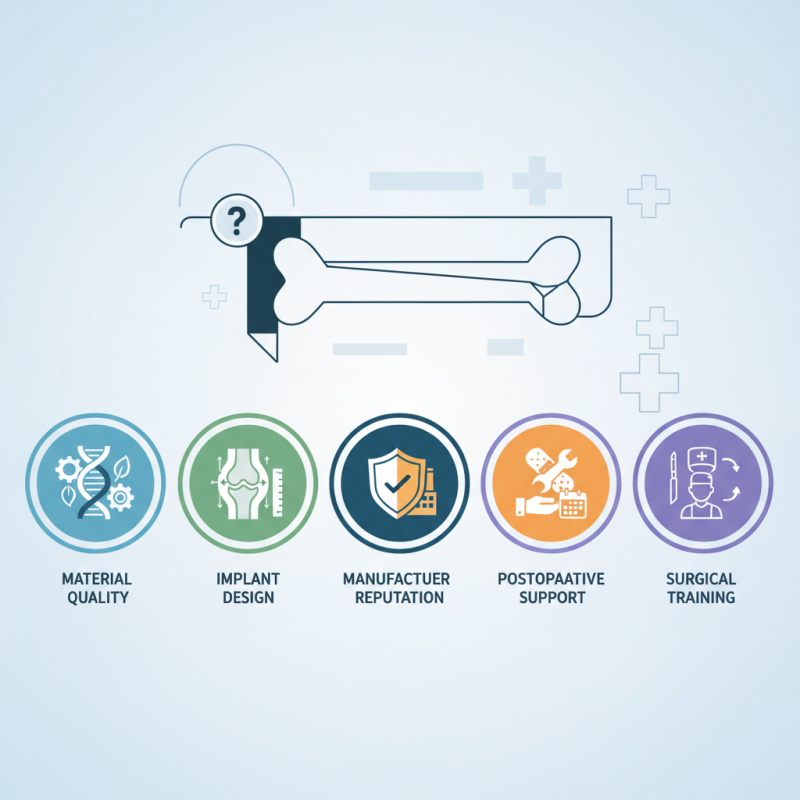
What are the key specifications to verify before buying orthopedic implants? Each implant comes with unique features that affect functionality and patient safety. Quality of materials used is vital; they should be biocompatible and durable. The design of the implant must match the specific anatomical needs of the patient.

It's also essential to consider the manufacturer's reputation. Reliable brands have undergone rigorous testing and have a track record of success. Additionally, postoperative support and availability of surgical training can influence long-term results. In a field where precision is paramount, careful evaluation can prevent complications and ensure patient satisfaction.
Top 5 Key Specifications to Check Before Buying Orthopedic Implants?

Essential Material Types Used in Orthopedic Implants

When considering orthopedic implants, the materials used are crucial. Common materials include titanium, stainless steel, and polymer-based composites. Each material has unique properties that affect durability and compatibility with the human body. Titanium is lauded for its strength and biocompatibility, while stainless steel is often chosen for its affordability and resistance to corrosion. Understanding these materials helps in making informed decisions.

Tips: Always inquire about the specific material of an implant. This can impact healing and overall recovery.

Polymer-based materials like polyethylene are frequently used for joint replacements. They can provide good wear resistance and lower friction, which is vital for implant longevity. However, some polymers can degrade over time. It's essential for patients to discuss these factors with their healthcare providers.

Consider the long-term implications of the material choices. Some implants may perform well initially but could lead to complications later on. Regular follow-ups with medical professionals can help identify potential issues early.

Tips: Discuss both short-term and long-term material effects with your doctor. Knowledge is your best ally.

Understanding Implant Design and Its Impact on Functionality

When considering orthopedic implants, the design is crucial for functionality. The shape and materials dictate how well the implant integrates with bone. For instance, titanium is popular for its strength and compatibility. This material helps in minimizing rejection. However, not all titanium implants are created equally. Variations in alloy composition can affect performance.

Another significant aspect is the surface texture of the implant. A rougher surface can promote bone integration, which is vital for stability. Smooth surfaces may allow for easier insertion but can lead to complications later on. Not every implant design works for every patient, and that’s where personalization comes in. Each individual’s anatomy varies, necessitating tailored solutions.

Choosing an implant without thorough research can backfire. Some designs might look promising on paper but can result in higher failure rates in practice. Consulting with orthopedic surgeons is essential. They have the experience to interpret the nuances of design and functionality. A careful approach can lead to better outcomes and improved quality of life.

Importance of Sterilization and Biocompatibility Testing

When considering orthopedic implants, sterilization and biocompatibility testing are crucial. These processes ensure that the implants are safe for the human body. Proper sterilization eliminates harmful bacteria and viruses, reducing the risk of infections post-surgery. An implant needs to be free from any contaminants. This step is non-negotiable for patient safety.

Biocompatibility testing evaluates how the material interacts with body tissues. Implants can be made from various materials, including metals and polymers. Each can react differently in the human body. Testing helps identify potential allergic reactions or other negative responses. It ensures that the implant supports healing without causing harm.

While many manufacturers follow strict protocols, there are occasional lapses. Some might cut corners to save time or cost. This makes it vital for healthcare professionals to do their due diligence. They should request detailed testing reports and certifications. Transparency in these areas builds trust and confirms the safety of the implants.

Top 5 Key Specifications to Check Before Buying Orthopedic Implants

Specification Description Importance
Material Composition Details on the metals or polymers used in the implant Ensures strength and compatibility with body
Sterilization Process Methods used to sterilize implants, e.g., ethylene oxide, gamma radiation Reduces risk of infection post-surgery
Biocompatibility Testing to ensure material does not provoke a harmful response Essential for patient safety and recovery
Mechanical Properties Strength, durability, and flexibility of the implant materials Guarantees the longevity of the implant in the body
Regulatory Approval Certification by regulatory bodies such as FDA or CE Ensures compliance with safety standards

Analyzing Load-Bearing Capacity and Durability Standards

When considering orthopedic implants, load-bearing capacity is crucial. These implants must withstand significant stress during daily activities. Their ability to support body weight and movement directly impacts recovery and functionality. High-quality materials often provide superior strength, but this can vary between different implants. The metrics used to test load-bearing capacity should align with real-world applications.

Durability standards are equally important. Implants should maintain their integrity over time, even under heavy use. Factors like fatigue resistance and wear characteristics must be evaluated. Engineers often conduct rigorous testing to replicate the conditions an implant will face. Poor durability could lead to complications, requiring additional surgeries.

It’s essential to analyze data from various sources. Relying solely on one study may lead to misguided choices. Look for peer-reviewed research that confirms the reliability of these specifications. Implant performance can be unpredictable, and every case may differ. Understanding these nuances is crucial for making informed decisions.

Evaluating Manufacturer Reputation and Product Warranty Options

When considering orthopedic implants, evaluating the manufacturer’s reputation is crucial. A company's track record can reflect product quality and reliability. According to a study by the Global Orthopedic Implants Market, 68% of orthopedic professionals prioritize reputation when selecting implant suppliers. This statistic emphasizes the importance of choosing companies with proven success and positive feedback from healthcare providers.

Additionally, product warranty options play a significant role in purchasing decisions. Well-structured warranties can offer peace of mind. A study published in the Journal of Orthopedic Research indicates that implants with warranties of five years or more are often linked to higher customer satisfaction rates. These warranties can provide a safety net in case of complications or product failures.

Despite the value of reputation and warranties, potential buyers must reflect on their choices. A reputable company may not always guarantee the perfect fit for every patient. Warranties can vary significantly between manufacturers, sometimes lacking clarity. It’s essential to delve deeper rather than relying solely on surface-level reputation or warranty length. Making informed decisions requires thorough research and critical evaluation of available options.

Top 5 Key Specifications to Check Before Buying Orthopedic Implants

This bar chart illustrates the key specifications to consider when evaluating orthopedic implants, focusing on factors such as Material Quality, Biocompatibility, Manufacturer Reputation, Product Warranty, and Regulatory Approval.

FAQS

: What materials are commonly used in orthopedic implants?

: Common materials include titanium, stainless steel, and polymer-based composites. Each has unique properties affecting durability.

Why is titanium favored for orthopedic implants?

Titanium is known for its strength and excellent compatibility with the human body, reducing rejection risks.

What are the concerns with polymer-based materials in implants?

Polymer materials like polyethylene can wear down over time, impacting implant longevity. Discuss these factors with your doctor.

How does implant design affect functionality?

The shape and material of an implant influence its integration with bone. A rough surface can enhance stability, unlike a smooth one.

Why is sterilization important for orthopedic implants?

Proper sterilization eliminates harmful bacteria, reducing the risk of infections post-surgery. It's vital for patient safety.

What is biocompatibility testing?

Biocompatibility testing evaluates how materials interact with body tissues, ensuring they support healing and do not trigger negative responses.

How can patients ensure implant safety?

Patients should ask healthcare providers for detailed testing reports on implants. Transparency helps build trust in the safety of devices.

Are all titanium implants the same?

No, variations in alloy composition can affect the performance of titanium implants, making thorough research essential.

What should patients consider regarding long-term effects of implants?

Some implants might perform well initially but can cause complications later. Regular follow-ups with doctors are important for monitoring.

Why may consulting with orthopedic surgeons be beneficial?

Surgeons understand the nuances in design and functionality, guiding patients towards better implant choices for improved quality of life.

Conclusion

When considering the purchase of orthopedic implants, it is crucial to understand "what are the key specifications to verify before buying orthopedic implants." First, one should examine the essential material types used in the implants, as these can significantly affect their performance and longevity. It is also important to understand the design of the implant and how it influences functionality, ensuring that it aligns with the specific medical needs of the patient.

Another critical aspect is the importance of sterilization and biocompatibility testing, which are vital for patient safety and successful integration with the body. Additionally, analyzing the load-bearing capacity and durability standards of the implants will assure their effectiveness under stress and over time. Lastly, evaluating the reputation of the manufacturer and the available product warranty options can provide further assurance of the implant's quality and reliability. Overall, thorough research on these specifications can lead to better outcomes in orthopedic care.

Liam

Liam

Liam is a dedicated marketing professional with a profound expertise in the industry, where he excels at highlighting the unique advantages of our core products. With a keen understanding of market trends and consumer needs, Liam frequently updates our company’s professional blog, providing......