The global orthopedic implant market is projected to reach $66.6 billion by 2026, highlighting the need for safety and efficacy. With over 700,000 hip and knee replacement surgeries performed annually in the U.S. alone, ensuring implant quality is crucial. This leads us to the question: Why do orthopedic implants need to meet FDA regulations for import?
FDA regulations guarantee that orthopedic implants undergo rigorous testing. This is vital to prevent malfunction or complications that could endanger patients. Inadequate oversight can lead to devastating outcomes, including infections or device failures. Studies show that about 25% of recalled products are orthopedic devices. This poses a significant risk to those who rely on these implants for improved mobility.
Moreover, the regulatory process enhances trust between manufacturers and healthcare providers. It ensures that healthcare professionals can rely on implant quality. Yet, some companies may take shortcuts, compromising safety for profit. This raises ethical concerns and undermines patient welfare. Ensuring compliance with FDA import regulations is not just a legal requirement; it’s a moral responsibility for industry leaders.
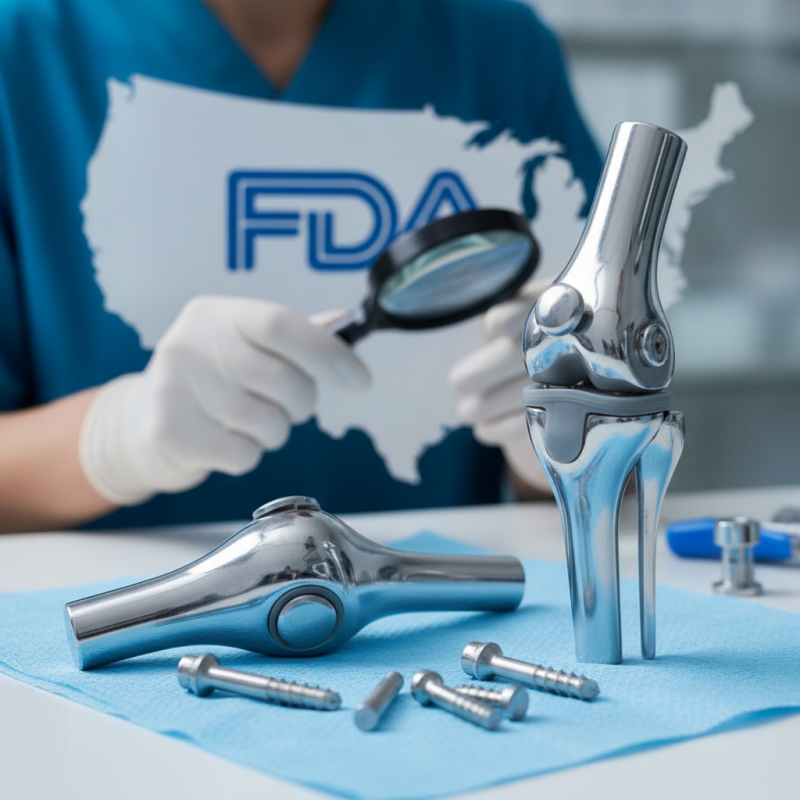
Orthopedic implants are crucial in treatment. They help patients regain mobility and quality of life. However, ensuring their safety and effectiveness is essential. This is where FDA import regulations come into play.
The FDA mandates rigorous testing and documentation for orthopedic implants entering the U.S. market. Manufacturers must provide details on their production processes. They need to show that implants meet safety standards. If a product does not comply, it can be rejected at customs. Issues like improper labeling or incomplete records can lead to significant delays.
Some manufacturers may overlook these regulations. They might prioritize speed over compliance. This can lead to costly recalls and reputational damage. Import regulations are not just red tape. They are vital in protecting public health and ensuring quality in orthopedic solutions. Adhering to these guidelines ultimately benefits everyone involved.
| Regulation Aspect | Description | Example |
|---|---|---|
| FDA Approval | Orthopedic implants must receive premarket approval (PMA) or be cleared through the 510(k) process. | Total Knee Replacement Device |
| Labeling Requirements | Implants must include FDA-required labeling information such as indications for use and contraindications. | Hip Implant Instructions for Use |
| Registration and Listing | Manufacturers must register their facilities and list their devices with the FDA. | Spinal Fusion Device Facility Registration |
| Import Inspection | Imported orthopedic implants are subject to inspection at the port of entry by FDA officials. | Inspection of Imported Joint Replacement Devices |
| Compliance with Quality Systems | Manufacturers must comply with the FDA's Quality System Regulation (QSR). | Quality Assurance for Orthopedic Devices |
standards important for orthopedic devices?
Non-compliance may lead to recalls, fines, and serious health risks for patients.
Over 400,000 orthopedic procedures occur annually, highlighting the need for strict compliance.
Companies may face financial penalties, product recalls, and loss of patient trust.
Devices could be detained at customs, delaying necessary treatment for patients.
Legal costs for violations can reach millions, severely damaging a company's reputation.
Yes, recalls cause supply chain interruptions, delaying treatment and impacting patient outcomes.
Continuously assess their processes and fully understand FDA regulations to avoid mistakes.
No, risks extend to affecting healthcare providers and patient safety as well.
It is challenging; transparency and consistent compliance efforts are essential for rebuilding trust.
Orthopedic implants play a crucial role in medical treatments, making it essential for them to comply with FDA import regulations. Why do orthopedic implants need to meet FDA regulations for import? The answer lies in ensuring patient safety and product efficacy. Compliance with FDA standards guarantees that these devices undergo rigorous testing and evaluation, which helps to minimize risks associated with surgical procedures.
Non-compliance with FDA regulations can lead to severe consequences, including recalls, legal liabilities, and damage to a manufacturer’s reputation. As the demand for orthopedic devices grows, maintaining quality control throughout the manufacturing process becomes increasingly vital. Looking ahead, future trends may result in even stricter FDA regulations, emphasizing the importance of innovation and adherence to standards in the orthopedic implant industry.

 Marin-one Medical