Orthopedic implants play a crucial role in patient recovery and mobility. According to a report by the Global Industry Analysts, the orthopedic implant market is projected to reach $66 billion by 2026. The success of these devices relies significantly on quality control during production. Key industry expert Dr. Sarah Thompson states, "Quality in orthopedic implants is not just preferred; it's essential for patient safety." This highlights the critical nature of stringent quality assurance processes in manufacturing.
Understanding "Why do orthopedic implants require strict quality control during production" is vital. Flawed implants can lead to severe complications, including infections and implant failure. Recent studies indicate that up to 5% of all implants may experience problems. These issues emphasize the need for rigorous testing and quality checks at every production stage. Failures can diminish patient trust and lead to costly legal disputes.
In the constantly evolving orthopedic market, meticulous attention to detail is non-negotiable. Each implant must meet specific regulatory standards to ensure safety and effectiveness. However, despite these measures, lapses can and do occur. A reflective look at past failures shows the importance of continuous improvement and vigilance in manufacturing processes.
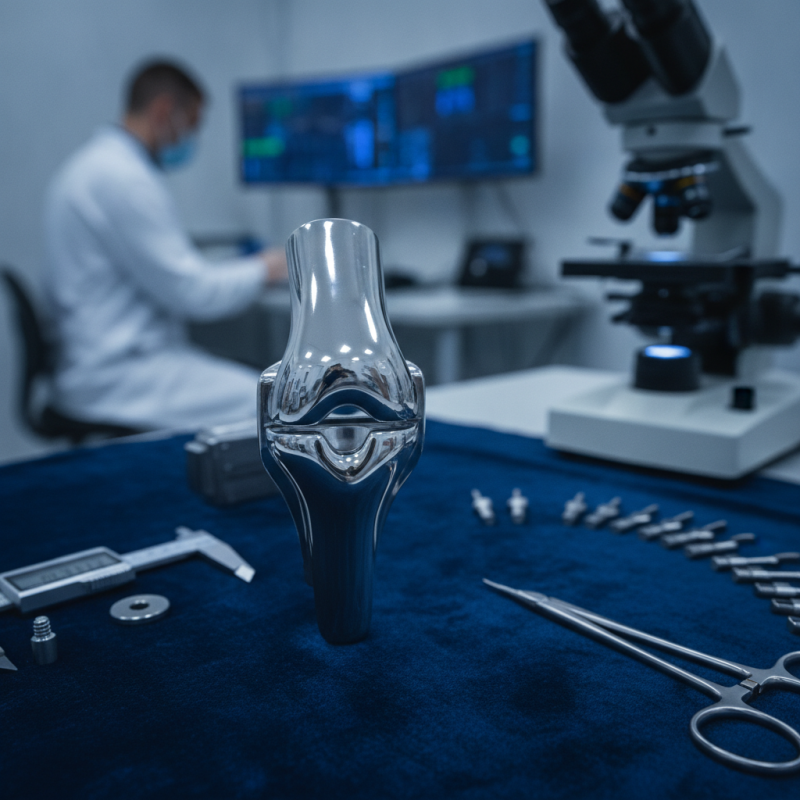
Quality control in orthopedic implant manufacturing is crucial for patient safety. Implants must meet stringent standards to ensure they perform correctly. Various factors can affect their quality, such as material defects, procedural errors, and design flaws. Any of these issues can lead to severe complications after surgery.
Regular inspections throughout the manufacturing process can help identify potential problems early. It is important for manufacturers to adopt robust testing protocols. This can prevent faulty implants from reaching hospitals. Understanding the specific requirements for different materials is essential as well. Certain materials may react unpredictably in the human body.
Tips: Focus on what matters. A small flaw can lead to significant implications. Establish a culture of quality among the workforce. Encourage feedback loops to address systemic issues. Continuous training is important for maintaining high standards.
Creating a consistent quality check system can enhance reliability. Each implant should undergo rigorous testing before approval. Take time to analyze failures in quality control. Reflecting on past mistakes can lead to better practices. Quality control is not just a task; it’s an ongoing commitment.
This chart illustrates the key reasons why quality control is essential in the manufacturing of orthopedic implants. Each factor significantly impacts patient safety and the effectiveness of the implants.
Defective orthopedic implants can lead to severe complications for patients. When an implant fails, the patient may face prolonged pain, additional surgeries, and significant emotional distress. A faulty device might not integrate properly with bone or may break under normal stress. This can delay recovery and impact the overall quality of life.
Quality control is crucial in preventing such outcomes. Without stringent testing, defects can go unnoticed. For instance, a minor flaw during manufacturing could escalate into a major failure later on. This highlights the industry’s need for constant vigilance and adherence to established standards.
In the end, ensuring the safety of orthopedic implants is not just about compliance; it’s about safeguarding patient trust and health. A lapse in quality can have dire consequences, prompting the medical community to reflect on current practices.
Orthopedic procedures often involve the use of implants, which play a crucial role in patient recovery. However, studies indicate a significant rate of implant failures. Statistically, failure rates vary by procedure, with some implants failing in up to 15% of cases. This statistic demands attention. Understanding the reasons behind these failures is essential.
The causes of implant failures can range from manufacturing defects to improper surgical techniques. An inadequate quality control process can lead to defects that compromise safety and effectiveness. In some cases, poor material choice results in early wear and tear. As a result, patients may experience pain and require additional surgeries. Ensuring stringent quality control measures can significantly reduce these occurrences.
Monitoring failure rates provides valuable insights. Hospitals and manufacturers can improve practices based on data trends. Regular audits and feedback loops are essential. Emphasizing quality can lead to better outcomes for patients. However, there is still much work to be done in addressing inconsistencies across different facilities and manufacturers. The focus must remain on enhancing the reliability of orthopedic implants to ensure patient safety and satisfaction.
Quality control in orthopedic implants is essential for ensuring patient safety. Regulatory standards for these devices are stringent. Organizations oversee the entire production process. They focus on materials, design, and testing. Compliance with these standards is crucial. Without proper adherence, the risk of implant failure increases significantly.
The complex nature of orthopedic implants means that even minor deviations can have serious consequences. A small flaw in the manufacturing process might lead to complications. Patients rely on the reliability of these devices for mobility. The impact of subpar quality can be devastating. It is important to conduct rigorous testing before market approval.
The role of advanced technologies in enhancing orthopedic implant quality assurance is pivotal. With an estimated 1 in 10 orthopedic implants failing within the first decade, rigorous quality control is crucial. Advanced technologies like 3D printing and AI-driven inspections help manufacturers create precise and durable implants. Reports indicate that the use of AI in defect detection has improved quality assurance by 30%, ensuring high standards are met.
Smart manufacturing techniques, such as IoT sensors, monitor the production environment and material integrity in real-time. These innovations not only reduce human error but also help in tracking the entire lifecycle of an implant. Data shows that over 70% of companies that have adopted such technologies reported a decrease in non-conformance rates. Yet, there remains a consistent challenge in integrating new technologies into traditional production workflows.
Tips for manufacturers include investing in training staff to use these technologies efficiently. Regular audits of quality control processes can identify areas needing improvement too. Collaboration with tech firms can drive better solutions. The industry must balance fast-paced innovation with attention to ongoing quality issues, ensuring that even cutting-edge methods are not susceptible to unforeseen defects.
: Quality control ensures patient safety. Implants must meet strict standards for proper performance.
Material defects, procedural errors, and design flaws can all compromise implant quality.
Regular inspections throughout the manufacturing process help spot problems early on.
Certain materials can react unpredictably in the human body, impacting safety.
Continuous training maintains high standards and encourages a culture of quality within the workforce.
Each implant should undergo rigorous testing before it is approved for use.
Cutting corners increases risks and can lead to severe complications for patients.
Analyzing quality control failures can lead to better practices and improved outcomes.
Regulatory bodies ensure compliance with stringent standards, enhancing safety for patients.
No, quality control is an ongoing commitment to patient well-being and safety.
The manufacturing of orthopedic implants requires strict quality control to ensure patient safety and positive outcomes. Quality control in this field is vital because defective implants can lead to severe complications, impacting both the effectiveness of surgeries and the overall health of patients. Statistics highlight alarming failure rates associated with faulty implants, underscoring the importance of regulatory standards and compliance in maintaining high quality.
Moreover, advanced technologies play a significant role in enhancing implant quality assurance, enabling manufacturers to detect and rectify issues early in the production process. Therefore, understanding why orthopedic implants require strict quality control during production is crucial not only for the safety of patients but also for the integrity of healthcare practices.

Marin-one Medical