In the ever-evolving field of orthopedic surgery, timely delivery of implants is crucial. According to a recent report by the Orthopedic Manufacturers Association, approximately 30% of surgeries face delays due to implant availability issues. This statistic underlines the importance of addressing supply chain inefficiencies.
Dr. Jane Smith, a leading orthopedic expert, emphasizes, “How to avoid delays in orthopedic implants delivery is a shared responsibility among manufacturers, suppliers, and healthcare providers.” Her insight reflects a growing consensus in the industry: collaboration is key to overcoming these challenges.
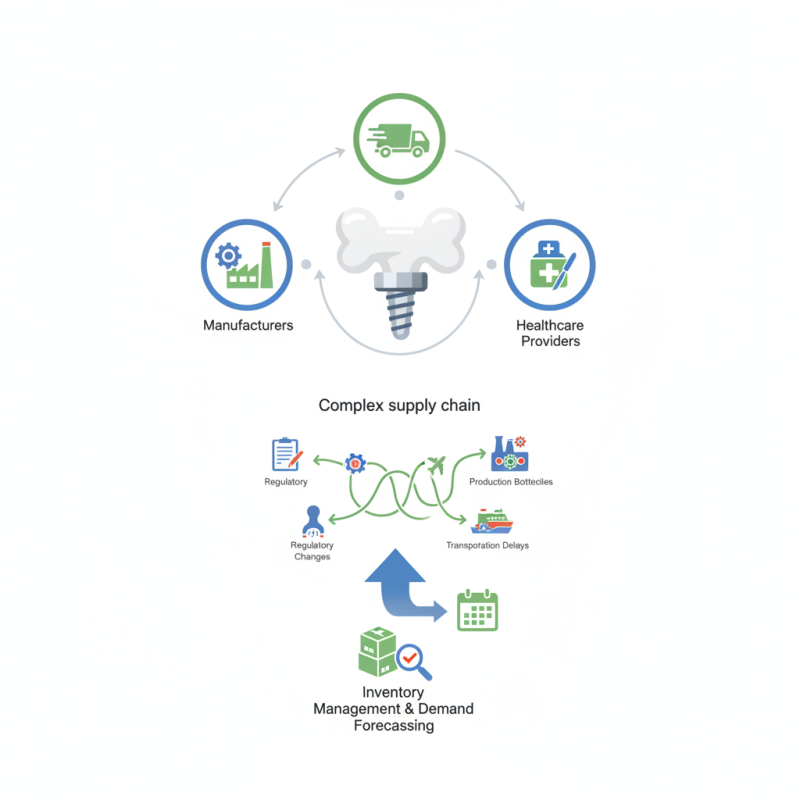
The complexity of the supply chain can lead to significant setbacks. Factors such as regulatory changes, production bottlenecks, or transportation delays often contribute to this issue. A proactive approach involving inventory management and demand forecasting can mitigate these risks. Addressing these hurdles requires not only awareness but also action from all stakeholders involved in the process.
Timely delivery of orthopedic implants is crucial in surgical settings.
Delays can lead to increased costs and negatively impact patient outcomes.
In the orthopedic sector, 35% of procedures are postponed due to supply chain issues.
Understanding the delivery fundamentals can help mitigate these delays.
Effective inventory management is vital.
Hospitals must keep track of implant stocks. A study shows that 60% of hospitals face inventory challenges, risking unavailability.
Having a reliable forecasting system can also help. Data from industry reports indicate that a 10% improvement in demand forecasting reduces delays by nearly 20%.
Collaborating with suppliers enhances transparency.
Regular communication is essential. Many suppliers are overwhelmed, affecting timely deliveries.
A significant number of hospitals report they are unaware of lead times, complicating planning.
Addressing these gaps can streamline processes, ultimately improving surgical timelines and patient care.
Delivery delays in orthopedic implants can stem from several common issues. Supply chain disruptions are a major cause. Natural disasters, political instability, or factory shutdowns can hinder production. These events lead to unanticipated backlogs and extended waiting times for hospitals and patients.
Quality control is another critical factor. If implants fail to meet stringent safety standards, they must be re-evaluated. This process can delay delivery significantly. Communication gaps among suppliers, manufacturers, and medical facilities also contribute to inefficiencies. Often, the right information is not shared promptly, leading to misunderstandings.
An unforeseen surge in demand can further complicate logistics. Manufacturers might struggle to keep pace with rapid changes in requirements. Additionally, outdated tracking systems make it hard to anticipate delays. Investing in advanced technology and improving communication can help address these issues. Reflecting on these challenges is essential for ensuring timely delivery.
Effective inventory management is crucial in the orthopedic implant sector. Industry data indicates that over 30% of surgical delays stem from inventory issues. Hospitals and healthcare providers often face challenges maintaining optimal stock levels of implants. Mismanaged inventory can lead to significant financial losses and patient dissatisfaction.
Utilizing advanced inventory tracking technologies can drastically improve efficiency. Real-time data analytics allows for precise demand forecasting. Research shows that facilities leveraging these systems reduce stockouts by up to 40%. However, implementing these strategies isn’t without hurdles. Many organizations struggle with outdated technologies and resistance to change among staff.
Moreover, regular audits of inventory practices can uncover inefficiencies. A report from the American Journal of Managed Care highlights that 25% of implants are unused post-surgery due to poor inventory planning. This indicates a need for reflection and adaptation in inventory strategies. Encouraging a culture of continuous improvement can help redefine how orthopedic implants are managed.
Effective communication is vital in preventing delays in the delivery of orthopedic implants. Healthcare providers and manufacturers must establish strong connections. Regular meetings and updates can bridge the gap between both parties. This collaboration fosters a clearer understanding of needs and expectations, reducing misunderstandings that lead to holdups.
Tips: Utilize technology for real-time updates. Implement digital platforms that allow instant messaging and feedback. Schedule consistent check-ins to discuss any potential issues. This proactive approach helps identify bottlenecks early.
Miscommunication often arises from unclear language or expectations. Manufacturers should provide detailed product specifications and timelines. Healthcare providers must articulate their requirements explicitly. An open dialogue encourages transparency, ensuring all parties stay aligned and informed.
Tips: Create a shared glossary to avoid jargon. Encourage questions to clarify doubts. Document decisions and agreements thoroughly. This practice builds trust and reinforces commitment to timely deliveries.
In today's fast-paced medical environment, efficient supply chain management is crucial for orthopedic implants. Technology can address common bottlenecks that lead to delays. Real-time tracking systems provide visibility at every step. This transparency allows companies to anticipate potential setbacks before they escalate.
Manufacturers can utilize data analytics to forecast demand accurately. By analyzing past trends, they can optimize inventory levels. This approach reduces the risk of stockouts or overstock situations. Integrating automated ordering systems also streamlines procurement processes. Yet, reliance on technology can introduce challenges. Not all systems communicate effectively, leading to misinformation.
Furthermore, implementing barcoding and RFID technology can expedite the shipping process. These methods enhance accuracy in tracking items. However, training staff on new systems requires time and effort. It’s essential to foster a culture of adaptability within teams. While technology improves efficiency, human oversight remains critical to address unexpected issues.
| Dimension | Data |
|---|---|
| Average Delivery Time | 5 days |
| Percentage of On-time Deliveries | 92% |
| Common Causes of Delays | Supply Chain Disruptions |
| Technology Utilization Rate | 85% |
| Impact of Technology on Delivery Time | Reduced by 20% |
| Most Effective Technology | Inventory Management Software |
| Training Program Effectiveness | Improved Efficiency by 30% |
: Timely delivery prevents increased costs and improves patient outcomes, reducing surgical delays.
About 35% of procedures are postponed because of supply chain problems.
Effective inventory management and reliable forecasting systems can reduce delays significantly.
They must be re-evaluated, which can cause significant delivery delays.
Misunderstandings arise when information isn’t shared promptly, causing inefficiencies.
It hinders the ability to track inventory accurately, leading to delays.
It allows for precise demand forecasting, reducing stockouts by up to 40%.
Hospitals often struggle to maintain optimal stock levels, which can lead to dissatisfaction.
Poor inventory planning often leads to 25% of implants remaining unused post-surgery.
Encouraging a culture of continuous improvement can help redefine implant management.
To address the critical issue of timely delivery in orthopedic implants, it's essential to grasp the fundamentals of the delivery process. First, recognizing the common causes of delays—such as manufacturing holdups and logistical challenges—can help stakeholders implement preventive measures. Effective inventory management strategies are crucial in maintaining sufficient stock levels to meet demand, while enhancing communication between manufacturers and healthcare providers ensures that any potential issues are identified and resolved promptly.
Furthermore, utilizing technology to streamline the supply chain process plays a vital role in avoiding delays. By employing advanced tracking systems and predictive analytics, organizations can better manage inventory and logistics, ultimately answering the question of how to avoid delays in orthopedic implants delivery. This proactive approach not only improves efficiency but also ensures that patients receive the necessary implants in a timely manner.

Marin-one Medical