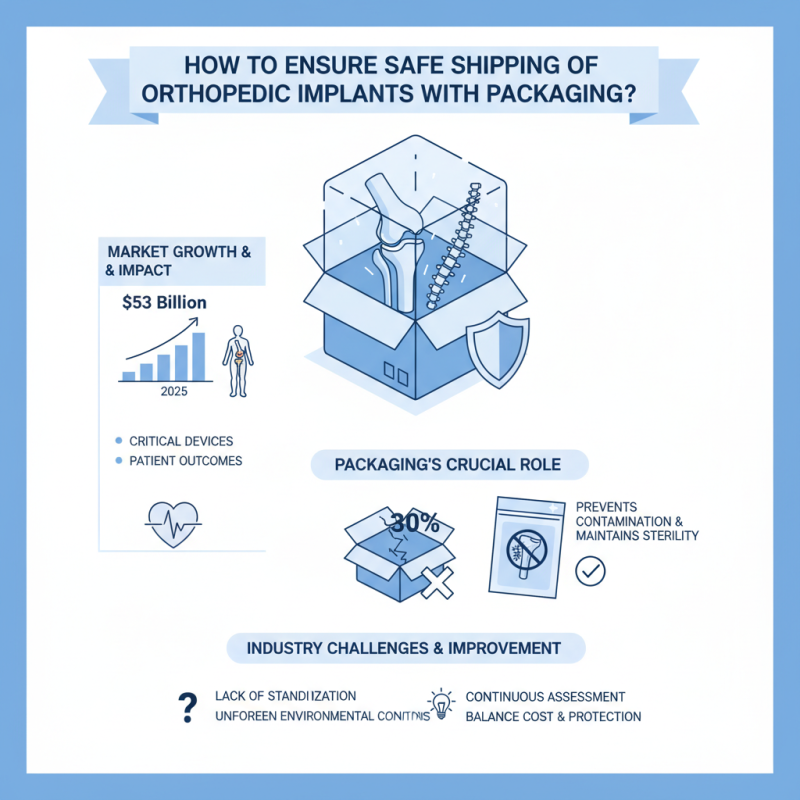
The orthopedic implant market is projected to reach $53 billion by 2025. Safe shipping of these critical devices is essential. Ensuring proper protection during transit can significantly impact patient outcomes. What is the role of packaging in protecting orthopedic implants during shipping?
Optimal packaging safeguards implants from various hazards. A study indicates that 30% of implants are damaged during transport due to inadequate packaging. This statistic underscores the importance of robust protective measures. Moreover, the right packaging can prevent contamination and maintain sterility, which are vital for surgical success.
However, the industry faces challenges. A lack of standardization can lead to varying degrees of protection. Unforeseen environmental conditions during shipping can also jeopardize implant safety. It’s crucial for manufacturers to continuously assess and enhance their packaging protocols. Striking the right balance between cost-effectiveness and protection remains a topic for reflection and improvement in the orthopedic sector.
Safe Shipping Standards for Orthopedic Implants: An Overview
When it comes to shipping orthopedic implants, adherence to safe shipping standards is crucial. According to industry reports, improper packaging accounts for 30% of damage during transportation. Therefore, ensuring that these medical devices arrive intact is essential for patient safety and operational efficiency. Key standards recommend using moisture-resistant materials and protective padding to prevent movement.
Tips: Always visualize the shipping journey. What could happen during transit? Think of potential impacts and vibrations. Understand the specific vulnerabilities of the implants being shipped.
Packaging should comply with established guidelines from organizations such as ASTM International. Their reports detail that over 15% of implants returned for defects were damaged during transport. This highlights the necessity for robust packaging strategies. Use shock-absorbent materials and ensure that each component is securely fastened.
Tips: Regularly review packaging protocols. Gather feedback from your shipping team. Are there consistent issues? Adjust packaging techniques based on real-life experiences. Accountability in packaging choices can prevent future complications and protect patient health.
Key Packaging Materials Used in Orthopedic Implant Shipping
When shipping orthopedic implants, selecting the right packaging materials is crucial. These implants are often made of fragile materials like titanium and may require protective packaging. Common choices include foam inserts, bubble wrap, and sturdy boxes. Each material serves a different purpose. Foam inserts provide cushioning, while bubble wrap adds an extra layer of protection. Boxes should be durable enough to withstand various shipping conditions.
Another important factor is temperature control. Some implants may be sensitive to temperature fluctuations. Insulated packaging can help maintain proper conditions during transit. Using vacuum-sealed pouches can also prevent contamination. However, not all materials are ideal for every implant type. It’s essential to consider the specifics of the implant being shipped.
Additionally, labeling plays a significant role during shipping. Clear labels can guide handlers on the fragility and contents of the packages. Mislabeling can lead to mishandling. Regularly reviewing packaging methods is necessary. Despite advancements, there are still instances where packages get damaged during transport. Continuous improvement in packaging strategies remains vital for ensuring the safety of orthopedic implants.
Temperature and Humidity Control in Orthopedic Implant Transport
Transporting orthopedic implants requires strict temperature and humidity control. According to industry reports, the ideal temperature range for shipping these delicate products is between 15°C and 25°C. Deviations can affect material properties and lead to compromised implant integrity. For example, exposure to excessive heat can cause polymers to degrade, while excessive moisture can promote corrosion in metallic implants.
Maintaining optimal conditions demands careful packaging strategies. Use insulated containers and moisture-absorbing materials. Data shows that proper packaging can reduce temperature fluctuations by about 30%. Yet, not all shipments achieve these standards. Frequent monitoring during transport is essential. Many facilities do not have real-time tracking systems in place. This gap can increase the risk of temperature excursions.
Ultimately, ensuring the safety of orthopedic implants relies on commitment to quality assurance. Implementing stringent protocols can combat potential failures. However, the industry must acknowledge its shortcomings in executing consistent transportation practices. Continuous assessment and adaptation are vital for improving shipping methods and safeguarding patient outcomes.
Regulatory Compliance for Orthopedic Implant Packaging and Labeling
The packaging and labeling of orthopedic implants is crucial for regulatory compliance. Strict guidelines ensure that these medical devices reach healthcare facilities safely. According to a report by the FDA, improper packaging can lead to contamination risks. This highlights the importance of using materials that maintain sterility throughout transit.
Regulations around labeling include clear identification and usage instructions. The International Organization for Standardization (ISO) emphasizes the need for legible labels to avoid confusion. Research shows that 25% of healthcare errors stem from miscommunication regarding device instructions. Therefore, precise labeling practices are essential for safety.
Despite these regulations, challenges remain. Many manufacturers still overlook packaging designs that meet all compliance standards. Inadequate training on packaging requirements is also a concern. Continuous education on these guidelines can help mitigate risks. By prioritizing proper packaging and labeling, manufacturers can enhance the safety of orthopedic implants during shipping.
Best Practices for Inspection and Quality Assurance in Shipping Process
Ensuring the safe shipping of orthopedic implants requires meticulous attention to packaging and quality assurance practices. Inspection is a critical first step. It ensures that each implant is free from defects before it leaves the facility. Each piece should undergo visual examination and functional testing to verify it meets strict medical standards.
Tips for Quality Assurance: Always document inspection findings. This creates a traceable history of each product. Use standardized checklists during inspections. They help ensure no details are overlooked.
While robust packaging is vital, it’s equally important to assess the packaging materials. They should offer protection from impact and moisture. Regular audits of packaging processes can reveal weaknesses. Consider using temperature and humidity monitors during transit. These tools provide insights into the shipment's condition.
Tips for Packaging Inspection: Use seals that indicate tampering. Inspect packaging for wear and tear before each shipment. Continuous training for staff on packaging standards can improve overall quality. Don't underestimate the human factor in maintaining quality assurance. Regular feedback can enhance the process.
FAQS
: Improper packaging causes 30% of damage during transport, risking patient safety and operational efficiency.
Common options include foam inserts, bubble wrap, and sturdy boxes for cushioning and protection.
Some implants may be sensitive to temperature changes, requiring insulated packaging to maintain stability.
Clear labels help handlers understand package fragility, preventing mishandling and potential damage.
Regular reviews are crucial. Gathering feedback can highlight consistent issues to address.
Over 15% of returned implants were damaged during transport, showing flaws in packaging strategies.
Protective padding prevents movement, reducing the risk of impact damage during shipping.
The specific vulnerabilities of the implant type should determine the choice of packaging materials.
Despite progress, packages still get damaged. Adapting strategies is essential for safety.
Team members should share experiences with packaging issues and suggest improvements based on real-life scenarios.
Conclusion
The safe shipping of orthopedic implants is crucial to ensure their integrity and functionality upon arrival. Central to this process is the question, "What is the role of packaging in protecting orthopedic implants during shipping?" Effective packaging serves as the first line of defense against physical damage, environmental conditions, and contamination. Utilizing appropriate packaging materials tailored for orthopedic implants helps maintain strict safe shipping standards and ensures compliance with regulatory requirements.
Additionally, temperature and humidity control during transport are vital factors in preserving the quality of the implants. Implementing best practices for inspection and quality assurance throughout the shipping process further enhances reliability. By focusing on these critical aspects, healthcare providers can guarantee that orthopedic implants reach their destination safely, maintaining their effectiveness for patient care.

 Marin-one Medical