Choosing the right orthopedic implants for hand and foot procedures is crucial for successful outcomes. Many factors come into play when making this decision. It is not solely about the materials used, but also the specific needs of the patient. Understanding how to choose orthopedic implants for hand and foot procedures requires expertise and careful consideration.
Surgeons must assess the patient's anatomy, lifestyle, and the extent of the injury. Every implant has unique features that may influence healing. Not all implants suit every individual. Therefore, it is vital to evaluate each option based on solid clinical evidence and past experiences. Sometimes, what seems perfect on paper may not translate to real-life effectiveness.
Proper communication between the surgeon and patient is key. Patients should express their concerns and expectations. This dialogue helps in selecting the most appropriate implant. Reflecting on previous cases and staying updated with current practices can enhance decision-making. Ultimately, choosing the right implant can significantly impact recovery and overall satisfaction.
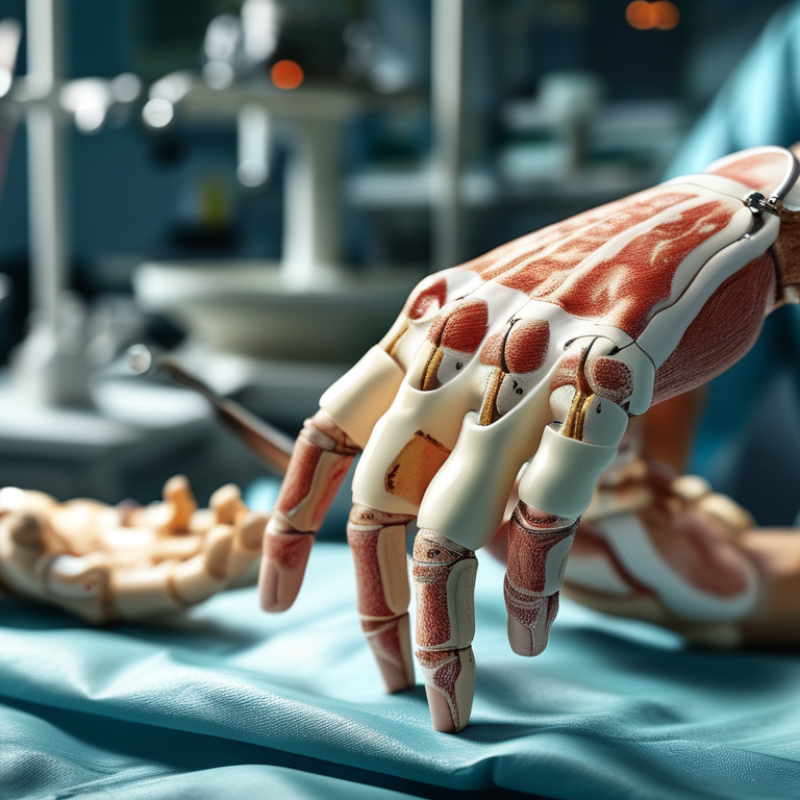
When considering orthopedic implants for hand and foot procedures, it's vital to understand their types and uses. Implants vary significantly in size and material. Common options include plates, screws, and rods tailored for specific fractures. Each type serves different functions, affecting healing time and mobility. Awareness of these differences is crucial for informed decisions.
Tips are paramount when selecting appropriate implants. Consult with a specialist to discuss individual needs. Gather insights on the implant types that best fit your anatomy. Don't hesitate to ask questions about material biocompatibility and recovery expectations.
Consider potential complications that may arise. Infection and mechanical failure are risks with any implant. Addressing these concerns early on can mitigate long-term issues. Always reflect on your lifestyle and activities, as they may impact implant selection. Being informed helps in making choices that align with personal health goals.
Selecting orthopedic implants for hand and foot surgery requires careful consideration of several key factors. The patient's age, activity level, and underlying health conditions play crucial roles. For example, younger and more active patients may require more robust materials to support their lifestyle. According to a study published in the Journal of Orthopaedic Research, 40% of failed implants in younger patients resulted from inadequate material selection.
Material compatibility is critical. Titanium and stainless steel are popular choices, but they offer different benefits. Titanium is known for its lightweight and corrosion resistance, making it ideal for long-term implants. However, it is more expensive. A report by the American Academy of Orthopaedic Surgeons (AAOS) indicates that selecting the wrong material can lead to a 30% higher revision rate in surgeries.
Surgeons must also consider the implant design and its connection to bone. Some designs simulate natural bone structure, promoting better integration. A recent comparative analysis showed that implants designed with enhanced surface textures exhibited a 25% improvement in osseointegration, which is essential for healing. Despite these advantages, over-reliance on certain designs can lead to complications. It emphasizes the importance of continual assessment and adaptation in implant selection strategies.
Orthopedic implants play a crucial role in hand and foot surgery. Several types of implants are commonly used, including screws, plates, and rods. According to the American Academy of Orthopaedic Surgeons, approximately 1.5 million orthopedic surgeries are performed annually in the U.S., underlining the importance of selecting appropriate implants.
Screws are often used for fixation and stabilization. They help hold fractured bones together, allowing for proper healing. Plates serve as a support system along the bone surface. They are essential for more complex fractures. Rods, usually inserted into the medullary canal, help align bones. Each type has unique advantages depending on the patient's specific condition.
Tip: Always consult with orthopedic specialists to determine the best implant type. Their expertise can significantly influence recovery outcomes. It’s also important to consider the patient’s lifestyle. Active individuals may require different solutions compared to those with sedentary habits.
Data shows that implant complications can occur in up to 10% of cases. This highlights the need for ongoing evaluation and potential revisions. Reflecting on previous outcomes can help refine future decisions. Awareness of the complications associated with each type of implant is vital for patient safety.
| Implant Type | Material | Common Uses | Advantages |
|---|---|---|---|
| Screws | Titanium or Stainless Steel | Fracture fixation | Strong fixation, Biocompatible |
| Plates | Titanium Alloy | Stabilizing fractures | Enhanced stability, Reduces surgery time |
| Pins | Stainless Steel | Small bone fixation | Simple, Minimal tissue damage |
| Rod | Titanium | Long bone stabilization | High strength, Lightweight |
| Wires | Stainless Steel | Soft tissue fixation | Flexible, Minimal fixation stress |
Selecting the right orthopedic implants for hand and foot surgeries requires a close assessment of patient needs. Each patient presents a unique profile. Their age, activity level, and health condition affect implant choice. A detailed discussion with the patient can help uncover specific goals. Are they looking for pain relief or improved mobility? These answers are crucial.
Surgical goals must align with the patient's lifestyle. A competitive athlete may need a different solution than someone focused on basic mobility. Understanding these nuances can guide the implant selection process. Moreover, there is no one-size-fits-all solution. Surgeons should engage in continuous learning to stay updated on the latest techniques and options in implant technology. Each decision should involve careful consideration and sometimes, reflection on past outcomes. Exploring a variety of materials and designs can lead to better patient satisfaction.
Post-operative care for orthopedic implants is crucial for optimal healing. Patients should follow their surgeon's instructions closely. It's essential to keep the surgical area clean and dry to prevent infection. Regular follow-ups allow for monitoring of the implant's position and integration with the bone. Engaging in prescribed physical therapy can enhance joint mobility and strength.
Adjustment of orthopedic implants may be necessary as the healing process evolves. Patients should report any discomfort or unusual sensations. Sometimes, the implant may not function as expected, leading to modifications. It's essential for healthcare providers to communicate these adjustments clearly. Ensuring that patients feel supported during this process builds trust and promotes better recovery outcomes.
: Common types include plates, screws, and rods designed for specific fractures. Each type has unique functions.
A specialist can provide insights on which implant types fit your anatomy and individual needs.
Patients should think about their lifestyle, activity levels, and specific goals like pain relief or mobility improvement.
Risks include infection and mechanical failure, which may impact recovery and long-term health outcomes.
Older or less active patients may require different solutions than younger, more active individuals.
Yes, engaging in high-level activities may necessitate stronger or more specialized implants to ensure durability.
Continuous learning and discussions with patients can refine the choices made, ensuring they fit specific needs.
It affects how well the body accepts the implant and can influence recovery times and overall success.
No, each patient is unique, requiring tailored solutions based on their specific needs and goals.
Reflection can provide valuable insights for making better decisions in future implant selections.
In the article "How to Select the Best Orthopedic Implants for Hand and Foot?" the author provides a comprehensive guide that covers essential aspects of choosing the appropriate orthopedic implants for hand and foot surgeries. It begins with an overview of orthopedic implants, specifically designed for procedures targeting these areas, emphasizing their role in improving patient outcomes. Key factors to consider when selecting implants include the type of injury, the patient's specific anatomy, and the anticipated functional requirements.
Furthermore, the article delves into the various types of orthopedic implants used in hand and foot surgery, helping practitioners understand their unique characteristics and applications. Assessing patient needs and surgical goals is highlighted as a critical step in the selection process, ensuring optimal alignment between the implant and the patient's situation. Lastly, it addresses the importance of post-operative care and possible adjustments to the implants, ultimately guiding the discussion on how to choose orthopedic implants for hand and foot procedures effectively.

Marin-one Medical