Top Tips for Choosing Maxillofacial Orthopedic Implants

Time:2026-11-16 Author:Henry
0%

Choosing maxillofacial orthopedic implants is a careful balance of anatomy, stability, healing, and surgical access. The right device must fit the patient’s bone and the demands placed on the repair. A small mismatch can affect screw placement, soft-tissue comfort, or the planned reconstruction. Details matter.

How to choose orthopedic implants for maxillofacial procedures depends on the injury or condition, bone quality, and the forces acting on the treated area. Experienced surgical teams consider these factors alongside imaging, patient health, and the intended outcome. They also review implant material, shape, thickness, fixation options, and compatibility with the planned technique. A plate designed for one facial region may not suit another. Not every case follows a neat pattern.

Reliable selection involves more than comparing product descriptions. Surgeons should consult current clinical evidence, manufacturer guidance, and applicable professional standards. They may also consider whether the implant can be positioned securely while protecting nearby nerves, teeth, and other structures. Patient preferences and realistic expectations belong in the discussion. Still, evidence may not answer every question, and individual healing can be difficult to predict. That uncertainty deserves honest attention. This guide highlights practical questions to discuss with a qualified maxillofacial specialist, not a substitute for personalized medical advice.
Top Tips for Choosing Maxillofacial Orthopedic Implants

Understanding the Purpose of Maxillofacial Orthopedic Implants

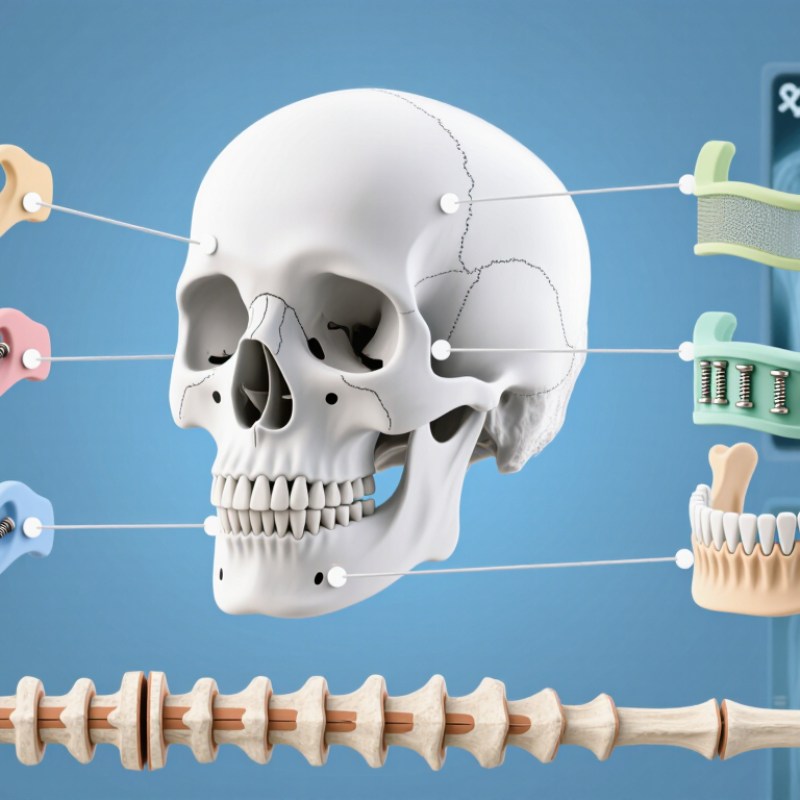
Maxillofacial orthopedic implants help stabilize or rebuild facial bones after trauma, disease, or corrective surgery. Plates and screws can hold bone segments in position while healing occurs; mesh or other implants may help restore a missing contour. The aim is practical: support function and anatomy, not simply change appearance. That distinction matters. The World Health Organization’s 2022 Global Oral Health Status Report estimates that oral diseases affect nearly 3.5 billion people worldwide. This figure describes broad oral-health needs, not implant use, but it underlines why careful assessment and access to specialist care matter.

Tips: Ask what the implant is meant to support, how its shape matches your anatomy, and what follow-up imaging may be needed. A surgeon may assess scans, bone quality, bite, and nearby nerves before recommending an option. Fit matters. Healing, infection risk, and future procedures also affect the choice. Even a precise scan cannot predict every detail of recovery, so discuss uncertainties rather than treating a plan as guaranteed.

Reliable decisions depend on a qualified maxillofacial team explaining alternatives, expected benefits, and risks in plain language. The WHO report draws on global health data; it does not compare implant materials or prove one design is best. That limitation is worth keeping in view when reading product claims or broad market statistics.

Top Tips for Choosing Maxillofacial Orthopedic Implants

Understanding the Purpose of Maxillofacial Orthopedic Implants

Maxillofacial orthopedic implants may stabilize or support facial bones during reconstruction. This chart compares approximate elastic-modulus ranges: stiffness is one consideration when selecting an implant, but the right choice also depends on the procedure, anatomy, and clinical assessment. Bone properties vary by location and direction; material values vary by grade and test method.

Approximate elastic modulus (GPa). Ranges are representative literature values, not specifications for a particular implant.

Assessing Patient Anatomy and Treatment Requirements

Choosing a maxillofacial orthopedic implant begins with the patient, not a product specification. Examine facial proportions, jaw position, bite, and soft-tissue coverage. Small differences matter. A few millimeters can affect implant position or create visible asymmetry. Review appropriate imaging, such as CT or cone-beam CT scans, alongside a clinical examination. Images can show bone dimensions and nearby structures, including tooth roots, nerves, and the sinus. They do not tell the whole story. Image quality, patient movement, and interpretation can all introduce uncertainty.

Match the implant plan to the treatment goal and the available anatomy. Consider bone thickness and density, previous surgery, healing history, and whether the patient is still growing. An implant intended to support reconstruction may require different positioning from one used in orthognathic treatment. Check how the planned device relates to the bite and surrounding soft tissues, not just the bone surface. Discuss possible complications and alternatives with the patient, using clear language. Clinical judgment still matters. I have seen planning discussions become too focused on measurements; that is worth questioning. Measurements guide decisions, but they cannot replace a qualified team’s examination, experience, and follow-up plan.

Comparing Implant Materials, Shapes, and Fixation Options

Choosing a maxillofacial orthopedic implant starts with the job it must perform. Titanium is strong, widely used, and visible on imaging, but it may interfere with some scans or remain palpable beneath thin tissue. PEEK is lighter and radiolucent, though it does not bond to bone in the same way. Resorbable materials can suit selected repairs, but their strength and breakdown time must match the site and healing plan. There is no universal winner.

Shape should follow anatomy and load. A thin plate may stabilize a small fracture, while a contoured mesh can support a broader defect. Patient-specific implants may improve fit, yet depend on accurate imaging and careful planning. A neat fit on a screen is not the whole story; soft-tissue coverage and access for placement matter too.

Fixation options include screws, plates, and, in suitable cases, resorbable fixation. Screw length and direction need attention near tooth roots, nerves, and sinus spaces. Bone quality, bite forces, infection risk, and expected healing all influence the choice. Small details matter. Even experienced teams may revise a plan when operative findings differ from scans, so discussing trade-offs with a qualified maxillofacial surgeon is essential.

Evaluating Surgical Expertise and Implant Safety

A surgeon’s expertise should match the operation you need, not just the number of years they have practiced. Ask how often they perform comparable jaw or facial reconstruction procedures, who manages anesthesia, and how complications are handled. Request clear answers about likely benefits, alternatives, recovery, and follow-up. You can also ask whether care involves a coordinated team, such as oral and maxillofacial surgeons, radiologists, and dental specialists. This matters when an implant must fit around nerves, teeth, or a changing bite. Ask directly. A polished consultation is not proof of skill.

Implant safety depends on planning and careful follow-through. Ask what material is proposed, how its suitability is assessed, and how the implant’s identity and placement are documented. Confirm that imaging, sterilization procedures, and post-operative monitoring are part of the plan. The World Health Organization’s Global Patient Safety Report 2024 estimates that about one in ten patients experiences harm in health care; this is not an implant-specific rate, but it underscores why safety checks matter. Ask how the clinic tracks infections, revisions, and other complications. Numbers can be hard to compare between surgeons, and no checklist catches everything. That uncertainty deserves an honest conversation, not reassurance alone.

Planning Recovery, Monitoring, and Long-Term Care

After maxillofacial implant surgery, recovery planning should be specific to the procedure, not copied from a generic checklist. Ask your surgeon what swelling, numbness, or bite changes are expected, and when they should improve. WHO’s surgical-site infection guidance reports an estimated 11.8 infections per 100 operations in low- and middle-income countries; this broad figure is not specific to facial implants, but underscores why wound checks and clear hygiene instructions matter. Keep follow-up appointments, even when healing looks fine.

Tips: Record temperature, pain, swelling, and medication times each day. Take a side-view photo in consistent lighting, if your care team agrees. Call promptly for worsening redness, drainage, fever, sudden bite changes, or trouble breathing or swallowing. Don’t adjust splints or oral appliances yourself. Small changes matter.

Long-term care may include bite assessments, imaging, and checks for implant stability or nearby tissue changes. The FDA’s guidance on metal implants notes that follow-up needs vary by device and patient; imaging and tests should be selected by the treating clinician. Ask which symptoms merit an urgent call, and who to contact after hours. Bring a medication list to reviews. Healing can feel uneven, and one quiet appointment does not guarantee that every concern is settled.

FAQS

What should clinicians examine before choosing a facial implant?

Review facial proportions, jaw position, bite, soft-tissue coverage, and available bone. A few millimeters can affect symmetry.

Why are imaging scans not enough by themselves?

Scans can show bone dimensions, tooth roots, nerves, and the sinus. Movement or image quality may create uncertainty. Clinical examination still matters.

Which patient details can change an implant plan?

Bone thickness, bone density, previous surgery, healing history, and growth status all matter. The bite and surrounding tissues matter too.

Should implant placement depend only on measurements?

No. Measurements guide decisions, but they cannot replace a qualified team’s examination and experience. Easy to forget.

How can a patient assess a surgeon’s relevant experience?

Ask how often the surgeon performs comparable procedures and how complications are managed. Years in practice alone may not answer that.

What questions should patients ask about recovery and alternatives?

Ask about likely benefits, alternatives, recovery, and follow-up. Clear answers are useful; a polished consultation is not proof of skill.

What safety details should patients ask about?

Ask what material is proposed, how it is assessed, and how placement is documented. Confirm that sterilization, imaging, and monitoring are planned.

How should patients interpret complication statistics?

General health-care harm estimates are not implant-specific. Ask how the clinic tracks infections, revisions, and other complications. Comparisons can be difficult.

Conclusion

Choosing maxillofacial orthopedic implants begins with understanding the purpose of treatment, whether the goal is to support bone healing, restore facial structure, or stabilize a correction. Careful assessment of each patient’s anatomy, bone quality, health needs, and treatment plan helps guide the selection. How to choose orthopedic implants for maxillofacial procedures also involves comparing suitable materials, shapes, sizes, and fixation methods, with attention to compatibility and the demands of the intended procedure.

A qualified surgical team should evaluate implant safety and determine whether its design is appropriate for the patient and treatment goals. Planning should also extend beyond surgery: patients need clear recovery guidance, scheduled follow-up visits, and monitoring for healing or complications. Considering these factors together supports informed decisions and a tailored approach to care, while helping patients understand the role of the implant throughout treatment and long-term recovery.

Henry

Henry

Henry is a dedicated marketing professional with a profound expertise in the company's offerings. With years of experience in the industry, he possesses an impressive understanding of the market dynamics and consumer behaviors that drive success. Henry is committed to sharing his insights through......