Choosing the right orthopedic implants for revision procedures is crucial for successful outcomes. In the United States, approximately 15% of total hip and knee replacements result in revision surgeries. This statistic highlights the importance of selecting appropriate implants. Surgeons must consider factors such as patient anatomy, implant material, and compatibility with existing bone structures. Recent studies indicate that using high-quality, well-researched implants can reduce the risk of complications by 30%.
How to choose orthopedic implants for revision procedures involves not only understanding the technical specifications but also relying on clinical evidence. An effective implant should enhance stability and longevity while minimizing patient discomfort. Evidence from the Journal of Arthroplasty stresses the need for solid data and expert reviews when making these decisions.
Reflection on past surgeries shows that improper implant selection can lead to failure and complications. Therefore, it is vital to stay informed about the latest advancements. Continuous education and collaboration with orthopedic specialists can greatly improve decision-making in this field.
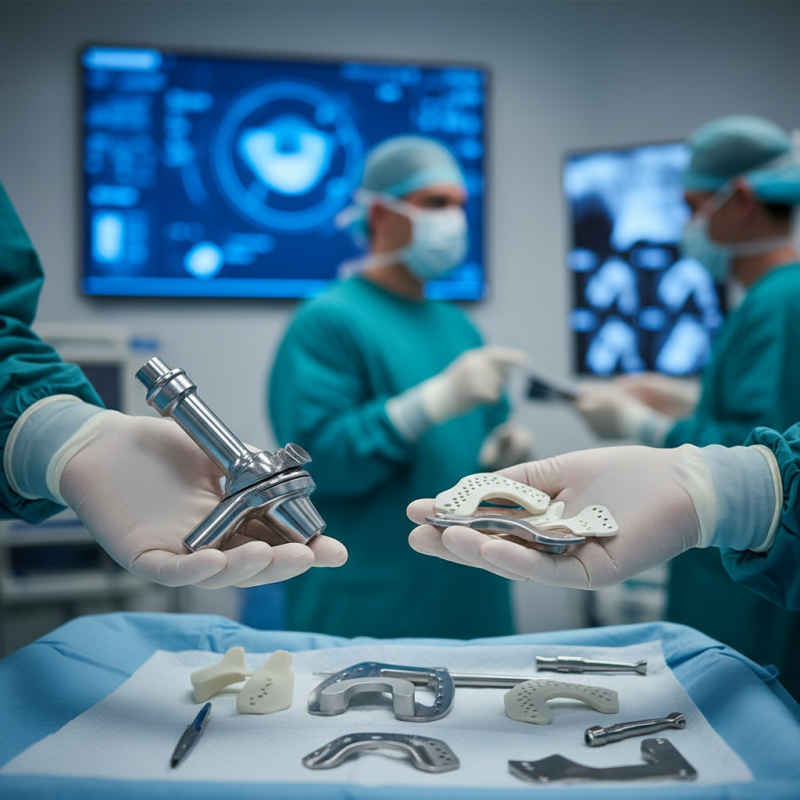
Orthopedic implants play a crucial role in revision surgery. These implants can restore function and alleviate pain for patients who have experienced complications from previous surgeries. They are essential for improving the quality of life. However, choosing the right implant can be challenging. Surgeons must consider factors like patient health, bone quality, and the type of prior surgery.
In the context of revision surgery, the stakes are high. An inappropriate choice can lead to further complications. Proper alignment, sizing, and compatibility with the existing anatomy are critical. Surgeons often review imaging studies thoroughly to ensure that the selected implant will fit well. Patient feedback on pain and function can also guide decisions, but it isn't always straightforward.
Despite advancements, there are still uncertainties. Every patient presents unique challenges. Surgeons sometimes face unexpected findings during the procedure. These moments can be stressful and require quick thinking. It’s important for medical professionals to remain adaptable and open to different solutions. Ongoing education and collaboration with peers can enhance decision-making in these complex scenarios.
Understanding the importance of orthopedic implants in revision surgery is crucial. The following chart presents data on the top considerations orthopedic surgeons must take into account when selecting implants for their patients.
When selecting orthopedic implants for revision surgery, several key factors come into play. Understanding these can greatly influence surgical outcomes.
Materials used in implants are critical. They can determine biocompatibility and longevity. Consider whether metals or polymers best suit the patient's needs. Some materials may cause adverse reactions. This risk is often overlooked but crucial to the patient's health.
Another vital factor is the implant's design. Innovations in shape and surface treatment can enhance fixation and reduce wear. Perfect fit is important. A mismatch can lead to complications later. This aspect often requires thorough evaluation.
Precision in choosing the correct size is also necessary. Implants that are too large or small may lead to pain or mechanical failure. Collaboration with experienced orthopedic surgeons can provide invaluable insights. Their expertise can guide the process. Always balance these elements with the patient's specific situation in mind.
When considering orthopedic implants for revision surgery, it’s essential to understand the various types commonly used. These include cemented, uncemented, and hybrid implants. Cemented implants are often chosen for their strong initial fixation. They help provide stability, especially in patients with compromised bone quality. Uncemented implants rely on bone growth for stability, suitable for younger patients with healthy bone. Hybrid implants combine both methods, offering versatility in complex cases.
When selecting implants, keep the patient’s specific needs in mind. Consider factors like age, activity level, and bone quality. Collaboration with an experienced orthopedic surgeon is vital. A skilled professional can guide the choice, ensuring the selected implant aligns with the patient's unique anatomy and lifestyle.
It’s important to reflect on previous surgeries and outcomes. This analysis helps in avoiding mistakes and enhancing future results. Continuous evaluation of new techniques and materials can lead to improved choices. As the field of orthopedic surgery evolves, being informed will benefit both patients and surgeons alike.
| Tip Number | Tip Description | Considerations | Common Implant Types |
|---|---|---|---|
| 1 | Evaluate Patient's Medical History | Consider previous surgeries and comorbidities | Cemented, Non-Cemented |
| 2 | Assess Bone Quality | Understand the need for bone grafting or augmentation | Titanium, Cobalt-Chromium |
| 3 | Consider Implant Design | Choose between modular and monoblock designs | Modular Systems, Intramedullary Nails |
| 4 | Check for Compatibility | Ensure compatibility with existing implants | Reinforcement Plates, Screws |
| 5 | Impact on Post-Operative Recovery | Consider materials and technology used for recovery | Bioactive Coatings, 3D-Printed Implants |
When considering orthopedic implants for revision surgery, evaluating compatibility with patient anatomy is critical. Research indicates that up to 10% of initial joint replacements fail, leading to complex revision surgeries. A well-suited implant enhances outcomes, reduces complications, and can significantly improve recovery times.
One essential tip is to assess existing bone quality and structure. Advanced imaging techniques, like CT scans, provide detailed insights into bony anatomy. These insights guide surgeons in selecting implants that match patient-specific geometries. Custom implants might be necessary in cases with significant bone loss.
Another consideration is the biomechanical alignment of the implant. Studies have shown that improper alignment can lead to increased stress on surrounding tissues. This factor can influence outcomes in nearly 30% of cases. Utilizing computer-assisted navigation tools can help attain optimal placement, ensuring longevity and function. Remember that each patient presents unique challenges, and ongoing evaluations of implant performance are necessary for improving surgical techniques.
When selecting orthopedic implants for revision surgery, consulting with healthcare professionals is crucial. Their expertise guides patients towards the best options. Surgeons understand individual needs and the complexities of previous surgeries. Building a dialogue can significantly impact the outcome.
Communication with your surgeon should cover your medical history. Discuss previous implant failures and any complications you've faced. This information is vital for making informed decisions. Additionally, consider second opinions. Each surgeon may have different insights on suitable implants.
As you gather information, remember that not all recommendations fit every case. Each revision surgery is unique and requires tailored solutions. Stay engaged in discussions about material types and design. Seek clarification on why certain implants are recommended. Taking part in the decision-making process is essential for your recovery journey.
: They restore function and reduce pain for patients with previous surgery complications.
Factors like patient health, bone quality, and previous surgery types must be considered.
It may lead to further complications and worsen the patient’s condition.
They review imaging studies to assess fit, alignment, and compatibility with anatomy.
It can guide decisions, but responses can be complex and sometimes unclear.
Unexpected findings during surgery can create stressful situations that require quick thinking.
Improper alignment can stress surrounding tissues, affecting outcomes in about 30% of cases.
Advanced techniques like CT scans reveal details about bone structure and quality.
Custom implants are often necessary to improve outcomes for these patients.
It helps to adapt surgical techniques and improve patient recovery and outcomes over time.
Choosing the right orthopedic implants for revision procedures is crucial for ensuring successful patient outcomes. Understanding the importance of orthopedic implants in revision surgery involves recognizing how they can facilitate healing and restore function. When considering how to choose orthopedic implants for revision procedures, it is essential to evaluate key factors such as patient anatomy, the type of previous surgeries, and the specific conditions being treated.
There are several types of orthopedic implants commonly used in revision surgery, which vary based on their intended purpose and design. Ensuring implant compatibility with the patient's unique anatomy is crucial to achieving optimal results. Consulting with healthcare professionals is an important step in the selection process, as their expertise can guide the decision-making towards the best-suited implants tailored to the individual patient, thus enhancing the potential for recovery and improved quality of life.

Marin-one Medical