Top 10 Tips for Ensuring Your Orthopedic Implants Arrive Safe

Time:2026-05-11 Author:Ethan
0%

Ensuring the safe delivery of orthopedic implants is crucial in today's healthcare sector. Dr. Emily Johnson, a renowned orthopedic surgeon, emphasizes, "Proper handling can prevent significant complications." Her insight highlights the importance of diligence in the transportation process. Ensuring orthopedic implants are delivered in good condition requires strategic planning and attention to detail.

Organizations involved in implant delivery must be aware of potential risks. Many factors can compromise the integrity of these implants during transit. For instance, temperature fluctuations, inadequate packaging, or rough handling can lead to damaging outcomes. It’s essential to select reliable carriers and methods tailored for orthopedic goods. Knowing how to ensure orthopedic implants are delivered in good condition is not just a guideline but a necessity for patient safety.

Furthermore, ongoing training for staff is vital. Employees must understand best practices in handling these sensitive items. Reflection on past delivery issues can lead to better future outcomes. Learning from mistakes can strengthen safety protocols significantly. In a field where precision matters, every step counts in safeguarding orthopedic implants.
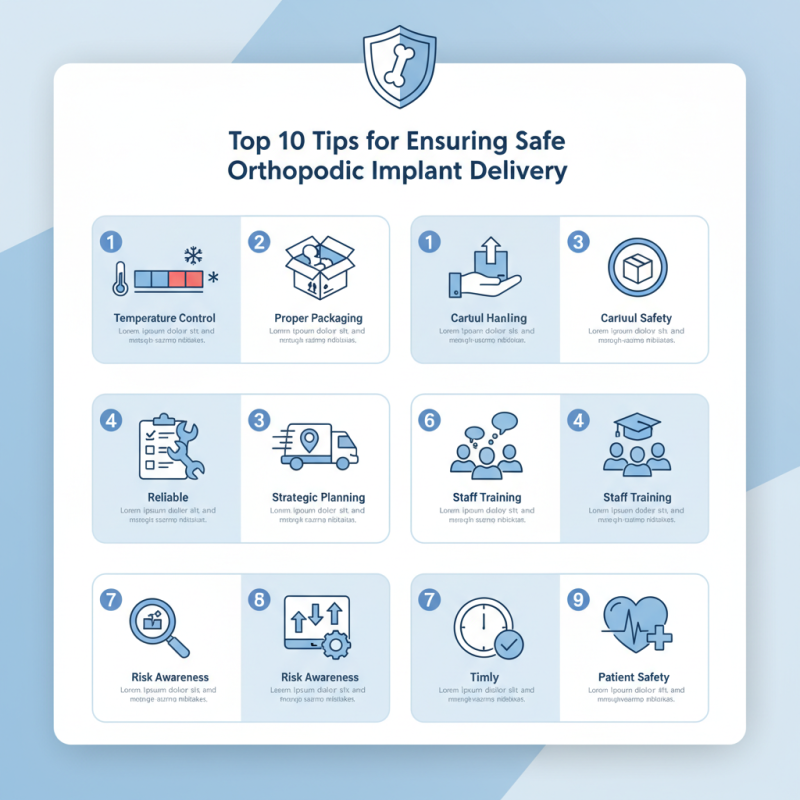
Top 10 Tips for Ensuring Your Orthopedic Implants Arrive Safe

Importance of Choosing Reputable Suppliers for Orthopedic Implants

When it comes to orthopedic implants, choosing reputable suppliers is crucial. The reliability of these suppliers affects patient outcomes significantly. According to a recent industry report, nearly 20% of implant failures are linked to substandard materials. This emphasizes the importance of due diligence when selecting a supplier.

Selecting a supplier involves understanding their manufacturing standards. Look for those who adhere to rigorous quality control measures. Authentic certifications and compliance with international standards can indicate a supplier's commitment to quality. It is important to assess their track record in delivering safe and effective products.

For ensuring your orthopedic implants arrive safely, consider these tips. Verify certifications from suppliers. Engage in thorough background checks on their history. Moreover, demanding detailed product specifications before purchasing can save unexpected issues later. Quality materials can reduce the likelihood of complications in surgeries. These proactive measures enhance safety and improve patient trust in the healthcare system.

Ultimately, the choice of supplier can have long-lasting implications. The right partners contribute to better patient care and reduced risks associated with orthopedic surgeries. Be vigilant and informed in your decision-making process.

Ensuring Proper Packaging for Safe Transport of Implants

When it comes to orthopedic implants, proper packaging is critical. A safe transport process can make all the difference in device performance. First, choose robust materials that can withstand various conditions. Use durable cardboard or heavy-duty plastics. They provide necessary protection against physical stress.

Next, consider the internal cushioning. Use foam or bubble wrap for extra defense. This often helps prevent damage during unexpected impacts. Implants can be delicate; even minor shifts during transportation can compromise their effectiveness. Don't overlook the importance of moisture control. Sealing implants in moisture-resistant bags can prevent corrosion and prolong shelf life.

Also, ensure all labeling is clear and visible. Any mislabeling could lead to critical errors. Transport personnel must know the payload details. Implementing a tracking system can aid in the monitoring of the shipment. This transparency fosters trust in the delivery process. Finally, reflect on past mistakes. Analyze areas where damage occurred and adjust packaging methods accordingly. While every step may seem redundant, each plays a role in safeguarding valuable medical devices.

Understanding Regulations and Standards for Implant Delivery

When it comes to orthopedic implants, understanding regulations is crucial. The delivery process involves strict adherence to industry standards. Each country may have its own requirements, complicating the logistics. Compliance ensures that implants are safe for use in patients. Lack of proper adherence can lead to serious complications.


Regulatory bodies evaluate the safety and efficacy of orthopedic implants. They set guidelines for sterilization, packaging, and storage. Every aspect of delivery matters. For example, temperature fluctuations can affect implant integrity. Therefore, maintaining the right conditions during transport is essential.


Communication improves safety throughout the delivery chain. Every party involved should understand their role. Sometimes, misunderstandings can arise. This might lead to delays or incorrect handling. Continuous training helps address these gaps. It fosters a culture of accountability. Ensuring implants arrive safely is a shared responsibility.

Implementing Tracking Systems for Shipment Monitoring

Ensuring the safe arrival of orthopedic implants is crucial for patient care. A tracking system can significantly enhance shipment monitoring. According to industry reports, an estimated 20% of orthopedic implants are damaged during transit. This number raises concerns for both manufacturers and healthcare providers.

Implementing a real-time tracking system allows stakeholders to monitor the journey of each implant. For example, GPS-enabled devices provide precise locations during shipping. This data helps identify potential issues early. If a package is delayed, immediate action can be taken. Notably, a study indicated that companies using tracking systems reduced shipment discrepancies by 30%.

However, challenges remain. Not all systems are foolproof, and some may lack user-friendly interfaces. This can lead to delays in addressing problems. Additionally, inconsistent practices among shipping companies can complicate tracking efforts. Balancing technology with practical execution is essential for improvement. Reliable tracking is just one part of a larger solution.

Top 10 Tips for Ensuring Your Orthopedic Implants Arrive Safe - Implementing Tracking Systems for Shipment Monitoring

Tip Number Tip Description Implementation Status Notes
1 Use GPS tracking for real-time location updates. Completed Effective for high-value shipments.
2 Implement RFID tags for efficient tracking. In Progress Testing in select facilities.
3 Use tracked delivery services with guaranteed delivery times. Completed Reduced delays significantly.
4 Regularly update stakeholders on shipment status. Ongoing Improves communication and expectations.
5 Conduct risk assessments for shipment routes. Completed Identified potential delays.
6 Employ temperature-sensitive packaging when necessary. In Progress For sensitive implants.
7 Train staff on proper handling of orthopedic implants. Completed Increased awareness of safety procedures.
8 Utilize secure, tamper-evident packaging. Completed Enhanced security during transit.
9 Establish protocols for reporting shipment issues. Ongoing Improves response time for issues.
10 Evaluate and adjust shipping strategies regularly. Ongoing Ensures optimal shipping methods.

Training Staff on Handling and Storing Implants Safely

Ensuring the safe handling and storage of orthopedic implants is crucial in any medical setting. Training staff is key. Staff should understand the importance of cleanliness and organization in the storage area. Implants are sensitive to environmental conditions. Humidity and temperature fluctuations can compromise their integrity. Therefore, creating a controlled environment is necessary.

Regular training sessions are essential. Staff must know the correct procedures for handling implants. They should practice using proper Personal Protective Equipment (PPE) to prevent contamination. It’s also vital to reinforce the importance of checking expiry dates and storage conditions regularly. Staff can sometimes overlook these details, leading to potential risks.

Visual aids can be effective in training. Infographics summarizing procedures can increase retention. Even experienced staff may forget critical steps during busy shifts. Thus, visible reminders in storage areas can help maintain awareness. Frequent assessments can also ensure staff remain engaged. Encouraging open discussions about safety can lead to improved processes. Regular feedback helps pinpoint areas requiring improvement, fostering a culture of safety.

Top 10 Tips for Ensuring Your Orthopedic Implants Arrive Safe

FAQS

: Why is understanding regulations important for orthopedic implants?

: Regulations ensure implants are safe for patients. Each country has its own requirements. Compliance helps prevent complications.

What do regulatory bodies assess for orthopedic implants?

They evaluate safety and efficacy. Guidelines cover sterilization, packaging, and storage. Every delivery aspect impacts implant integrity.

How can temperature affect implants during transport?

Temperature fluctuations can compromise implant integrity. Maintaining proper conditions is critical throughout transport.

What role does communication play in the delivery chain?

Clear communication ensures safety. Every party must understand their responsibilities. Misunderstandings can cause delays or incorrect handling.

Why is staff training essential for handling implants?

Staff must understand cleanliness and proper procedures. Regular training helps prevent contamination and maintains integrity during storage.

How can visual aids help in training staff?

Visual aids simplify complex procedures. Infographics and reminders enhance retention. They help staff remember essential steps during busy times.

What should staff regularly check when handling implants?

Staff should monitor expiry dates and storage conditions. Overlooking these details can lead to significant risks.

How can open discussions improve safety processes?

Encouraging discussions fosters accountability. It allows workers to voice concerns and identify areas needing improvement.

What’s a challenge in training experienced staff?

Even experienced staff may forget critical steps. Busy shifts can lead to oversight. Ongoing training can help mitigate this.

How can feedback contribute to a culture of safety?

Regular feedback identifies areas for improvement. It encourages staff to remain engaged and committed to safety practices.

Conclusion

Ensuring that orthopedic implants arrive in good condition is crucial for patient safety and surgical success. Choosing reputable suppliers is the first step in this process, as they adhere to high standards and regulations. Proper packaging is essential to protect these delicate devices during transport, minimizing the risk of damage. Additionally, understanding the regulations and standards governing implant delivery can mitigate potential issues.

Implementing tracking systems for shipments allows for real-time monitoring, providing transparency in the delivery process. Finally, training staff on the safe handling and storage of implants is vital to maintain their integrity. By following these guidelines, healthcare providers can effectively address the question of how to ensure orthopedic implants are delivered in good condition, ultimately leading to better outcomes for patients.

Ethan

Ethan

Ethan is a seasoned marketing professional with a deep expertise in our company's innovative product line. With a passion for sharing knowledge and insights, he takes the lead in regularly updating our corporate blog, where he explores industry trends, product features, and effective marketing......