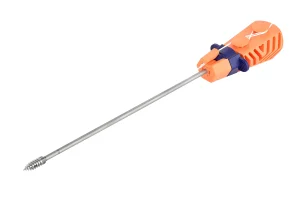
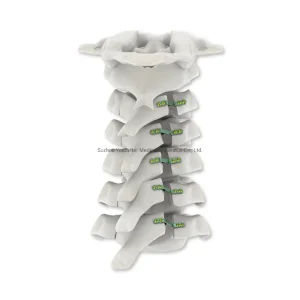
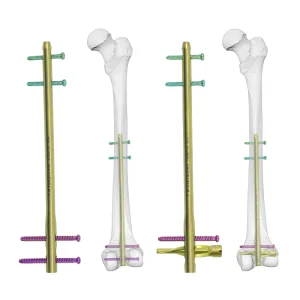
Explore our elite selection of orthopedic trauma, spine, sports medicine, and reconstructive systems designed to provide exceptional mechanical support for bone grafting procedures.
A deep technical analysis of modern orthobiologics, structural implant interactions, and global supplier criteria under strict MDR regulatory frameworks.
The global orthopedic sector is undergoing a profound transition from purely mechanical fixation to bio-interactive, tissue-inductive therapies. Historically, fractured or degraded bones were treated using inert metallic plates and screws simply designed to hold bones together. Today, the integration of bone grafting materials (synthetic ceramic scaffolds, autologous/allogenic bone substances, and recombinant growth factors) with high-performance orthopedic hardware defines the frontier of surgical interventions.
For implants used in critical skeletal areas like the spine or cranio-maxillofacial (CMF) regions, providing rigid support is only half the task. Modern implant architectures must actively encourage osteogenesis, osteoconduction, and osteoinduction. High-end medical manufacturers in China have adapted to this paradigm by modifying material surfaces (e.g., acid-etched titanium textures or porous PEEK designs) that interface cleanly with bone grafting matrix materials. By optimizing these bio-interfaces, clinical healing times are shortened, revision surgery rates are minimized, and long-term biological integration is achieved.
Structural framework materials like Beta-Tricalcium Phosphate (β-TCP) and Hydroxyapatite (HA) mimicking the natural bone mineral matrix to guide cellular proliferation.
Growth factors such as Bone Morphogenetic Proteins (BMPs) recruited to stimulate undifferentiated mesenchymal cells into active bone-forming osteoblasts.
Synergizing bio-absorbable polymers (e.g., PLLA) with mineral osteoconductive ceramics, reducing stress shielding and leaving only healthy remodeled bone tissue.
For international medical distributors, healthcare groups, and regulatory authorities, finding a reliable supplier of orthopedic implants and biomaterials involves evaluating strict regulatory milestones. The modern global procurement agent seeks long-term strategic relationships with manufacturers who possess a strong grasp of compliance, mechanical manufacturing capabilities, and raw material purity.
Key demands from global procurement organizations include:
One of the biggest issues in complex bone reconstructive surgeries is mechanical failure at the boundary between bone grafting materials and synthetic metal or plastic implants. Leading manufacturers recognize this challenge and develop holistic solutions designed to provide optimal mechanical stability while enhancing the biological micro-environment.
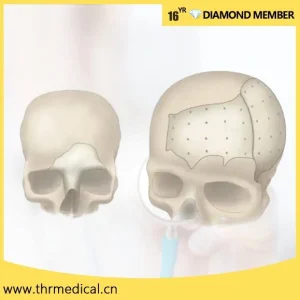
For example, in neurosurgery and maxillofacial reconstruction, patient-specific implants (PSI) manufactured using Polyetheretherketone (PEEK) must match the anatomy precisely. Any gaps between the host bone and the implant impede tissue healing. Through highly precise manufacturing techniques, suppliers are able to build customized PEEK repair systems that match complex bone defects perfectly. When combined with autologous grafts or synthetic substitutes, these implants act as highly stable structures that foster rapid bone growth.
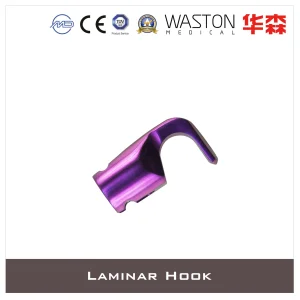
In posterior spinal fixation, pedicle screws and laminar hook systems provide immediate load-bearing stabilization. When bone graft materials are packed into the disc space alongside structural implants, it is this mechanical stability that prevents micro-movements, allowing the bone grafting material to successfully fuse the vertebrae over time.
The future of orthobiologics and orthopedic reconstruction points to two major trends: personalization and active biological feedback. By combining advanced 3D printing technologies with bio-active materials, the industry is transitioning towards smart implants that degrade at a rate matched to the body’s natural bone remodeling process.
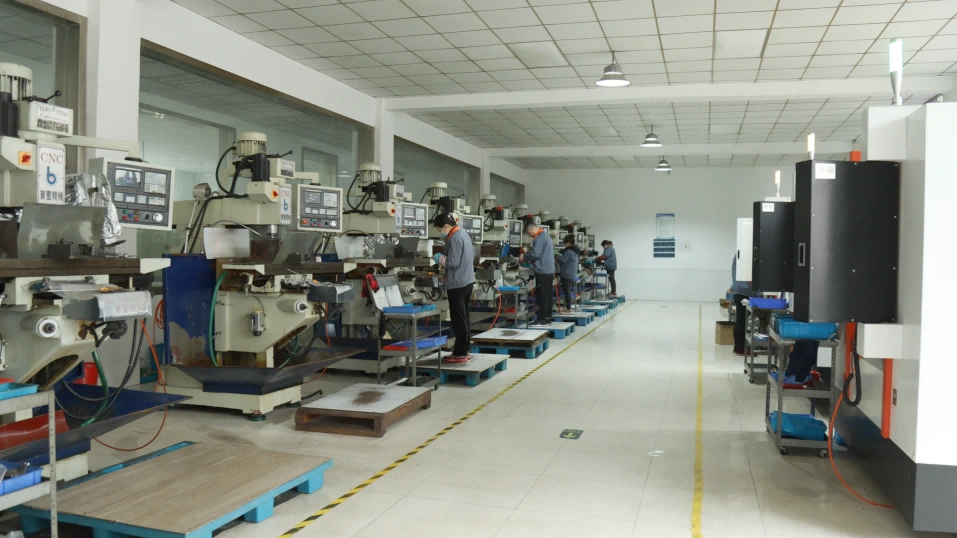
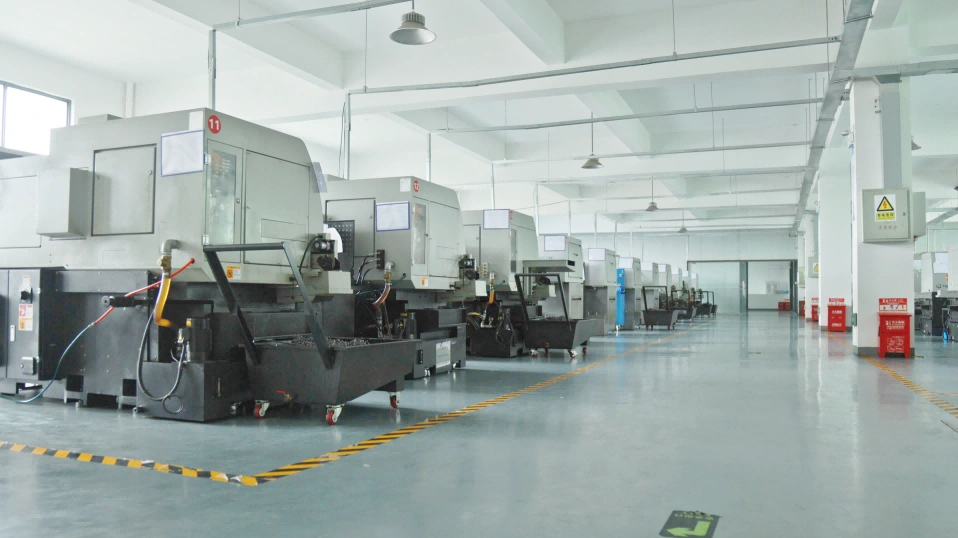
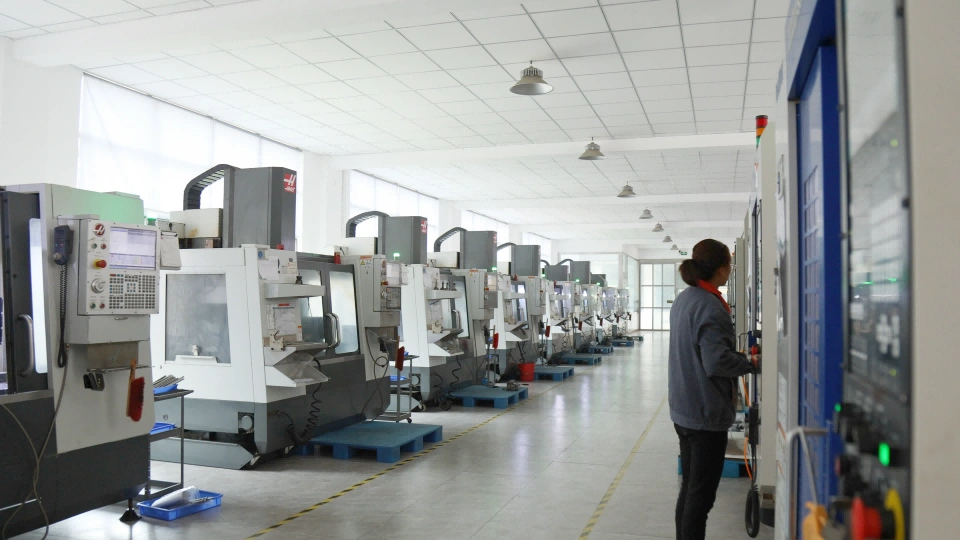
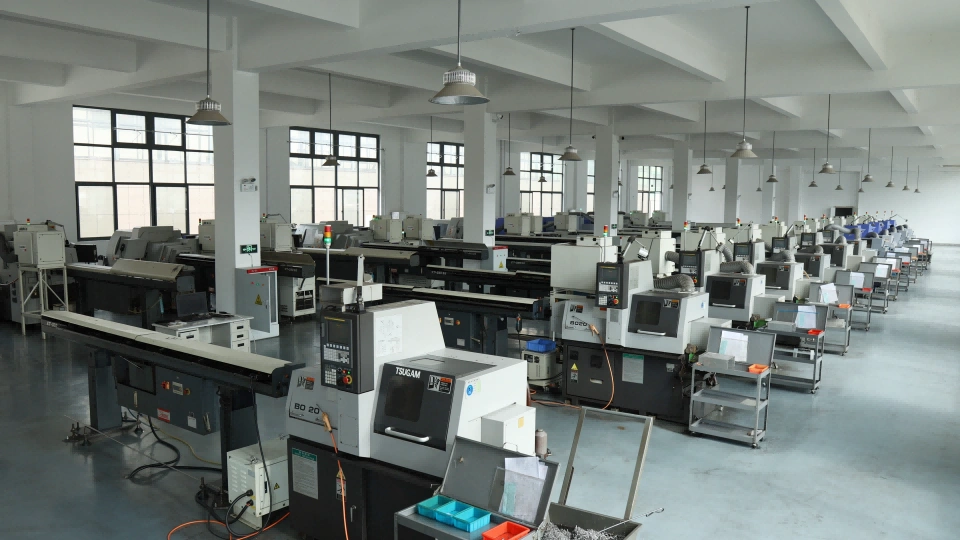
Over the next decade, we will see the widespread clinical adoption of magnesium alloys, biocomposite materials that dissolve without toxicity, and implants infused with osteoinductive proteins. Concurrently, manufacturing lines in China are upgrading to smart robotics and high-end injection molding systems to achieve sub-micron tolerances, ensuring that every suture anchor, bone plate, and intramedullary nail satisfies the tightest margins of error.
Discover how Guangdong Marin-one Medical Devices Co., Ltd. integrates production precision, rigorous QA protocols, and global medical export systems.
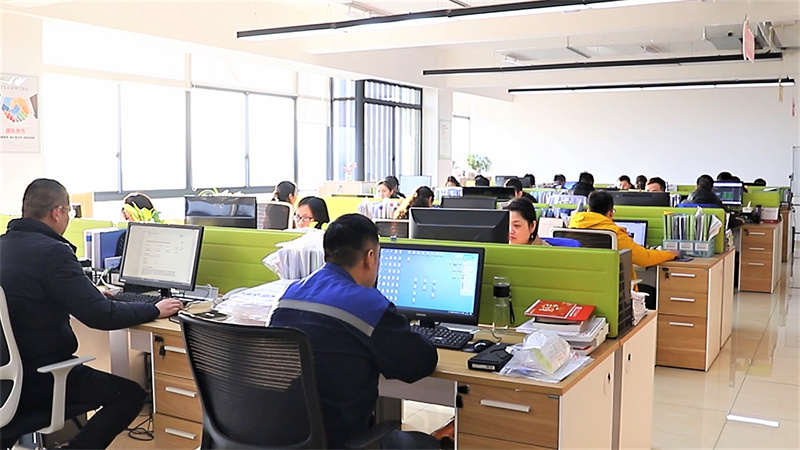
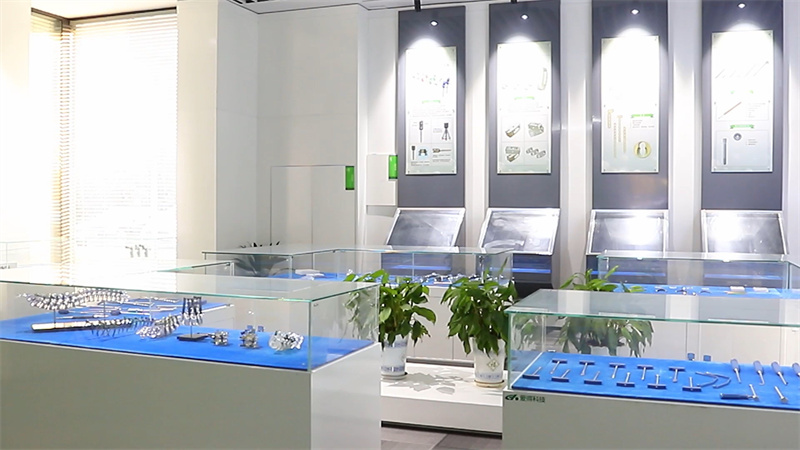
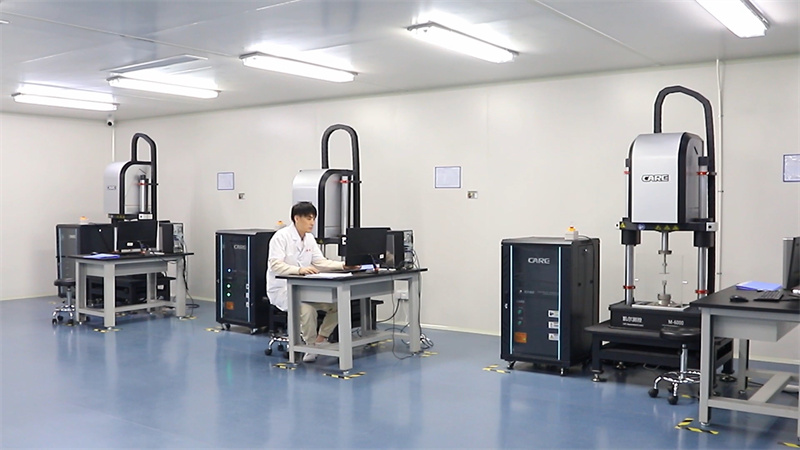
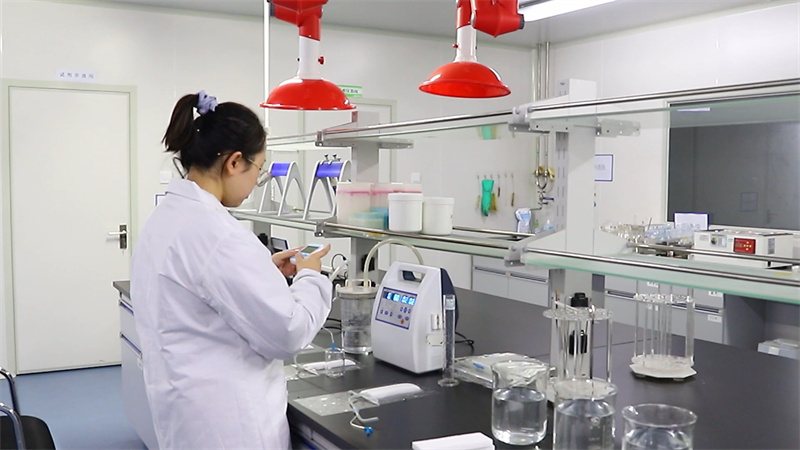
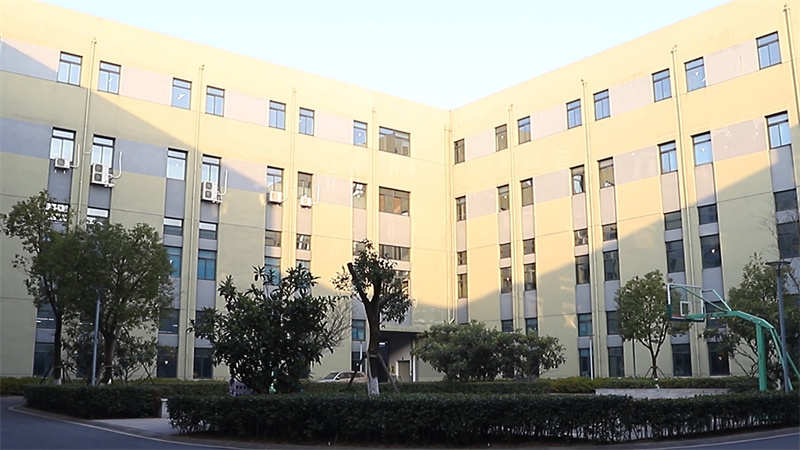
Guangdong Marin-one Medical Devices Co., Ltd. is specialized in manufacturing Orthopedic Implant and instruments, utilizing a diversified business model encompassing Research & Development, precision production, global sales, and export services. The company has built a comprehensive quality management system backed by advanced manufacturing and testing capabilities.
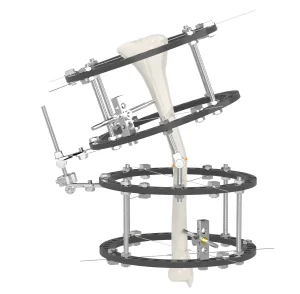
Following more than 18 years of continuous R&D, Marin-one has developed 11 comprehensive medical product series. These systems include Spinal systems, Intramedullary Nail systems, Trauma plate and screw systems, Locking Plate and screw systems, CMF Maxillofacial systems, External Fixation, Joint systems, Medical Power Tool systems, general surgical instruments, Sterilization Box & basket configurations, and veterinary orthopedic implants.
Operating under the primary directive of "quality first, service first, R&D first, innovation first," the company has established a premium market reputation. Our business culture centers around sincere customer service, attention to detail, and a commitment to continuous product improvement.
Gain valuable, expert answers regarding material characteristics, regulatory steps, and shipping details when importing from China.
Browse our secondary catalog containing specialized maxillofacial plate systems, spine implants, and advanced trauma plates designed to secure complex reconstructions.
 Marin-one Medical