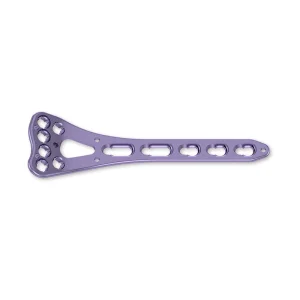
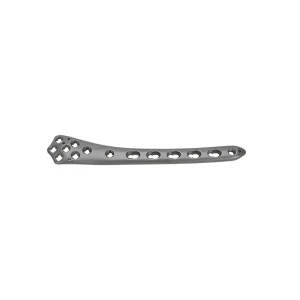
The global orthopedic trauma fixation market has witnessed exponential growth over the last decade, with Distal Medial Tibia Plates emerging as a cornerstone in reconstructive surgery. These specialized implants are engineered to treat fractures of the distal tibia, particularly those involving the medial malleolus and the weight-bearing surfaces of the ankle joint. As urban development increases and sports participation rises globally, the incidence of high-energy trauma and complex lower-limb fractures has surged, driving the demand for high-precision locking compression plates (LCP).
From a commercial perspective, the market is no longer dominated solely by Western giants. China best distal medial tibia plates factories have revolutionized the industry by integrating AI-driven design with cost-efficient manufacturing. This shift has enabled healthcare providers in emerging markets—across Southeast Asia, Latin America, and Africa—to access premium-grade titanium implants that were once prohibitively expensive. The industrial evolution focuses on "Anatomical Pre-contouring," where plates are shaped during manufacturing to match the natural curvature of the human tibia, reducing the need for intraoperative bending and shortening surgical times.
Modern trends in distal tibia fixation are moving toward Variable Angle (VA) Locking Technology. This allows surgeons to direct screws into specific bone fragments that may not align with standard fixed-angle trajectories. Furthermore, the use of Type II Anodized Titanium has become the gold standard, offering superior biocompatibility, reduced risk of infection, and better imaging compatibility with MRI and CT scans. Our factory in Guangdong is at the forefront of this trend, utilizing Swiss-made CNC machines to ensure tolerances within microns.
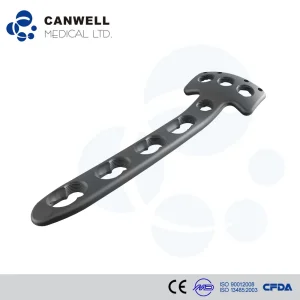
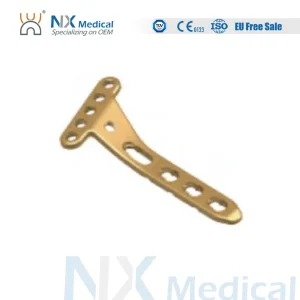
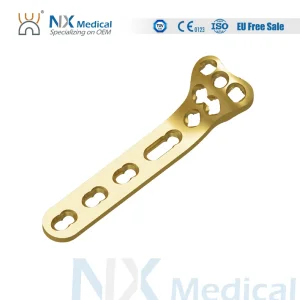
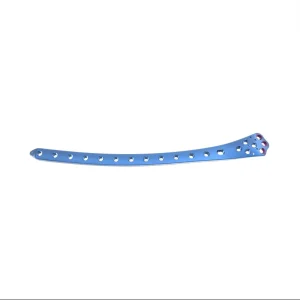
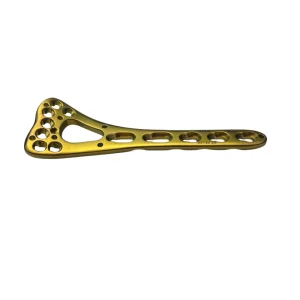
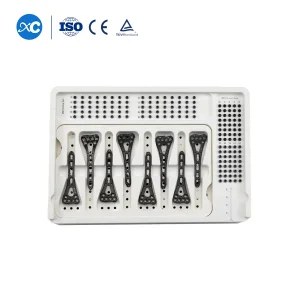
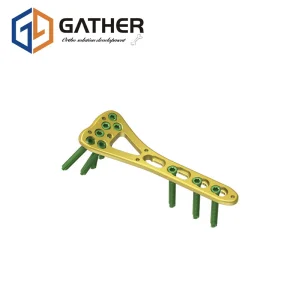
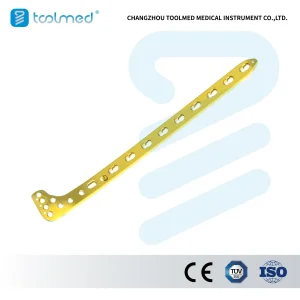
Our flagship Distal Medial Tibia Plate features a low-profile design to minimize soft tissue irritation—a critical factor in the distal tibia where skin coverage is thin. The combi-holes allow for both compression and locking functions, giving surgeons ultimate flexibility. By choosing a China-based factory like ours, global distributors benefit from a robust supply chain that guarantees consistency in alloy grade and surface finish.
Designed for pilon fractures and distal metaphyseal fractures, this plate ensures secondary stability through its internal locking mechanism, which acts as an internal fixator. This is particularly beneficial for osteoporotic patients where traditional screw purchase might be compromised.
In the competitive world of medical device procurement, "value" is redefined by the balance of regulatory compliance, mechanical reliability, and price. Global hospital chains and large-scale distributors are increasingly looking for China best distal medial tibia plates factory partners who hold ISO 13485 and CE certifications. The requirements go beyond the product itself; they include sterile packaging options, comprehensive surgical instrument sets, and responsive after-sales technical support.
Every batch undergoes fatigue testing and static load analysis to ensure the implants can withstand the rigors of human locomotion.
We provide full documentation for FDA, CE, and local MOH registrations, accelerating your time-to-market in any country.
Our R&D team can iterate new designs based on surgeon feedback within weeks, not months, keeping you ahead of competitors.
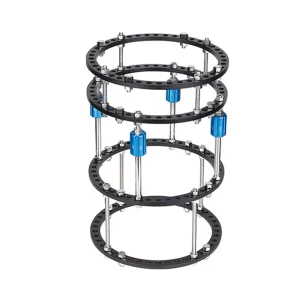
Another critical aspect of procurement is the Local Application Scenarios. For instance, in regions with higher rates of motorcycle accidents, trauma centers require "One-Stop" solutions—plates, nails, and external fixators—all compatible within the same instrument ecosystem. As a diversified manufacturer, Guangdong Marina-one provides this synergy, reducing the inventory burden for our global partners.
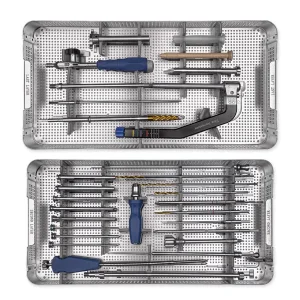
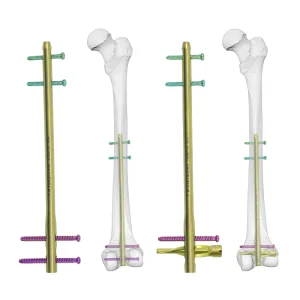
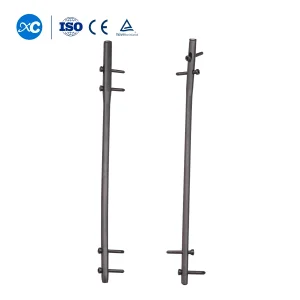
In many complex tibial fractures, a combination of Intramedullary Nails and Medial Plates is required to achieve absolute stability. Our Expert Tibia Nail system is designed to work in tandem with our distal plates, offering a comprehensive solution for segmental fractures. The titanium alloy construction ensures that the patient's immune system does not react to the implant, promoting faster osseointegration.
The distal medial tibia region is notorious for poor blood supply. Our plates are designed with a "Limited Contact" undersurface, which preserves the periosteal blood supply, significantly reducing the risk of non-union and infection. This scientific approach to design is why we are recognized among the best factories in China.
Guangdong Marin-one Medical Devices Co., Ltd. is specialized in manufacturing Orthopedic Implant and instruments, a diversified model of Research and development, production, sales, export. The company has perfect quality management system and advanced production capacity. After more than 18 years research and development, we have about 11 main product series and they are Spinal system, Intramedullary Nail system, Trauma plate and screw system, Locking Plate and screw system, CMF Maxillofacial system, External Fixation, Joint system, Medical Power Tool system, general surgical instruments system, Sterilization Box & basket, veterinary orthopedic etc. In the principle of "quality first, service first, R&D first, innovation first", the company wins an excellent reputation both in domestic and abroad. Customer satisfaction is the purpose of our service.
Since the establishment of the company, all employees have consistently adhered to the business philosophy of "sincere service, continuous improvement", adhered to the service tenet of customer centeredness, pursuit of nobility, attention to details, and reputation first. With professional after-sales service and pioneering spirit, we have established a good reputation.
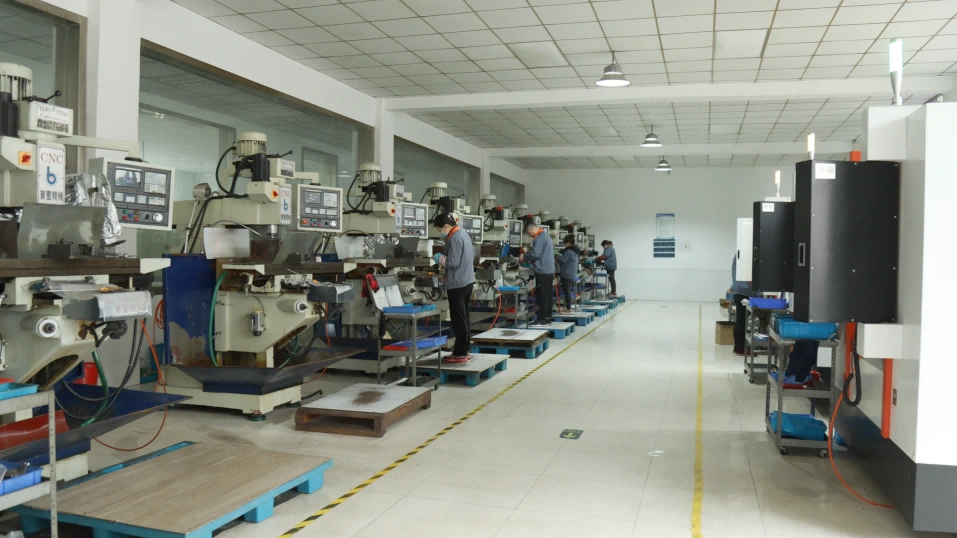
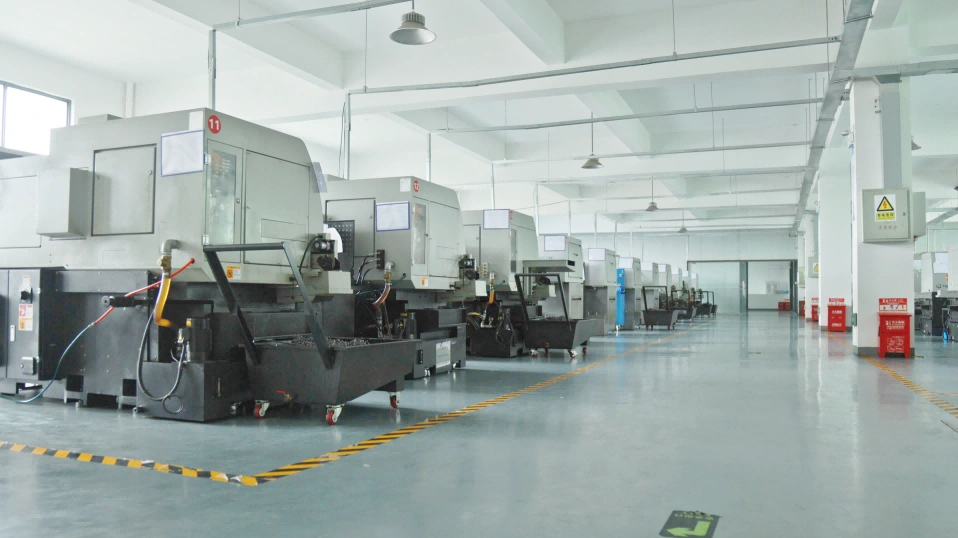
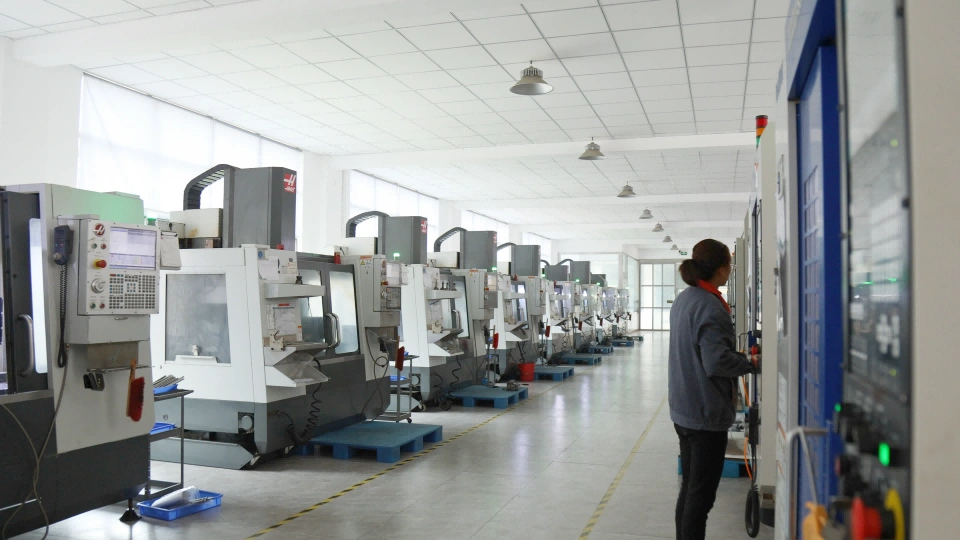
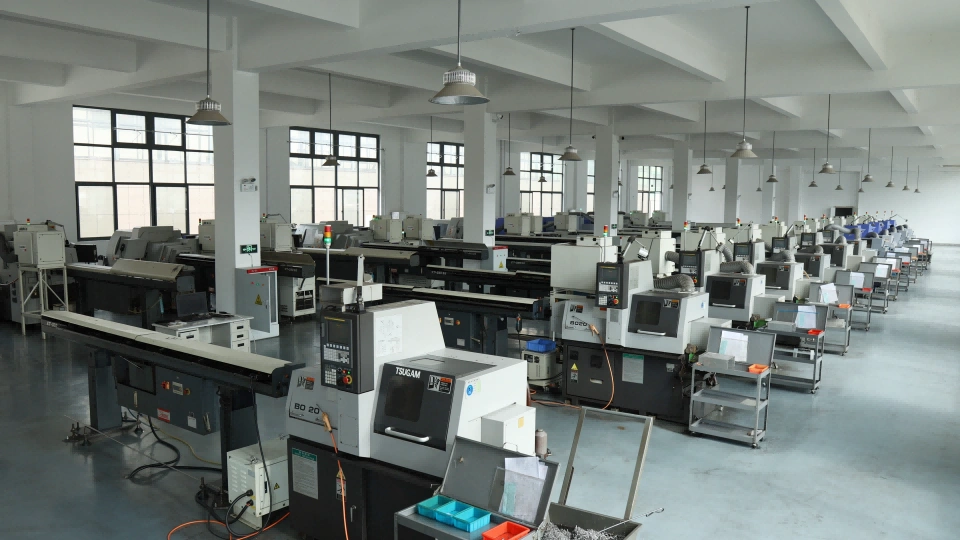
When searching for the China best distal medial tibia plates factories, it is vital to understand the technological infrastructure that supports high-quality production. Modern facilities in China, like Marin-one, utilize 5-axis machining centers which allow for the creation of complex geometries that match human anatomy with unprecedented accuracy. The distal tibia has a unique triangular cross-section that transitions into the medial malleolus; our plates are designed using CT-scan data from thousands of patients to create a "Global Fit" geometry.
Surface treatment is another area where Chinese factories have taken the lead. Through electro-chemical anodization, we create a layer of titanium oxide that is not only more resistant to corrosion but also prevents the "cold welding" of screws to the plate. This is a common issue in orthopedic surgery, and our advanced processing ensures that should the implant need removal years later, the process is smooth and uncomplicated for the surgeon.
The distal tibia is a high-stress area that bears nearly five times the body weight during normal walking. Fractures in this region are often accompanied by significant soft tissue damage, making the choice of implant critical. The medial tibia plate acts as a tension band or a buttress, depending on the fracture pattern. By positioning the plate on the medial side, surgeons can avoid the more precarious lateral approach where the fibula and peroneal nerves reside, provided the fracture morphology allows for it.
Furthermore, our factory's commitment to "Smart Manufacturing" means that we can offer Customized Orthopedic Solutions. While standard plates work for 95% of cases, we have the capability to assist in complex reconstructive cases where bespoke plate designs are needed, utilizing 3D printing in Titanium (SLM technology) to match specific bone defects or deformities.
One of the primary advantages of sourcing from a China best distal medial tibia plates factory is the integration of the entire supply chain. From the raw titanium sponge sourcing in the northern provinces to the high-tech finishing in the Pearl River Delta, the efficiency is unmatched. This allows us to maintain a large safety stock of common sizes (e.g., 4-hole to 14-hole plates), ensuring that when a trauma center needs a resupply, we can ship within 48 hours.
In the post-pandemic era, logistics reliability has become as important as product quality. Our proximity to major shipping hubs like Guangzhou, Shenzhen, and Hong Kong allows us to utilize air freight for urgent clinical needs and sea freight for cost-effective bulk replenishment of distributor warehouses. We understand that in the medical field, a delay of one day can mean a delayed surgery, and we have optimized our internal ERP systems to prevent such occurrences.
 Marin-one Medical