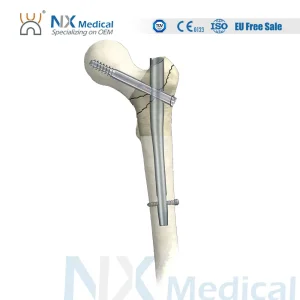
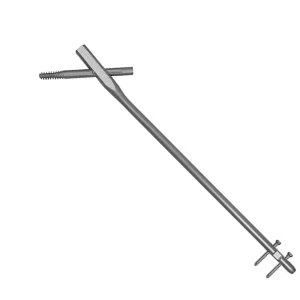
The global orthopedic trauma market is experiencing a significant paradigm shift, with Femoral Intramedullary Nails (IM Nails) emerging as the "gold standard" for the surgical treatment of long bone fractures. As the population ages, the incidence of hip fractures and femoral shaft injuries has increased exponentially. In North America and Europe, the demand for minimally invasive surgery (MIS) has driven the evolution of IM nails toward anatomical designs that allow for faster weight-bearing and reduced hospital stays.
In developing economies across Asia-Pacific and Latin America, the industrial focus is on accessibility and reliability. Governments are increasingly investing in trauma centers, creating a massive vacuum for high-quality, cost-effective orthopedic implants. This is where China's top femoral intramedullary nails factories have stepped in, bridge the gap between high-end clinical requirements and budget-conscious procurement needs.
The market is projected to grow at a CAGR of 6.5%, fueled by rising geriatric populations and road traffic accidents globally.
Transition from traditional stainless steel to high-tensile Titanium Alloys (Ti6Al4V) and carbon-fiber-reinforced PEEK.
Integration with computer-aided surgery (CAS) and robotic navigation for distal locking accuracy.
Global enterprises and medical distributors are no longer just looking for products; they are looking for supply chain resilience. Procurement departments in modern hospitals prioritize:
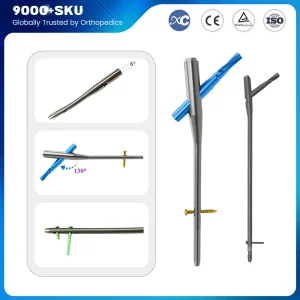
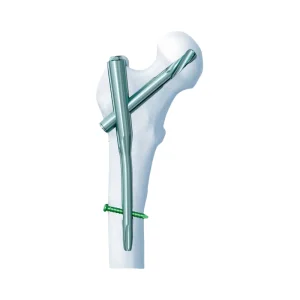
Localized application scenarios vary: In high-altitude regions or developing rural areas, there is a specific need for "Expert" nail systems that are forgiving during surgery and require minimal intraoperative imaging. Our factory specializes in PFNA (Proximal Femoral Nail Antirotation) systems that are specifically engineered for osteoporotic bone, providing superior stability for elderly patients.
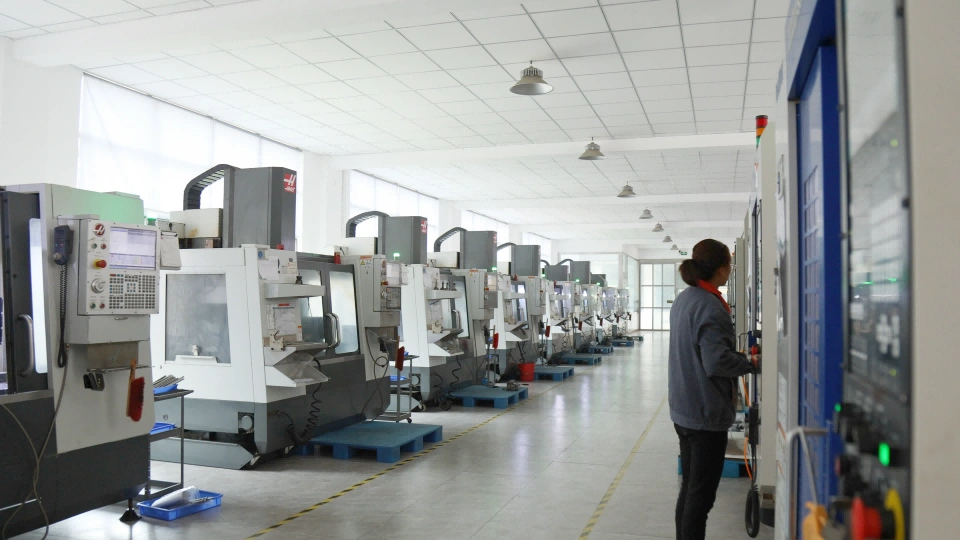
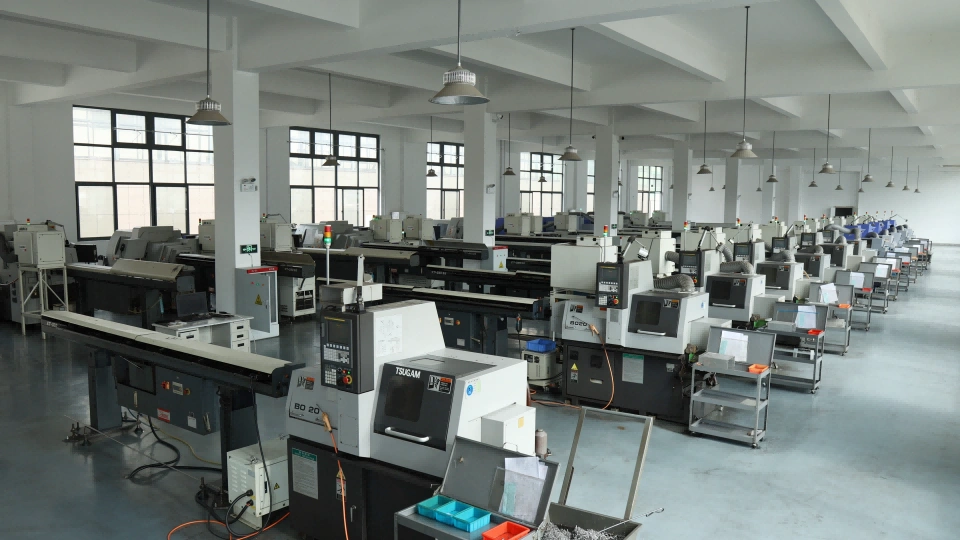
Equipped with Swiss-type CNC machines and advanced coating technologies, ensuring micron-level precision for every interlocking nail.
By optimizing the raw material supply chain in Guangdong, we offer premium titanium implants at a fraction of the cost of Western competitors.
We work directly with clinical surgeons to update designs monthly, ensuring our IM nails adapt to the latest trauma techniques.
Company Profile:
Guangdong Marin-one Medical Devices Co., Ltd. is specialized in manufacturing Orthopedic Implant and instruments, a diversified model of Research and development, production, sales, export. The company has perfect quality management system and advanced production capacity. After more than 18 years research and development, we have about 11 main product series and they are Spinal system, Intramedullary Nail system, Trauma plate and screw system, Locking Plate and screw system, CMF Maxillofacial system, External Fixation, Joint system, Medical Power Tool system, general surgical instruments system, Sterilization Box & basket, veterinary orthopedic etc. In the principle of "quality first, service first, R&D first, innovation first", the company wins an excellent reputation both in domestic and abroad. Customer satisfaction is the purpose of our service.
Since the establishment of the company, all employees have consistently adhered to the business philosophy of "sincere service, continuous improvement", adhered to the service tenet of customer centeredness, pursuit of nobility, attention to details, and reputation first. With professional after-sales service and pioneering spirit, we have established a good reputation.
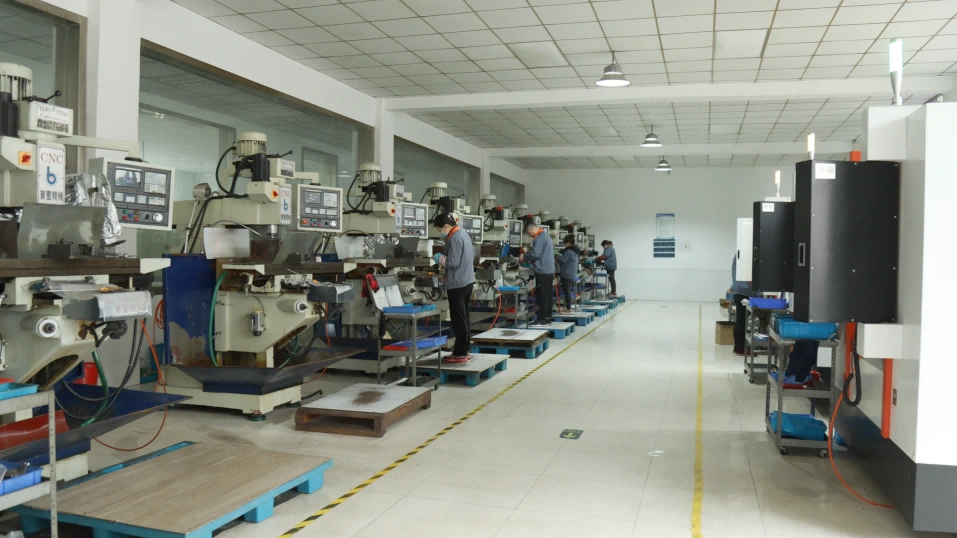
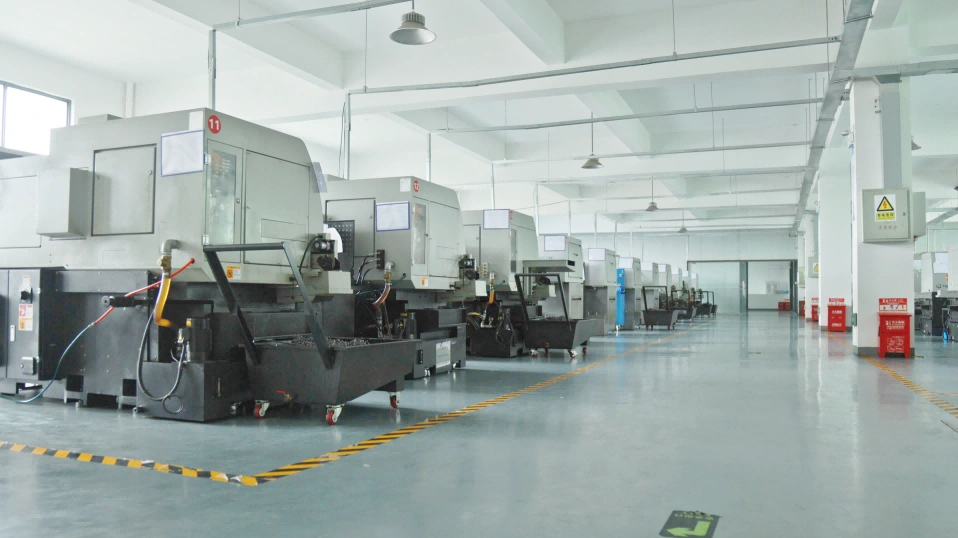
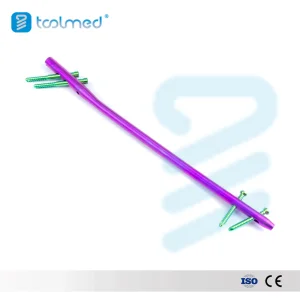
As a leading China Top Femoral Intramedullary Nails Factory, we are at the forefront of surface treatment technologies. Modern orthopedic surgery requires implants that not only provide mechanical stability but also biological integration. We utilize Type II Anodization on our titanium nails, which significantly improves fatigue resistance and reduces the risk of cold-welding between the nail and locking screws.
The Proximal Femoral Nail Antirotation (PFNA) has revolutionized the treatment of trochanteric fractures. Traditional screws were prone to "cut-out" in soft, osteoporotic bone. Our engineered PFNA blades compress the bone rather than removing it, providing a much larger surface area for load distribution. This is critical for early mobilization in geriatric patients, reducing postoperative complications like pneumonia or DVT.
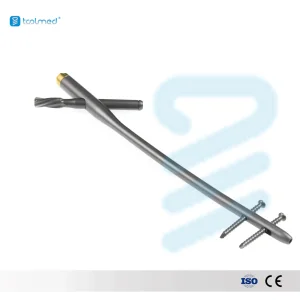
The "China Factory" advantage has evolved. It is no longer just about mass production; it is about high-mix, low-volume flexibility. Whether a hospital in Brazil requires a specific retrograde nail for distal fractures or a distributor in Turkey needs a custom trauma set, our production lines are agile. We utilize AI-driven inventory management to ensure that our global partners never face stockouts of critical surgical sizes.
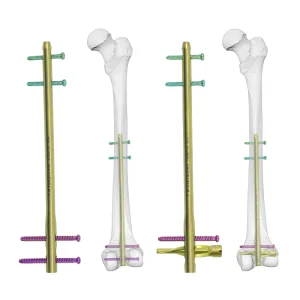
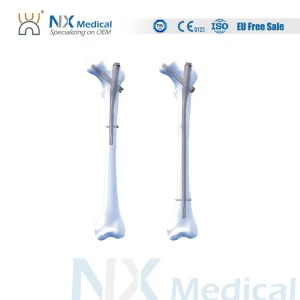
From femoral shaft fractures caused by high-energy trauma to subtrochanteric fractures in the elderly, the application of intramedullary nails is vast. Our nails feature multiple locking options (static and dynamic) to allow for controlled fracture compression. This flexibility is what makes our products the preferred choice for trauma surgeons worldwide who face complex, non-standard fracture patterns every day.
 Marin-one Medical