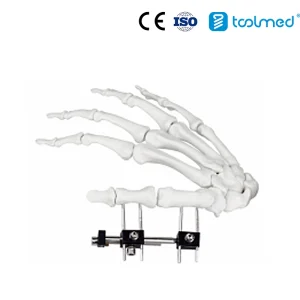
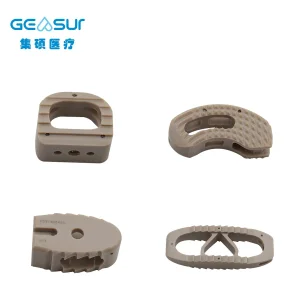
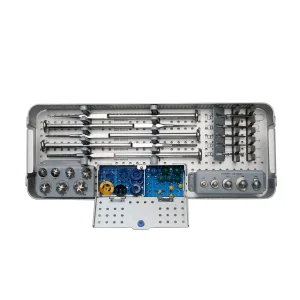
Explore our core selection of globally compliant implants, precision instruments, and high-performance engineering configurations.
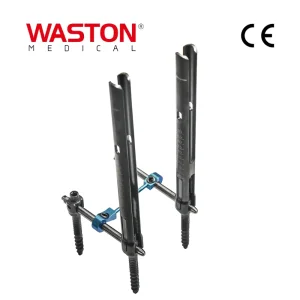
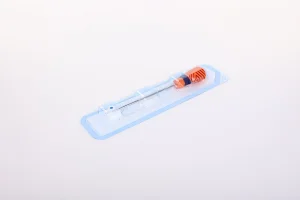
Modern clinical immobilization demands high structural rigidity, superior breathability, and rapid curing dynamics to optimize patient recovery outcomes.
In orthopedic clinical practice, external immobilization is a cornerstone therapeutic modality. From traditional Plaster of Paris (POP) to modern polyurethane-impregnated fiberglass and polyester casting tapes, the material science of immobilization has experienced a revolutionary transition. Orthopedic casting materials must maintain structural integrity under continuous load, accommodate tissue edema profiles, and ensure patient skin compliance.
As a global standard, CE Certification under the European Medical Device Regulation (MDR 2017/745) ensures that orthopedic casting products adhere to stringent biocompatibility, chemical safety, and mechanical stress profiles. This industry whitepaper explores the technological parameters that differentiate elite-tier manufacturers from generic suppliers, focusing on structural polymer cross-linking, manufacturing optimization, and tactical procurement strategies.
| Parameter | Fiberglass Cast | Polyester Cast | Traditional POP |
|---|---|---|---|
| Weight Profile | Ultra-light | Lightweight | Heavy |
| X-Ray Clarity | Excellent | Very Good | Poor |
| Water Resistance | 100% (with liner) | High | None |
| Curing Speed | 3-5 mins | 4-6 mins | 15-20 mins |
*Data compiled from Guangdong Marin-one Medical Devices clinical laboratory evaluations for immobilization dynamics.
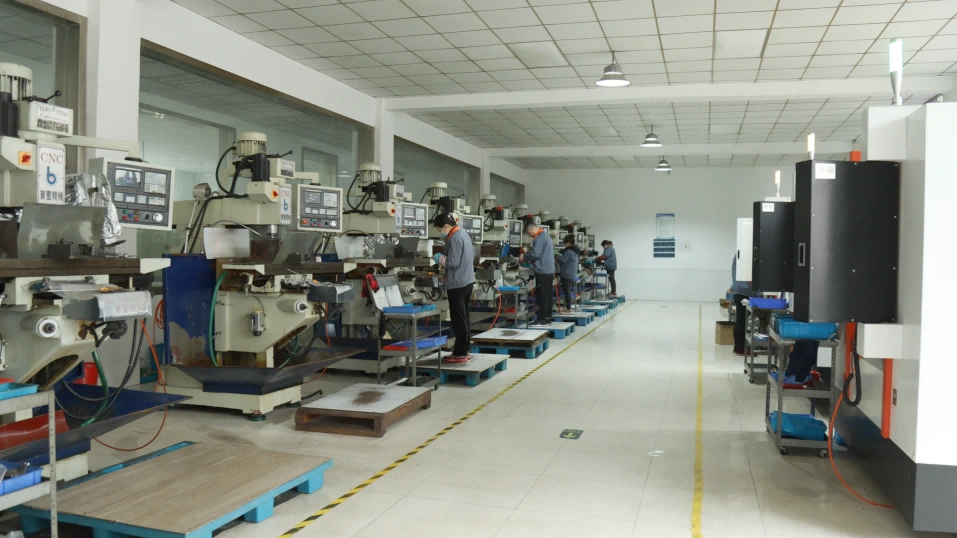
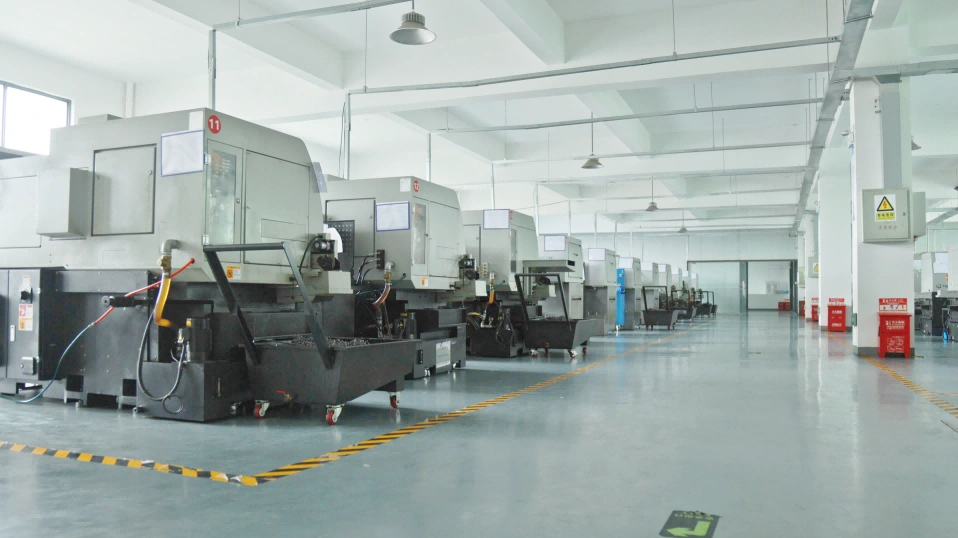
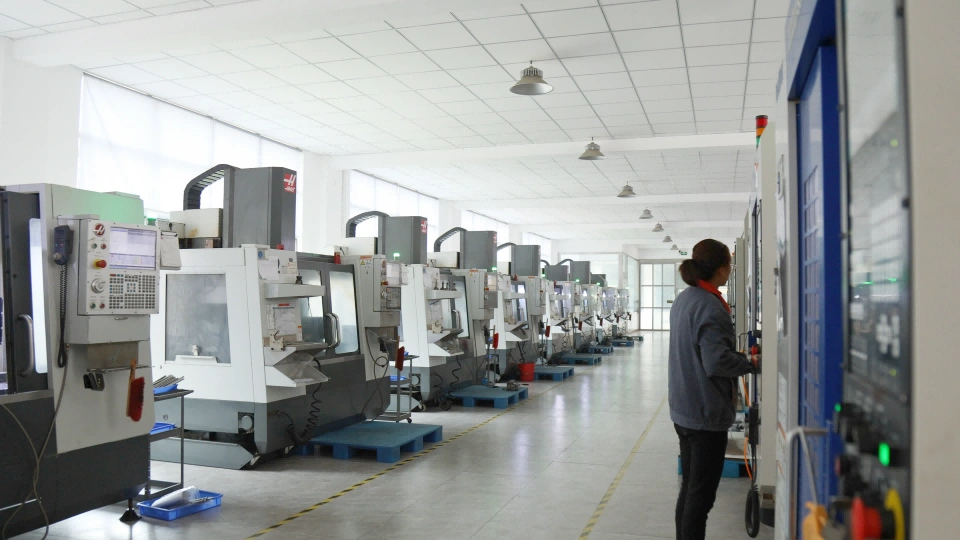
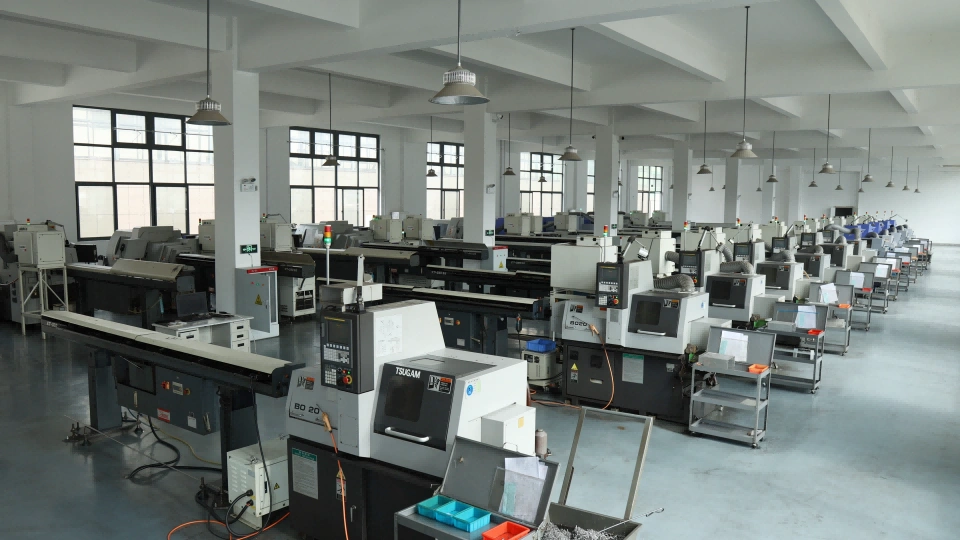
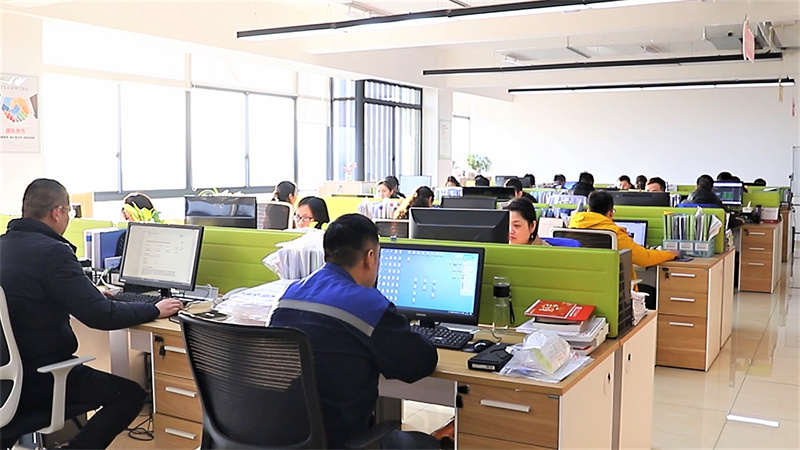
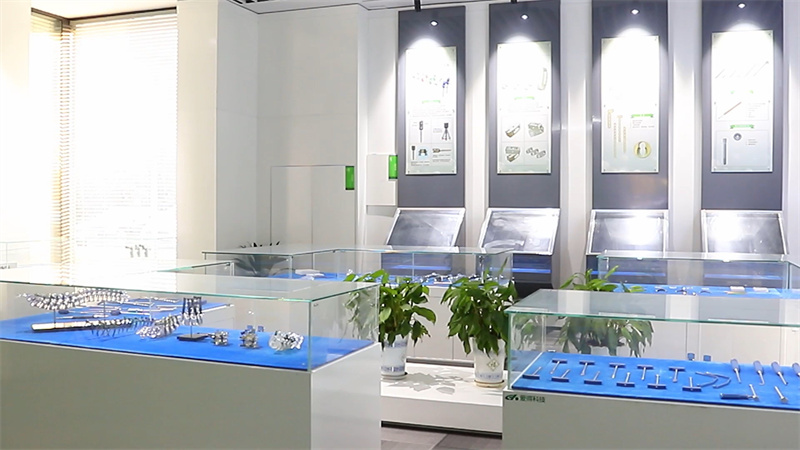
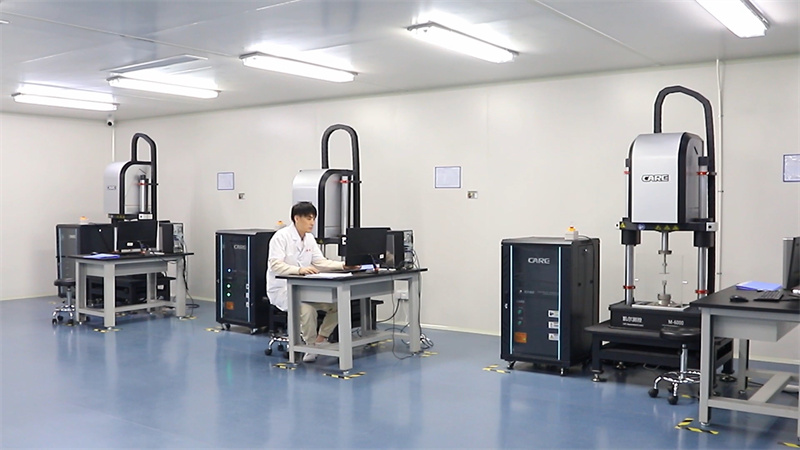
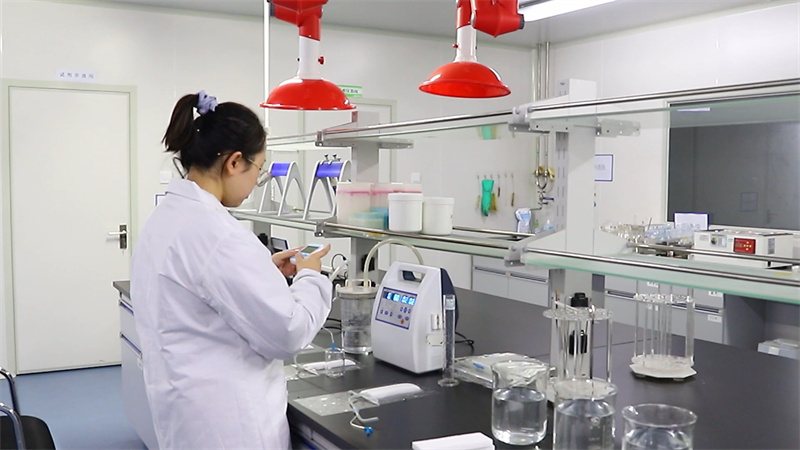
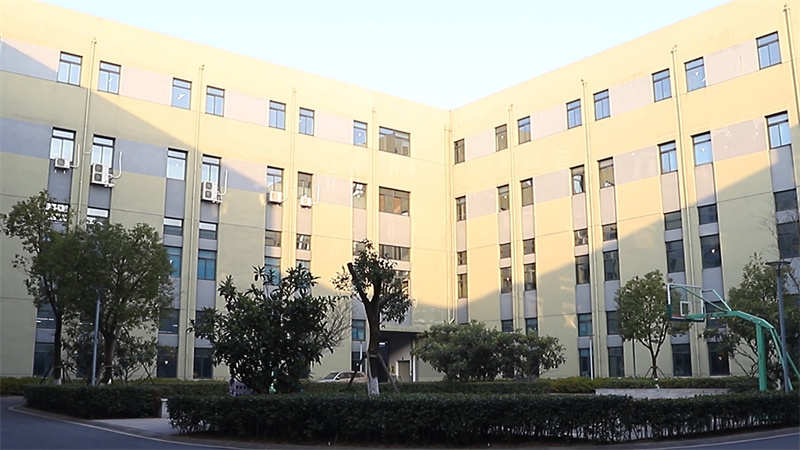
A Globally Recognized Pinnacle of Orthopedic Development, Production, and Quality Management.
Specializing in the comprehensive manufacturing of premium Orthopedic Implant systems, casting products, and surgical instruments, Guangdong Marin-one Medical Devices Co., Ltd. stands as a vanguard of diversified medical technology. Integrating rigorous Research and Development, state-of-the-art production infrastructures, global B2B sales networks, and international trade operations, the company operates under a strict paradigm of quality assurance.
Backed by over 18 years of intensive technological research, Marin-one has successfully developed 11 primary product series, establishing deep vertical competence across:
Adhering closely to the central business ethos of "Quality First, Service First, R&D First, Innovation First," Marin-one has cultivated a premier market standing in Europe, North America, and across the Asia-Pacific region.
Why modern global supply networks rely on the high industrial density and advanced cost-competitiveness of Guangdong medical hubs.
The clustering of petrochemical raw material suppliers, precision weaving mills, and clinical packaging laboratories in Guangdong minimizes transport delays and material variability, driving stable B2B lead times.
Chinese production lines utilize automated impregnation machinery that precisely controls resin-to-fabric ratios, preventing dry spots and ensuring consistent curing profiles across massive production batches.
By leveraging optimized labor division, efficient energy infrastructures, and high-volume raw material procurement agreements, factories can offer significant unit cost reductions without compromising global regulatory conformity.
The convergence of biocompatibility, smart sensing, and patient comfort is driving the next generation of orthopedic cast design.
Traditional synthetic fiberglass formulations, while structurally excellent, present disposal and recycling concerns in highly regulated environmental zones. Future-focused exporters are researching biodegradable water-activated polyurethane coatings applied to natural plant fibers. These eco-friendly substrates deliver comparable tensile performance with significantly lower environmental footprints.
Long-term skin confinement frequently results in maceration, itching, and bacterial odors due to localized sweat retention. The implementation of open-grid micro-weave designs, combined with antimicrobial copper or silver nanoparticle coatings within the polyester matrix, is transforming post-injury management. These advanced materials prevent bacterial colonization and protect dermal health over extended 6-to-8 week recovery windows.
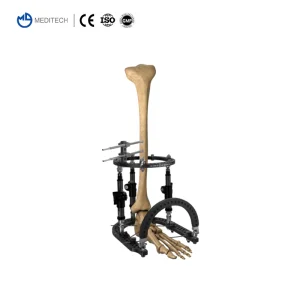
Modern trauma care combines internal fixation with temporary external casting to stabilize complex, comminuted fractures. Systems such as the Ilizarov Ring External Fixator require specialized accessory padding and localized casting configurations. Manufacturers who offer matching, certified orthopedic casting materials along with implants (trauma plates, locking plates, and screws) provide a one-stop-shop procurement model that guarantees physical and chemical compatibility in sterile operating environments.
From tactical battlefield emergency care to modern small-animal veterinary clinics, orthopedic casts require targeted specifications.
In professional sports medicine, quick recovery of mobility is critical. Our thin, high-rigidity fiberglass casting tapes allow athletes to engage in customized physical therapy early. The material's high flexural strength minimizes the casting thickness, allowing it to fit into custom braces and footwear.
Children require casting tape that is non-toxic, lightweight, and available in bright colors to reduce hospital anxiety. Our pediatric series features skin-friendly polyurethane resin with minimal tacky residue, preventing any skin irritations during application and removal.
Catering to small-animal joint replacements and bone trauma, specialized veterinarians require cast bands that resist chewing and high impact. We provide durable, high-impact polyester splint systems engineered specifically for veterinary anatomy and harsh animal environments.
Ensuring compliance, logistic stability, and quality verification during B2B medical supply procurement.
B2B buyers, including public hospital groups, private distribution networks, and medical OEM entities, face strict challenges when importing orthopedic casting systems. Selecting the correct manufacturer requires assessing quality standards, regulatory document completeness, and operational capability.
Under the new European Union Medical Device Regulation (MDR 2017/745), class Class I sterile or measuring orthopedic casting products require a comprehensive Technical File. Buyers must verify the manufacturer’s CE declarations with authorized Notified Bodies to avoid port customs delays and compliance liabilities.
Water-activated polyurethane resins are sensitive to atmospheric moisture. Sub-standard aluminum packaging can lead to premature hardening inside the pouch. Marin-one employs premium multi-layer aluminum packaging, ensuring a shelf-life of 2-3 years under standard warehouse conditions.
| Procurement Milestone | Standard Factory Requirements | Marin-one Quality Safeguards |
|---|---|---|
| Raw Material Audit | Commercial grade fibers, varying resin viscosity | Medical-grade raw materials, uniform polyurethane viscosity |
| Biocompatibility Verification | Self-declared non-irritant status | ISO 10993 certified non-sensitizing and non-irritating profiles |
| Customs Compliance | Standard customs filing assistance | Direct Notified Body CE Certification, full ISO 13485 alignment |
| Packaging Quality | Single layer foil, higher leak rates | Multi-layer composite foil with nitrogen purging options |
Addressing the key technical, regulatory, and logistics questions from professional medical buyers and importers.
Premium trauma fixation plates, anchors, and specialized surgical equipment from our ISO-certified production lines.
 Marin-one Medical