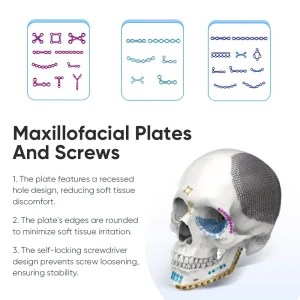
Explore our high-precision manufacturing capabilities for osteosynthesis implants, including advanced plating, dynamic compression systems, and high-performance biomaterial configurations.
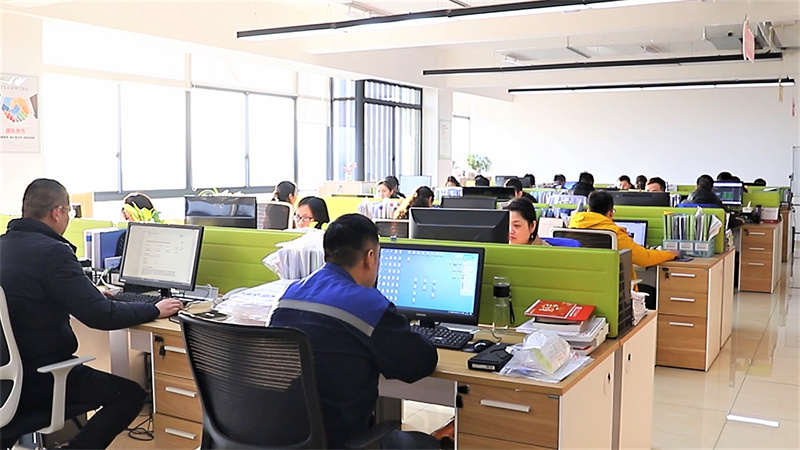
Guangdong Marin-one Medical Devices Co., Ltd. is specialized in manufacturing Orthopedic Implant and instruments, presenting a highly integrated model of research and development, production, sales, and global export. Driven by a perfect quality management system and advanced manufacturing capacity, we have successfully developed 11 main product series over the last 18 years, including Spinal system, Intramedullary Nail system, Trauma plate and screw system, Locking Plate and screw system, CMF Maxillofacial system, External Fixation, Joint system, Medical Power Tool system, general surgical instruments system, Sterilization Box & basket, and veterinary orthopedics.
In accordance with our core principle—"quality first, service first, R&D first, innovation first"—we have built a peerless reputation both domestically and internationally. Our client-centric philosophy, focus on minute micro-tolerances, and rapid OEM/ODM prototyping cycles ensure that your products arrive in clinical settings with absolute biomechanical reliability.
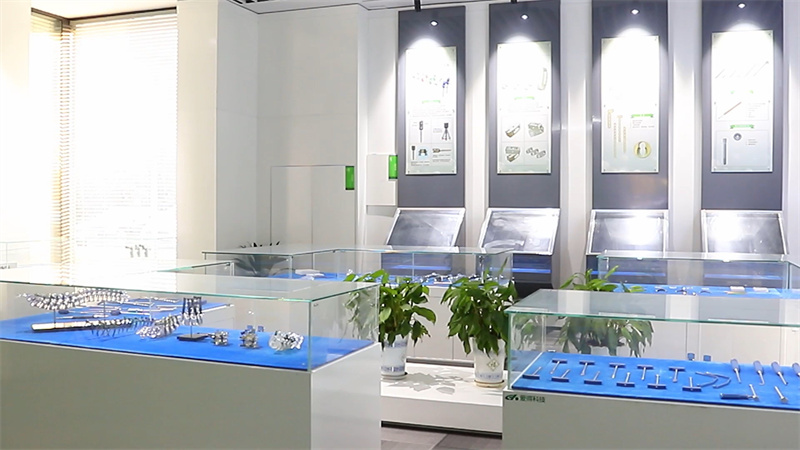
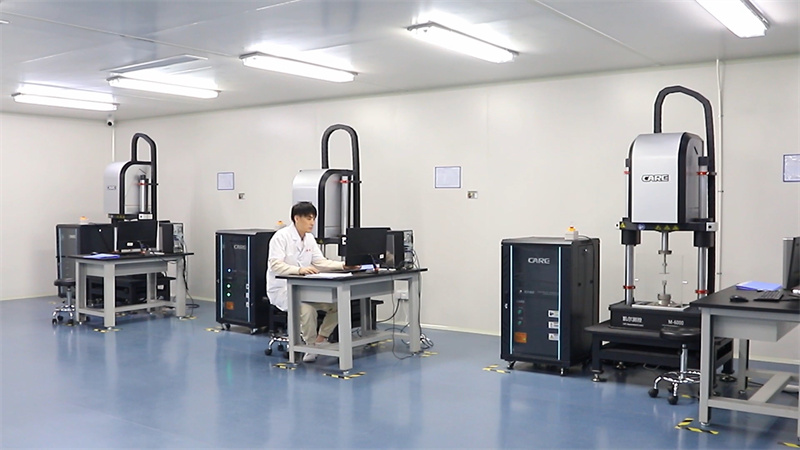
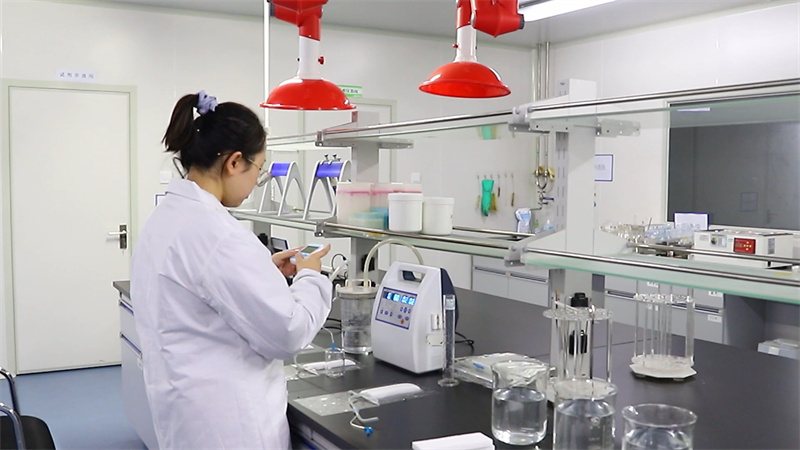
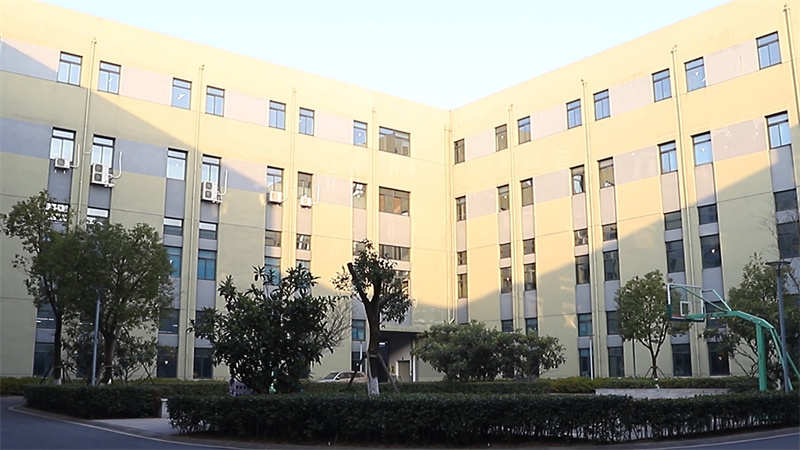
Adapting to global market shifts, changing patient demographics, and high-performance biomaterial applications.
The global rise in geriatric populations coupled with a growing preference for active lifestyles has driven unprecedented demand for high-strength osteosynthesis devices. Internal fixation systems must offer faster recovery profiles, minimized soft-tissue damage, and superior bone-to-implant interface performance.
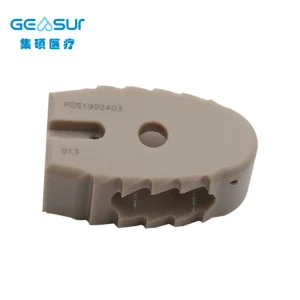
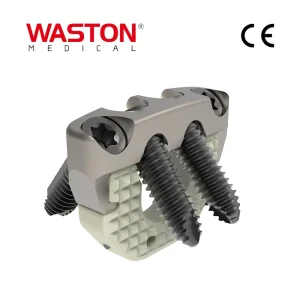
Titanium Alloys (Grade 5, Ti-6Al-4V ELI) remain the gold standard due to their outstanding biocompatibility and high strength-to-weight ratio. Simultaneously, advanced polymers like PEEK (Polyetheretherketone) and carbon-fiber reinforced composites are capturing significant market share in spinal fusion and sports medicine due to their radiolucency and bone-like elastic modulus.
The shift towards patient-specific implants (PSI) and additive manufacturing (3D printing) requires contract manufacturers to have integrated CAD/CAM workflows, fast-turnaround prototyping, and validation processes that can produce custom locking plates and CMF structures with extreme dimensional fidelity.
Our end-to-end design, manufacturing, and global logistic framework is built to address the core challenges of modern orthopedic brands.
Transforming an orthopedic design concept into a sterile, clinically ready implant requires profound regulatory understanding and engineering precision. Guangdong Marin-one operates as a direct extension of your R&D team, mitigating standard manufacturing friction through advanced validation protocols.
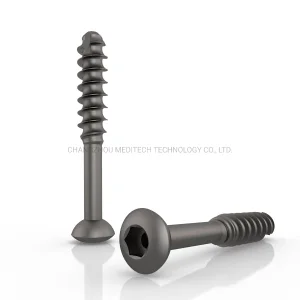
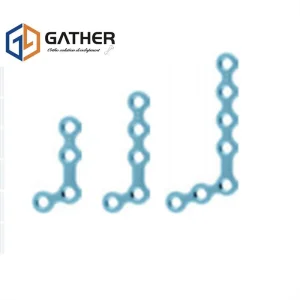
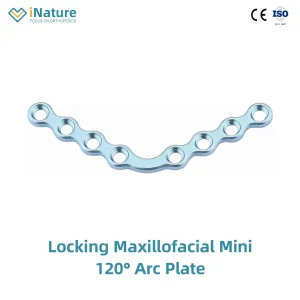
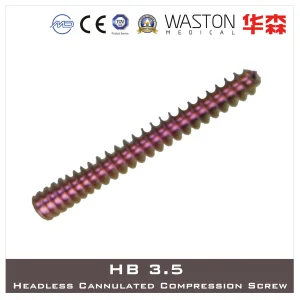
Our specialized 5-axis CNC Milling centers, high-capacity Swiss Lathes, and wire-cut EDM machinery allow us to manufacture implants with micro-tolerances down to ±0.005mm. Whether it is a highly complex CMF L-plate, an interlocking intramedullary nail with micro-engineered locking holes, or custom cannulated compression screws, we ensure mechanical repeatability across all production volumes.
Through rigorous finite element analysis (FEA) and dynamic fatigue testing, our engineering team optimizes raw material usage to minimize the risk of stress shielding. All titanium implants undergo controlled electrochemical anodization to enhance surface stability, reduce wear corrosion, and prevent adverse local tissue reactions in vivo.
We implement stringent verification protocols to align with international regulatory demands, helping you minimize regulatory risks and accelerate time-to-market.
Our quality management systems are designed specifically for medical devices. Every production run is accompanied by a full traceability pathway, starting from the raw material ingot to final batch sterilization records, assuring total accountability.
We actively monitor changes in European Medical Device Regulation (MDR 2017/745) and US FDA regulatory pathways. Our extensive technical documentation and biomechanical verification files streamline standard validation and approval timelines.
All finished implants undergo intensive washing using automated ultrasonic cleaning systems to remove residual cutting oils and particulates. Routine bioburden testing guarantees that critical purity parameters are consistently achieved.
We are investing in advanced technologies to drive the next generation of osteosynthesis devices, ensuring your brand stays ahead of clinical trends.
Expanding our 3D-printing infrastructure to manufacture highly porous trabecular titanium structures that encourage accelerated osseointegration and structural bone ingrowth.
Pioneering clinical research into high-purity magnesium and zinc alloys. These materials naturally degrade after bone healing, eliminating the need for secondary implant removal surgeries.
Developing advanced surface coatings, including silver-doped titanium anodization and specialized polymer drug-eluting structures, designed to actively reduce surgical site infections (SSI).
Integrating micro-electronic strain gauges and biosensors within spinal and trauma constructs to monitor real-time bone consolidation and early hardware failures.
Find technical answers concerning our OEM/ODM operations, material choices, quality control, and regulatory support.
We construct our implants using premium medical-grade Titanium Alloys (Ti-6Al-4V ELI / ASTM F136), pure titanium (Grades 1 to 4), high-alloy Stainless Steels (316LVM / ASTM F138), and high-performance polymers such as PEEK (Polyetheretherketone). All materials come accompanied by full mill certifications and chemical composition assays.
IP protection is a foundational aspect of our OEM relationships. We enforce strict internal firewalls between engineering teams, assign custom designators to proprietary tooling, and establish robust non-disclosure agreements (NDAs) prior to receiving your CAD models or design briefs.
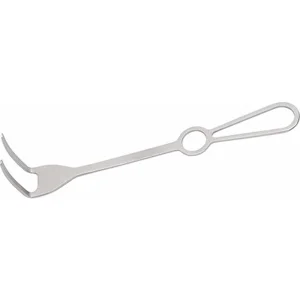
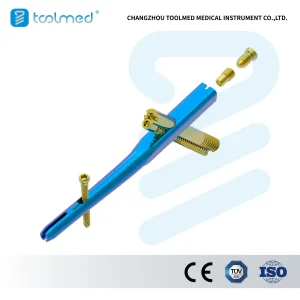
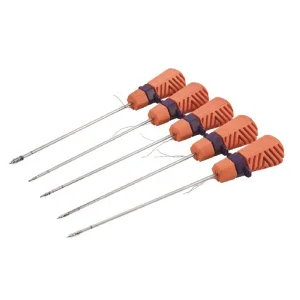
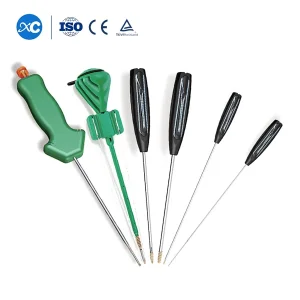
Yes. We specialize in designing and manufacturing matching instrument sets. This includes sterilization boxes, screwdriver assemblies, drills, guide sleeves, and retractor systems customized to match the fit and feel of your custom implants, delivering a seamless clinical experience.
Prototyping cycles usually range between 2 to 4 weeks depending on the configuration and surface treatment. Mass production lead times typically range from 45 to 60 days following sample validation and drawing approvals, which varies based on order volume and scheduling.
Browse our extensive catalog of precision components. Each product is engineered to deliver mechanical stability, biocompatibility, and optimal osseointegration.
Connect directly with our engineering team to review design specifications, coordinate manufacturing audits, or request initial prototyping evaluations for custom spinal, joint, or trauma systems.
Consult With Our Engineers Marin-one Medical