Advanced Orthopedic Trauma Solutions: High-Precision Internal & External Pelvic Stabilizations Engineered for Biomechanical Superiority
Explore our clinically-validated orthopedic solutions, encompassing joint replacements, maxillofacial mini-plates, external fixation devices, and anterior spinal hardware manufactured in our state-of-the-art facility.
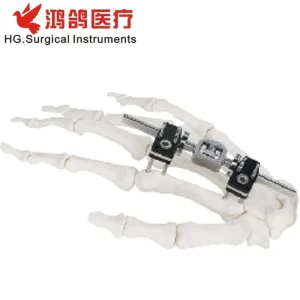
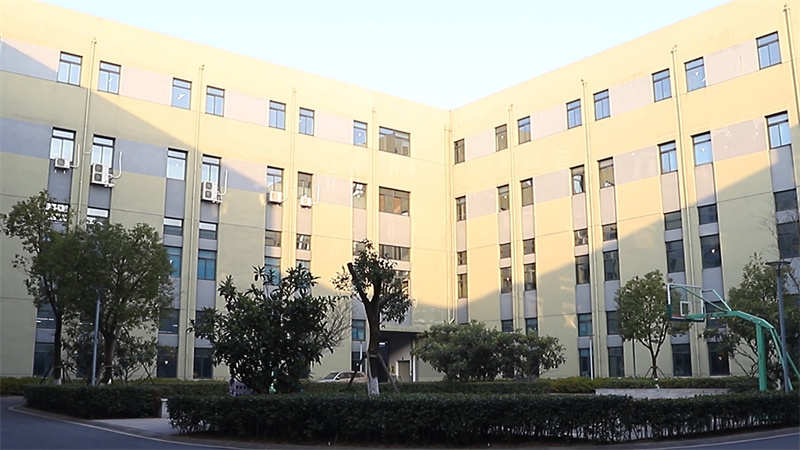
Guangdong Marin-one Medical Devices Co., Ltd. is specialized in manufacturing Orthopedic Implant and instruments, utilizing a diversified model integrating Research and Development (R&D), advanced manufacturing, domestic sales, and global export. Backed by a robust quality management system and cutting-edge production lines, Marin-one delivers orthopedic solutions that conform to strict international medical regulatory pathways.
After more than 18 years of rigorous research and development, we have commercialized approximately 11 main product series. Our comprehensive portfolio includes: the Spinal system, Intramedullary Nail system, Trauma plate and screw system, Locking Plate and screw system, CMF Maxillofacial system, External Fixation, Joint system, Medical Power Tool system, general surgical instruments system, Sterilization Box & basket, and veterinary orthopedic implants.
Adhering strictly to our core principles of "Quality First, Service First, R&D First, Innovation First," Marin-one has earned an outstanding reputation across global trauma centers, hospitals, and medical device distributors. Customer satisfaction constitutes the focal point of our long-term growth and research strategies.
Since our inception, all employees have consistently adhered to the business philosophy of "sincere service, continuous improvement," championing a customer-centered service tenet characterized by the pursuit of nobility, meticulous attention to structural details, and reputation first. Operating under professional after-sales systems and pioneering design mentalities, we have established a solid reputation within the highly competitive international orthopedic trauma supply chain.
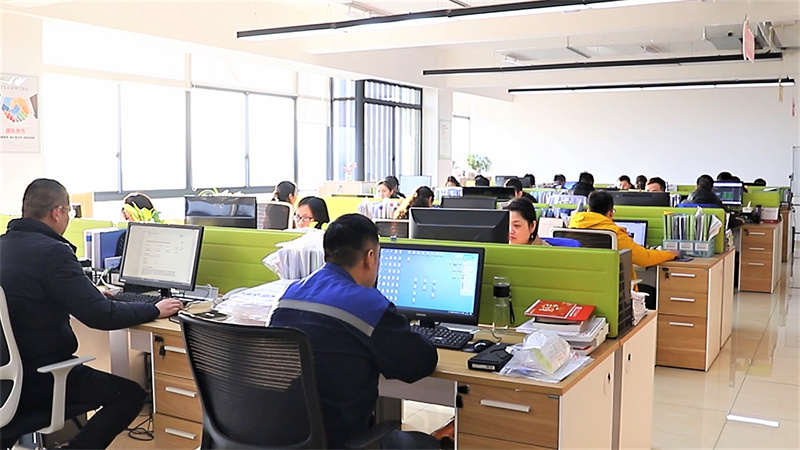
Pelvic ring fractures are among the most challenging injuries encountered by orthopedic trauma surgeons. High-energy impacts from motor vehicle collisions, falls from height, and crush accidents cause complex disruptions to both the anterior and posterior pelvic rings. Restoring anatomy and mechanical stability is vital to mitigate hemorrhage, prevent chronic instability, and allow early mobilization. Pelvic Fixation Systems must withstand immense multi-planar shear and rotational force while maintaining low profile margins to minimize soft-tissue irritation.
The posterior pelvic ring, comprised of the sacroiliac (SI) joints, sacral alae, and the strong posterior sacroiliac ligaments, accounts for approximately 60% of pelvic stability. Complete disruption (such as Tile Type C injuries or Young-Burgess vertical shear injuries) calls for stable mechanical bridging. Marin-one's pelvic fixation range leverages advanced locking systems and curved anatomical plates, facilitating precise, stable internal and external configurations designed to address these complex physiological loads.
| Fracture Classification | Injury Pattern & Instability Type | Recommended Fixation Protocol | Primary Mechanical Goal |
|---|---|---|---|
| Tile Type A | Stable pelvic ring; minimal displacement. | Conservative management or localized locking screw. | Symptomatic relief and bone healing preservation. |
| Tile Type B | Rotationally unstable; vertically stable (Open-book / Compression). | Anterior plating (symphysis pubis) or external fixator. | Restoration of the pelvic volume; rotational stabilization. |
| Tile Type C | Both rotationally and vertically unstable. | Combined posterior SI screws/plates and anterior stabilization. | Resisting vertical shear forces and rotational displacement. |
| Acetabular Fractures | Articular surface displacement (columnar/wall fractures). | Anatomical curved reconstruction plates & lag screws. | Anatomical reduction of joint surface to prevent early osteoarthritis. |
Pre-shaped configurations reduce intraoperative bending time and lower the internal stresses induced in the implant during surgical contouring.
Enables both angular locking and dynamic compression. Surgeons can tailor fixation constructs based on patient bone mineral density.
Type II anodization increases fatigue life, prevents cold welding of locking components, and enhances overall biocompatibility.
The global healthcare supply chain demands a precise balance between strict quality regulatory compliance and cost efficiency. The Guangdong medical device manufacturing cluster, where Marin-one is located, offers distinct advantages for international procurement managers, medical distributors, and OEM brands:
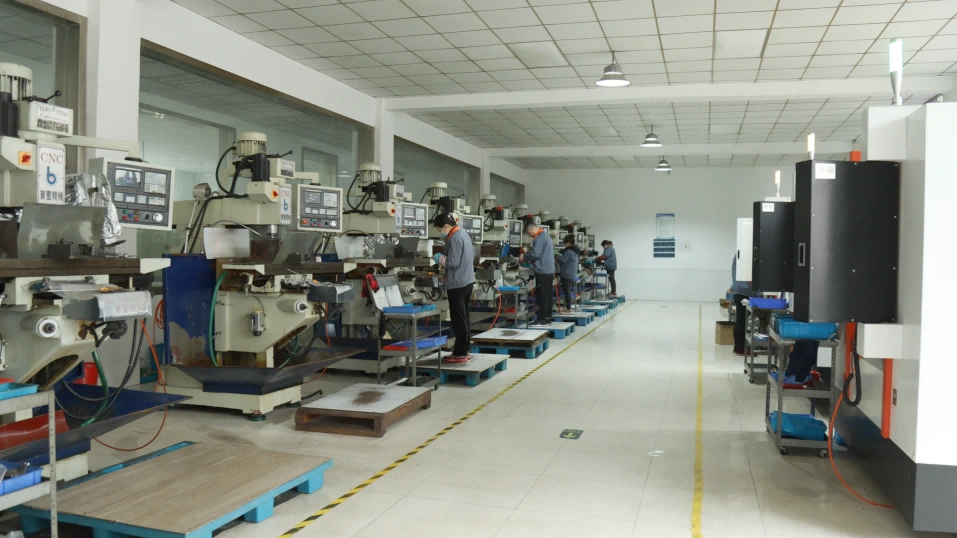
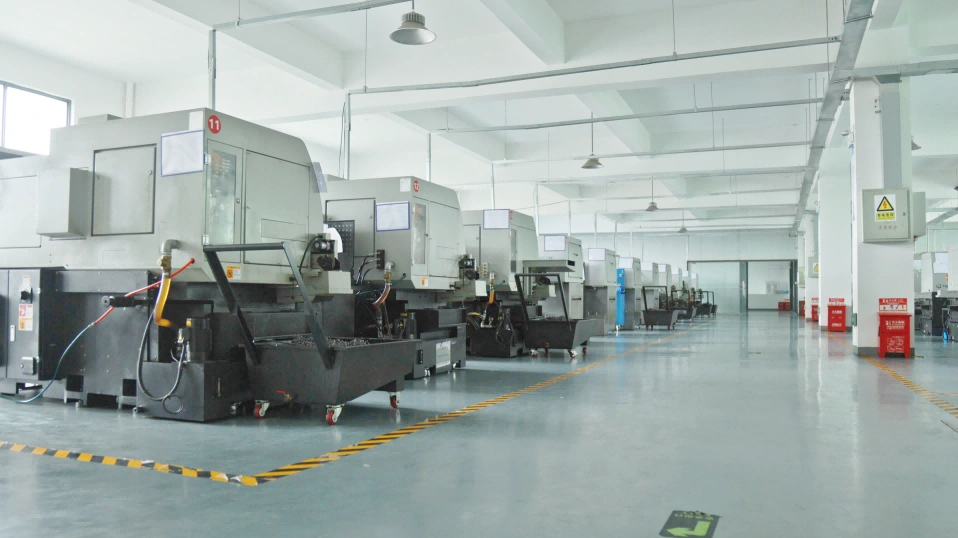
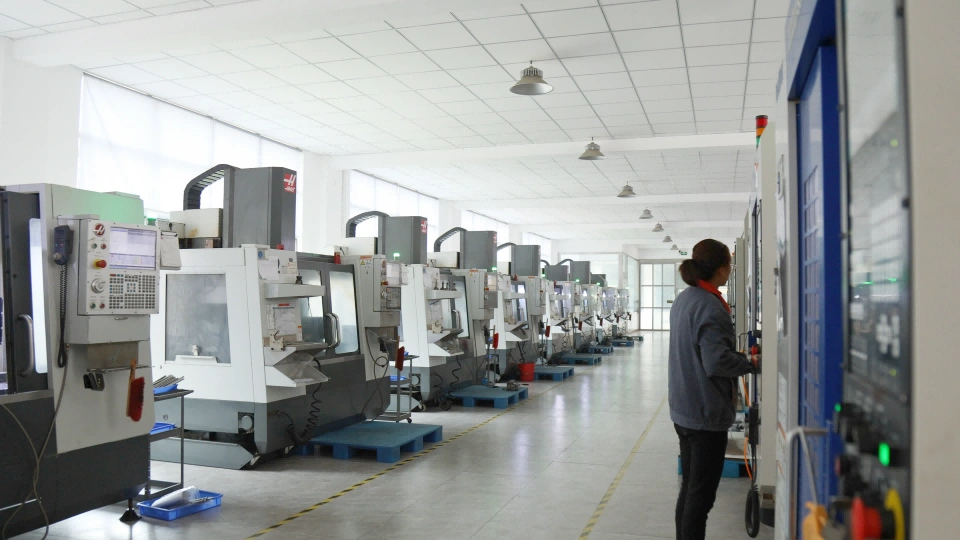
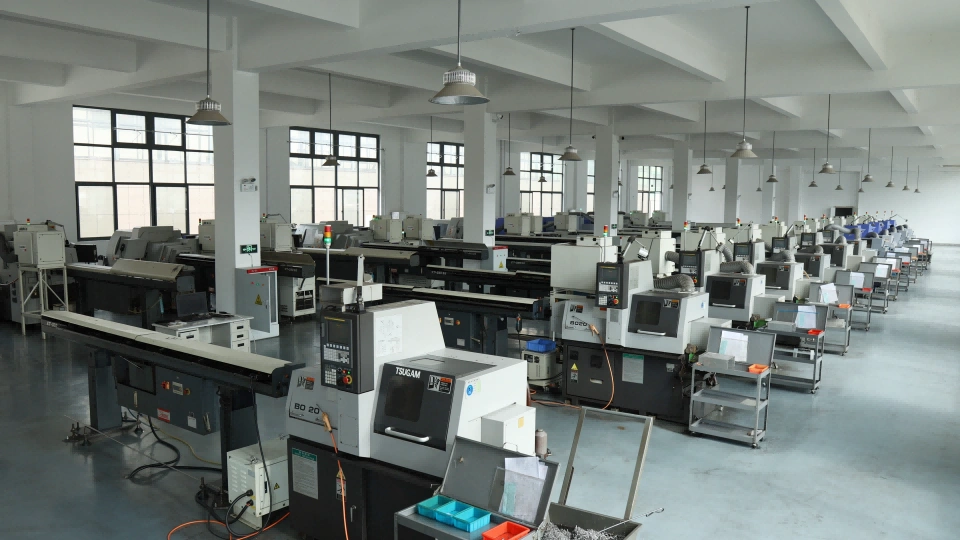
We source medical-grade titanium alloy (Ti-6Al-4V ELI conforming to ASTM F136 / ISO 5832-3) and implant-grade stainless steel from premium, certified suppliers. The local cluster provides instant access to advanced Swiss-type CNC automatic lathes and multi-axis machining centers. This allows for complex geometries, such as the ultra-low profile pelvic reconstructive plates and self-tapping/self-drilling bone screws, to be machined with tolerances down to ±0.005 mm.
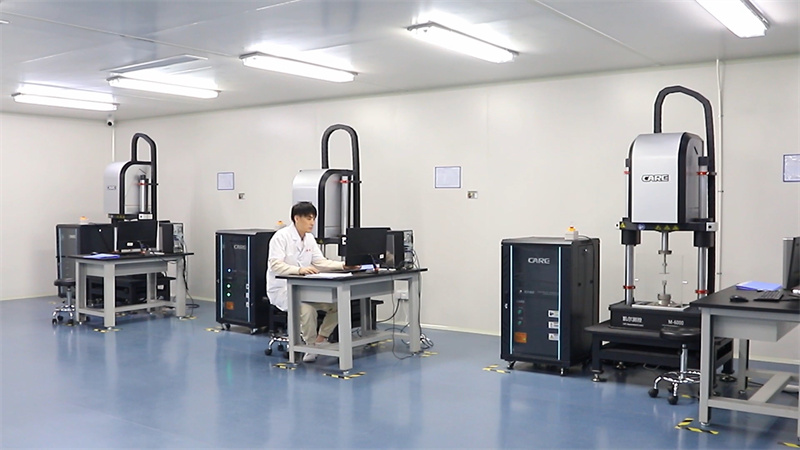
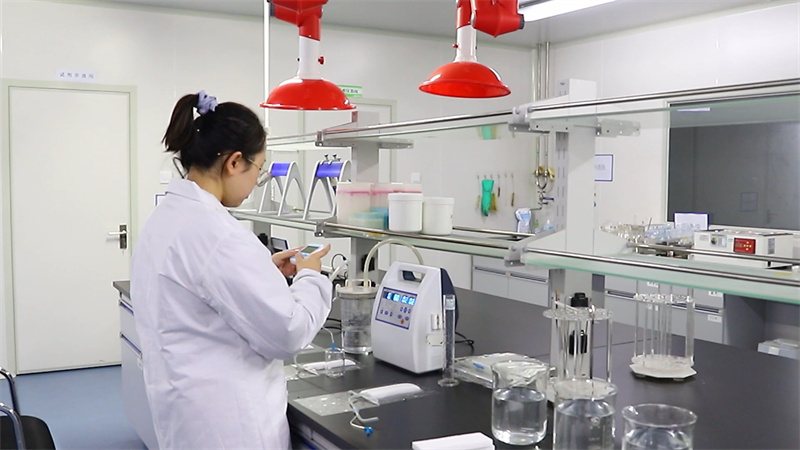
Our facility features class-10,000 cleanrooms dedicated to product cleaning, final inspection, assembly, and sterile packaging. Operating under an audited ISO 13485 quality management framework, we ensure that every batch of pelvic plates and cortical screws undergoes non-destructive testing, dimension validation, and fatigue analysis (e.g., dynamic fatigue testing conforming to ASTM F382).
By controlling all phases of production—from raw bar stock processing and electropolishing to laser marking and sterilization validation—we offer fast turnaround times. Global distributors can co-design customized implant shapes, pelvic instruments, and sterilization boxes, bypassing middleman markups and reducing supply chain vulnerability.
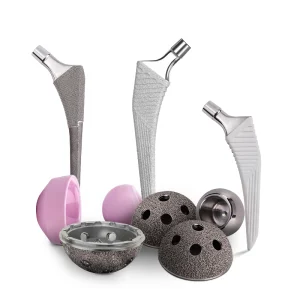
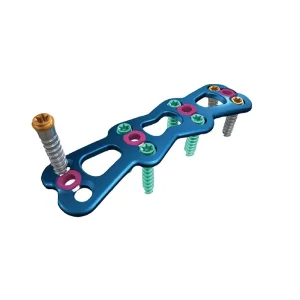
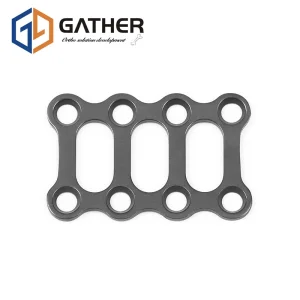
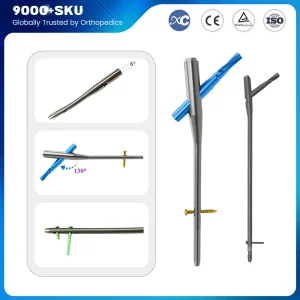
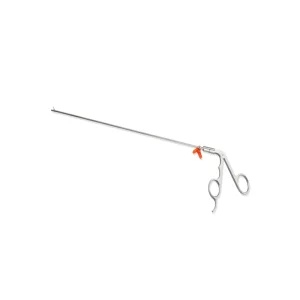
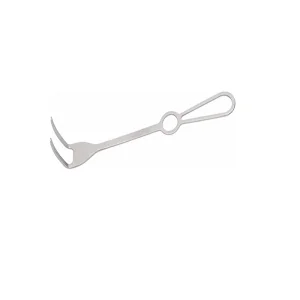
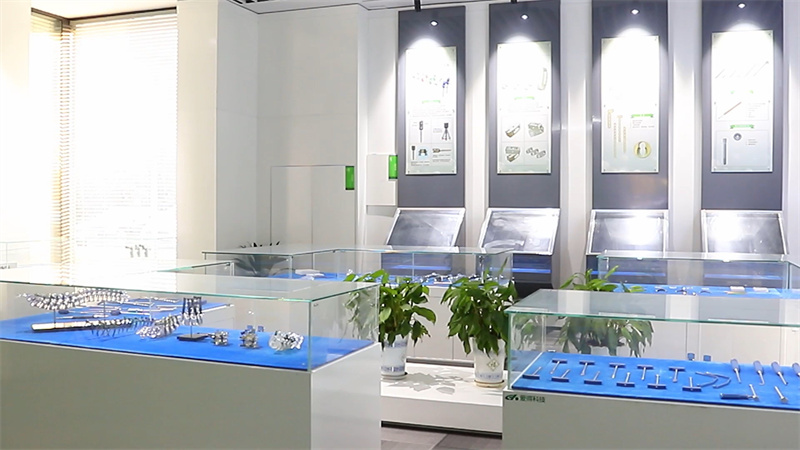
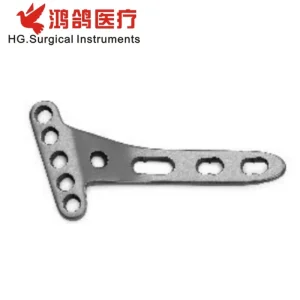
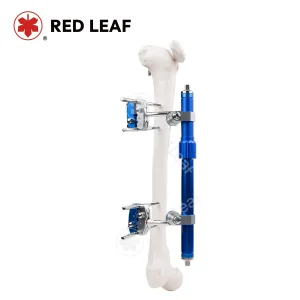
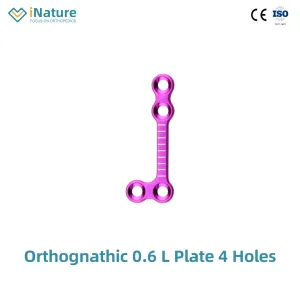
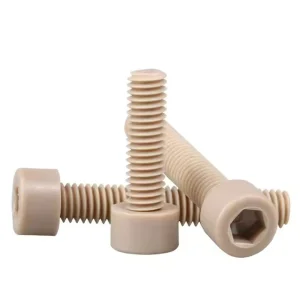
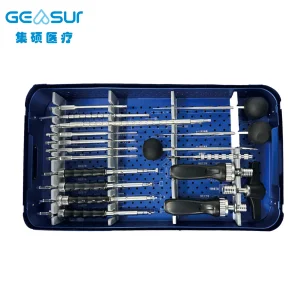
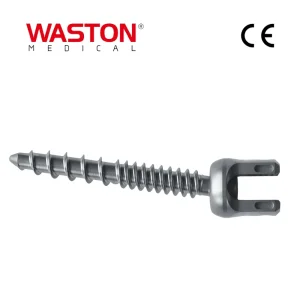
Below is the graphic archive of our specialized implant configurations, highlighting the structural geometry of our spine systems, pelvic fixators, and associated surgical instruments.
National health service tenders and large private hospital groups demand comprehensive clinical proof, biocompatibility profiles, and long-term regulatory compliance. Our pelvic fixation products are fully documented with tech files ready to support local registration pathways (including CE MDR in the EU, FDA 510(k) in the United States, and local MOH approvals in the Middle East and Latin America).
We provide cleanroom-packaged, sterile and non-sterile implants. The non-sterile variants are matched with custom-designed anodized aluminum sterilization boxes. These are engineered to withstand multiple autoclave cycles without losing structural integrity or laser-etched product identification codes.
To simplify operations for international distributors, Marin-one operates a dedicated customs compliance and logistics division. This team specializes in cold-chain logistics coordination, container consolidation, and rapid customs clearance support. We offer customized labeling services with standard GS1-compliant 2D data-matrix barcodes, ensuring complete traceability from our factory floor to the operating room.
Our ISO 13485 certified plant accommodates custom titanium plating configurations, specialty thread geometries for cortical/cancellous locking screws, and tailored orthopedic instrument kits designed to surgeons' proprietary specifications.
The pelvic fixation sector is evolving from standard external fixators and thick recon plates to patient-specific, minimally invasive solutions. Modern surgical techniques emphasize soft-tissue preservation. This has spurred demand for low-profile implants that can be placed via less invasive approaches, such as the anterior intrapelvic (modified Stoppa) approach.
Additionally, computer-assisted navigation and intraoperative CT guidance are reshaping pelvic surgery. Our implants feature distinct radiographic profiles, providing high visibility under fluoroscopy and C-arm imaging. This aids precision screw placement across narrow anatomical corridors, such as the S1/S2 sacral segments, while minimizing radiation exposure for the surgical team.
Plates are designed with tapered tips to facilitate easy percutaneous insertion under soft-tissue tunnels, reducing wound complication rates.
Enables the surgeon to angle locking screws up to 15 degrees in any direction, providing high flexibility to avoid critical vascular networks and target dense bone stock.
We are expanding our R&D into 3D-printed titanium mesh solutions for complex acetabular reconstruction and oncological pelvic resections.
Find detailed answers to typical design, regulatory, material, and manufacturing questions raised by medical purchasing officers and orthopedic distributors.
Browse the remaining sections of our extensive catalog, featuring distal radius locking plates, mini-fragment external fixators, and dynamic spinal instrumentation sets.
 Marin-one Medical