Direct access to sterilised surgical components, implant matrices, and precision receiver power devices engineered to the highest regulatory standards.
The rapid evolution of clinical neuromodulation has positioned Peripheral Nerve Stimulation (PNS) as a cornerstone therapy for chronic intractable neuropathic pain, post-amputation phantom limb pain, and complex regional pain syndrome (CRPS). By targeting specific peripheral nerves (such as the femoral, sciatic, tibial, or suprascapular nerves), PNS delivers targeted electrical micro-pulses that disrupt pain signals before they reach the central nervous system.
Deploying targeted stimulator arrays directly at nerve-musculoskeletal interfaces. Highly effective in treating post-operative neuropathic pain following major joint procedures like total knee arthroplasty (TKA) or total hip arthroplasty (THA). Leads are anchored close to target nerves using PEEK or titanium anchors.
Leveraging high-biocompatibility materials such as Medical Grade Titanium (Grade 5) and PEEK (Polyetheretherketone) to ensure hermetic encapsulation and long-term structural integrity. These materials minimize foreign-body reactions and optimize electrode contact points.
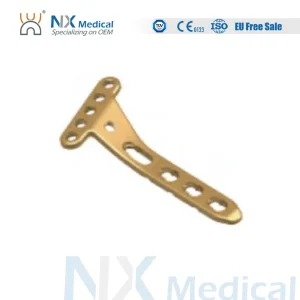
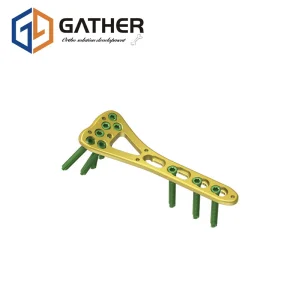
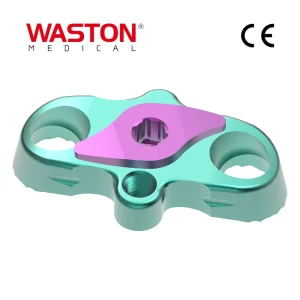
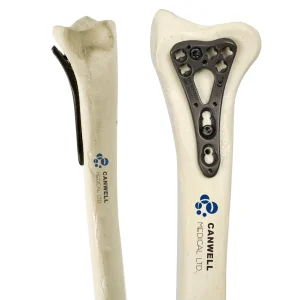
Modern PNS electrodes require reliable anchoring systems to prevent lead migration—a major cause of clinical failure. Our expertise in manufacturing spinal fixation hardware, suture anchors, and variable angle plates directly informs the development of stable neuromodulation leads.
Unveiling the path to next-generation bio-electronic interfaces through advanced material fabrication and precision manufacturing.
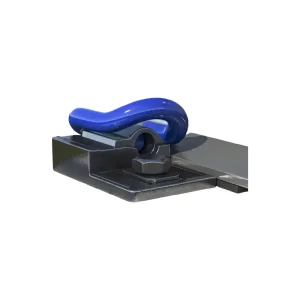
Lead migration is historically the most frequent complication in peripheral nerve stimulation. By utilizing precision-milled PEEK suture anchors and spinal hook systems, surgeons can securely dock multi-contact electrode arrays adjacent to deep-seated somatic nerves without compromising neural micro-vascularization.
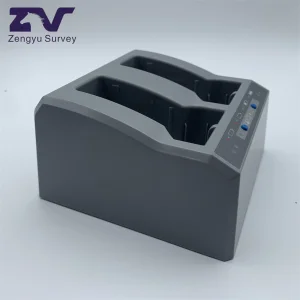
Modern stimulators utilize external transcutaneous RF power transfer (wireless charging) and inductive coupling, reducing the profile of the implanted receiver. The engineering behind specialized medical receivers (comparable to advanced GPS/receiver batteries like Trim BLE) ensures stable voltage delivery, over-current protection, and durable thermal cycling profiles.
| Electrode Material | Platinum-Iridium (Pt-Ir) / Titanium Nitride |
| Housing Material | Biocompatible Grade 5 Titanium / PEEK Optima |
| Hermeticity Standard | He Leak Rate < 1x10^-9 mbar·l/s |
| Lead Anchoring | PEEK active-fixation suture anchors |
| Sterilization Compatibility | EO Gas / Gamma Radiation (ISO 11135 / 11137) |
Guangdong Marin-one Medical Devices Co., Ltd. is specialized in manufacturing Orthopedic Implant and instruments, incorporating a diversified model of Research and Development, production, sales, and export. The company has built a perfect quality management system and possesses advanced production capacity.
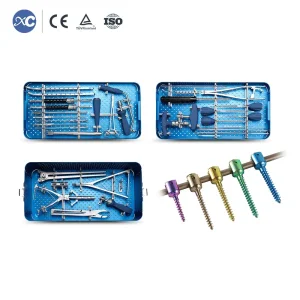
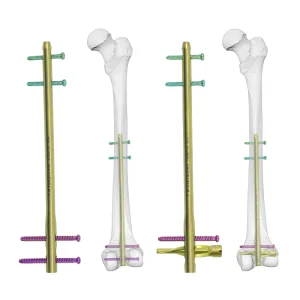
After more than 18 years of research and development, we have established about 11 main product series: Spinal system, Intramedullary Nail system, Trauma plate and screw system, Locking Plate and screw system, CMF Maxillofacial system, External Fixation, Joint system, Medical Power Tool system, general surgical instruments system, Sterilization Box & basket, and veterinary orthopedics.
In adhering to the principal of "quality first, service first, R&D first, innovation first", the company wins an excellent reputation both domestically and abroad. Customer satisfaction is the purpose of our service.
Since the establishment of the company, all employees have consistently adhered to the business philosophy of "sincere service, continuous improvement", adhering to the service tenet of customer-centeredness, pursuit of nobility, attention to detail, and reputation first. With professional after-sales service and a pioneering spirit, we have established an excellent global footprint.
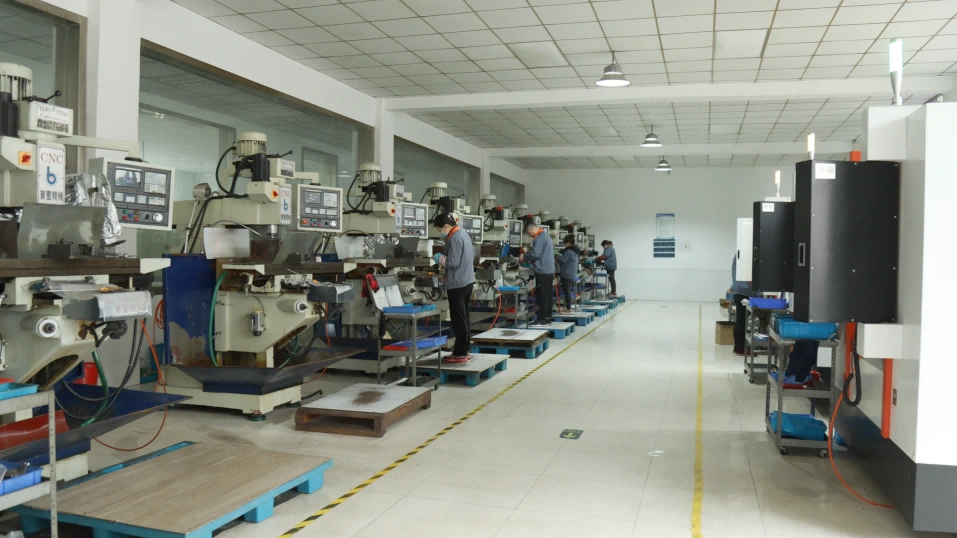
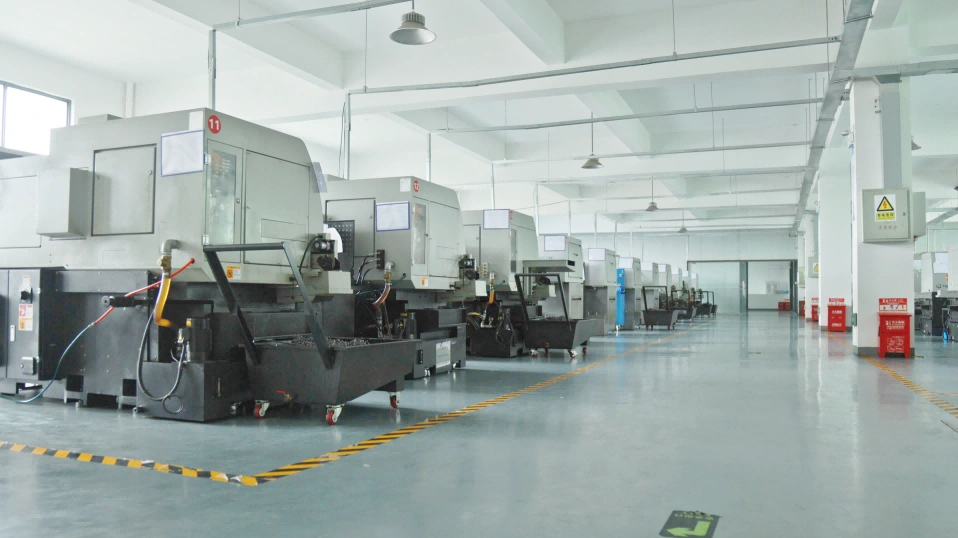
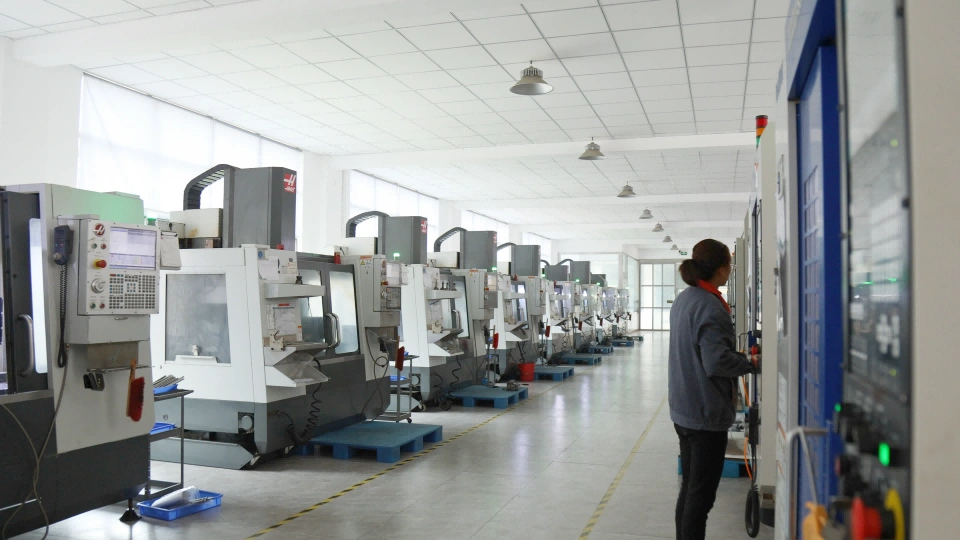
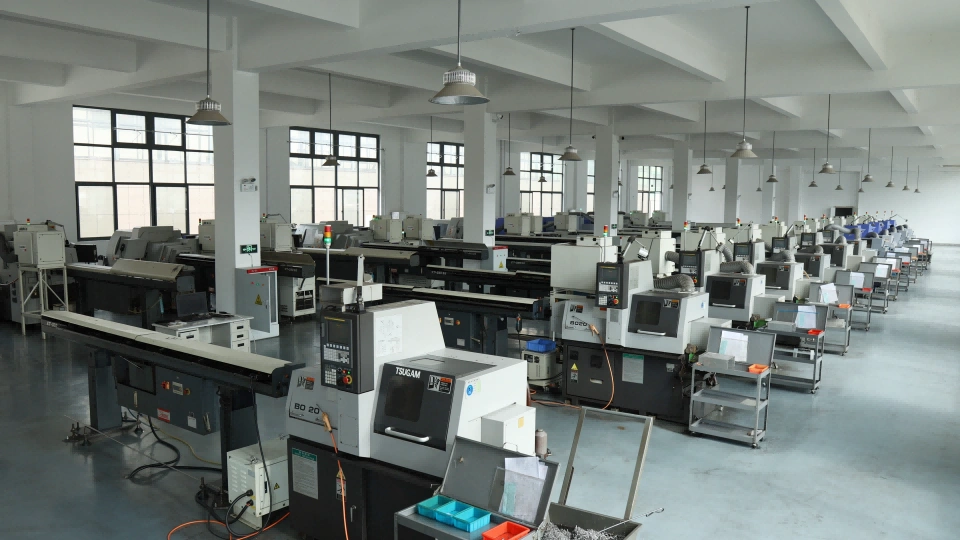
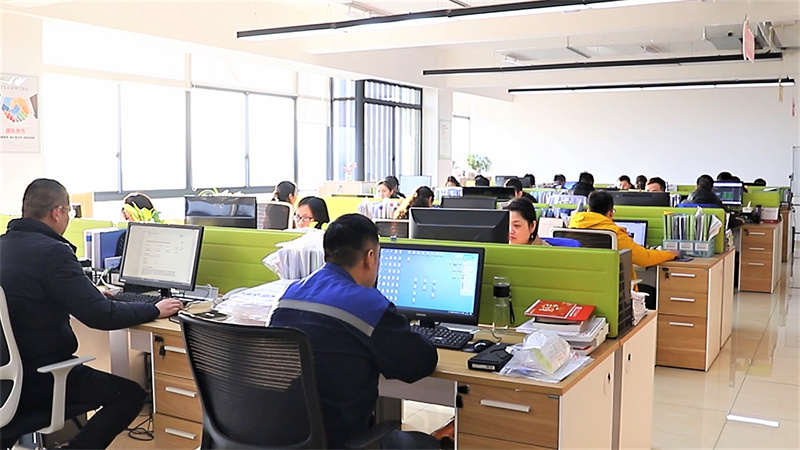
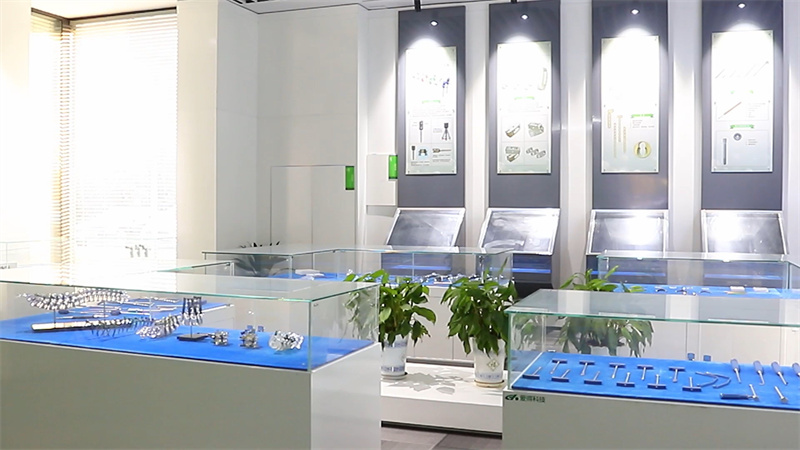
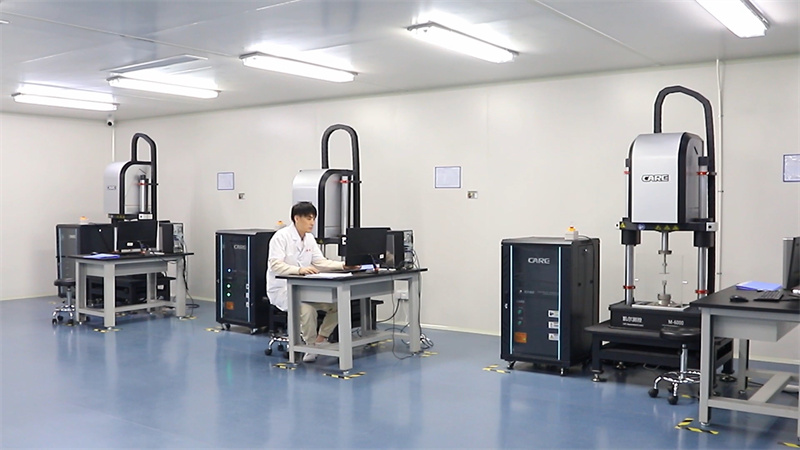
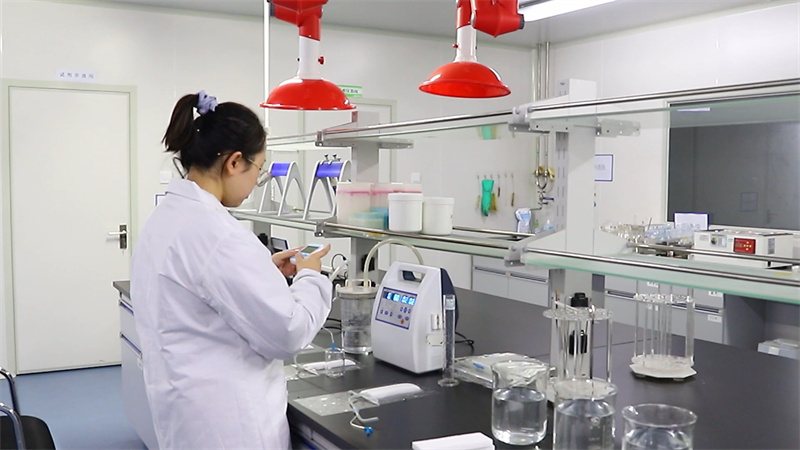
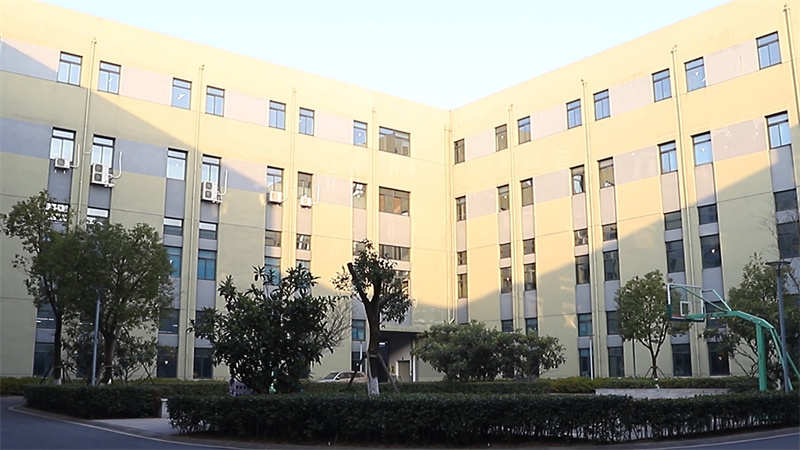
Why leading neuromodulation developers and medical distributors partner with Guangdong-based hubs for critical medical components.
Our raw medical materials (Titanium alloys, Cobalt-chromium, Ultra-High-Molecular-Weight Polyethylene (UHMWPE), and Polyetheretherketone) are sourced exclusively from certified mills with complete chemical composition test records. This ensures strict adherence to ISO 5832-3 and ASTM F136 requirements for surgical implants.
All Class III devices (e.g., knee joints, maxillofacial plates, and spinal implants) go through validated Ethylene Oxide (EO) or gamma radiation processes. Our Class 100,000 cleanroom packaging complies with EN ISO 11607-1, ensuring long-term shelf life and sterile integrity during transit.
With an production area outfitted with Swiss CNC multi-axis milling machines and advanced laser welding equipment, Marin-one handles both high-volume standardized exports and custom OEM/ODM designs. We reduce typical prototyping lead times by up to 40% compared to Western manufacturers.
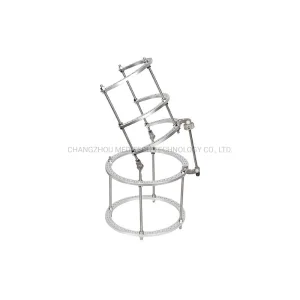
Securing clinical workflows with high-performance orthopedic fixators, anchors, and modular plates built for extreme physiological loads.
Authoritative answers on material compliance, system integration, lead optimization, and regulatory pathways for international medical distributors.
 Marin-one Medical