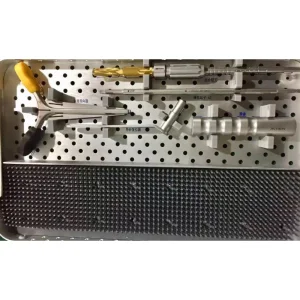
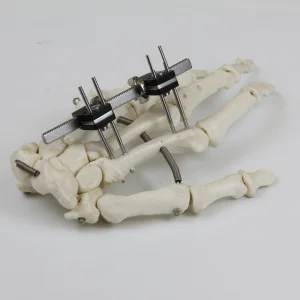
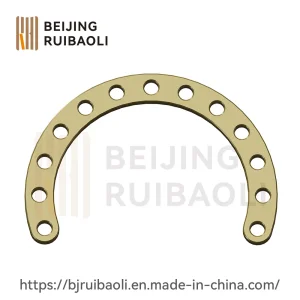
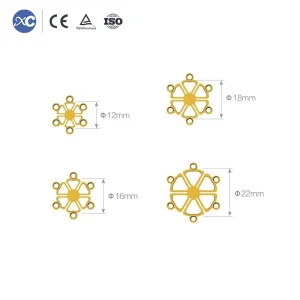
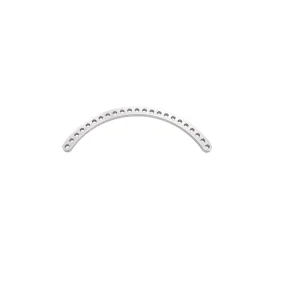
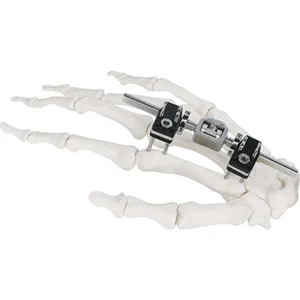
Explore our primary portfolio of precision surgical instruments, external fixators, trauma systems, and radiolucent fusion implants engineered for superior clinical outcomes.
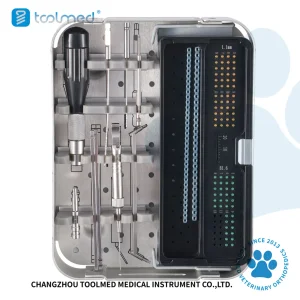

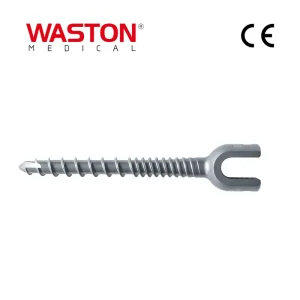
In modern orthopedic, trauma, and spinal surgeries, the evolution of implantable biomaterials has reached a pivotal junction. For decades, metallic alloys such as Titanium (Ti-6Al-4V) and Stainless Steel (316L) dominated the operative landscape due to their unmatched tensile strength and fracture toughness. However, the inherent physical limitations of metallic hardware—specifically high elastic modulus causing stress shielding, significant radio-opacity hindering post-operative CT/MRI diagnostic evaluation, and metallic scatter artifacts during radiotherapy—have necessitated a shift toward radiolucent polymer matrix composites.
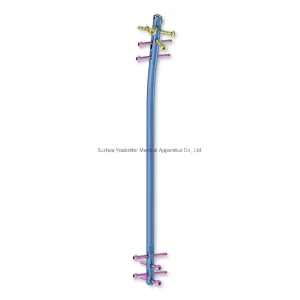
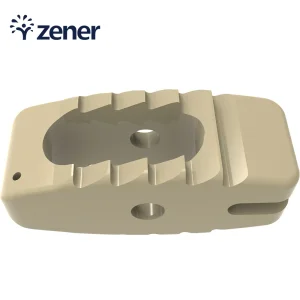
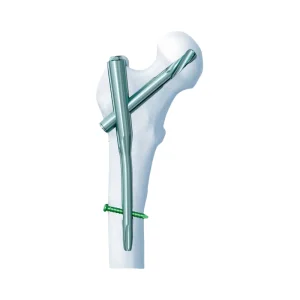
Radiolucent implants, spearheaded by high-performance polyetheretherketone (PEEK) and Carbon Fiber-Reinforced PEEK (CFR-PEEK), offer complete electromagnetic transparency. This structural characteristic permits clear intraoperative x-ray visualization, uncompromised postoperative oncological surveillance, and precise radiation dose planning. As leading CE Certified Radiolucent Implants Manufacturers & Exporters, Guangdong Marin-one Medical Devices Co., Ltd. integrates state-of-the-art polymer chemistry with ISO 13485 certified micro-machining to deliver next-generation spinal cages, intramedullary nails, and trauma plating systems.
Radiolucent PEEK implants eliminate streak and scatter artifacts under computed tomography (CT) and magnetic resonance imaging (MRI), allowing orthopedic surgeons and oncologists to assess bone fusion progress and detect tumor recurrences immediately adjacent to the device.
Unfilled PEEK (~3.6 GPa) and engineered CFR-PEEK (12–18 GPa) closely match the modulus of elasticity of human cortical bone (~18 GPa). This mechanical harmony minimizes stress shielding, promoting physiological stress distribution and accelerated osseointegration.
In musculoskeletal oncology, metallic implants reflect and distort radiation therapeutic beams. Carbon-reinforced radiolucent systems enable targeted delivery of radiation therapy to surrounding soft tissues without scattering or attenuating the prescribed dose.
The research and development roadmap for radiolucent orthopedic systems focuses on optimizing structural fatigue endurance while introducing surface bio-reactivity. Below is a comparative technical matrix illustrating the performance vectors of modern radiolucent compounds versus traditional metals:
| Material Variant | Elastic Modulus (GPa) | Radiolucency Level | MRI / CT Compatibility | Primary Clinical Application |
|---|---|---|---|---|
| Unfilled Medical-Grade PEEK | 3.2 – 4.0 | 100% Transparent | Zero Artifacts | Interbody Fusion Cages, Cranial Plates |
| CFR-PEEK (Endless Carbon Fiber) | 15.0 – 22.0 (Matched) | 100% Transparent | Zero Artifacts | Trauma Plates, Intramedullary Nails, Pedicle Screws |
| Titanium-Coated PEEK (Ti-PEEK) | 3.6 – 5.5 | Semi-Radiolucent | Minimal Distortion | Enhanced Osseointegrative Lumbar Cages |
| Titanium Alloy (Ti-6Al-4V ELI) | 110.0 – 114.0 | Radiopaque | Severe Shadowing/Artifacts | Standard Arthroplasty, High-Load Fixation |
By embedding continuous or chopped ultra-high-molecular-weight carbon fibers into polyetheretherketone matrices, our engineering team achieves tensile strength surpassing 450 MPa. Torsional fatigue resistance is maximized, preventing implant degradation under cyclical physiological loading. Radiopaque tantalum or titanium markers are integrated at structural boundaries to provide precise optical orientation during fluoroscopic imaging without compromising the overall diagnostic radiolucency of the implant body.
While raw PEEK is chemically inert, bio-functionalization is essential for primary osteoblast attachment. Our proprietary vacuum plasma spraying (VPS) applies a porous titanium micrometer coating (10–50 µm thickness) onto PEEK substrates. This hybrid architecture pairs the low modulus and radiolucency of PEEK with the instant bony apposition capabilities of porous titanium, achieving superior pull-out resistance in spinal interbody cages.
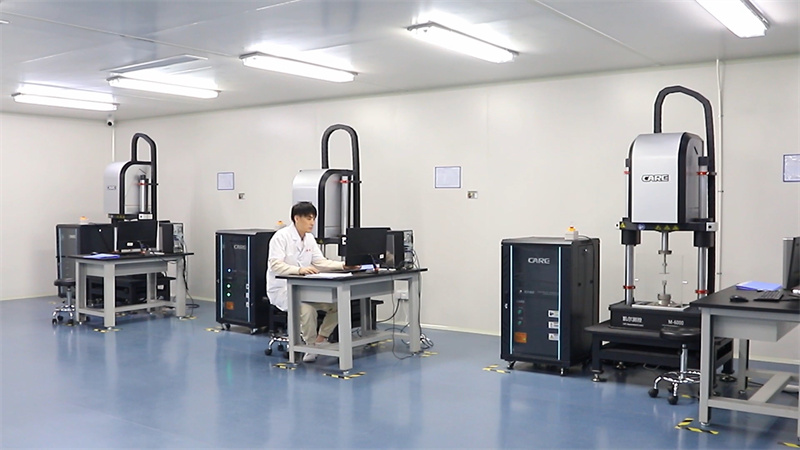
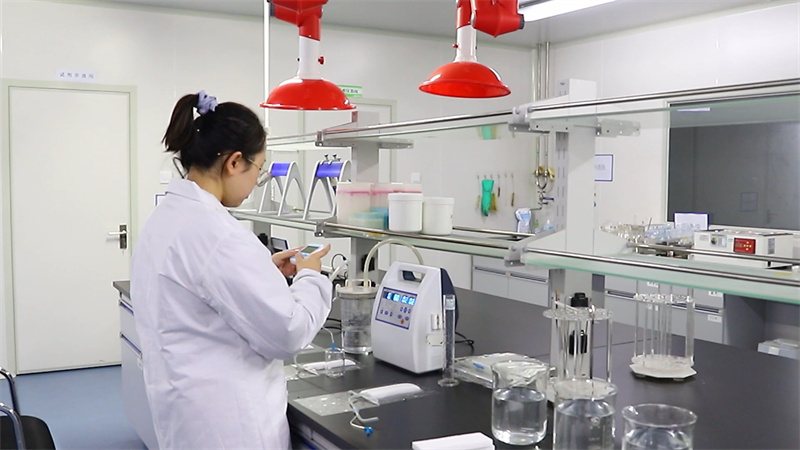
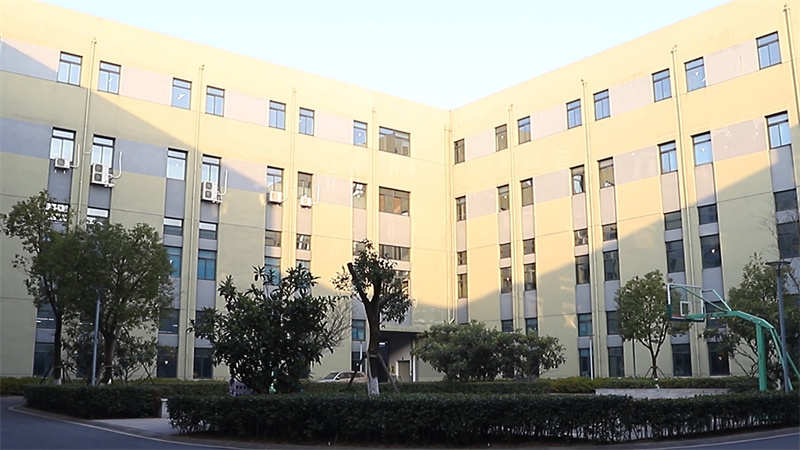
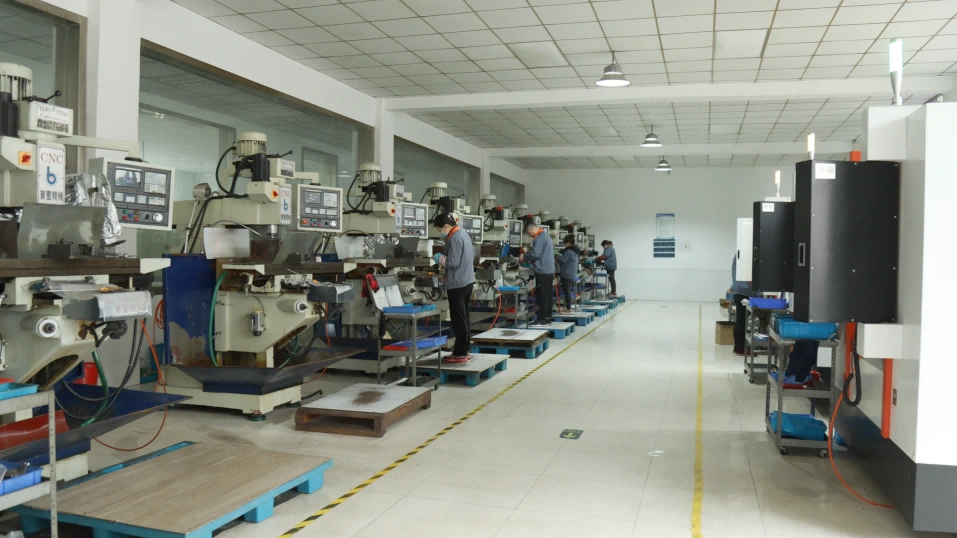
As global medical device procurement transitions toward high-reliability supply chains, Guangdong Marin-one Medical Devices Co., Ltd. stands at the forefront of advanced orthopedic design and automated fabrication. Operating from an enterprise-level manufacturing facility certified to ISO 13485 standards, our organization combines high-precision 5-axis CNC machining, medical-grade cleanroom injection molding, and rigorous quality control testing.
Guangdong Marin-one Medical Devices Co., Ltd. is specialized in manufacturing Orthopedic Implant and instruments, featuring a diversified model of Research and Development, Production, Sales, and Global Export. The company maintains a comprehensive quality management system and advanced production capacity. After more than 18 years of continuous research and development, we have established 11 main product series:
Guided by our core principles of "Quality First, Service First, R&D First, Innovation First", our enterprise has earned an international reputation for medical manufacturing excellence. Customer satisfaction remains the primary objective of our global operations. All employees consistently adhere to our philosophy of "Sincere Service, Continuous Improvement", prioritizing details, precision, and post-sales technical support.

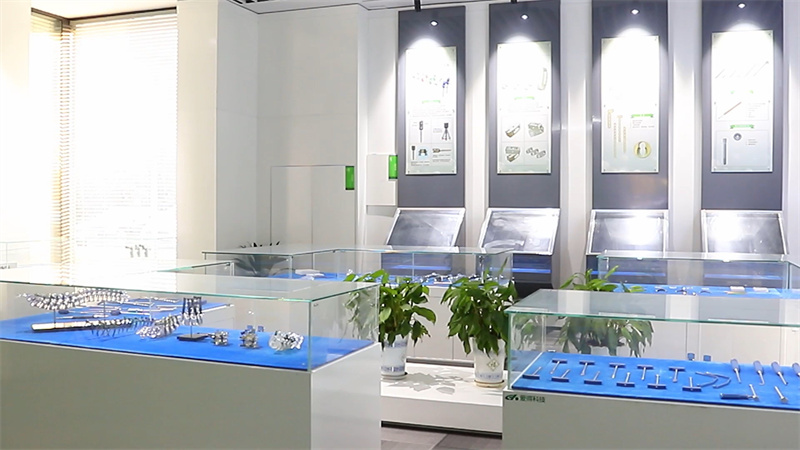
Radiolucent structural components solve distinct clinical challenges across several sub-specialties within orthopedic surgery and traumatology. By replacing radio-opaque metal hardware with radiolucent composite constructs, surgical teams achieve unprecedented post-operative diagnostic control:
When resecting skeletal tumors, total visibility of adjacent bone margin tissue is paramount. Carbon-PEEK intramedullary nails and long-bone plates enable radiotherapists to target residual disease accurately without shadowing or radiation scatter, ensuring optimal local disease control.
In anterior cervical discectomy and fusion (ACDF) or posterior lumbar interbody fusion (PLIF), radiolucent PEEK fusion cages allow immediate radiographic evaluation of trabecular bone bridging. Radiologists can assess genuine interbody fusion without bone-plate interface artifacts.
Evaluating fracture callus formation under titanium plates often presents ambiguity on standard X-rays. Radiolucent CFR-PEEK trauma plates reveal early cortical bridging, allowing surgeons to make evidence-based decisions regarding weight-bearing timelines.
Procuring class IIb and class III orthopedic devices requires stringent adherence to international regulatory frameworks. As a premier exporter, Guangdong Marin-one Medical Devices Co., Ltd. provides full technical documentation dossiers (STED), bio-compatibility reports according to ISO 10993 guidelines, and EU CE Certification compliant with Regulation (EU) 2017/745 (MDR).
Our regulatory team maintains comprehensive technical files including chemical characterization (ISO 10993-18), mechanical static/fatigue test data (ASTM F2077, ASTM F136), and sterilization validation protocols (ISO 11137). Overseas distributors benefit from expedited registration in local health authorities.
We partner with global orthopedic brands to deliver customized radiolucent implant designs. From initial CAD modeling and finite element analysis (FEA) to high-speed prototype milling and customized sterile packaging, our contract manufacturing guarantees complete supply-chain confidentiality and quality integrity.
Key technical inquiries answered by our biomaterial engineers and regulatory compliance directors:
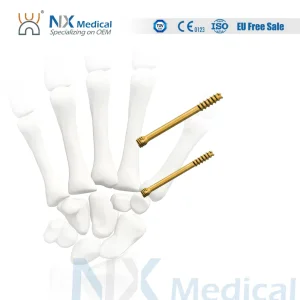
Explore additional CE certified products, including trauma plates, headless compression screws, dynamic external fixators, and specialized maxillofacial implants.
 Marin-one Medical