Top China Robotic Surgery Systems Factory & Suppliers

Precision-Engineered Implant Solutions & Surgical Hardware Powering Next-Generation Automated and Guided Orthopedic Interventions Worldwide.

Guangdong Marin-one Medical Devices Co., Ltd.

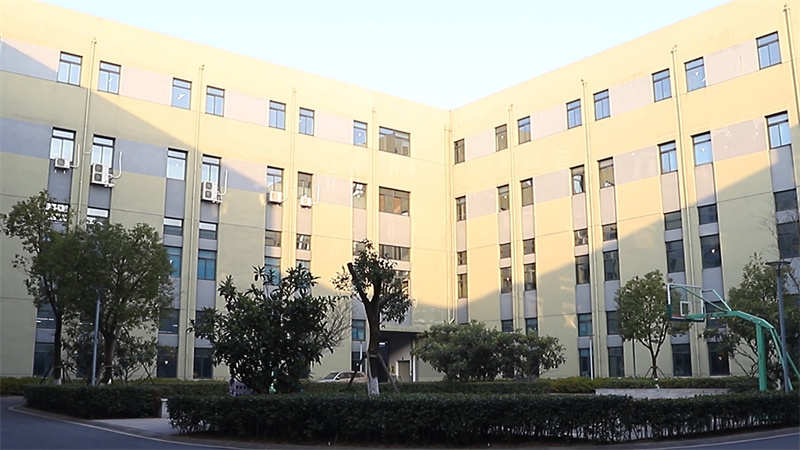
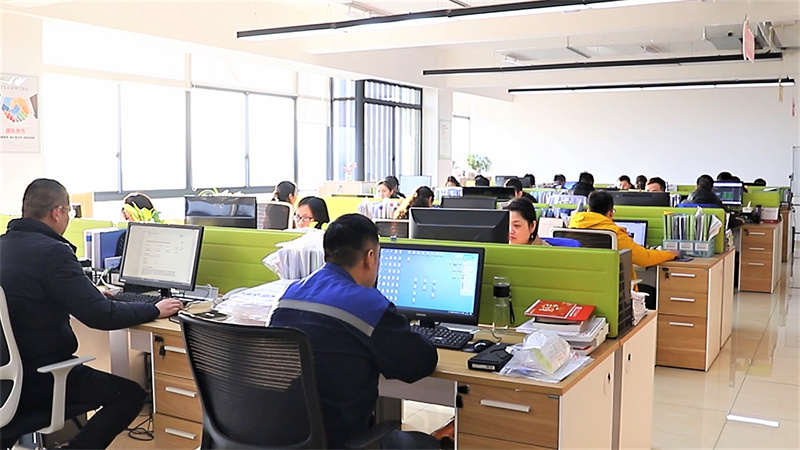
Established as a pioneering force in high-precision surgical technology, Guangdong Marin-one Medical Devices Co., Ltd. specializes in the research, development, production, and global export of orthopedic implants and precision surgical instruments. Underpinned by over 18 years of rigorous clinical research and engineering iteration, we build critical hardware systems that align with modern computerized and robotic surgery specifications.

Our operation is built on the core principle of "Quality First, Service First, R&D First, Innovation First." This approach ensures that every implant—from complex multi-axial pedicle screws to localized osteotomy systems—meets the micro-tolerance demands of robotically-assisted surgical end-effectors.
18+
Years of R&D Excellence
11+
Product Series
100%
Traceable Quality Control

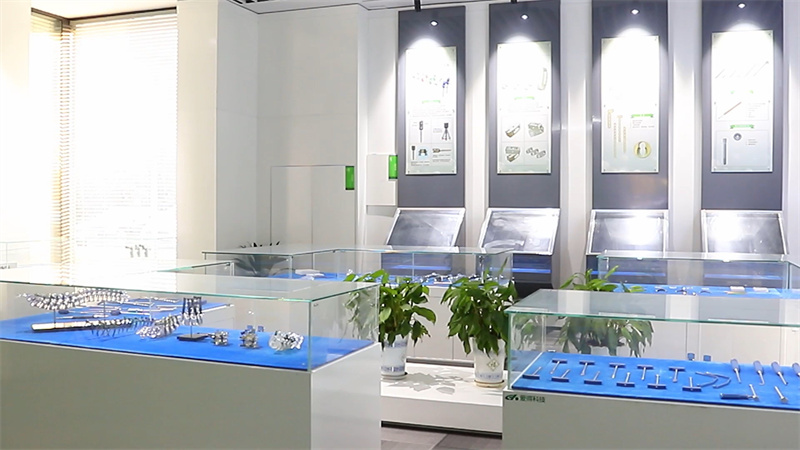
Clinical Showcase & Implant Systems Overview

Our product portfolio contains 11 major series designed for seamless orthopedic surgical workflows.
Whitepaper: Precision Orthopedic Implants in the Era of Robotic Surgery

The global healthcare industry is experiencing a paradigm shift towards computer-assisted orthopedic surgery (CAOS) and robotic-assisted surgeries (RAS). These advanced systems demand hardware with high dimensional stability, biocompatibility, and strict adherence to structural tolerances. As a leading manufacturer in China, Guangdong Marin-one Medical Devices Co., Ltd. sits at the intersection of material science and surgical engineering, providing structural components that meet these clinical needs.

1. Why Robotic Surgery Platforms Require Ultra-Precise Implants

Robotic surgery relies on navigation systems, optical tracking, and robotic arms to place screws and implants with sub-millimeter accuracy. However, the success of these systems depends on the physical hardware implanted into the patient. Minor deviations in screw thread pitches, plate profiles, or locking mechanisms can disrupt navigation calibration and compromise structural stability.

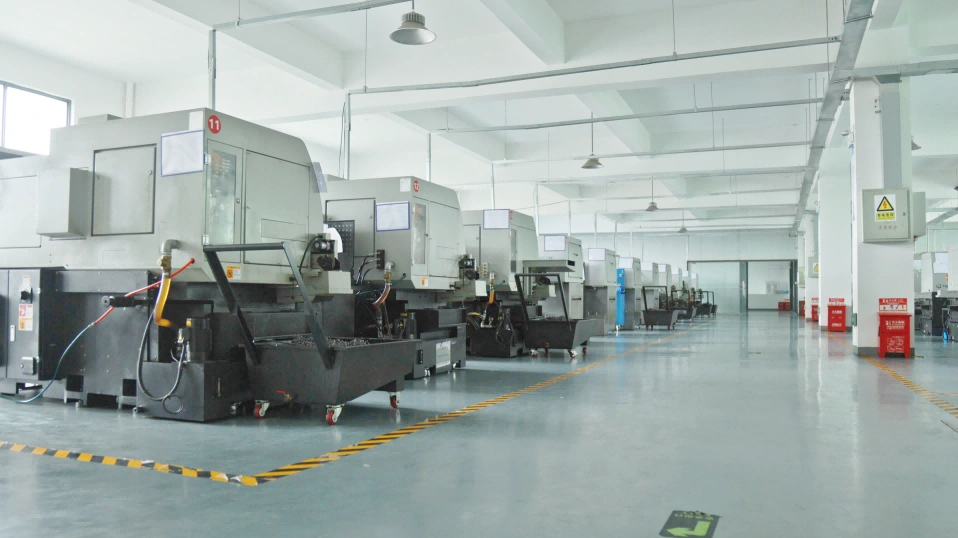
  • Dimensional Integrity: Pedicle screws and locking plates must match the CAD/CAM geometries stored in the robotic navigation software. Marin-one uses advanced multi-axis CNC Swiss machining to limit tolerances within microns.
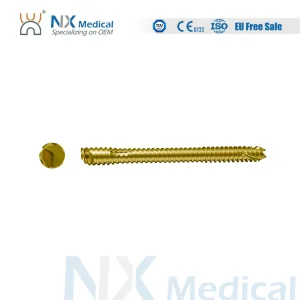
  • Friction and Torque Profiles: Robotic driver attachments require precise mating interfaces. Our self-tapping and self-drilling bone screws prevent driver slippage and ensure smooth insertion under automated torque control.
  • Surface Optimization: From titanium coating to specialized passivation steps, our surface treatments facilitate osteointegration and work with intraoperative imaging technologies.

2. The China Manufacturing Advantage: Scaling High-Precision Medical Hardware

China's medical manufacturing sector has transitioned from high-volume production to precision engineering. Leveraging local supply chains, raw material sourcing, and specialized talent, factories like Marin-one offer key advantages for global medical distributors:

  • Vertical Integration: We control the entire process from importing medical-grade raw titanium and PEEK materials to machining, surface finishing, cleanroom packaging, and sterilization.
  • Advanced Metallurgy: By utilizing biomedical titanium alloys (Ti-6Al-4V ELI) and implantable PEEK polymers, we produce devices that balance tensile strength, fatigue resistance, and biocompatibility.
  • Regulatory Readiness: Operating under ISO 13485 quality systems, our manufacturing lines produce CE-certified components that simplify international registration and compliance workflows.

3. Macro Industry Solutions: The 11 Strategic Product Series

Marin-one offers a comprehensive line of orthopedic hardware to support diverse clinical needs:

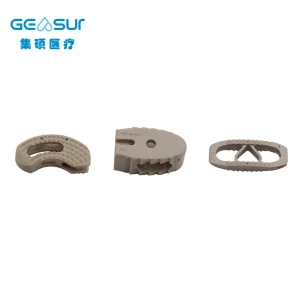
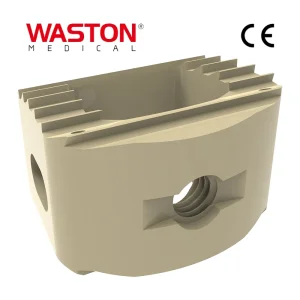
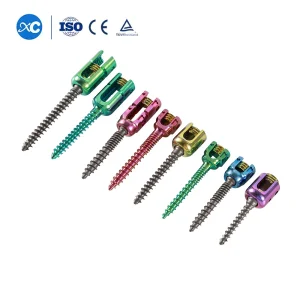
  • Spinal Systems: Multi-axial pedicle screws, TLIF/PLIF PEEK interbody fusion cages, and posterior cervical fixation systems designed for guided spinal surgeries.
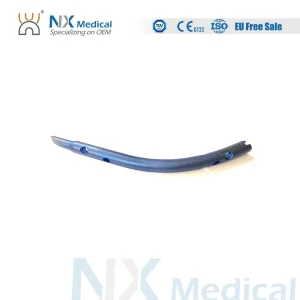
  • Intramedullary Nail Systems: Titanium retrograde tibial and femoral nails that provide stable internal splinting for diaphyseal fractures.
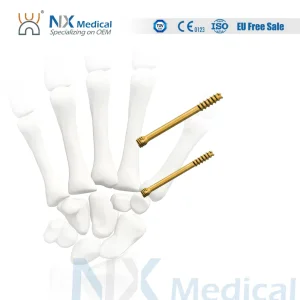
  • Trauma Plate & Screw Systems: Anatomically pre-contoured plates that match skeletal geometries, reducing the need for manual intraoperative bending.
  • Locking Plate Systems: Fixed-angle constructs that improve stability in osteopenic bone and complex intra-articular fractures.
  • CMF Maxillofacial Systems: Low-profile plate and screw systems designed for reconstructive cranio-maxillofacial surgeries.
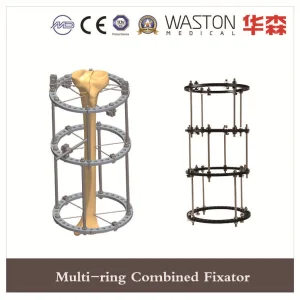
  • External Fixation Systems: Multi-ring combined fixators and Cobra external fixators for temporary stabilization or bone transport.
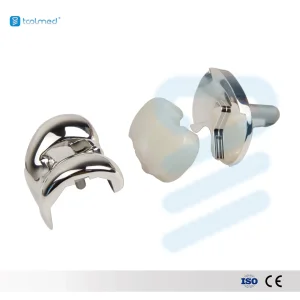
  • Joint Systems: Total hip replacement prostheses including Corail-style femoral stems and acetabular cups.
  • Medical Power Tools: High-speed surgical drills and saws designed for bone preparation.
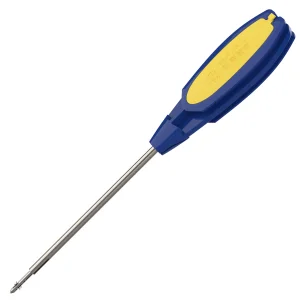
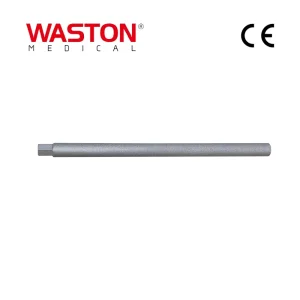
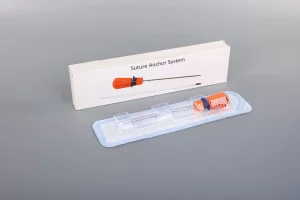
  • General Surgical Instruments: Specialized tools for implant placement, extraction, and tissue handling.
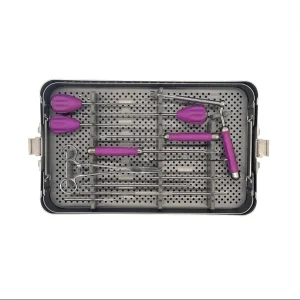
  • Sterilization Solutions: Specialized boxes and baskets designed to protect delicate instruments during autoclave cycles.
  • Veterinary Orthopedics: Adapted implants and instruments tailored to small animal anatomy and veterinary surgery.

Technology & Manufacturing Capabilities

A closer look at the processes and quality controls that support our orthopedic implants.

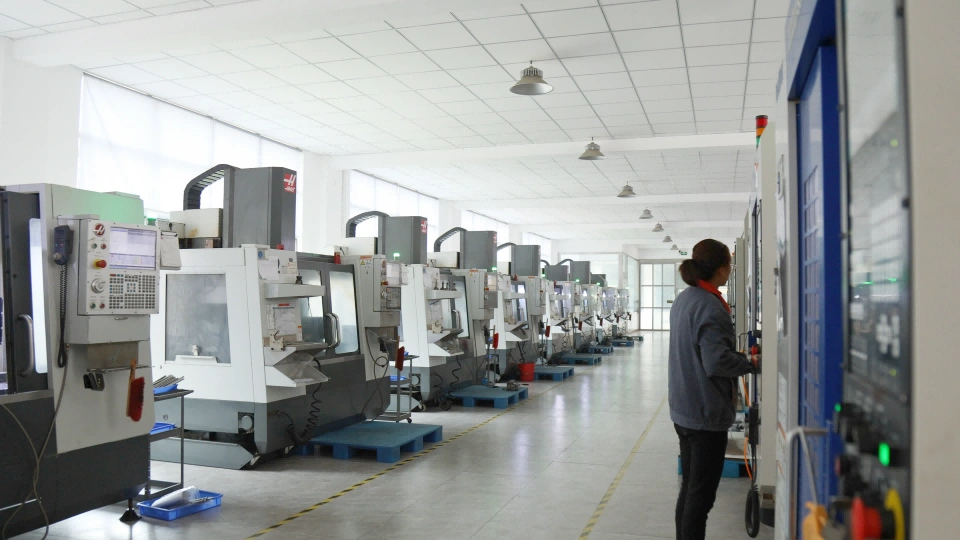
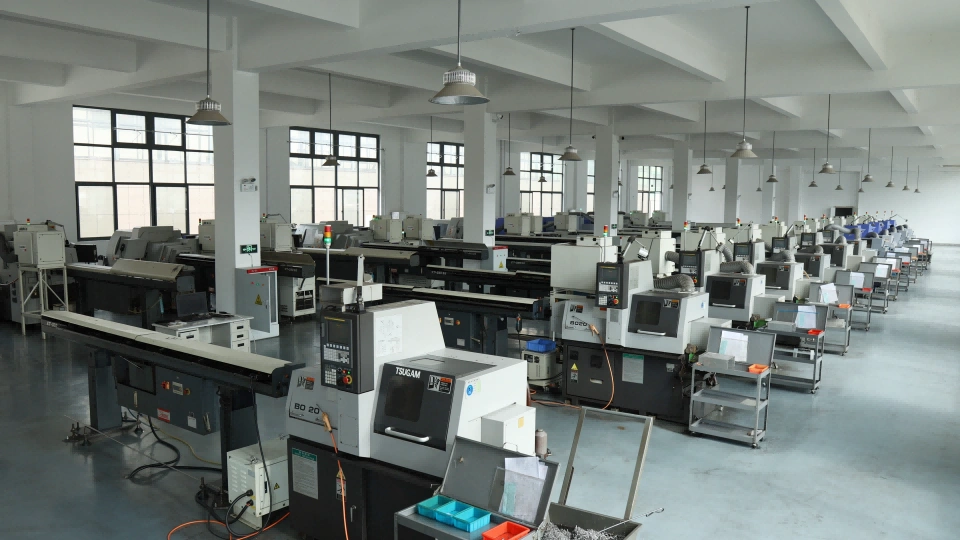
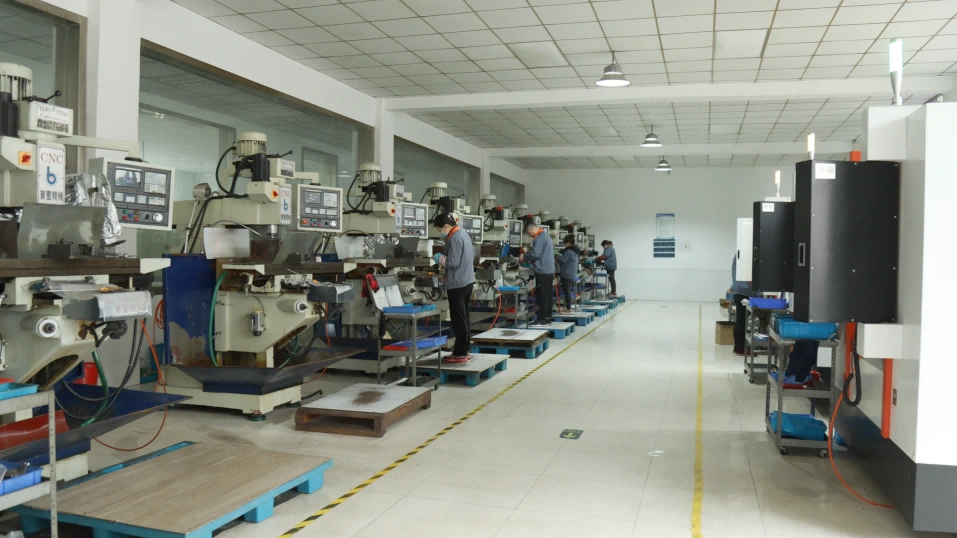
High-Precision CNC Machining

We utilize Swiss-type lathes and multi-axis CNC machining centers to produce complex implant geometries. This machinery allows us to maintain tight tolerances and ensure clean thread runs on all locking screws.

Advanced Surface Processing

Our surface finishes include anodic oxidation, titanium plasma spray coating, and bead blasting. These treatments are designed to enhance wear resistance, support bone integration, and reduce metallic ion release.

Comprehensive Quality Assurance

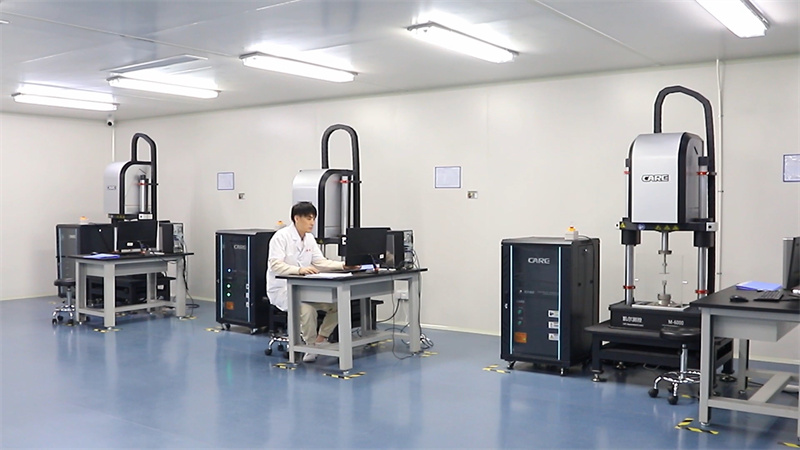
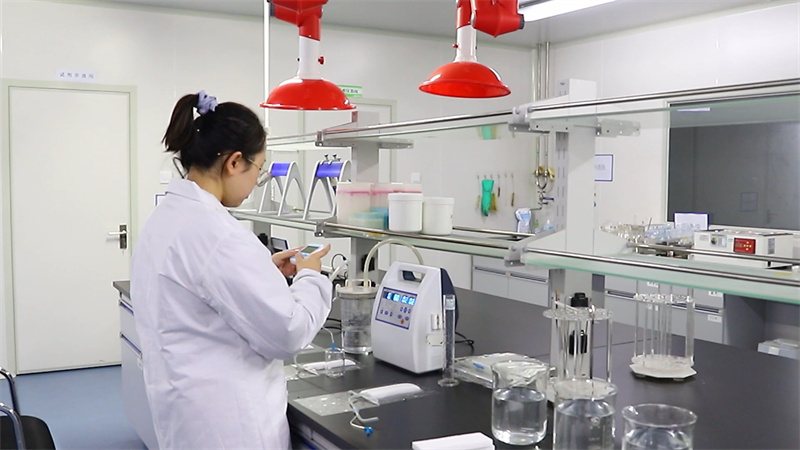
Each production run undergoes mechanical inspection, profile projector measurements, and fatigue testing. We document raw material batches to maintain full traceability across the manufacturing cycle.

Global Enterprise Sourcing & Compliance

A structured approach to medical device procurement, logistics, and quality assurance.

For international medical distributors, hospital groups, and OEMs, sourcing implant systems requires clear documentation and supply chain reliability. Guangdong Marin-one Medical Devices Co., Ltd. offers structured support to facilitate global procurement:

  • Material Certification: All implants are manufactured from traceable, certified medical-grade titanium (Gr 5/ELI) or implantable PEEK.
  • Regulatory Compliance: We maintain ISO 13485 certification and offer CE-compliant documentation to support local market registrations.
  • OEM/ODM Capabilities: We work with clients to customize thread profiles, plate layouts, and branding to match proprietary system requirements.
  • Sterilization Options: Products can be supplied in non-sterile bulk packaging or sterile barrier pouches (EO or Gamma irradiated).

Procurement Process Workflow

Our standard procurement and verification pathway includes:

  1. Technical Review: Evaluation of CAD models, drawings, and functional tolerances.
  2. Sample Verification: Production of pilot batches for mechanical testing and sizing checks.
  3. Quality Agreement: Establishing inspection parameters, AQL limits, and documentation packages.
  4. Production & Logistics: Monitored manufacturing runs with secure, traceable air and ocean shipping options.

Frequently Asked Questions (FAQ)

Key information regarding our manufacturing capabilities, materials, and international regulatory standards.

Q1: What materials are used in Marin-one orthopedic implants?
Our implants are manufactured primarily from Ti-6Al-4V ELI (Grade 5) titanium alloy, pure titanium (Gr 2/Gr 4), and implantable-grade PEEK (Polyetheretherketone). These materials are sourced with full material test reports (MTR) to verify chemical composition and mechanical properties before production begins.
Q2: How do your implants integrate with third-party robotic surgery systems?
Our implants are machined to strict dimensional specifications that align with standard CAD models used in robotic planning software. We maintain consistent tolerances across our pedicle screws and drill guides, ensuring compatibility with robotic end-effectors and optical navigation trackers.
Q3: Do you support custom design and manufacturing (OEM/ODM)?
Yes. We offer complete OEM and ODM services. Customers can provide technical drawings or sample components, and our R&D team will develop tooling, CNC programming, and finishing processes to manufacture components to your exact specifications.
Q4: What quality certifications does Guangdong Marin-one hold?
We operate under a Quality Management System certified to ISO 13485. Our main product series hold CE certification, and we maintain complete traceability records from the raw material melt stage to the finished sterilized device.
Q5: What is the typical lead time for production and shipping?
For standard products in stock, items can ship within 7–15 days. For custom production runs or high-volume orders, lead times typically range from 30 to 60 days, depending on manufacturing complexity and scheduling. We provide detailed timelines during the initial quote phase.
Q6: How do you handle sterilization and packaging?
We provide products in both sterile and non-sterile configurations. Sterile products are packaged in cleanroom environments (Class 10,000 / ISO 7) using medical-grade Tyvek pouches and undergo EO (Ethylene Oxide) or Gamma irradiation sterilization. Non-sterile products are shipped in protective bulk packaging suitable for sterilization at the hospital or distribution facility.
Q7: What testing protocols are conducted on new implant designs?
We perform extensive mechanical evaluation including static and dynamic fatigue testing, torsional shear strength testing, and pull-out resistance tests. These protocols conform to ASTM and ISO guidelines (such as ASTM F1717 for spinal implants) to verify structural integrity under physiologic loading conditions.
Q8: How is raw material traceability managed?
Every batch of raw material is assigned a unique tracking code upon receipt. This code is linked to the material test certificate and is maintained through CNC machining, cleaning, surface treatment, and final packaging. This allows us to track the exact raw material batch of any device using its final serial number.
Q9: Do you supply instruments for implant placement and extraction?
Yes. For each of our implant systems (such as spinal systems, intramedullary nails, and locking plates), we supply dedicated instrument sets. These sets include screwdrivers, drill guides, trials, and retraction instruments, packaged in organized sterilization boxes.
Q10: What are your shipping and logistics options for bulk global orders?
We partner with reliable air and ocean freight carriers to handle global shipping. For time-sensitive clinical items, we use express air services (DHL, FedEx, UPS) to deliver directly to your facility. We manage export customs documentation to ensure smooth clearance at destination ports.