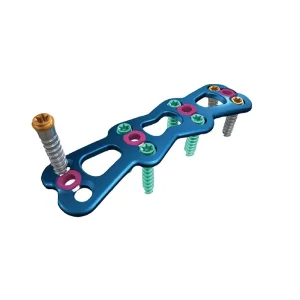
Explore our premium clinical line of anterior cervical plates, locking implants, surgical tools, and distal fixation systems designed for structural integrity and rapid osseointegration.
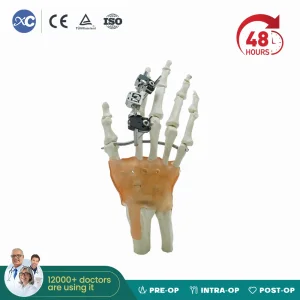
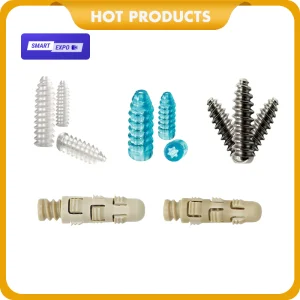
Established as a global pioneer in clinical-grade orthopedic systems, Guangdong Marin-one Medical Devices Co., Ltd. specializes in the manufacturing, export, and collaborative R&D of highly precise orthopedic implants and specialized instrumentation. Backed by 18+ years of foundational research and precision engineering, we offer 11 main product series, notably: Spinal Systems, Intramedullary Nail Systems, Trauma Plate & Screw Systems, Locking Plate & Screw Systems, CMF Maxillofacial Systems, External Fixation, Joint Systems, Medical Power Tool Systems, general surgical instruments, and specialized Sterilization Box/basket configurations, as well as veterinary implants.
Our operation is strictly anchored upon the tenet of "Quality First, Service First, R&D First, Innovation First." We have built a reputable global footprint by combining strict structural bio-testing with state-of-the-art manufacturing technologies to align with international regulatory frameworks. Customer satisfaction and clinical reliability represent the core driving forces of our global B2B partnerships.
Understanding the mechanical properties, load-bearing capacities, and material interactions of spinal instrumentation is critical for improving patient outcomes and implant longevity.
Spinal fusion devices act as temporary or permanent internal structural bridges that promote osteogenesis and stabilize the vertebral columns. The ultimate clinical goal is to restrict motion in unstable segments, thereby relieving compression on key nerve structures and alleviating chronic discogenic pain. To achieve this, the implants must match the physiological and biomechanical requirements of the human spine.
A primary design challenge in spinal engineering is avoiding stress shielding. If an implant is significantly stiffer than the surrounding cancellous and cortical bone, it will bear the majority of the physiological load. This deprives the bone tissue of mechanical stimulation, leading to bone resorption and potential device subsidence. At Guangdong Marin-one, we address this issue by selecting medical-grade Titanium Alloys (such as Ti-6Al-4V ELI conforming to ASTM F136) and biocompatible Polyetheretherketone (PEEK). PEEK possesses an elastic modulus closely matching that of human cortical bone, which helps distribute mechanical stress more naturally across the treated segment and supports long-term fusion.
The rate of osseointegration depends on the chemical composition and micro-structure of the implant's surface. Modern spinal cages benefit from advanced surface texturing, such as acid-etching, grit-blasting, and plasma-sprayed titanium coatings on PEEK. This rough micro-topography encourages protein adsorption, osteoblast adhesion, and the deposition of calcium phosphate matrix, which helps create a secure, long-term biological lock between the bone and the implant.
How Marin-one is integrating smart materials, additive manufacturing, and digital healthcare pathways into the next generation of spinal implants.
Integrating Electron Beam Melting (EBM) and Direct Metal Laser Sintering (DMLS) to fabricate spinal cages with interconnected porous structures that mimic trabecular bone, accelerating mechanical interlocking and vascularization.
Developing anodized titanium surfaces featuring aligned TiO2 nanotubes. These nanoscale topographies act as targeted delivery systems for antimicrobial agents and bone morphogenetic proteins (BMP-2).
A research track targeting the integration of micro-strain sensors inside hollow cage chambers to wirelessly transmit real-time biomechanical stability and fusion progress data to clinicians post-surgery.
Addressing the clinical and logistical challenges faced by modern healthcare systems, distributors, and surgical centers globally.
Streamlined supply lines, surgical instrumentation kit customization, and sterile packaging options designed to reduce intraoperative preparation times and optimize hospital asset turnover.
Consistent manufacturing quality, stable supply margins, and comprehensive clinical marketing collateral. We provide marketing registries and training programs to help you scale local market share.
A structured co-development workflow managed by an experienced engineering team. We utilize quick-turn prototyping, custom CNC tooling, and cleanroom packaging to bring your IP from design to market efficiently.
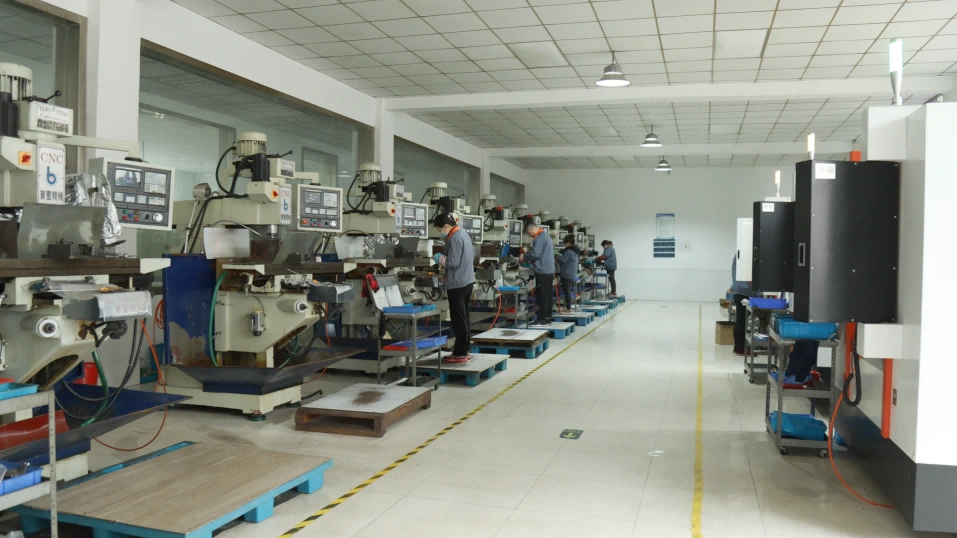
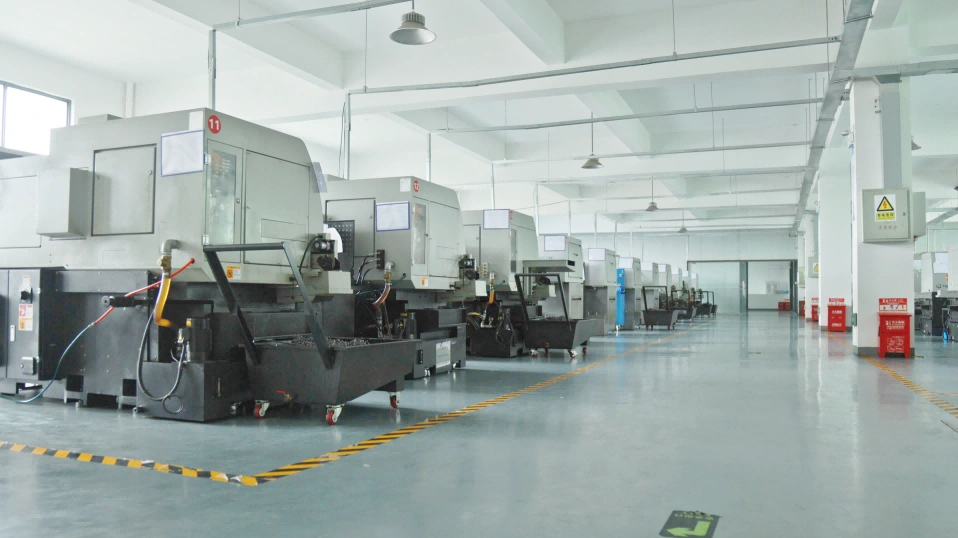
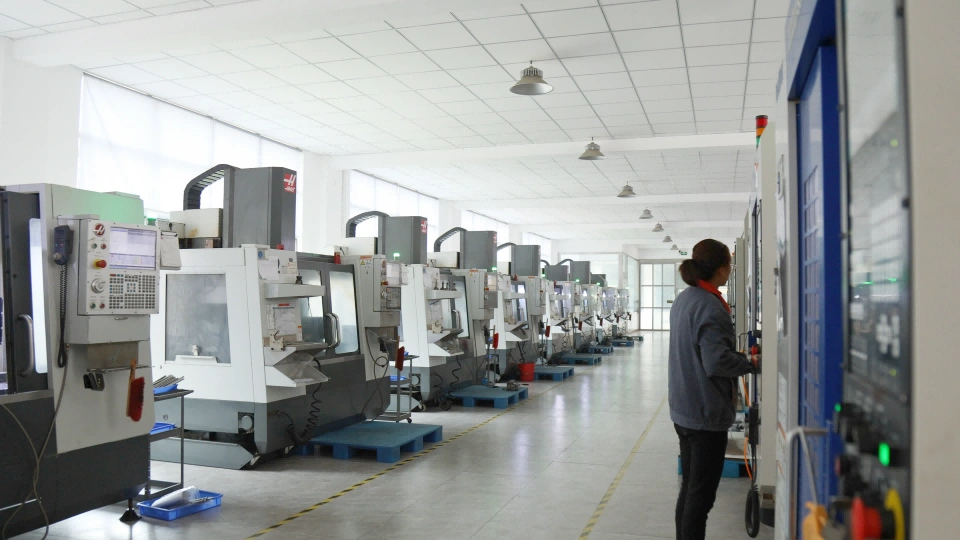
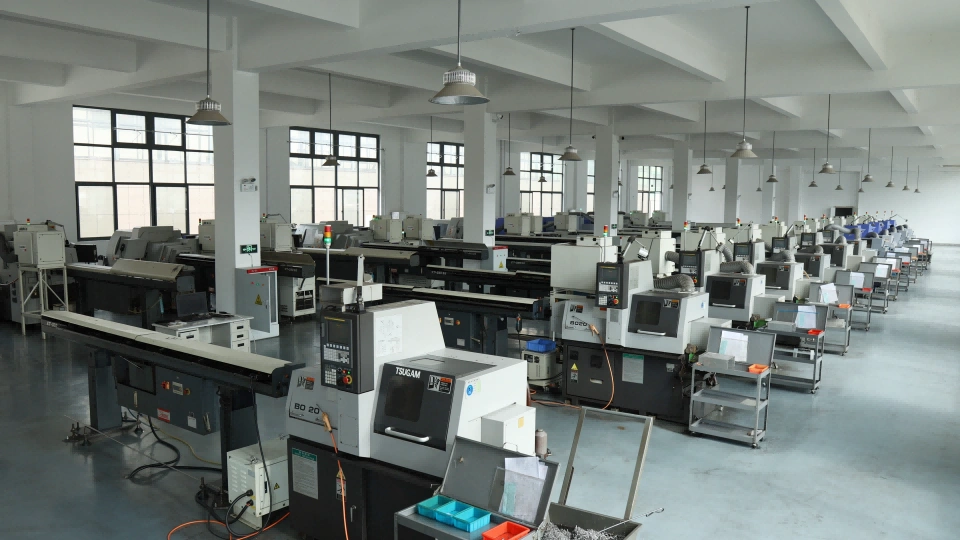
Guangdong Marin-one has structured its manufacturing infrastructure around Factory 4.0 paradigms. Our facility features advanced Japanese Citizen multi-axis CNC Swiss-type lathes, German five-axis machining centers, and automated wire EDM workstations. By connecting these systems to a unified ERP planning loop, we maintain tight control over dimensional tolerances (within ±5 microns) and keep production schedules aligned with demand.
Our supply chain model helps buffer global logistics volatility by maintaining raw material reserves of medical-grade titanium and specialized PEEK polymers. This allows us to keep production schedules steady and mitigate price spikes, offering international buyers consistent pricing and predictable delivery timelines.
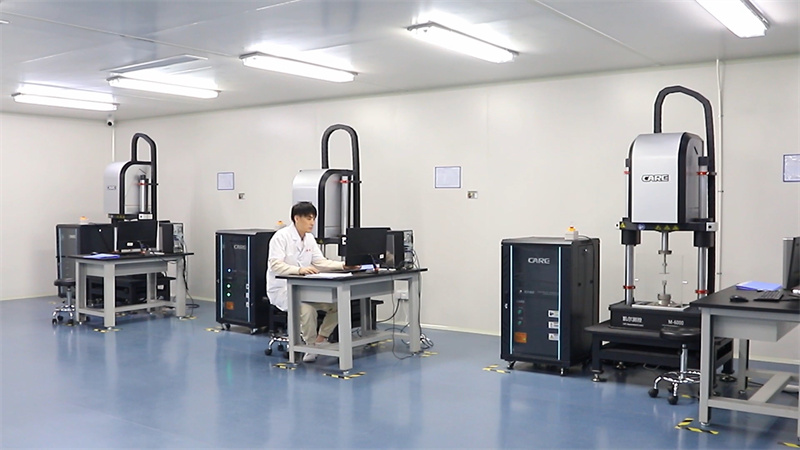
Navigating the global regulatory landscape for class III medical devices requires comprehensive, traceably documented validation dossiers. Guangdong Marin-one maintains an ISO 13485 certified quality management system. Our documentation systems are structured to support registration requirements under major regulatory frameworks worldwide.
We provide international clients with complete documentation packages, including raw material certificates (ASTM standards), bio-compatibility validation reports (ISO 10993), mechanical test data (ASTM F1717 / ASTM F2077), and validation records for gamma/EO sterilization processes. This regulatory support helps streamline the approval process with local ministries of health, accelerating your time-to-market.
Key checkpoints for international procurement directors auditing high-volume medical device suppliers in China.
Ensure the vendor operates a strict material intake isolation program. Request heat numbers, chemical composition analyses, and micro-structure reports for all titanium and PEEK batches to verify compliance with implant-grade requirements.
Verify that cleaning and initial packaging occur in an ISO Class 7 (Class 10,000) cleanroom. Monitor air particulate levels, bioburden baselines, and reverse osmosis water purification metrics to ensure safety.
Review structural testing under ASTM F1717 (standard test methods for spinal implant constructs in a vertebrectomy model), covering static compression bending, tension-compression bending, and fatigue testing up to 5 million cycles.
Obtain full technical files, including CE certification, ISO 13485 declarations of conformity, sterile barrier validations, and clinical evaluation reports, to prepare for domestic import customs clearing.
Detailed answers to common questions asked by B2B buyers, distributors, and health authorities regarding our manufacturing processes and logistics.
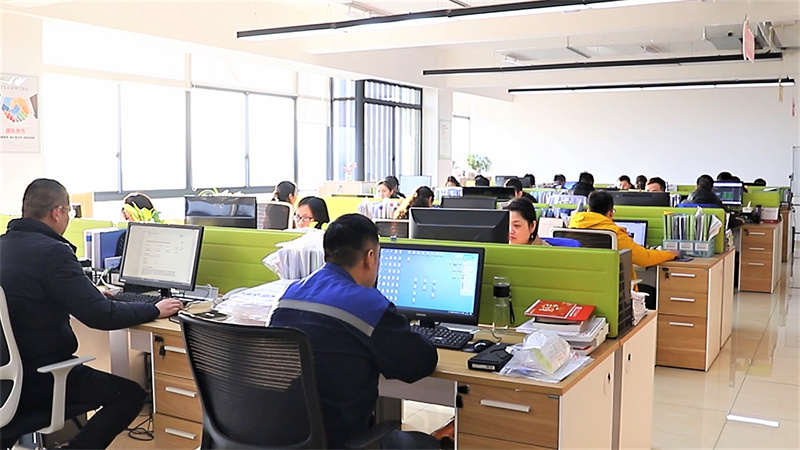
Inside our manufacturing facilities: precision production lines, quality testing, and clean packaging suites.
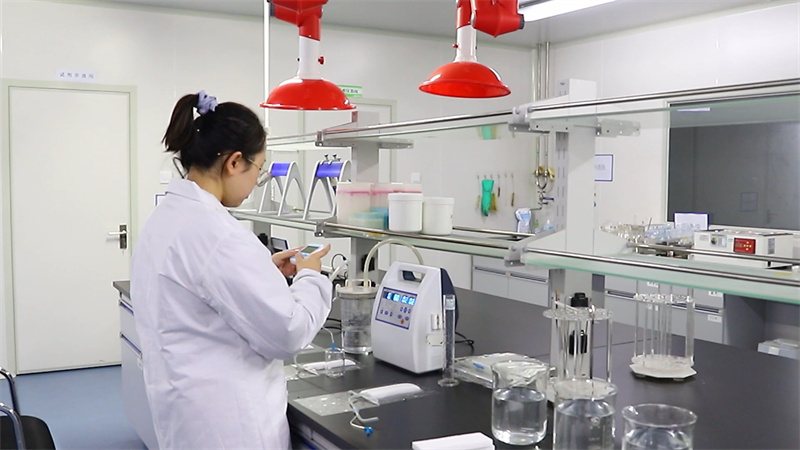
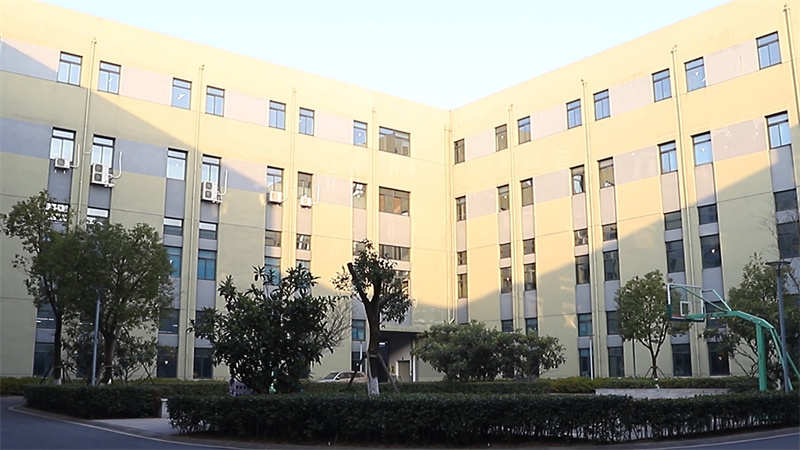
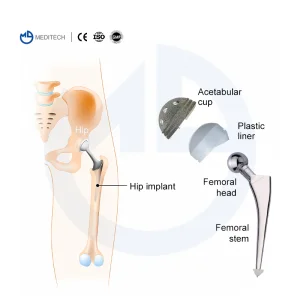
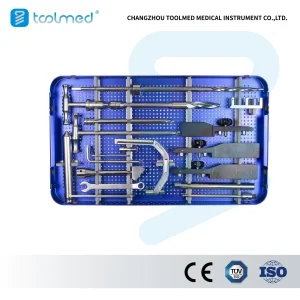
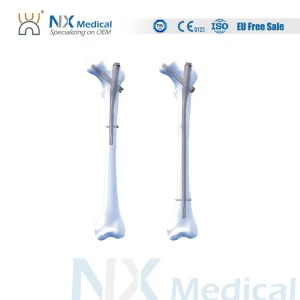
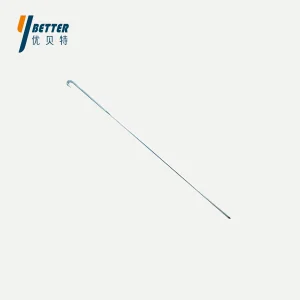
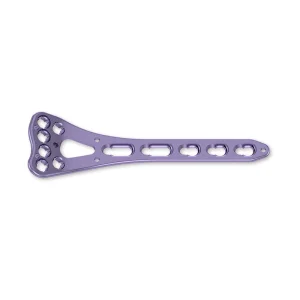
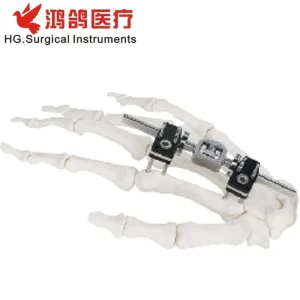
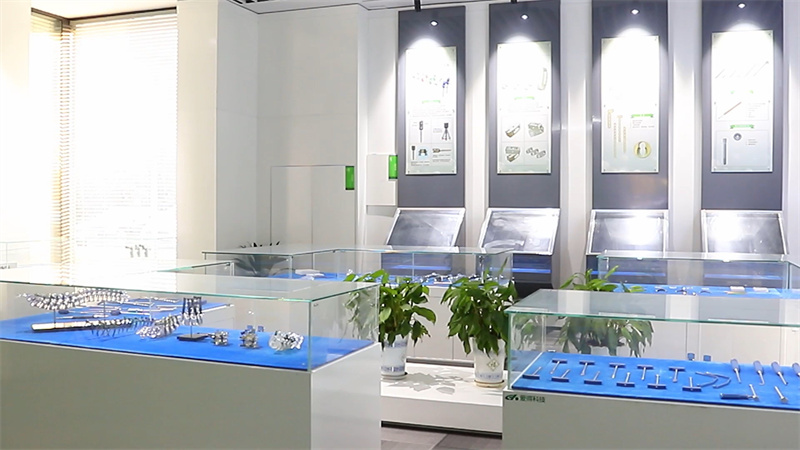
Browse our selection of specialized orthopedic hardware, including anterior cervical plate systems, femoral nails, and modular instrumentation kits.
 Marin-one Medical