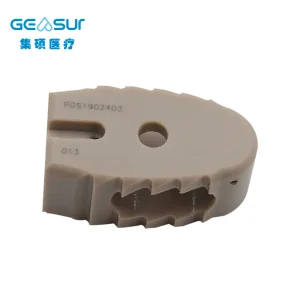
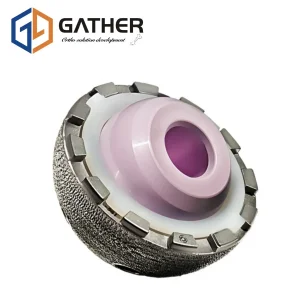
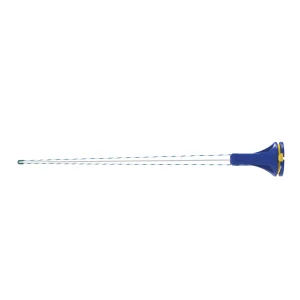
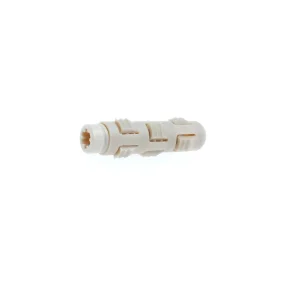
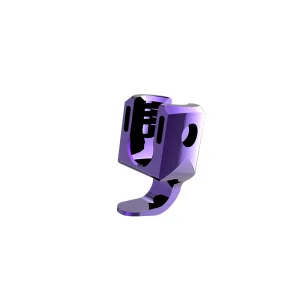
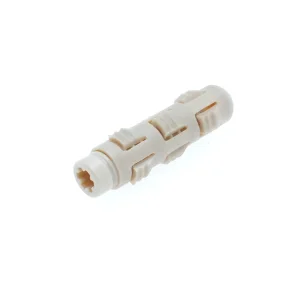
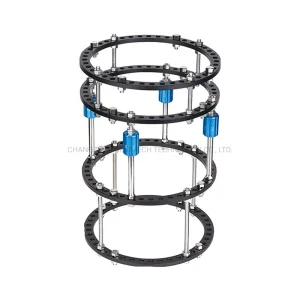
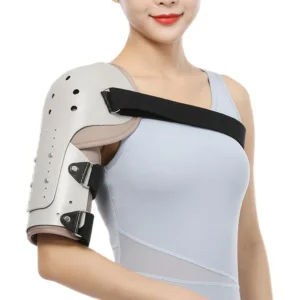
High-precision orthopedic configurations developed under ISO 13485 requirements to serve global orthopedics and joint surgery applications.
Sports medicine arthroscopy and reconstruction have entered a new era. With the rapid increase in sports injuries globally, the demand for highly reliable implants—such as PEEK interference screws, suture anchors, and ligament fixation systems—has surged. Orthopedic surgeons require implants that provide mechanical integrity, optimal pull-out strength, and biocompatible material decay properties that facilitate native bone healing.
Historically, permanent metallic implants constructed of titanium alloys dominated joint repair. While providing high mechanical stability, their mismatched elastic modulus relative to human bone often resulted in stress shielding, localized osteopenia, and the potential need for secondary removal surgeries. The transition to high-temperature polymers like Polyetheretherketone (PEEK) and bio-resorbable composites (PLLA/HA, PLLA/TCP) has changed this landscape. Modern orthopedic manufacturing centers in China are leading this transition, supplying medical device companies with top-tier implants that balance mechanical load capacity with long-term biological harmony.
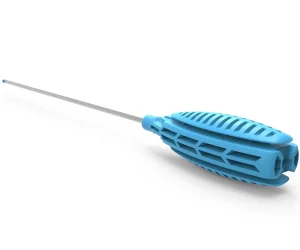
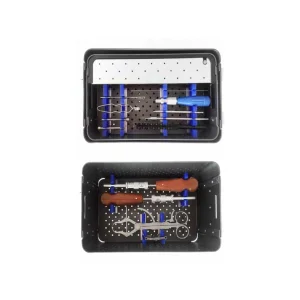
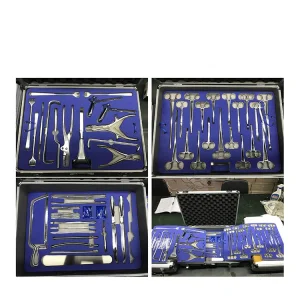
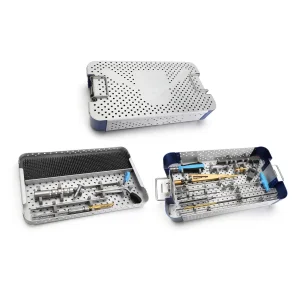
Furthermore, the clinical success of procedures like anterior cruciate ligament (ACL) reconstruction, rotator cuff repair, and labral stabilization depends not only on the implants themselves but also on the instrument sets that deliver them. Comprehensive surgical instrumentation, tailored precisely to implants, reduces operation times, limits intraoperative variables, and supports repeatable surgical workflows.
Over 18 years of pioneering research, development, and state-of-the-art medical fabrication in orthopedic healthcare.
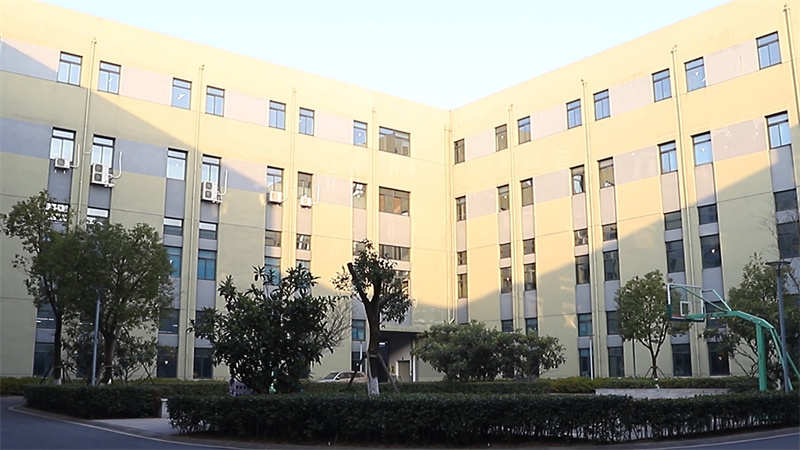
Guangdong Marin-one Medical Devices Co., Ltd. stands as a premium manufacturer in the orthopedic field. Combining advanced R&D, production, sales, export, and technical support, we deliver solutions that meet the requirements of clinical practices worldwide.
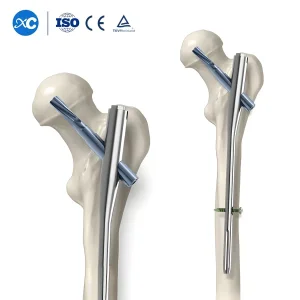
Our commitment to excellence is reflected in our development structure. After more than 18 years of focused R&D, we have commercialized 11 main product series. These include our Spinal system, Intramedullary Nail system, Trauma plate and screw system, Locking Plate and screw system, CMF Maxillofacial system, External Fixation, Joint system, Medical Power Tool system, general surgical instruments system, Sterilization Box & basket, and veterinary orthopedics.
Adhering to the core philosophy of "Quality First, Service First, R&D First, Innovation First," our engineering teams continuously refine implant profiles and tolerances. Our focus on user feedback allows us to support orthopedic surgeons and medical distributors with implant systems designed for optimal clinical performance.
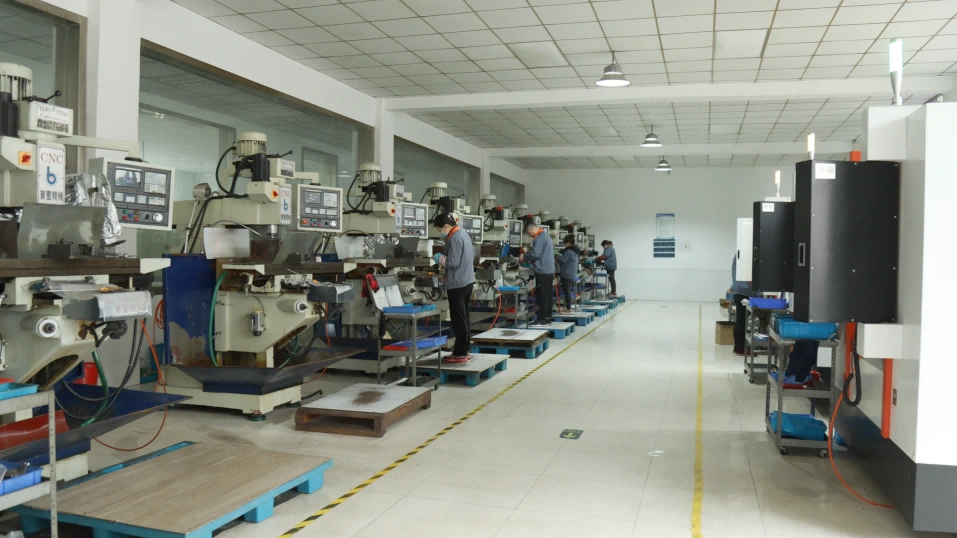
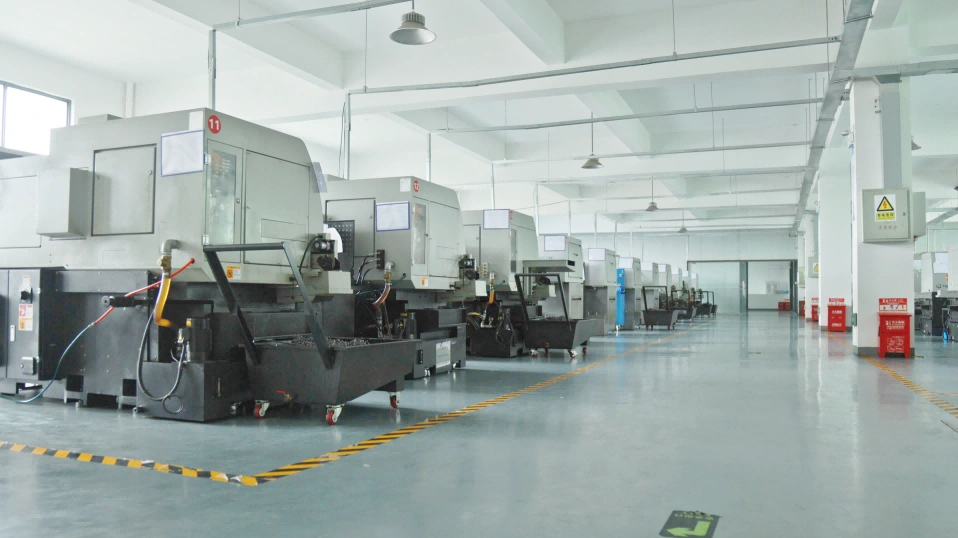
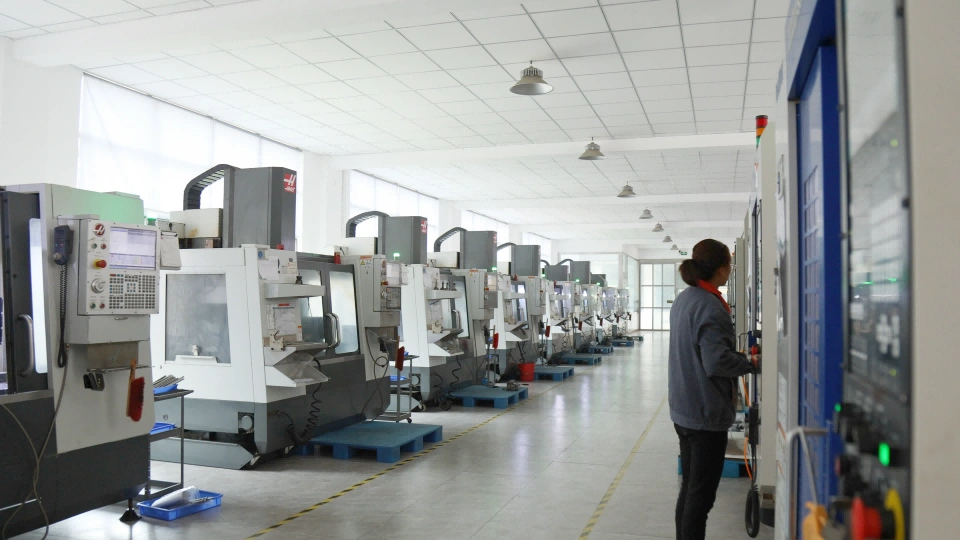
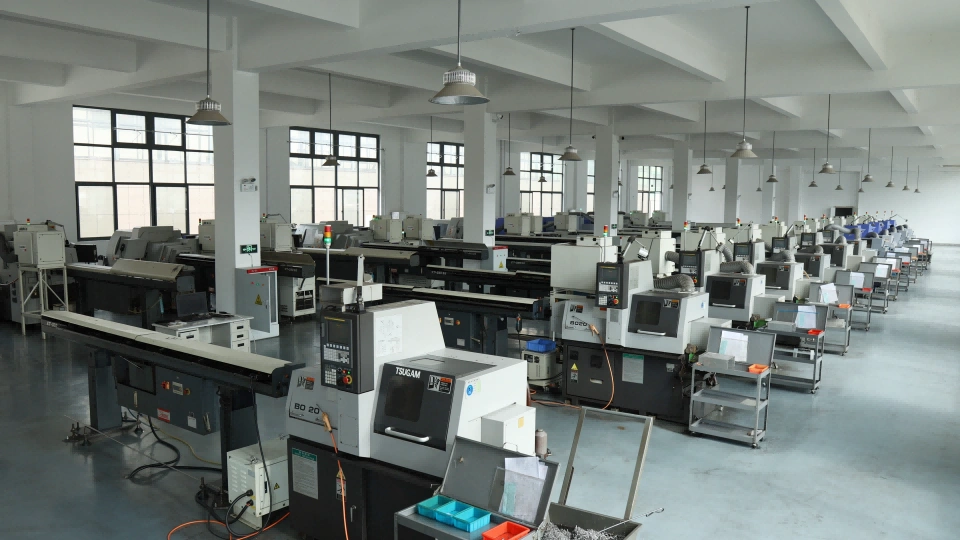
How advanced production, automation, and material treatments shape orthopedic manufacturing.
Our manufacturing floor includes Class 10,000 (ISO Class 7) and Class 100,000 cleanrooms. From primary injection molding or CNC lathing to secondary washing and vacuum sterile packing, environmental parameters are continuously monitored.
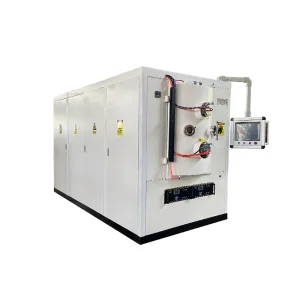
Utilizing advanced PVD (Physical Vapor Deposition) multi-arc ion plating systems, we apply bioceramic coatings such as Titanium Nitride (TiN) to surgical instruments and joint components. This enhances hardness, reduces wear debris, and limits ionic discharge.
Employing multi-axis CNC Swiss-type lathes and ultra-precision milling machines allows us to maintain implant tolerances to the single-micron level. This dimensional precision supports reliable engagement with surgical screwdrivers.
A comparative overview of mechanical stability, bio-absorption profiles, and clinical trade-offs.
Sports medicine implants must balance tissue fixation stability with biocompatibility. When reconstructing an ACL or repairing a rotator cuff tear, selecting the implant's biomaterial directly affects bone tunnel preservation, pull-out strength, and the rate of biological healing.
| Material Class | Tensile Modulus | Biological Response | Primary Application |
|---|---|---|---|
| Titanium Alloy (Ti-6Al-4V) | ~110 GPa | Osseointegrating, Permanent | Interlocking nails, trauma plates |
| PEEK (Optima Grade) | ~3.6 GPa (Bone Mimic) | Biocompatible, Bio-inert | Suture anchors, interference screws |
| PLLA/β-TCP Composite | Variable | Bioabsorbable, Osteoconductive | Soft tissue fixation screws |
Choosing the correct biomaterial balance depends on patient age, bone mineral density, and activity levels. PEEK remains a preferred material for arthroscopic anchors due to its high fatigue resistance and radiolucent profile, which simplifies post-operative MRI evaluation. In contrast, bioabsorbable screws made of PLLA/TCP provide progressive load transfer to newly forming bone, avoiding the need for permanent foreign objects in the joint space.
Our ongoing development roadmap is focused on developing 3D-printed porous implants that mimic trabecular bone architecture. By integrating porous designs with bioactive surface treatments, our goal is to accelerate osteoblast adhesion, reduce bone tunnel enlargement, and improve clinical outcomes.
Helping medical distributors, hospitals, and orthopedic firms establish reliable sourcing networks.
We supply comprehensive technical dossiers (DMFs), sterilization validation data (ISO 11135 / ISO 11137), biocompatibility test results, and mechanical test data to simplify your local registration processes.
Whether customizing laser markings, modifying implant geometry, or designing specialized instrument kits, our R&D team supports tailored orthopedic device configurations.
Located in the manufacturing hub of Guangdong, we offer efficient logistics connection points to major global container ports and airports, helping to maintain short lead times and minimize supply disruptions.
Detailed answers to frequent technical, compliance, and logistical inquiries from global procurement managers.
We source medical-grade Polyetheretherketone (PEEK) from verified biomaterial suppliers, accompanied by complete certificate of analysis (COA) documents. Our titanium implants utilize Ti-6Al-4V ELI (Extra Low Interstitial) alloy meeting ASTM F136 requirements. All materials feature lot-controlled traceability back to the raw batch melt records, ensuring material consistency and safety.
Our sterilization validation protocols conform strictly with international standards: EO (Ethylene Oxide) gas sterilization processes are validated per ISO 11135, and Gamma Irradiation processes follow ISO 11137. Standard procedures deliver a Sterility Assurance Level (SAL) of 10^-6. In addition, we execute packaging integrity tests—such as dye penetration and peel tests—to confirm long-term barrier protection.
Yes. Our engineering division works directly from your 3D CAD models (STEP/IGES formats). We perform initial DFM (Design for Manufacturing) reviews, assess physical mechanical performance through finite element analysis (FEA), and manufacture custom production batches using multi-axis CNC milling. Production runs include custom laser etching and target instrumentation alignment.
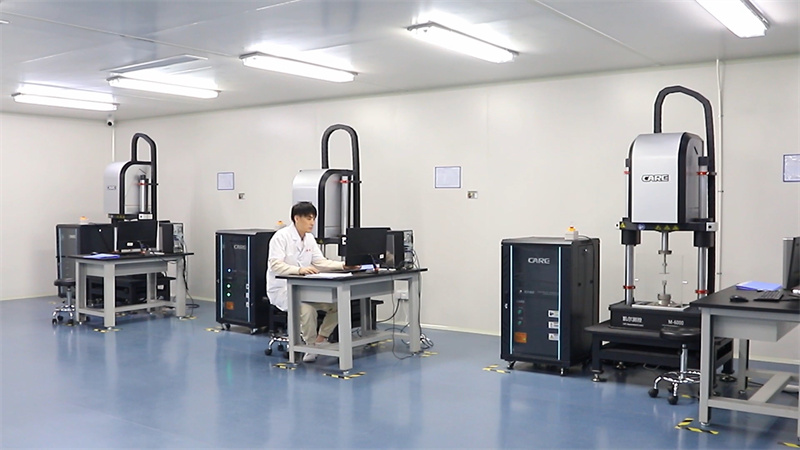
We maintain an integrated quality control system across all stages of production. Visual checks use automated optical inspection (AOI) systems alongside video measuring machines (VMM). Structural and mechanical integrity is validated via tensile testing, static torsion tests, and fatigue testing. Regular internal audits keep our production systems aligned with ISO 13485:2016 requirements.
Standard lead times for high-volume suture anchor orders average 30 to 45 business days from drawing approval and raw material allocation. OEM configurations requiring custom molds or unique sterilization setups may extend the timeframe. We structure shipment timelines proactively to support your inventory and distribution schedules.
Additional surgical implants, reconstruction tools, and clinical instrument systems manufactured to international standards.
 Marin-one Medical