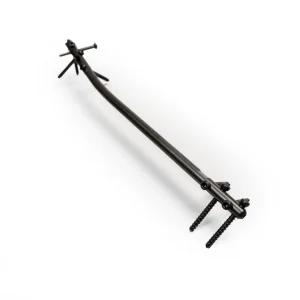
Explore our state-of-the-art implants and surgical instruments designed for seamless integration with optical and electromagnetic navigation systems.
Modern clinical settings demand absolute precision. As medical institutions globally transition to minimally invasive surgical (MIS) frameworks, the adoption of CE Certified Surgical Navigation Systems has shifted from an elective technical upgrade to a vital standard of care. These platforms act as the spatial coordinate center of the smart operating theater, utilizing infrared optical cameras or electromagnetic tracking fields to map surgical instruments to pre-operative CT/MRI imaging or real-time intra-operative fluoroscopy.
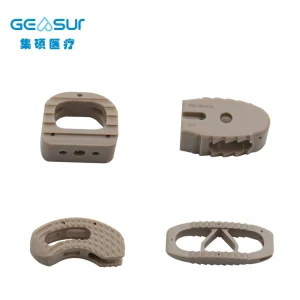
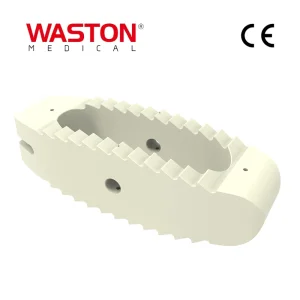
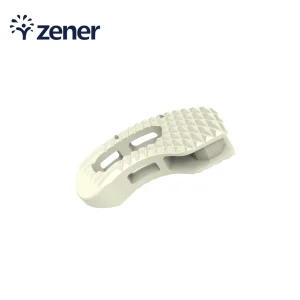
This integration is especially critical when inserting advanced spinal cages, pedicle screws, and complex joint replacements. For instance, when implementing systems like the Titanium Coating Spine Implant Lumbar Interbody Fusion PEEK Cage or executing a Total Hip and Knee Joint Replacement, a displacement of even 1 millimeter or a deviation of 1 degree can lead to hardware failure, neurovascular damage, or revisions. This comprehensive whitepaper explores the clinical, industrial, and global manufacturing dynamics that are reshaping the computer-assisted surgical navigation pipeline.
The global market for surgical navigation systems is experiencing a compounding expansion, driven by an aging demographic, the rising incidence of complex spinal anomalies, and the clinical mandate to reduce postoperative hospital stays. Analysts track this sector's compound annual growth rate (CAGR) at over 7.5%, with projections suggesting a market volume surpassing several billion USD within the decade. Standalone equipment is rapidly giving way to integrated operating ecosystems, where navigation software platforms interface seamlessly with mechanical robotic arms, preoperative planning software, and implant tracking devices.
In mature economies like North America and Western Europe, hospitals are prioritizing system integration. They require software compatibility with existing DICOM archiving architectures, high-resolution intra-operative imaging systems (such as O-arms or 3D C-arms), and tracking arrays that can be sterilized repeatedly. Conversely, in rapidly growing healthcare markets across Latin America, the Middle East, and Asia-Pacific, the key driver is cost-effective access to reliable technology. In these areas, clinical facilities need systems with simple setup profiles, low maintenance overhead, and multi-specialty adaptability (spanning spine, neurosurgery, orthopedics, and CMF maxillofacial applications).
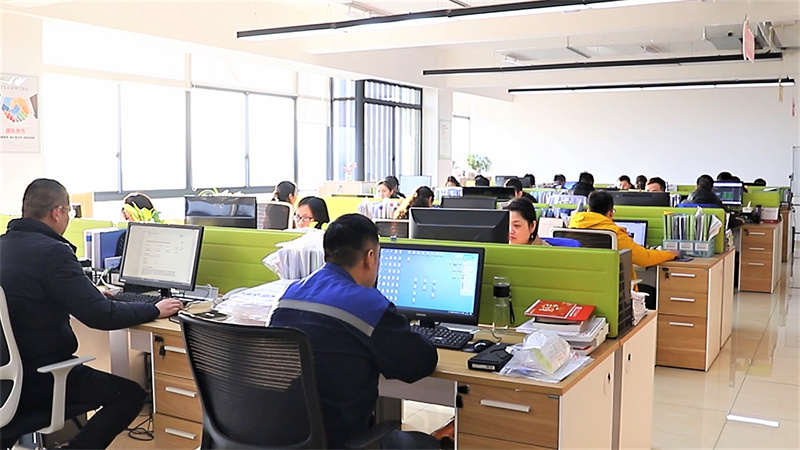
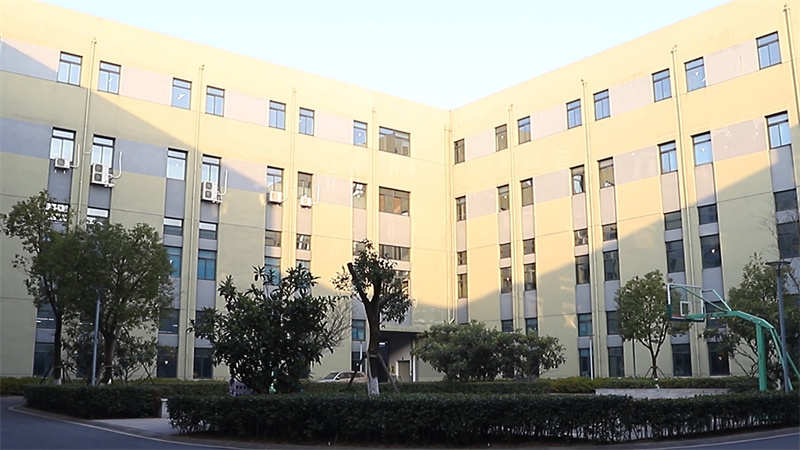
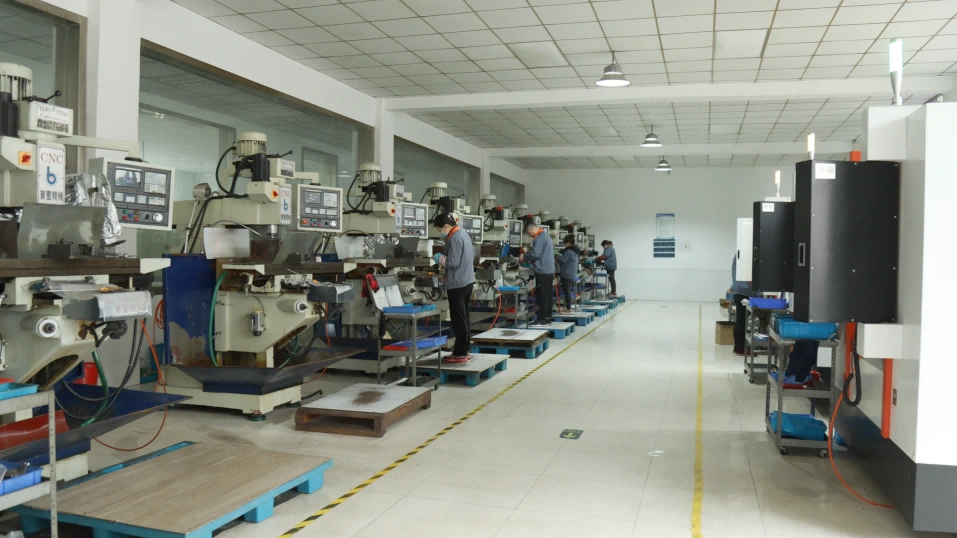
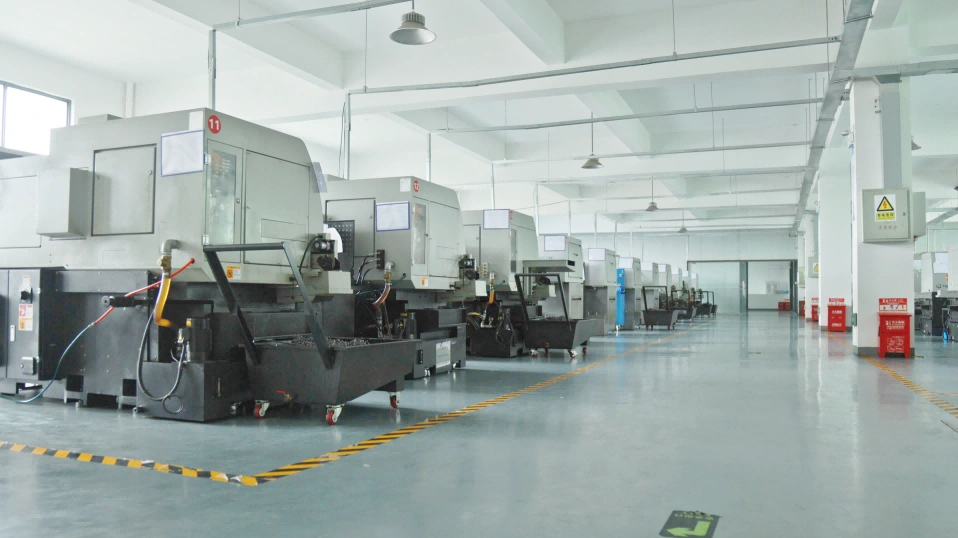
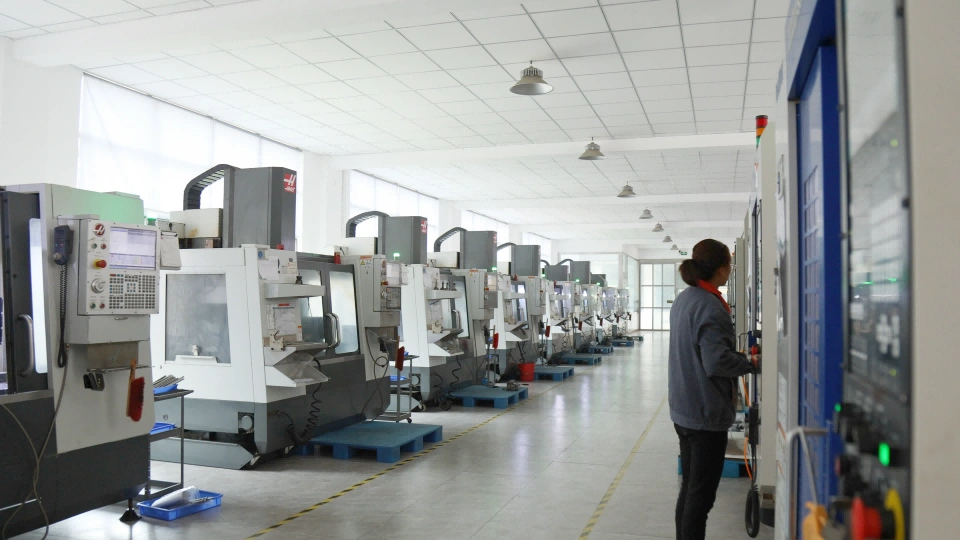
At the center of high-precision orthopedic implant and device production is Guangdong Marin-one Medical Devices Co., Ltd. The company specializes in the development, manufacturing, sales, export, and clinical integration of orthopedic implants and surgical instruments. Guided by the core tenets of "quality first, service first, R&D first, innovation first," Marin-one has built an international reputation for reliability over more than 18 years of focused research and development.
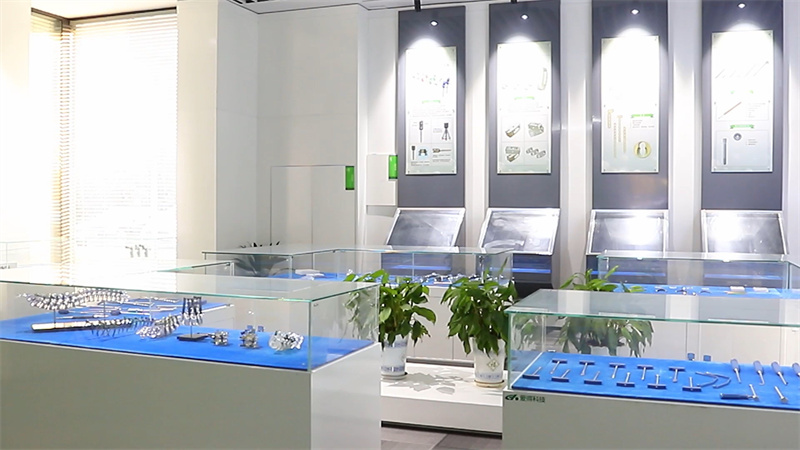
Marin-one's robust production infrastructure manufactures 11 main product series designed to meet diverse surgical requirements:
Located in the heart of China's advanced manufacturing corridor, Guangdong Marin-one uses localized supply networks and highly efficient industrial clusters. This regional concentration yields significant advantages:

Computer-assisted surgical systems and tracked implants are deployed in distinct clinical environments around the world, each with its own operational requirements:
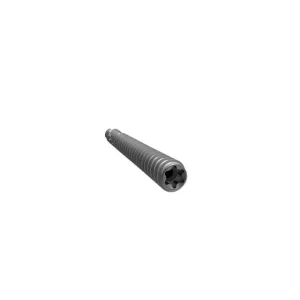
In spinal procedures, navigation systems are widely used to guide pedicle screw placement in cases of scoliosis, spondylolisthesis, and lumbar degeneration. Surgeons use the system to track the path of instruments relative to the patient's anatomy in real time. This is especially helpful during procedures that use the Laminoplasty Thread Inter Reduction Pedicle Screw System or when implanting a Lumbar Interbody Fusion PEEK Cage. The technology helps verify the correct trajectory through the pedicle, minimizing the risk of breach and avoiding injury to the spinal cord or major vessels.
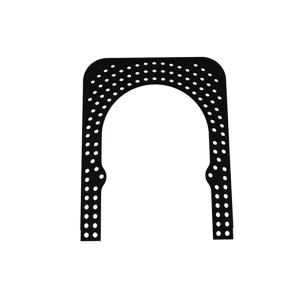
In high-volume trauma clinics, speed and accuracy are crucial. Surgeons use external fixation tracking arrays to quickly stabilize complex long-bone fractures. Products like the Ilizarov External Fixator Foot Ring can be aligned using computer assistance to preserve structural length and rotation. The system helps confirm alignment without the need for repetitive intraoperative X-rays, reducing radiation exposure for the patient and surgical team.
For facial reconstruction, precision is key to maintaining function and appearance. Surgeons use high-resolution navigation to place low-profile plates, such as the Maxillofacial Micro 110° L-Plate. Pre-operative plans can be matched directly to the patient's anatomy during surgery, ensuring plates and screws are placed accurately near delicate sensory structures.
The field of computer-assisted surgery is evolving rapidly, driven by advances in sensing and imaging technology:
Modern operating rooms utilize two main tracking methods. Optical tracking relies on dual-camera infrared sensors that trace line-of-sight retroreflective spheres. This provides high spatial accuracy but requires a clear line of sight. Electromagnetic (EM) tracking utilizes a localized magnetic field generator and micro-sensors embedded within the instruments. This path is beneficial for minimally invasive procedures because it does not require a clear line of sight, though surgeons must manage proximity to metallic objects that can distort the field.
The next generation of navigation systems overlays virtual trajectory lines directly onto the surgeon's view via head-mounted displays (HMDs). By projecting 3D anatomical models onto the actual patient, these systems help surgeons maintain focus on the surgical field rather than looking back and forth at external monitors.
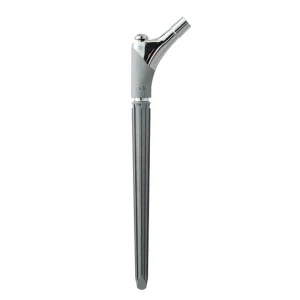
Advanced imaging software uses machine learning to automatically segment spinal segments, bone boundaries, and vascular networks from CT scans. This simplifies pre-operative planning, helping to identify target pathways and determine the optimal size and positioning of implants like Ti-Alloy Total Hip Replacements before the first incision is made.
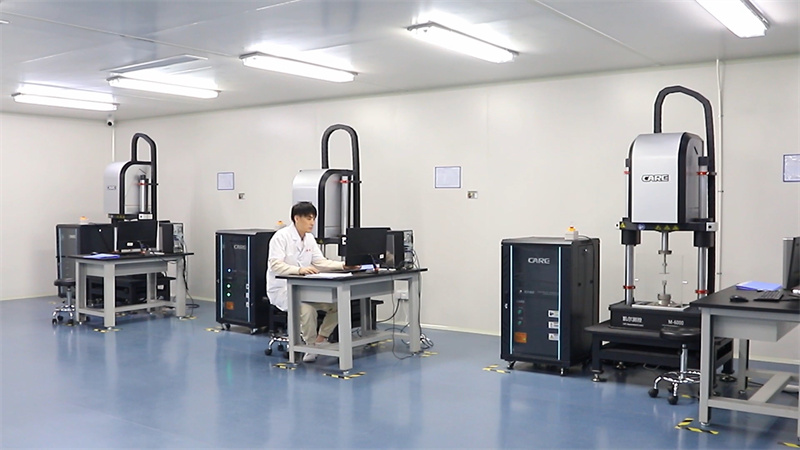
For medical distributors, hospital purchasing managers, and OEM clients, setting up a reliable sourcing pipeline for implants and instrumentation is essential. Managing supplier risks requires evaluating several key operational criteria:
Technical and procurement inquiries regarding Surgical Navigation Systems and associated implants.
Review our wider catalog of implants and tools, manufactured under strict quality standards to complement modern computer-guided surgeries.
 Marin-one Medical