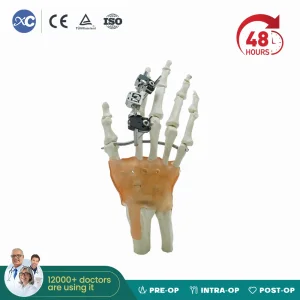
 High Quality Mini Fragment External Fixator Orthopedic Medical Metacarpals External Fixation
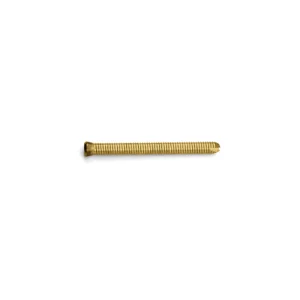 Surgery Orthopedic Implants Cannulated Locking Compression Screw
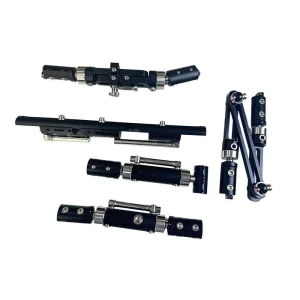 Orthopedic Surgical Mini Combined Type Fragment External Fixator
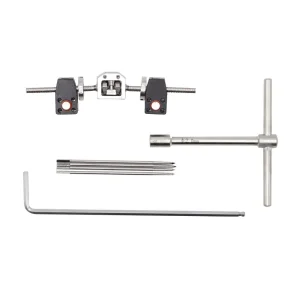 Quality Guaranteed CE/ISO Mini Fragment External Fixator
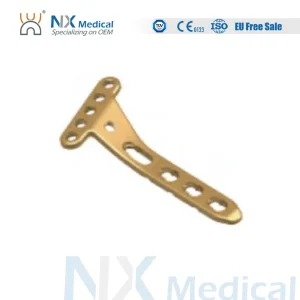 Nx Medical Variable Angle LCP Plate Radius Fragment Locking System
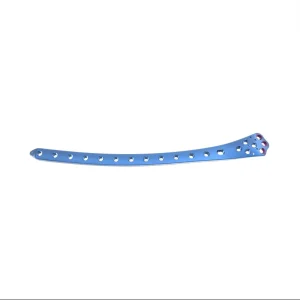 Variable Angle Orthopedic LCP Distal Femoral Locking Plate
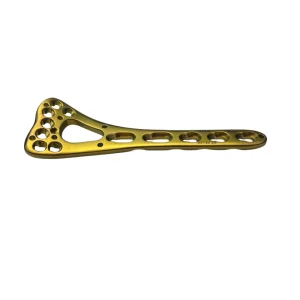 Variable Angle Distal Volar Radius Compression LCP Surgery Locking Fixation
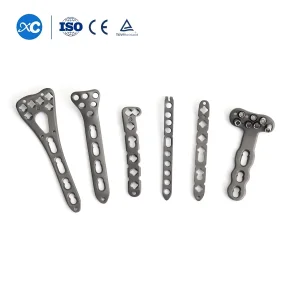 Fracture Surgery Titanium Distal Radius Locking Plate
In the contemporary medical arena, the Small Fragment Locking Systems market has witnessed a revolutionary shift. As an essential component of orthopedic trauma surgery, these systems are designed to address fractures in smaller bones, such as the radius, ulna, fibula, and clavicle. Globally, the demand is surging due to an aging population and an increase in sports-related injuries and vehicular accidents. Hospitals and surgical centers in North America, Europe, and emerging economies in Asia are shifting from traditional non-locking plates to advanced Locking Compression Plates (LCP).
The industrial status of these systems is characterized by high precision. Manufacturing involves complex CNC machining of titanium alloys (Ti6Al4V) and high-grade stainless steel. As a leading manufacturer in China, we integrate AI-driven design protocols to ensure that every locking hole and screw thread meets the micro-tolerances required for rigid fixation and biological healing.
The core advantage of our small fragment locking systems lies in the internal-fixator principle. Unlike conventional plates that rely on plate-to-bone friction, locking systems create a fixed-angle construct. This is crucial for osteoporotic bone where screw purchase is often compromised. By maintaining a gap between the plate and the periosteum, our systems preserve blood supply, leading to faster union rates and reduced risk of infection.
Explore our flagship: Nx Medical Variable Angle LCP Plate Radius Fragment Locking System, engineered for anatomical perfection.
Modern plates are now designed using extensive 3D CT databases. Our factory utilizes digital bone modeling to pre-shape plates, reducing the need for intraoperative bending, which can compromise the integrity of the metal.
The shift from fixed-hole locking to Variable Angle (VA) technology allows surgeons to direct screws into specific bone fragments, avoiding joint surfaces and other implants. This is the new standard in complex articular fractures.
Advancements in surface treatment, such as Type II anodization, enhance the fatigue strength of the titanium and reduce the cold-welding effect between the screw and the plate.
Beyond the metal itself, the industry is moving toward "Smart Surgery." This includes integration with navigation systems and robotic-assisted plate placement. China's manufacturing sector is at the forefront of this, combining traditional hardware expertise with cutting-edge software integration. As a top China manufacturer, we are currently researching sensors embedded in plates to monitor bone healing in real-time.
Global procurement managers for medical devices focus on three pillars: Compliance, Consistency, and Cost-efficiency. Small fragment locking systems manufactured in China have transcended the "low cost" label to become "high value" benchmarks. Our factory in Guangdong adheres to ISO 13485 and CE MDR standards, ensuring that every product batch is traceable.
Procurement needs vary by region:
Check our trauma solution: Orthopedic Implant Locking System-Large & Small Fragment Plate.
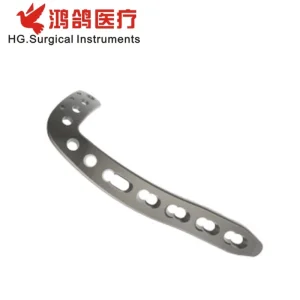
The versatility of small fragment systems allows them to be used in diverse clinical settings:
1. Level 1 Trauma Centers: In high-velocity impact cases, surgeons require systems that offer maximum stability. Our 3.5mm locking plates are the workhorse in these environments, providing the strength of a large plate with the low profile required for areas with minimal soft tissue cover.
2. Sports Medicine Clinics: For distal radius or clavicle fractures in athletes, early mobilization is key. The rigid fixation of our locking systems allows patients to begin physical therapy days after surgery, rather than weeks, significantly improving functional outcomes.
3. Geriatric Care: Fixing fractures in osteoporotic bone is a challenge. The locking mechanism acts as a "bridge," supporting the bone without crushing the delicate cortex, which is vital for elderly patients whose bone density is compromised.
Guangdong Marin-one Medical Devices Co., Ltd. is specialized in manufacturing Orthopedic Implant and instruments, a diversified model of Research and development, production, sales, export. The company has perfect quality management system and advanced production capacity. After more than 18 years research and development, we have about 11 main product series and they are Spinal system, Intramedullary Nail system, Trauma plate and screw system, Locking Plate and screw system, CMF Maxillofacial system, External Fixation, Joint system, Medical Power Tool system, general surgical instruments system, Sterilization Box & basket, veterinary orthopedic etc.
In the principle of "quality first, service first, R&D first, innovation first", the company wins an excellent reputation both in domestic and abroad. Customer satisfaction is the purpose of our service.
Since the establishment of the company, all employees have consistently adhered to the business philosophy of "sincere service, continuous improvement", adhered to the service tenet of customer centeredness, pursuit of nobility, attention to details, and reputation first. With professional after-sales service and pioneering spirit, we have established a good reputation.
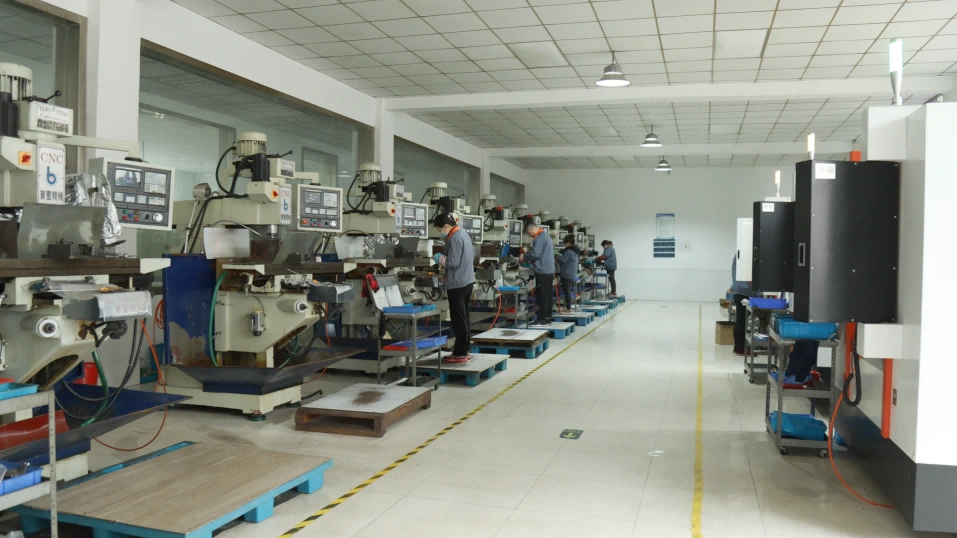
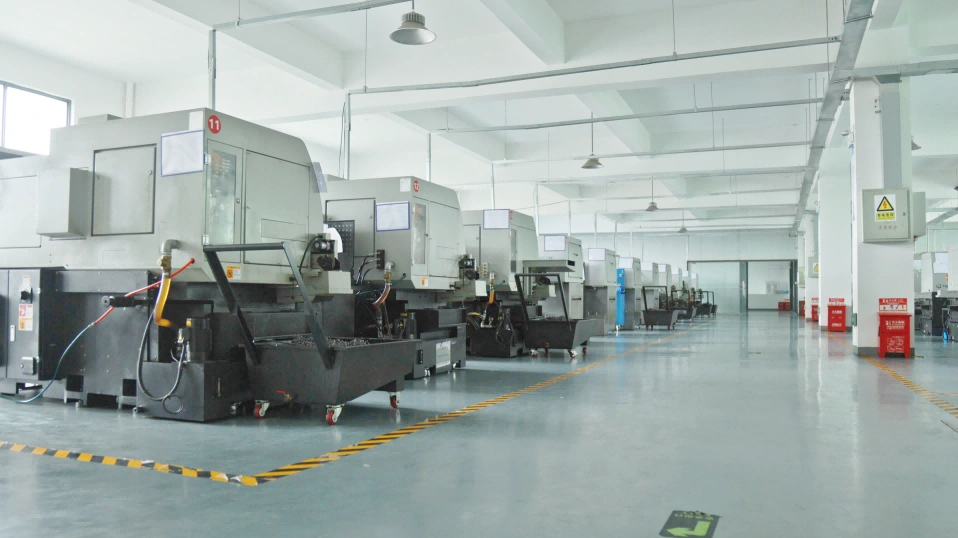
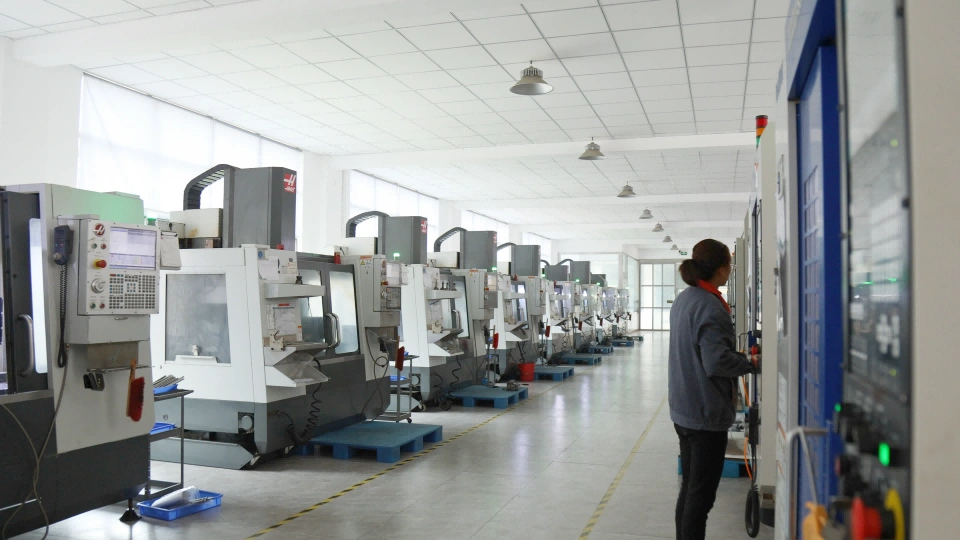
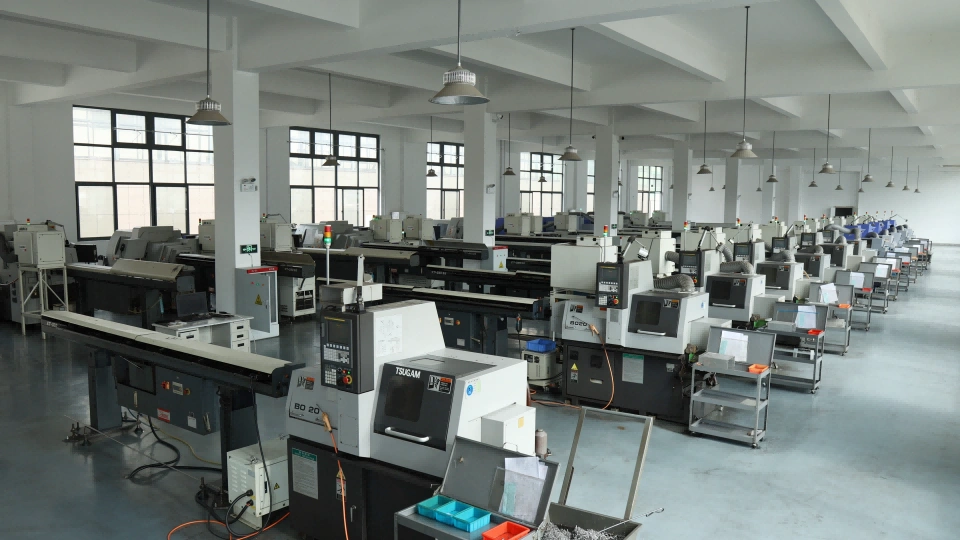
Precision is not just a word; it's a requirement in orthopedics. Our small fragment systems typically utilize a 3.5mm screw diameter for plates and a 2.7mm or 3.5mm diameter for screws. The plates are designed with a low profile, ranging from 1.5mm to 3.0mm in thickness. This is critical in areas like the ankle or the wrist where the skin is thin, and prominent hardware can lead to discomfort or skin necrosis.
Our titanium plates undergo a rigorous Electro-Chemical Anodization process. This not only gives them the signature medical-grade color coding (helping nurses and surgeons identify sizes instantly) but also builds a layer of Titanium Dioxide (TiO2). This layer is biocompatible and prevents the release of ions into the body, a common cause of metal sensitivity in patients.
Why choose a China manufacturer? The answer lies in the "Cluster Effect." Located in the industrial heart of Guangdong, Marin-one Medical leverages a massive network of high-precision material suppliers and specialized logistics. This allows us to offer lead times that are 40% shorter than European counterparts. Our factory floor is equipped with 5-axis CNC machines and automated Swiss-style lathes that produce screws with a thread tolerance of ±0.01mm.
Quality control is handled by AI-assisted visual inspection systems. Every single screw is scanned for burrs, thread pitch accuracy, and head drive depth. This level of scrutiny ensures that when a surgeon is in the middle of a high-stress trauma case, the screw will lock into the plate perfectly, the first time, every time.
Our R&D team works closely with surgeons from leading hospitals in Beijing and Shanghai. We translate clinical feedback into engineering solutions. For example, our Proximal Femur Neck Plate with Hook was developed specifically to solve the problem of small fragment instability in complex neck fractures where traditional screws might migrate.
We are also expanding into the veterinary orthopedic market. Pets suffer from similar trauma as humans, and the precision of our small fragment systems is perfectly suited for small breed dogs and cats. This diversification showcases our ability to adapt our core technology to various biological requirements.
Orthopedic Implant Locking System-Large Fragment Lower Limb Locking Plate Large Fragment Proximal Femur Neck Plate with Hook Locking Plate
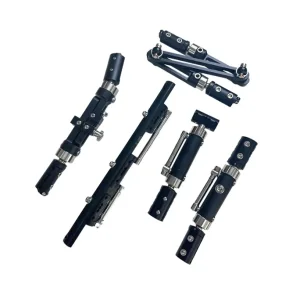 Mini Fragment External Fixator for Finger and Palm
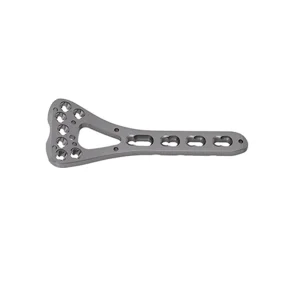 Multi-Axial Distal Radius Plam Locking Titanium Trauma Plate III
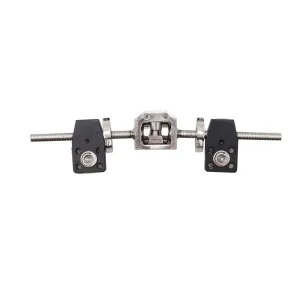 Excellent Quality Orthopedic Surgical Mini Fragment External Fixator
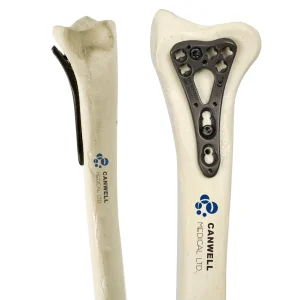 Canwell Variable Angle Radius Locking Plate Orthopaedic ImplantsCanwell Variable Angle Radius Locking Plate Orthopaedic Implants
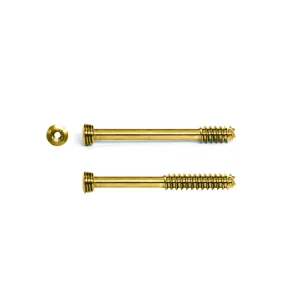 Orthopedic Cannulated Screw Half Threaded Locking Screw Titanium 7.3mm
 Marin-one Medical