As global demographics shift and the demand for mobility solutions rises, the search for Top Trusted Total Hip Replacement Factories & Suppliers has become a critical procurement priority for medical distributors and hospitals worldwide. In an era where "Information Gain" drives the evaluation of potential partners, understanding the intricacies of the supply chain, compliance, and technological integration is essential.
China has evolved from a general manufacturing hub to a high-precision medical technology powerhouse. By leveraging advanced CNC machining, material science advancements in biocompatible titanium and ultra-high-molecular-weight polyethylene (UHMWPE), and vertically integrated supply chains, Chinese manufacturers like Guangdong Marin-one Medical Devices offer unparalleled value. This vertical integration allows for stringent quality control from raw material sourcing to final sterilization, ensuring that each hip replacement component meets international medical standards.
Navigating the complex regulatory landscape is the hallmark of a trusted supplier. Whether it is CE Marking for the European market, FDA 510(k) clearance for the United States, or NMPA registration, top-tier factories prioritize regulatory compliance as a cornerstone of their operations. A reputable supplier must provide full traceability, from metallurgical certificates to the final biocompatibility reports of the orthopedic implants.
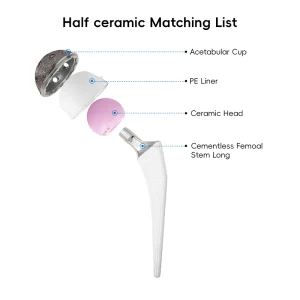
Total hip replacement is not a one-size-fits-all solution. Modern manufacturing involves producing diverse femoral stems, acetabular cups, and liners that accommodate varying anatomical requirements and surgical techniques. Localization support—adapting instruments and implant geometry for specific regional demographic needs—is a value-add that distinguishes market leaders from generic component providers.
Guangdong Marin-one Medical Devices Co., Ltd. represents the pinnacle of specialized orthopedic manufacturing. With over 18 years of dedicated research and development, the company has mastered the lifecycle of medical device production—from concept, design, and prototyping to mass production and global distribution.
Core Strengths:
Look for ISO 13485 certification, CE MDR/FDA compliance documents, and evidence of a mature Quality Management System (QMS). Trusted suppliers will transparently provide audit reports and material traceability documentation.
It combines rapid production cycles, cost-efficient precision engineering (CNC), and a vast ecosystem of raw material suppliers, allowing for high-quality, biocompatible medical devices at a competitive price point.
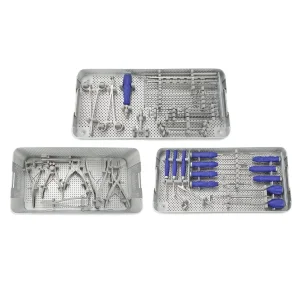
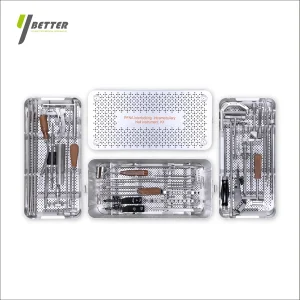
Yes. Leading manufacturers, such as Marin-one, specialize in both standard and custom instrumentation, working closely with surgeons to develop instrument sets that facilitate specific surgical techniques.
 Marin-one Medical