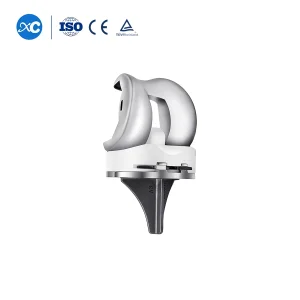
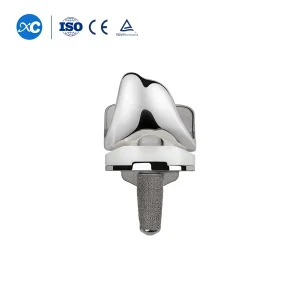
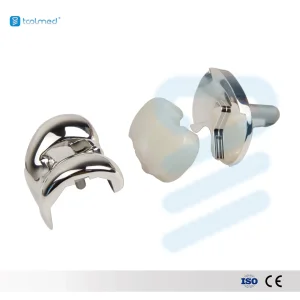
High-durability orthopedic knee and hip replacement solutions engineered to address degenerative joint disease and trauma reconstruction across Maputo, Beira, and Nampula clinical centers.
Mozambique’s healthcare landscape is undergoing an accelerated modernization phase. As the national economy expands, the Ministry of Health (MISAU) is prioritizing the treatment of chronic degenerative joint conditions and high-impact trauma. Total Knee Arthroplasty (TKA) has transitioned from an elective luxury to a vital clinical intervention. Primary drivers include rising rates of osteoarthritis, joint damage secondary to infectious pathologies, and trauma-related orthopedic emergencies resulting from industrial development and transit corridors like the N1 highway.
Due to the geographic concentration of specialized orthopedists in urban hubs like Hospital Central de Maputo (HCM), Hospital Central da Beira (HCB), and Hospital Central de Nampula, there is an urgent demand for standardized, high-performance joint implant systems. Establishing a secure supply chain of ISO 13485-certified TKR implants directly from established global manufacturers is essential to guarantee that both public hospitals and private networks (such as Hospital Privado de Maputo) have access to uninterrupted, top-tier biomaterials.
Joint reconstruction in Mozambique requires specific anatomical flexibility and resilience. Due to typical long-distance travel and labor-intensive livelihoods in rural agricultural sectors, joint implants must withstand high kinematic loads. Factors such as deep flexion alignment, rotational stability, and tribological wear reduction are paramount. Guangdong Marin-one Medical Devices Co., Ltd. addresses these requirements by exporting knee joint systems configured with premium Co-Cr-Mo (Cobalt-Chromium-Molybdenum) alloy and high-density, ultra-high molecular weight polyethylene (UHMWPE) inserts to prevent premature wear and osteolysis.
Modern joint arthroplasty relies on material science. The femoral condyle components developed in our state-of-the-art facilities utilize premium biomaterials designed for long-term biocompatibility and low wear rates. Our manufacturing process conforms to rigorous ASTM and ISO standards for surgical implants.
Utilizing high-purity Cobalt-Chromium-Molybdenum (Co-Cr-Mo) alloys for high load-bearing capacity and Titanium alloys (Ti-6Al-4V) for cementless bone integration.
Extensively cross-linked polyethylene inserts minimize friction, reduce particulate debris, and enhance long-term implant survival rates in active patient populations.
Sizing catalogs configured specifically for diverse global population metrics, ensuring optimal femoral coverage and minimal soft tissue irritation.
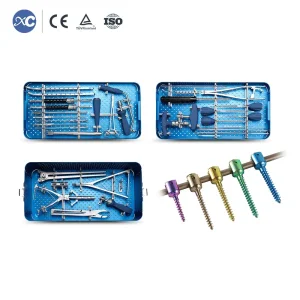
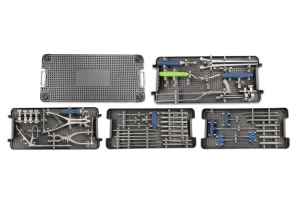
A critical barrier to clinical success in Mozambique's provincial clinics is the access to reliable surgical instruments. We do not just ship implants; we deliver comprehensive, autoclavable orthopedic instrumentation sets. Made from medical-grade hardened stainless steel and coated with corrosion-resistant layers, these instruments ensure that orthopedic surgeons can execute precise femoral and tibial resections with minimal margin of error.
Logistical reliability is as crucial as implant biocompatibility. Importing complex medical devices into Mozambique involves navigating distinct customs clearance frameworks and transport corridors. As a seasoned global exporter, Guangdong Marin-one Medical Devices Co., Ltd. has established robust logistics pipelines utilizing key maritime gateways.
We work in alignment with trusted local customs brokers in Maputo, Beira, and Nacala. All consignments are secured in specialized protective packaging to ensure sterile integrity is maintained during ocean or air transit. By utilizing consolidated air freight routes for urgent clinical demands and container shipping for scheduled national hospital tenders, we guarantee optimized delivery timelines and reduced customs processing delays.
The import of medical devices in Mozambique is governed by the Ministério da Saúde (MISAU). Local distributors and global manufacturers must demonstrate compliance with the National Directorate of Pharmacy (DNF) regulatory guidelines before medical equipment can be commercialized or distributed in provincial hospitals. Guangdong Marin-one Medical Devices provides full-scope regulatory dossiers, including:
Our regulatory support team coordinates directly with local distribution partners in Mozambique, providing translations, regulatory dossiers, and manufacturing plant certifications to ensure smooth registration and bidding capabilities in public hospital tenders.
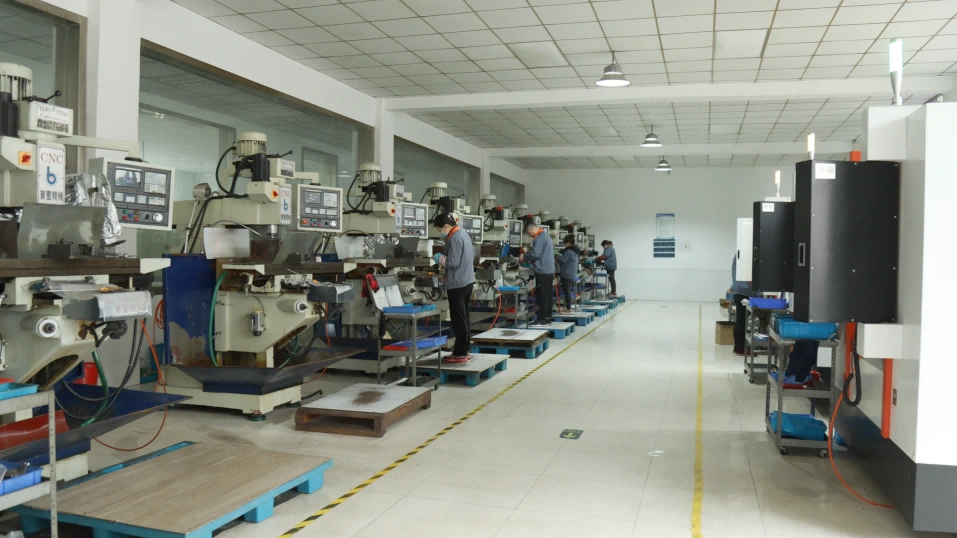
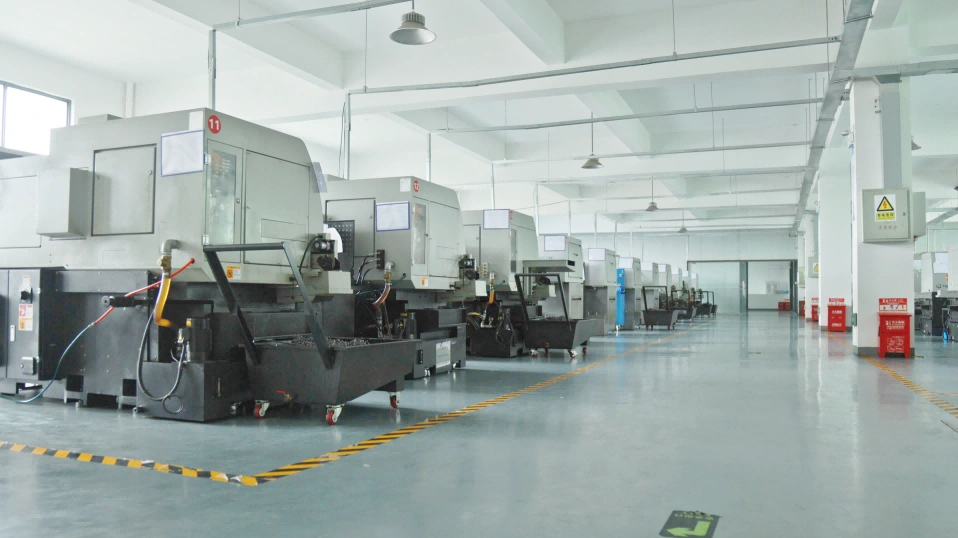
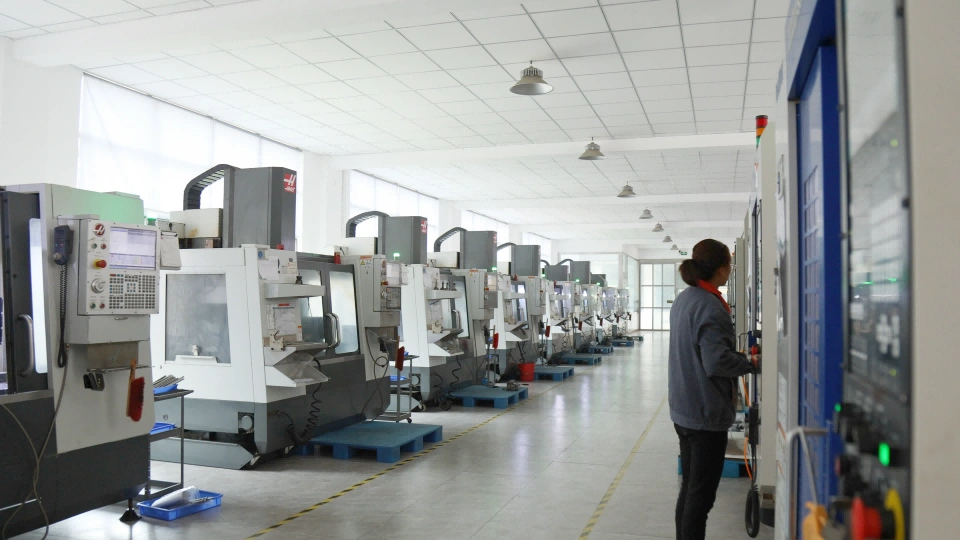
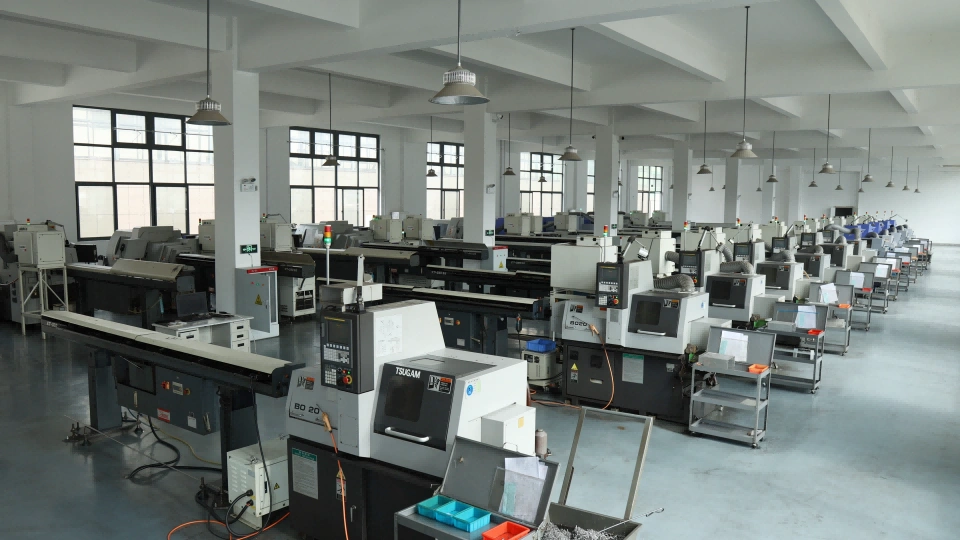
Guangdong Marin-one Medical Devices Co., Ltd. stands at the forefront of global orthopedic implant fabrication. Operating out of our advanced manufacturing centers, we integrate high-end robotic systems, precise 5-axis CNC machining centers, and strict cleanroom protocols to ensure every implant matches clinical tolerances.
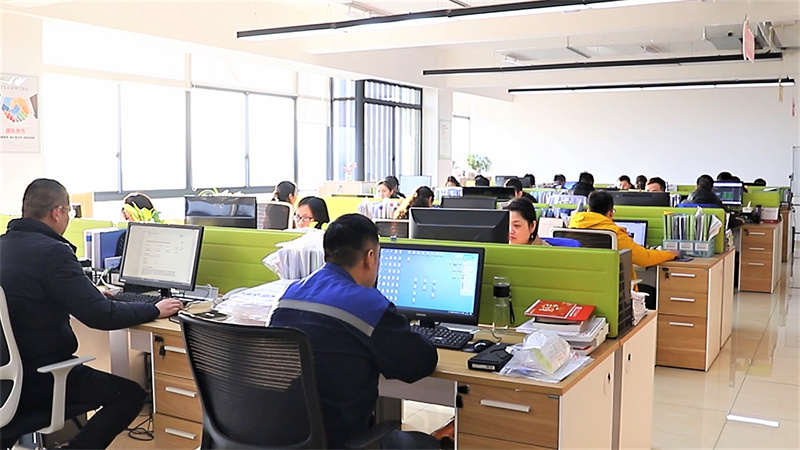
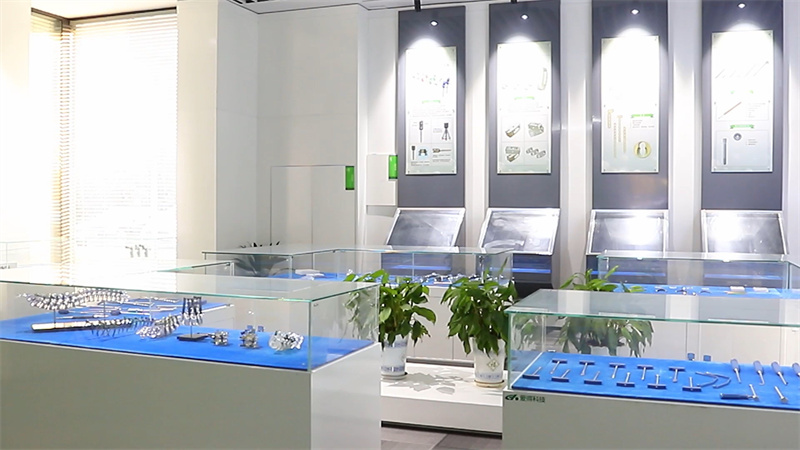
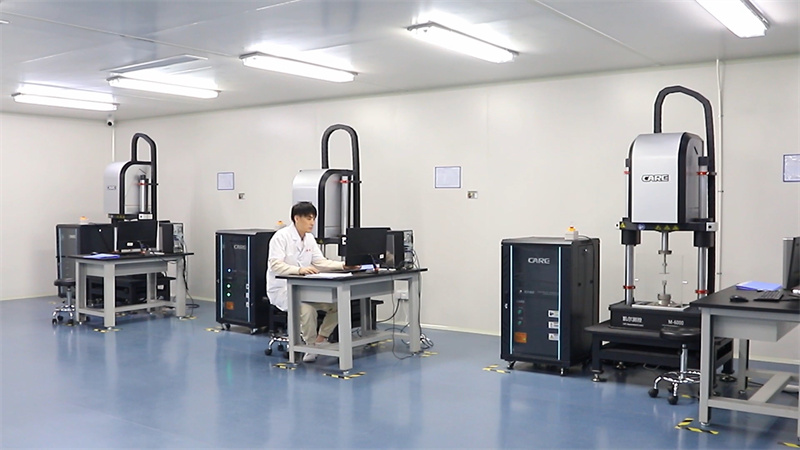
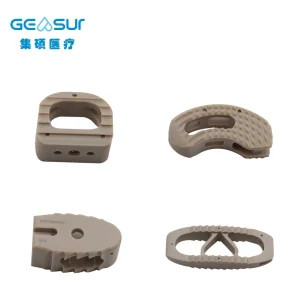
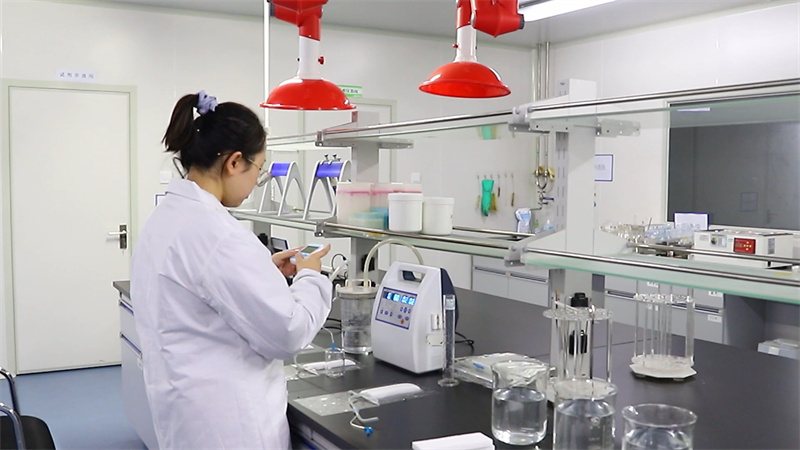
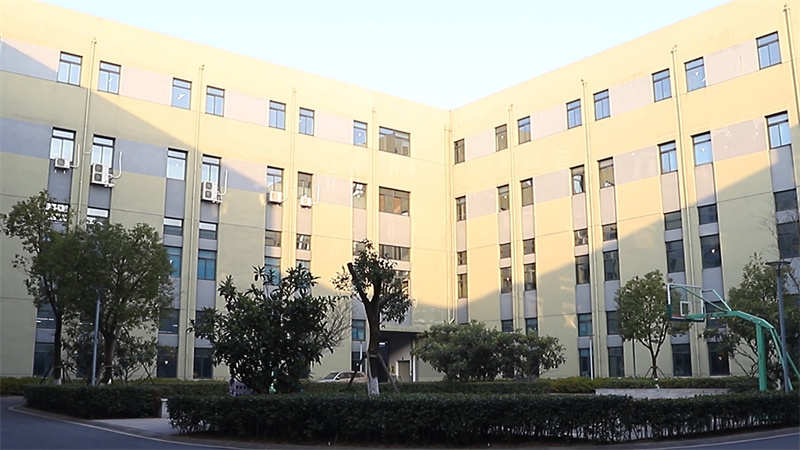
With over 18 years of rigorous research and development, we have created 11 diverse product series spanning Spinal systems, Intramedullary Nails, Trauma Plates, and Joint Arthroplasty systems. Our business philosophy is simple: "Quality first, Service first, R&D first, Innovation first." We manage the production chain from raw bar stock to sterilized final packaging, ensuring a reliable supply chain for the African continent.
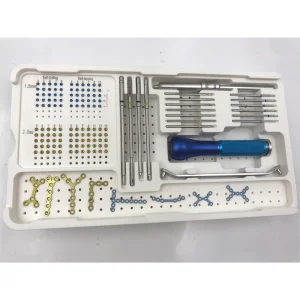
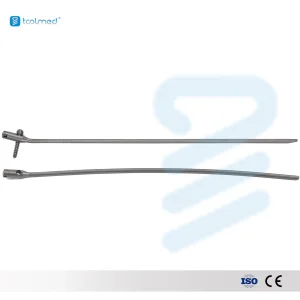
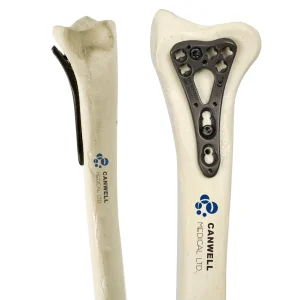
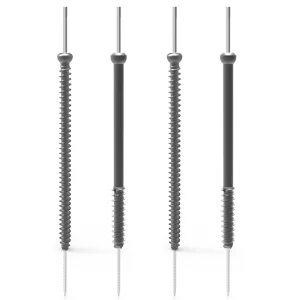
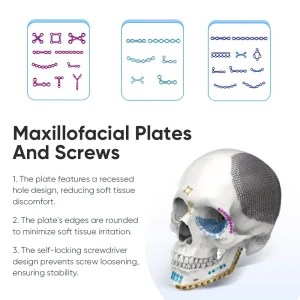
A complete surgical catalog designed to equip orthopedic departments with high-precision trauma plates, intramedullary nails, maxillofacial fixation systems, and supporting hospital equipment.
When selecting an orthopedic implant partner for private hospital groups or MISAU public tenders, procurement committees must evaluate parameters beyond pricing. The total cost of ownership (TCO) in joint arthroplasty includes implant survival rates, instrument availability, and direct regulatory support. Here is our recommended procurement matrix:
Ensure that all imported knee implants utilize verified Co-Cr-Mo raw alloys matching ASTM F75 specifications. This ensures long-term wear resistance under physical stress. High cross-linked polyethylene components should be certified to resist oxidation over time.
Hospitals must confirm that the manufacturer provides complete instrument replenishment services. Reusable trial components, femoral cutting guides, and alignment towers must be readily available to prevent delays between surgeries.
Evaluate the manufacturer's ability to offer flexible container configurations and customs documents for Mozambique. Consolidating trauma systems, joint systems, and medical power tools into single shipments optimizes customs clearance costs in Maputo and Beira ports.
Answers to key regulatory, logistical, and technical questions regarding the import and distribution of orthopedic implants in Mozambique.
All medical devices and surgical implants must be registered with the Ministry of Health (MISAU) through the National Directorate of Pharmacy (DNF). Importers must submit certified translations of CE and ISO 13485 certificates, material safety data sheets, biocompatibility testing certificates, and packaging labels. Guangdong Marin-one Medical provides comprehensive documentation dossiers to streamline this local registration process.
Our manufacturing processes leverage ISO 13485 certified quality management systems. We utilize high-purity medical-grade titanium and cobalt alloys sourced from audited global suppliers. Every implant batch undergoes strict mechanical wear testing, coordinate measurement inspection, and multi-stage ultrasonic cleaning before sterile packaging inside class 10,000 cleanrooms.
We offer both FCL (Full Container Load) and LCL (Less than Container Load) sea freight directly to Maputo and Beira ports. For urgent healthcare needs, we utilize express air freight routing to Maputo International Airport (MPM), coordinating transit documentation to minimize customs processing delays.
Yes. We supply dedicated, sterilization-ready instrument sets specifically designed for each implant system. This includes trial prostheses, bone resection guides, femoral inserters, and tibial templates. These tools are manufactured from premium medical-grade stainless steel to ensure durability through repeated sterilization cycles.
Absolutely. Leveraging our engineering capabilities and 18+ years of R&D experience, we offer extensive OEM/ODM support. We can customize implant dimensions, surface structures, and surgical tooling to meet specific anatomical demands and distribution requirements in East Africa.
 Marin-one Medical