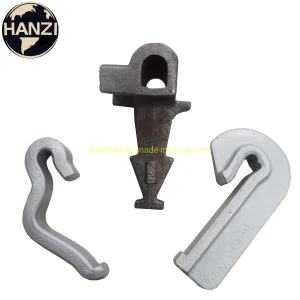
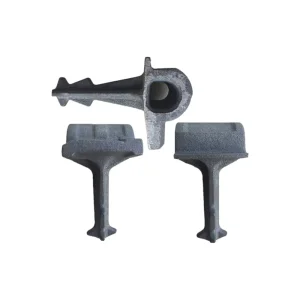
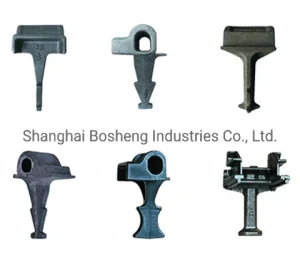
Railway Rail Cast Iron Shoulder Used on Concrete Sleeper

Still deciding? Get samples of $ !
Request Sample

Product Description

Technical Specifications

Model NO.
BS
Certification
ISO9001
Quality
High Quality
Transport Package
Bundles by Steel Wire Rod
Trademark
BS
Origin
China
HS Code
73021000
Production Capacity
500,000 ton/Year

Product Description

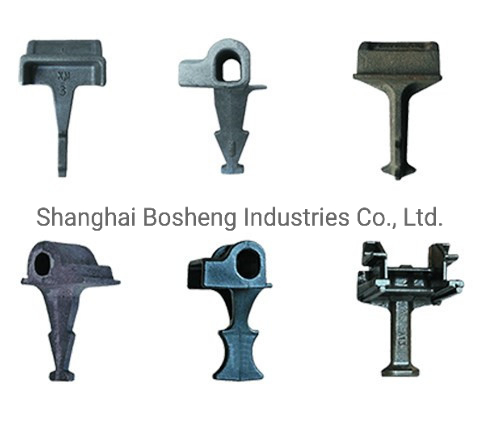
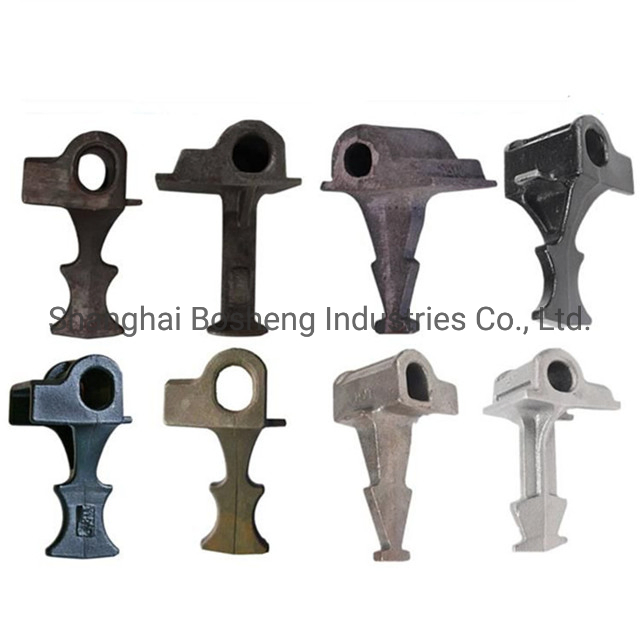
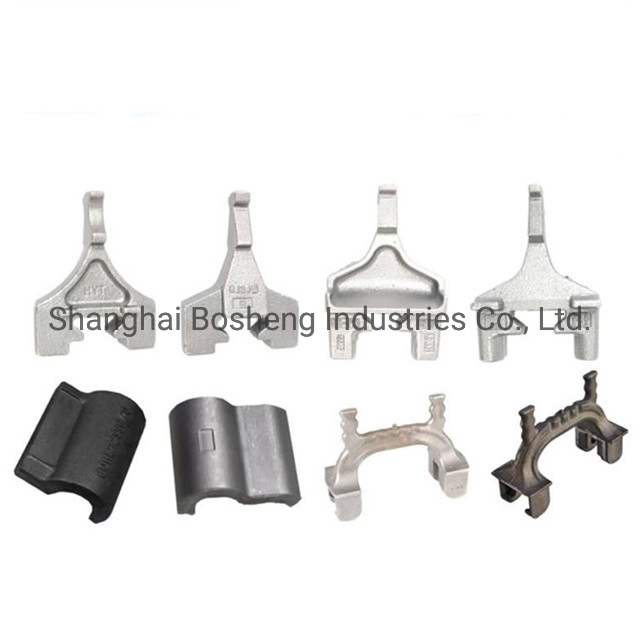
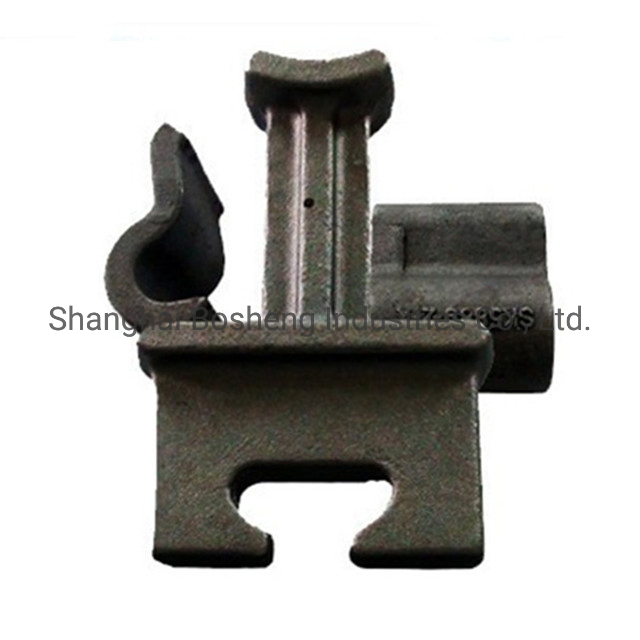
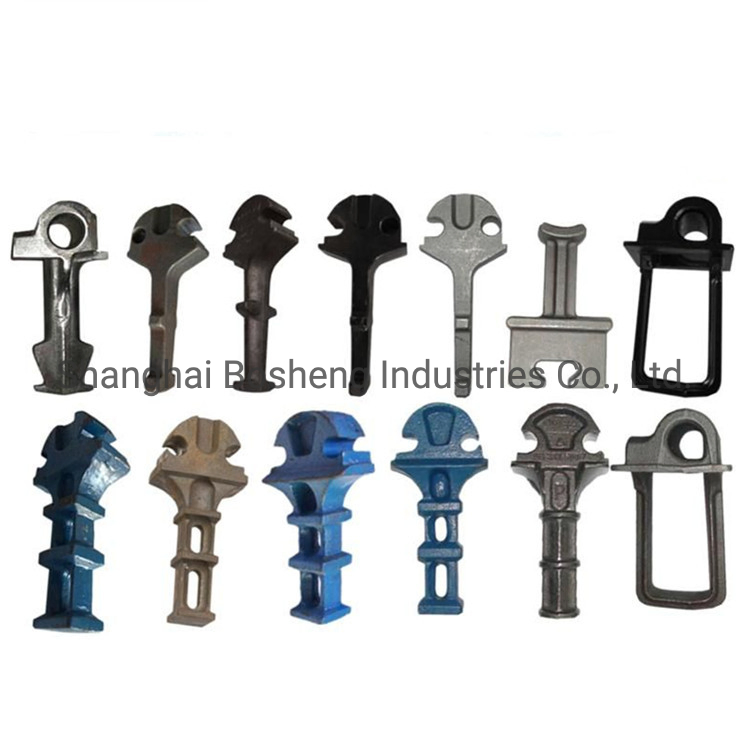
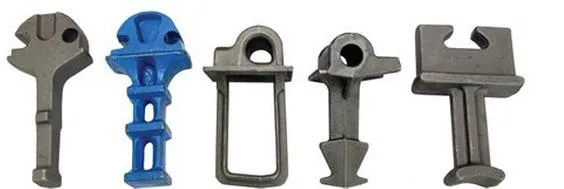
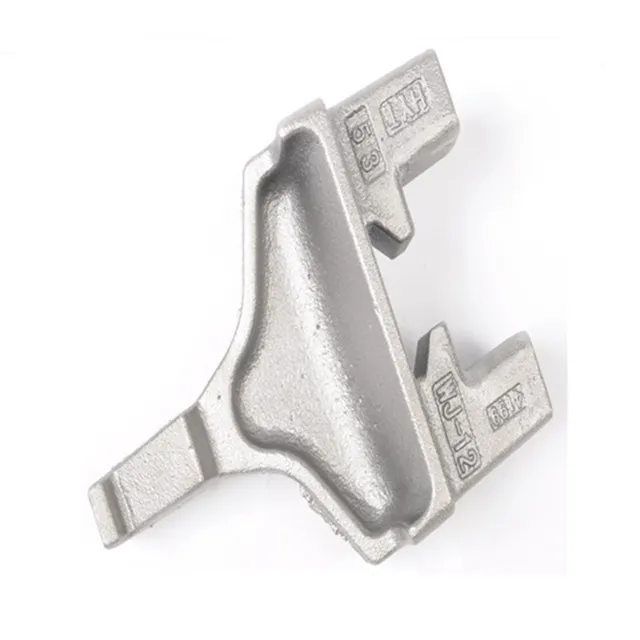
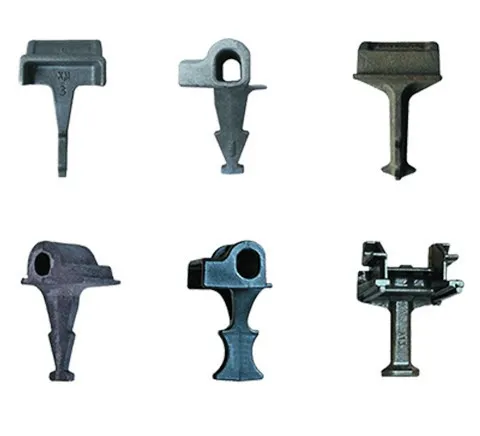
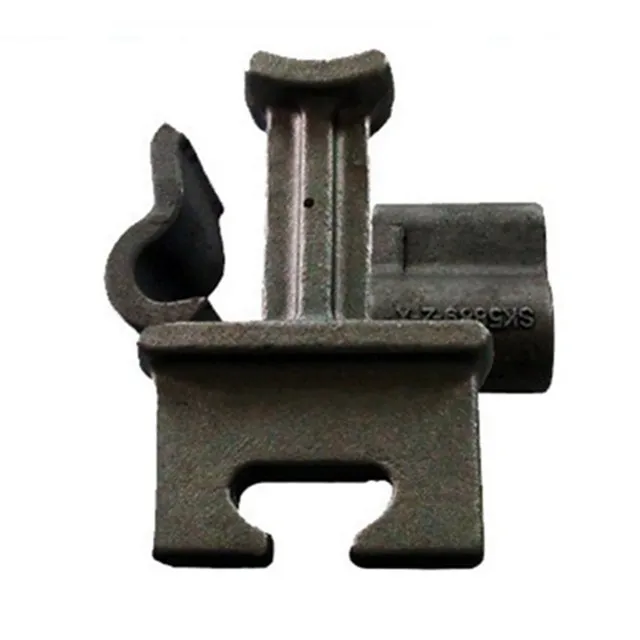
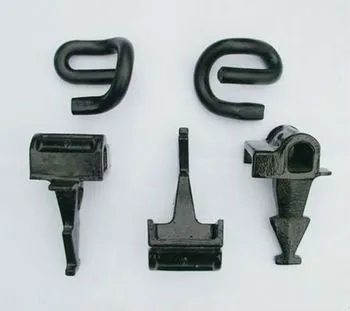
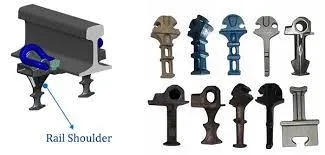
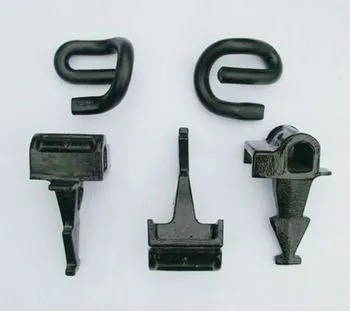
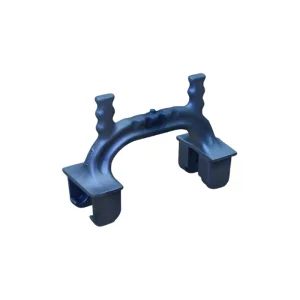
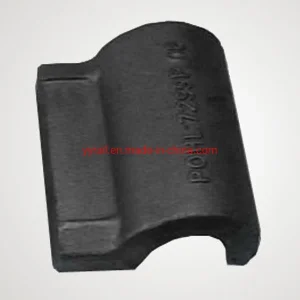
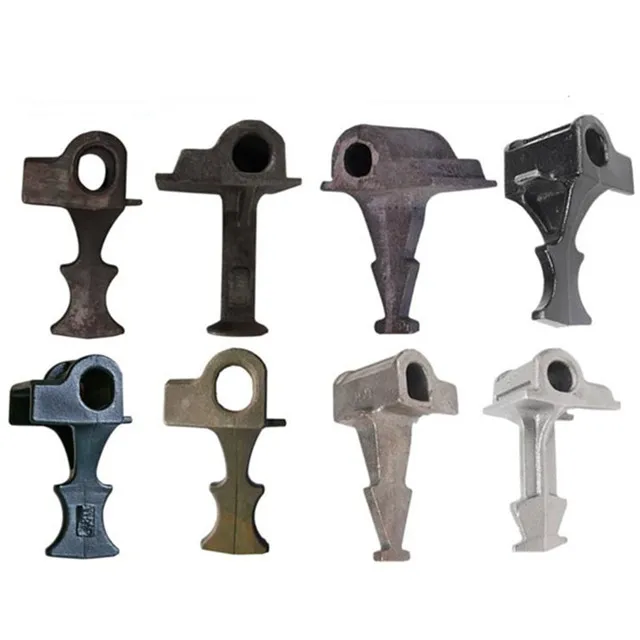
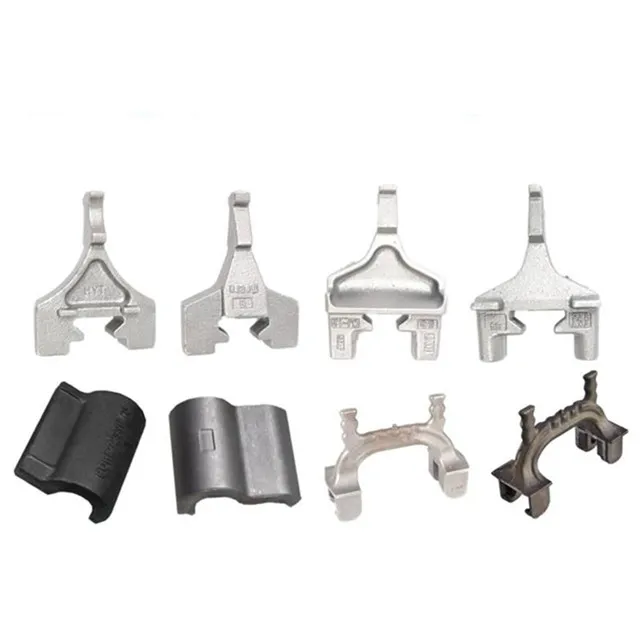
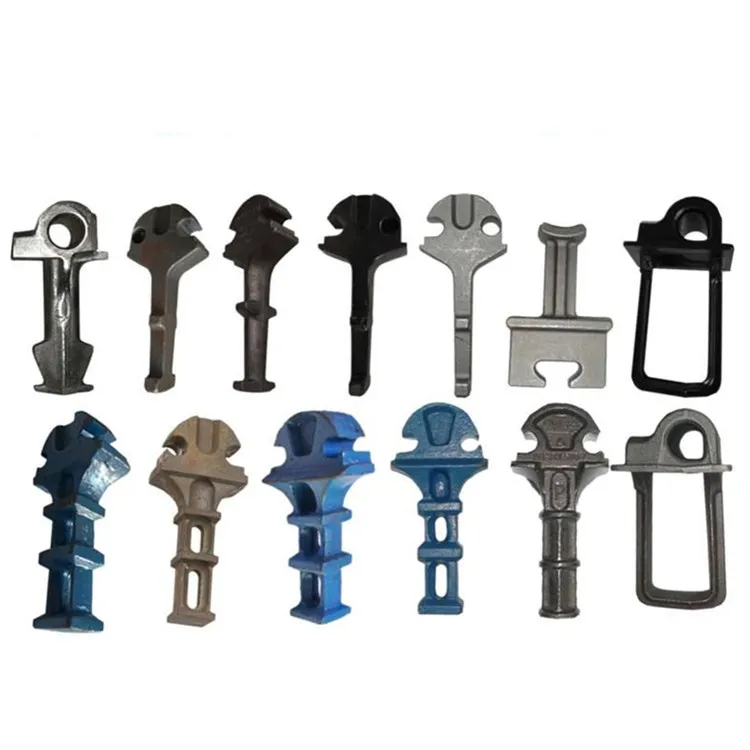
Rail shoulder, also called rail iron shoulder, is primarily used for casting into concrete ties to fixate elastic rail clips. These components provide critical lateral support to the rail and ensure the clips grip effectively. Depending on structural requirements, they are categorized into Single Stem and Twin Stems designs.

Manufacturing methods include casting, weld-on applications, and hot forging. The shoulder is semi-embedded during the tie casting process, forming a durable anchor point for rail fastening systems. Common variations include Cast-in Shoulders and Weld-on Shoulders, suitable for both pre-stressed concrete ties and bi-block/twin-block concrete ties.
Quality Control System

Operating under a certified ISO 9001 management system, the production process follows strict standards from raw materials to finished rail shoulders.
Material Verification: Raw materials are checked for chemical composition and mechanical properties. Suppliers must provide production batch numbers and testing indicators.
Batch Testing: Quality control inspectors perform sample sampling and batch testing during and after manufacturing, ensuring material certificates are verified.
Strict Inspection: Physical and chemical tests are conducted based on specific requirements. Non-compliant materials are strictly rejected.
Technical Guidance: Regular quality coordination meetings and technical guidance ensure that only qualified products are delivered to customers.

Frequently Asked Questions

What is the primary function of a rail shoulder?
A rail shoulder is embedded in concrete sleepers to fixate elastic rail clips, providing essential lateral support to the rail and ensuring structural stability.
What are the different types of rail shoulders based on shape?
They are classified into Single Stem Iron Shoulders (used in pre-stressed concrete ties) and Twin Stem Iron Shoulders (used in Bi-Block or Twin Block ties).
How are these components manufactured?
Rail shoulders can be produced through three main methods: casting, welding (weld-on shoulders), and hot forging.
What quality standards do your rail shoulders meet?
The production process is strictly governed by ISO 9001 standards, including rigorous chemical composition testing and physical property inspections.
Can rail shoulders be used with any concrete sleeper?
Yes, depending on the design (cast-in or weld-on), they are specifically engineered for use with concrete ties to support various elastic fastening systems.
What information is tracked during production?
We track production batch numbers, material chemical compositions, and mechanical properties to ensure full traceability and high quality.

Related Products