Marin-one Medical
1 / 5
The surgical technique for cannulated headless compression screws follows a precise orthopedic protocol:
Make a small 1-3 cm incision near the fracture site, avoiding vital nerves and vessels. Separate soft tissues layer by layer to fully expose the bone.
Restore normal anatomy through manual traction and rotation. Monitor the process continuously under C-arm fluoroscopy.
Determine the entry point based on fracture direction. Insert the guide wire under fluoroscopic guidance perpendicular to the fracture plane.
Measure accurately using a dedicated device over the guide wire. Select a screw 2-4 mm shorter than the measured length for optimal positioning.
Use an appropriate cannulated drill bit. Employ irrigation to cool the bit and prevent thermal injury while checking depth via imaging.
Mount the screw onto the compression sleeve and advance manually. Turning the sleeve closes the fracture gap. Ensure the screw head is flush with the bone and trailing threads are fully buried.
Irrigate the wound with saline, suture in layers (fascia then skin), and apply appropriate dressing or splinting.
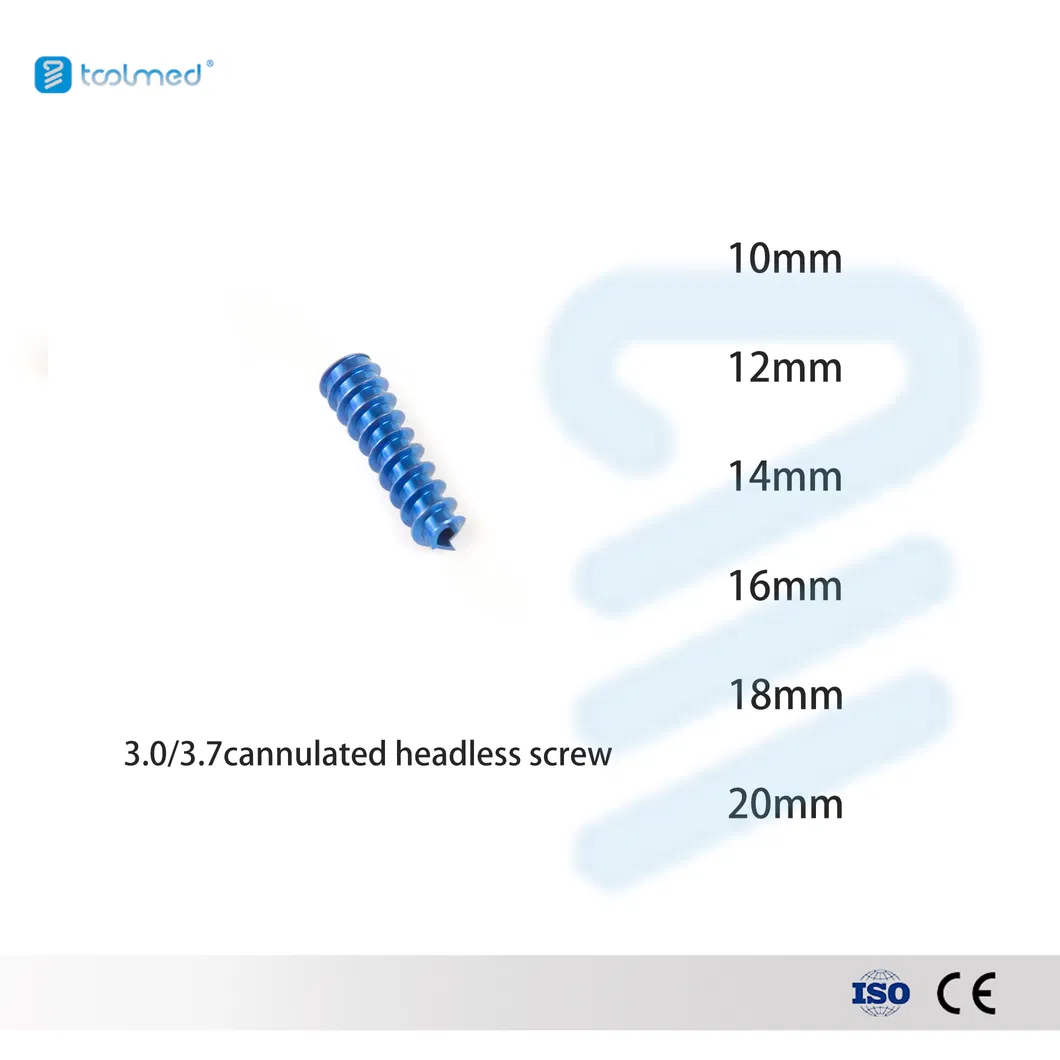
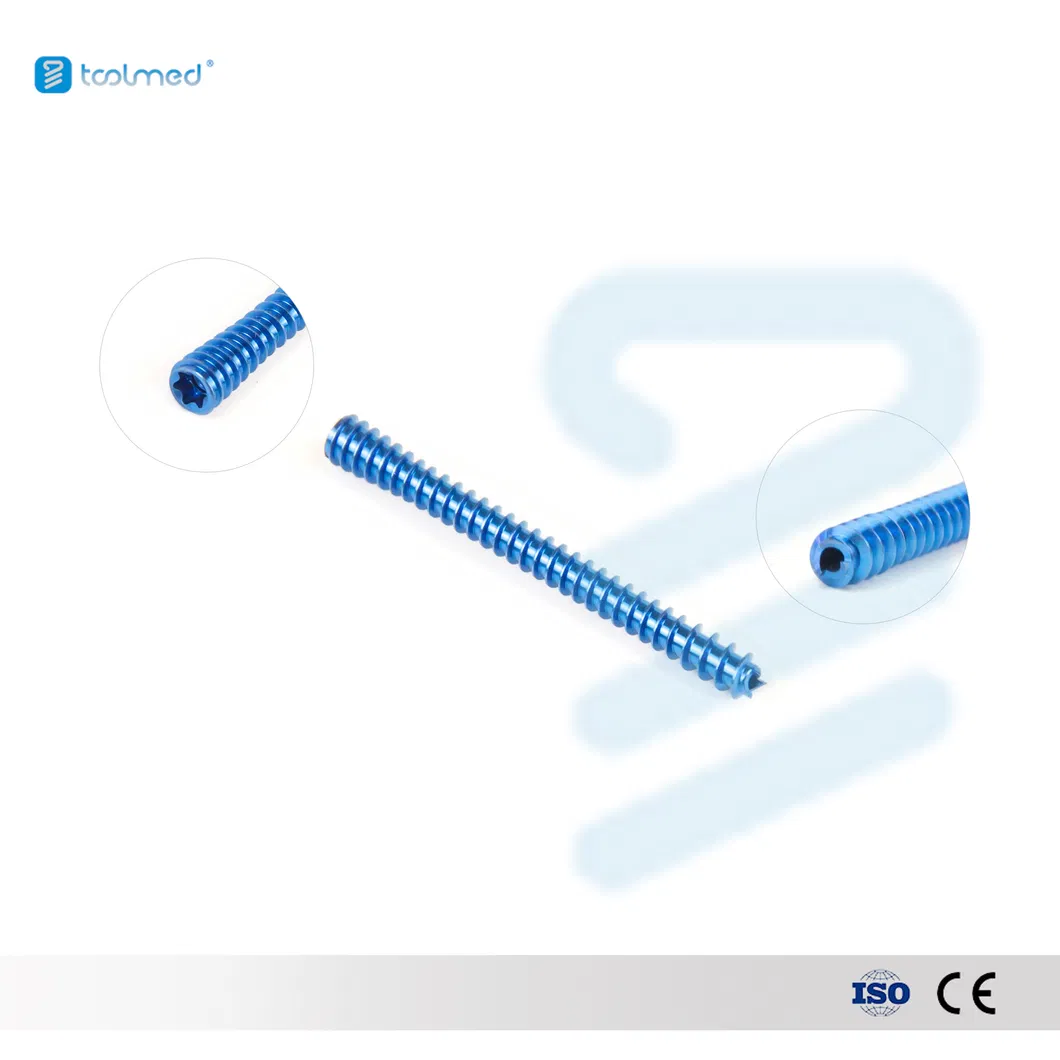
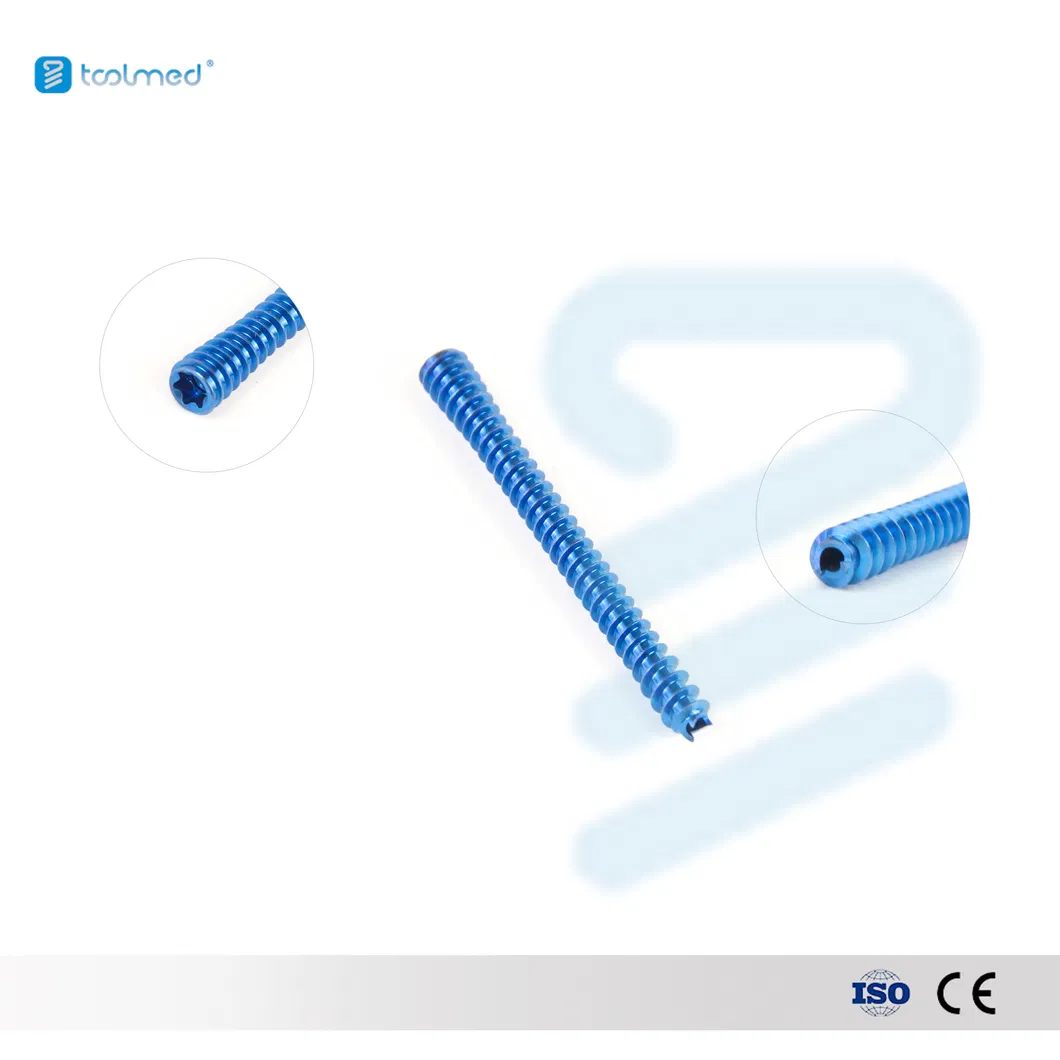
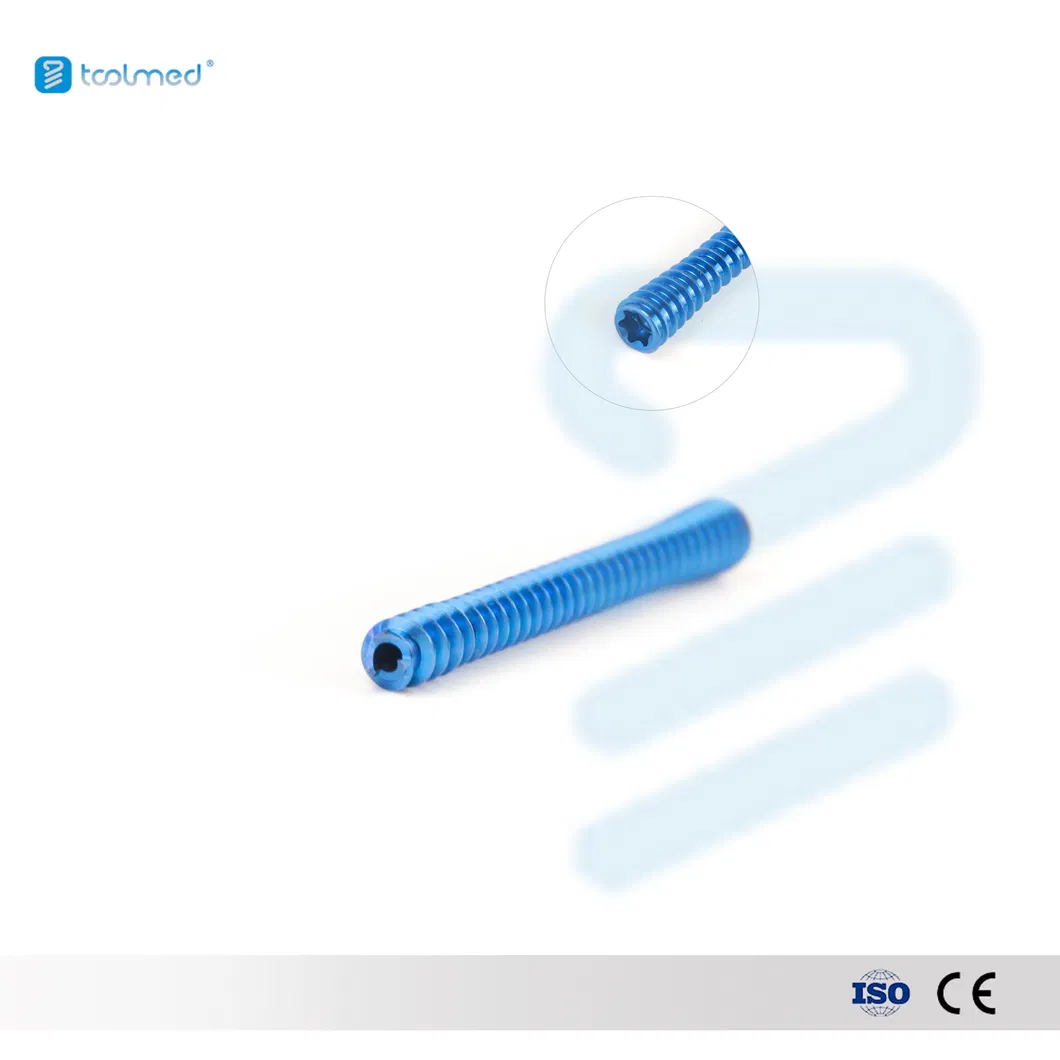
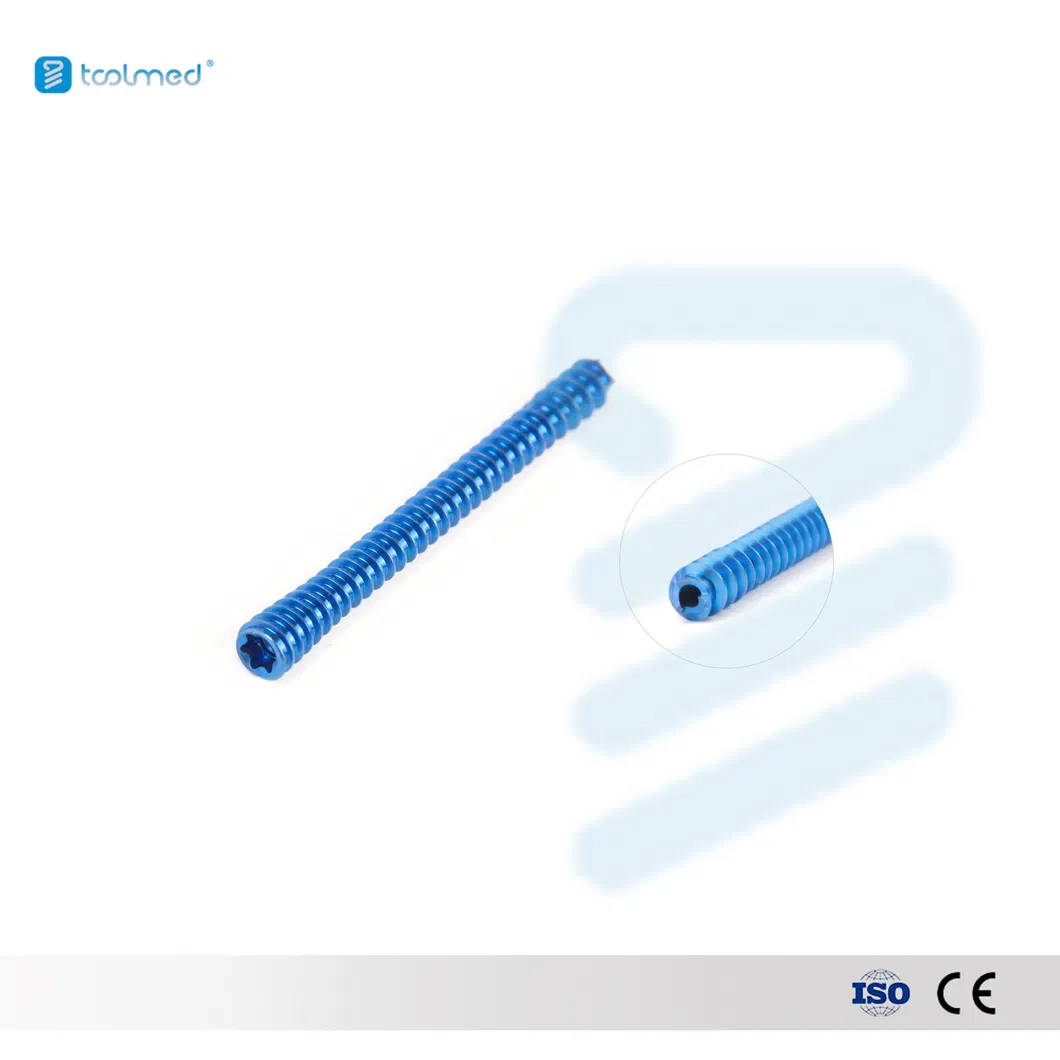
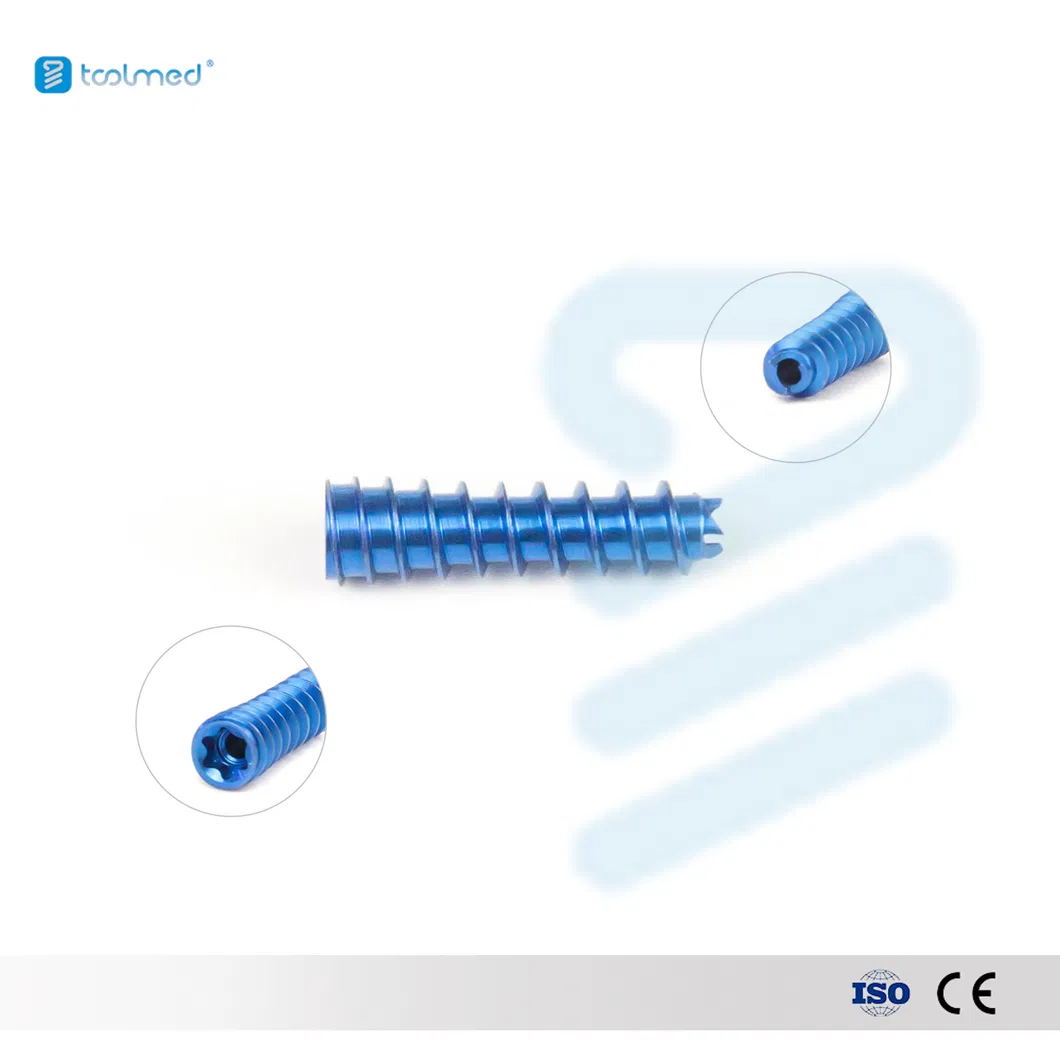
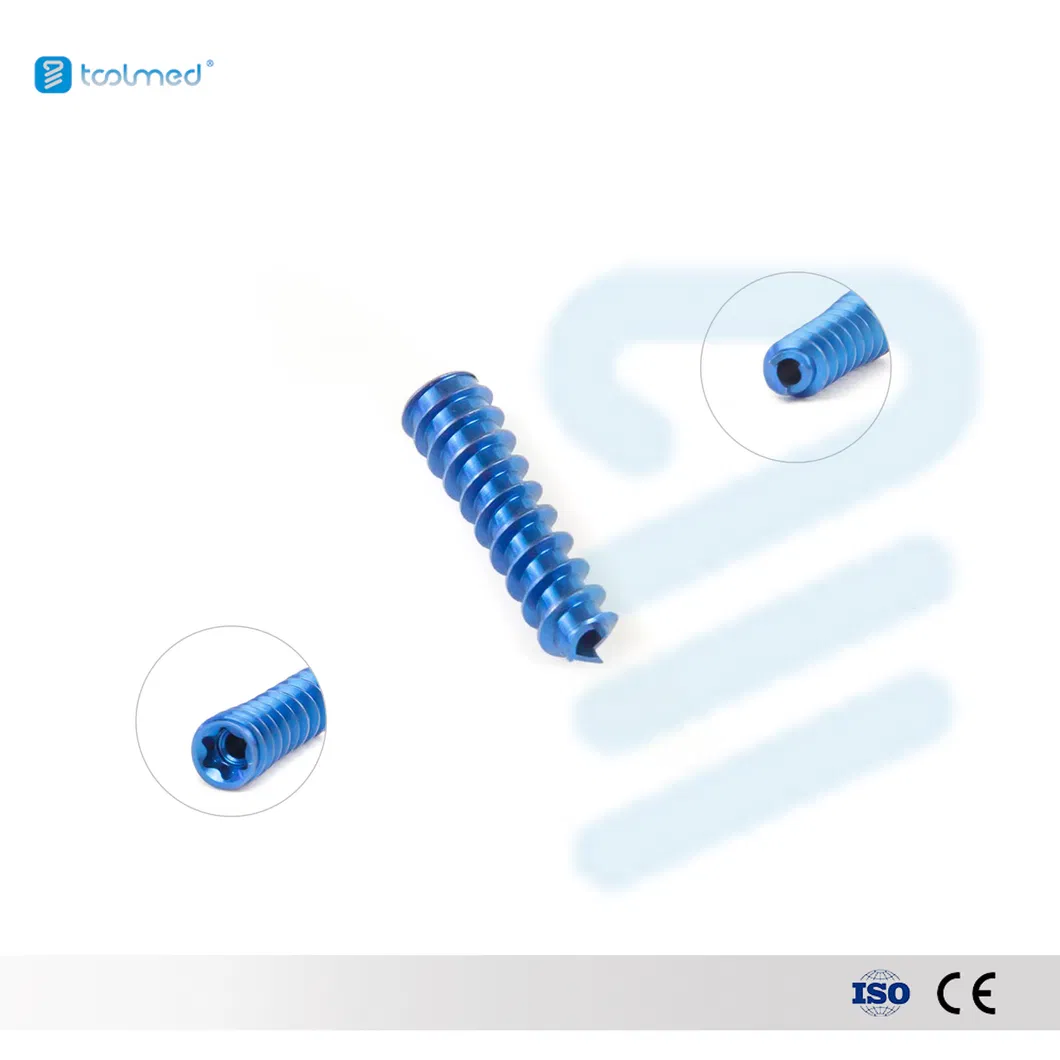
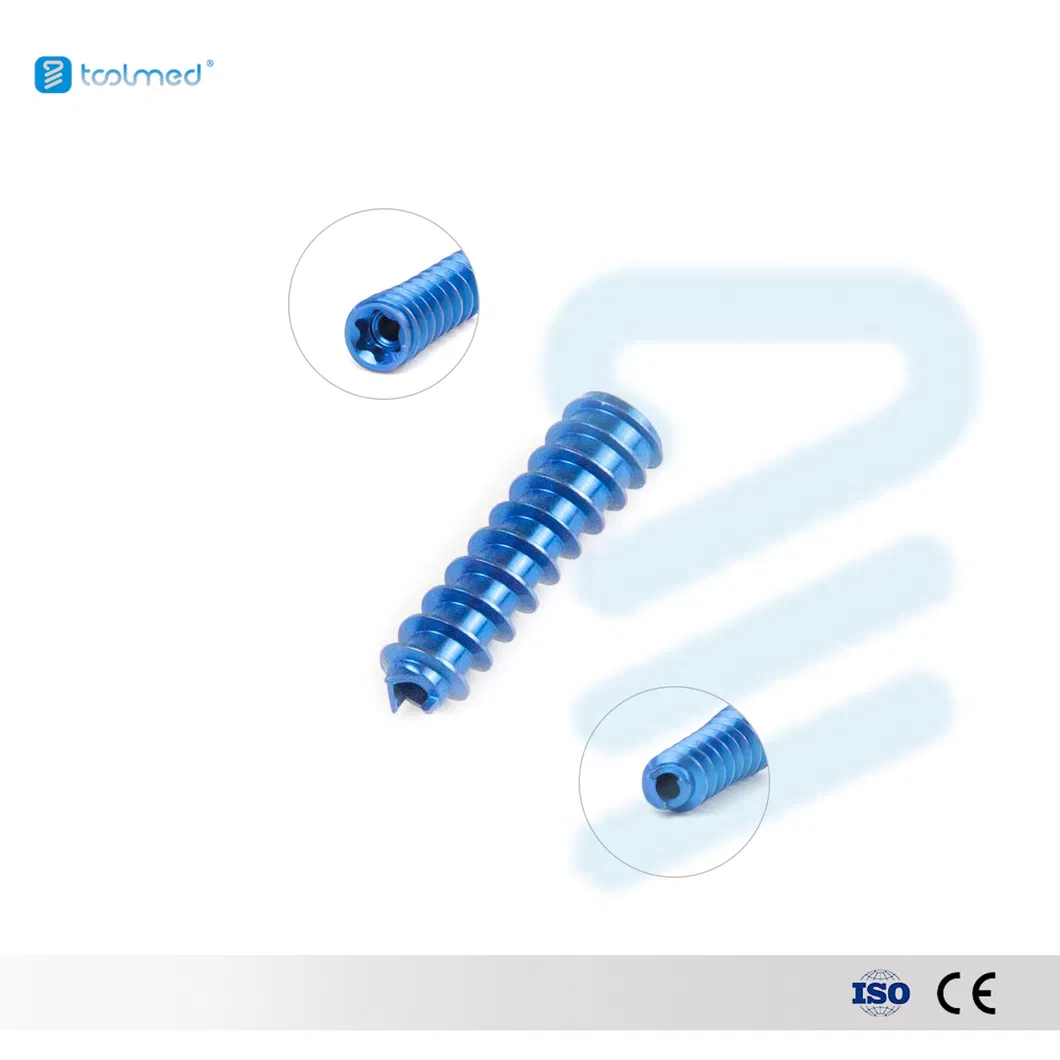
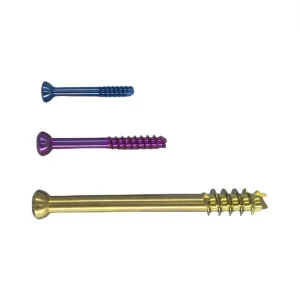
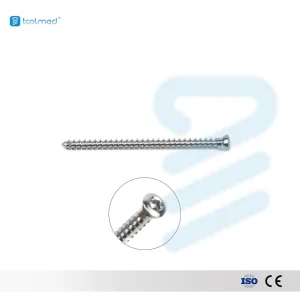
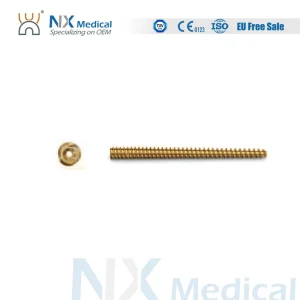
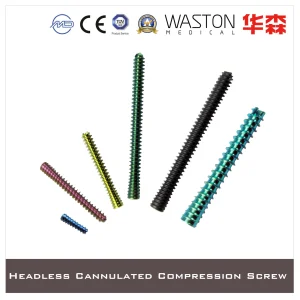
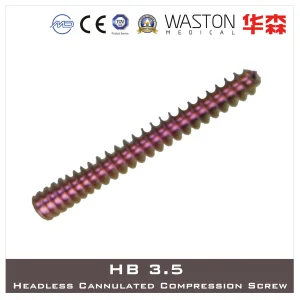
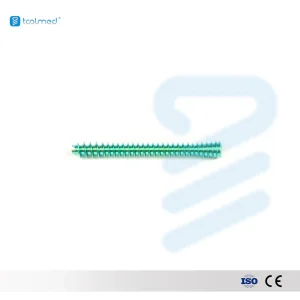
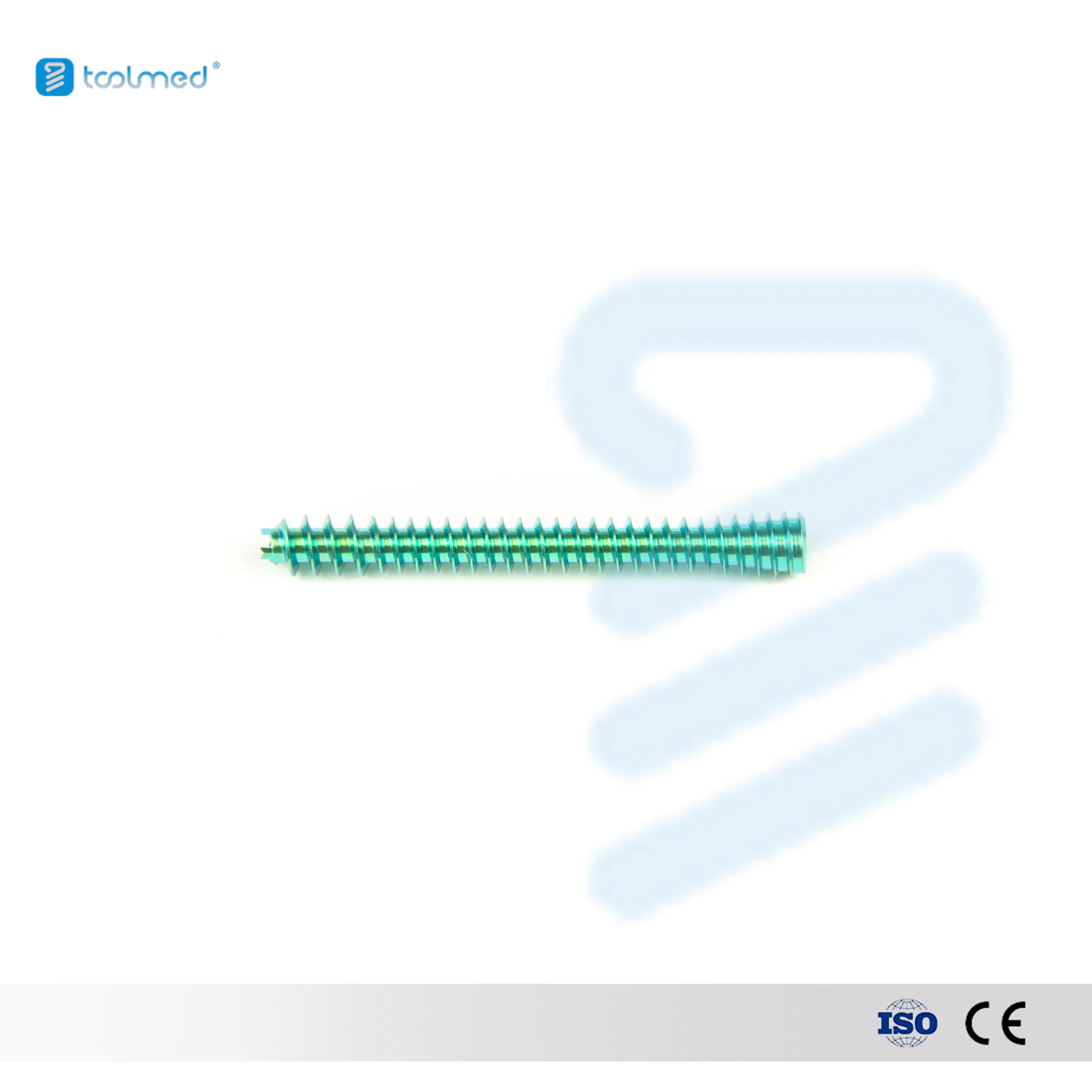
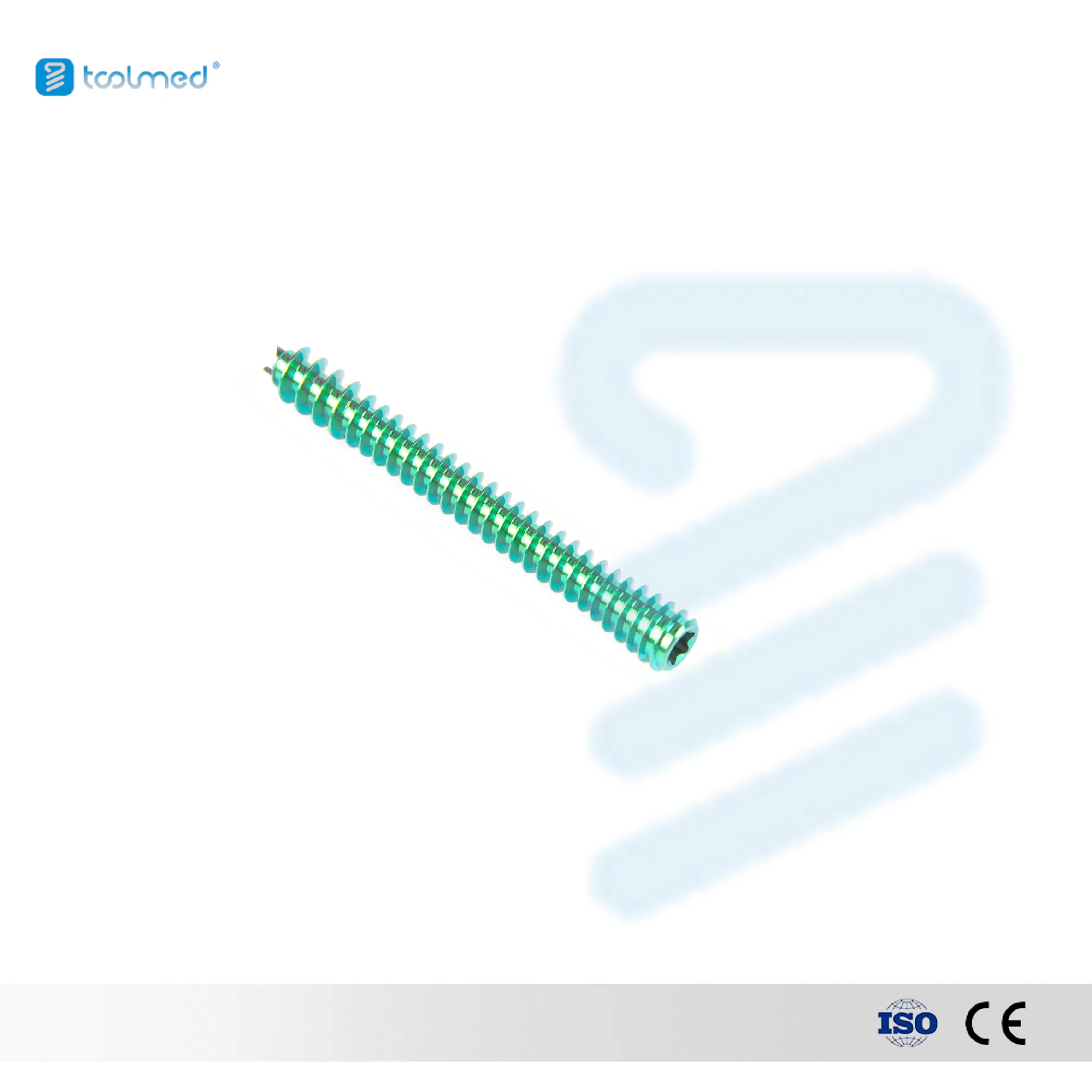
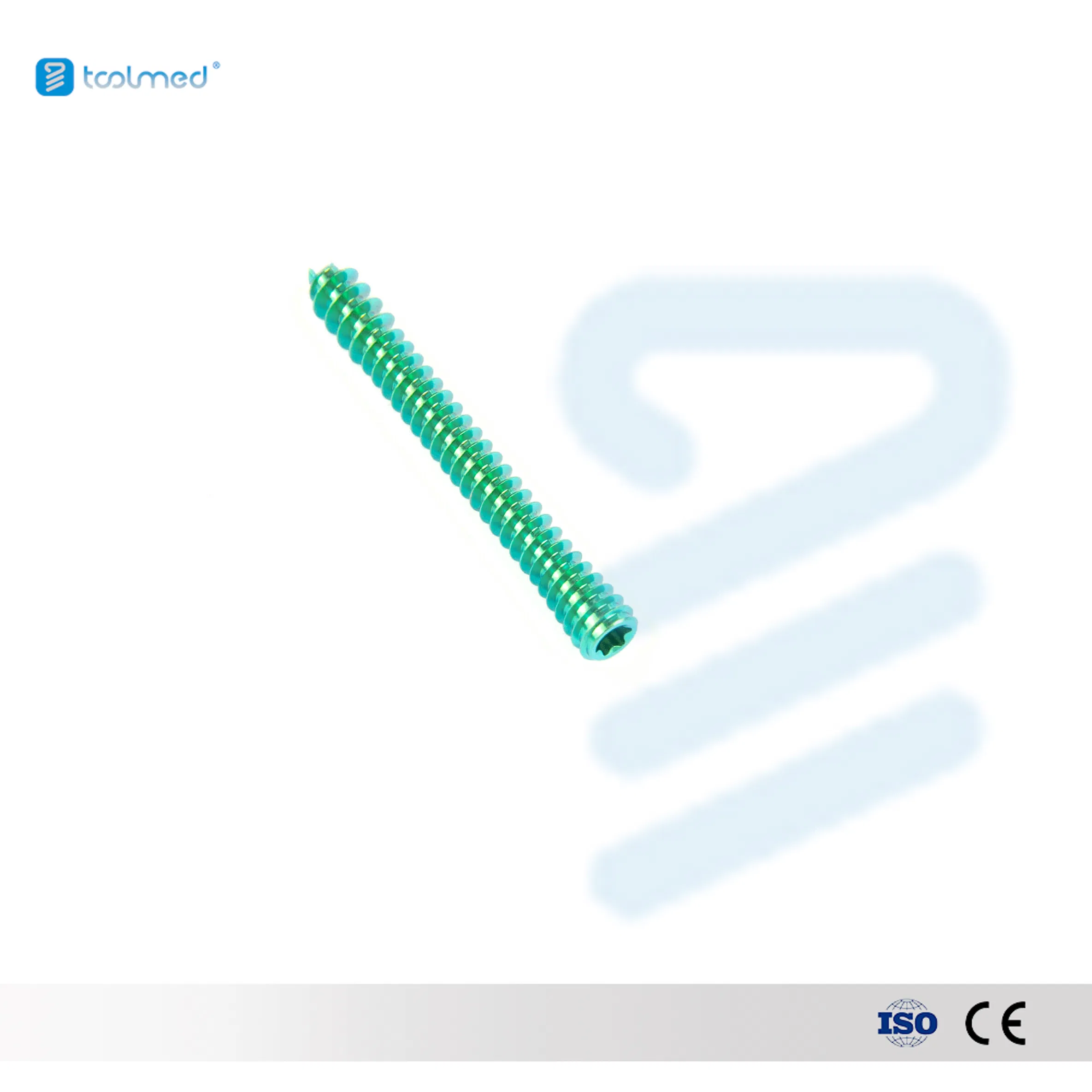
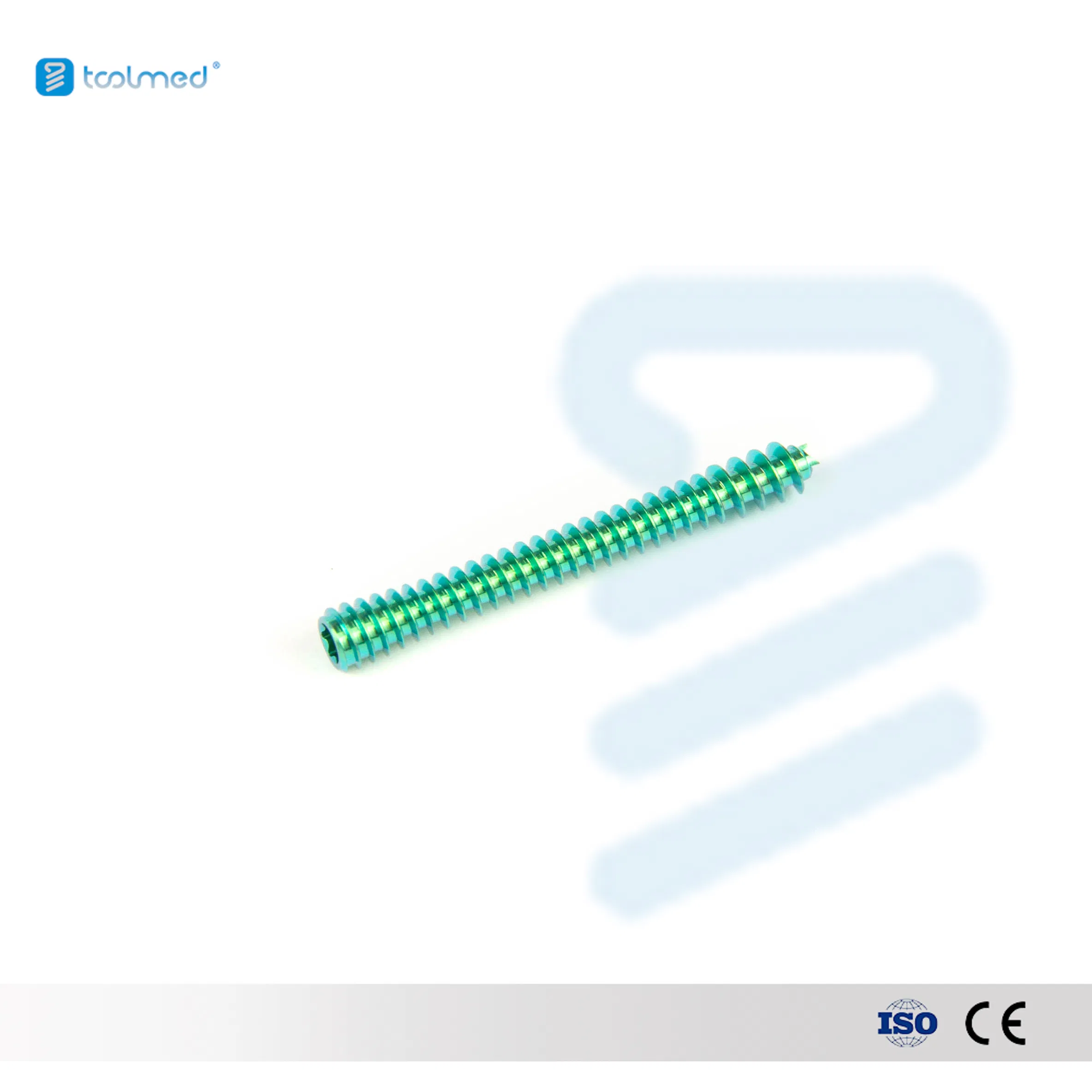
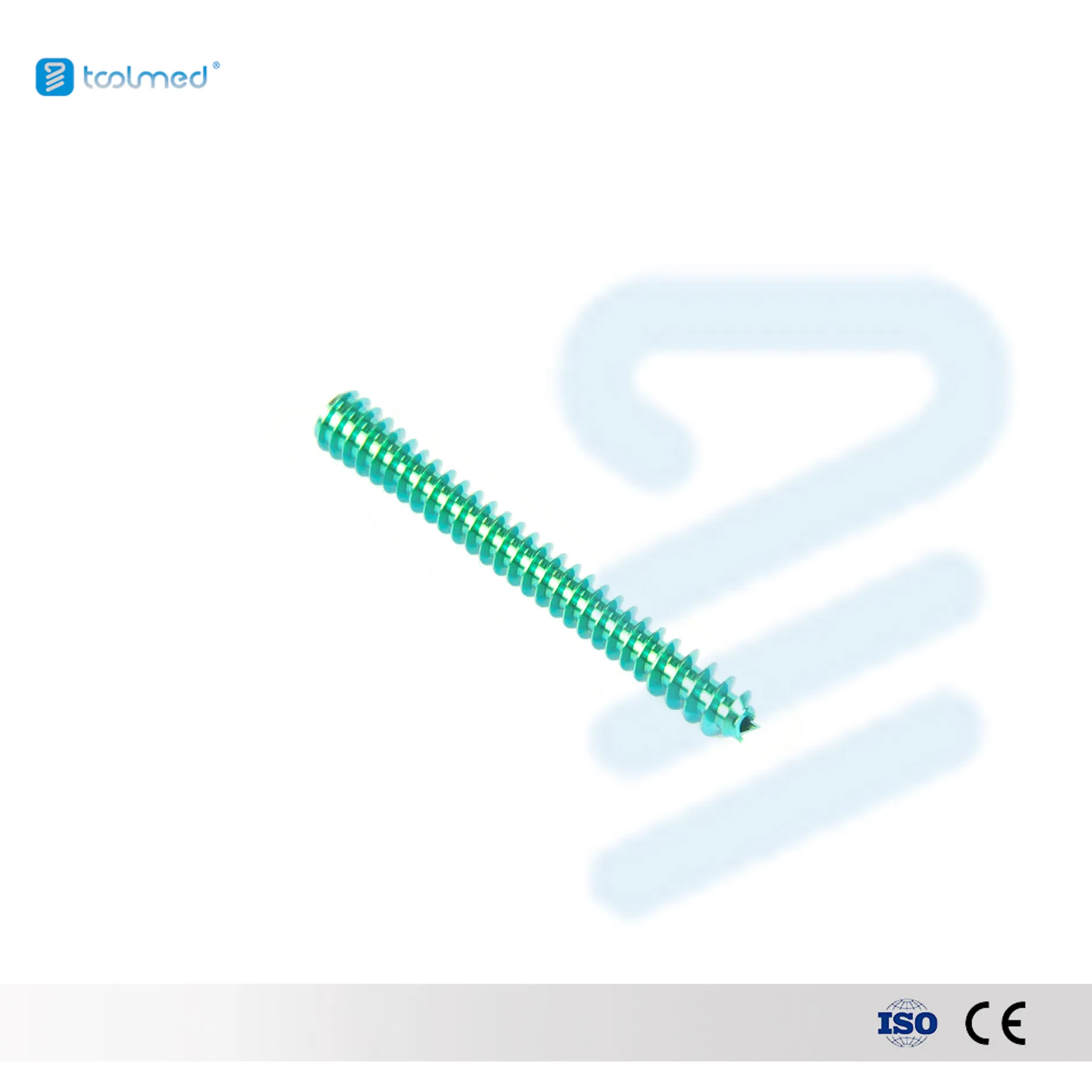
The Cannulated Headless Compression Screw (CHCS) is a specialized orthopedic implant designed for scaphoid fractures and other long bone fixation. Unlike traditional screws, it lacks a protruding head, allowing it to be countersunk below articular surfaces to provide internal compression and promote healing.
• Reduced Soft Tissue Irritation: The headless design minimizes friction with surrounding tendons and ligaments.
• Superior Stability: Provides high compression forces across the fracture site.
• Minimally Invasive: Inserted over a guide wire, requiring smaller surgical openings.
• Precision: The hollow (cannulated) center ensures accurate placement under imaging guidance.