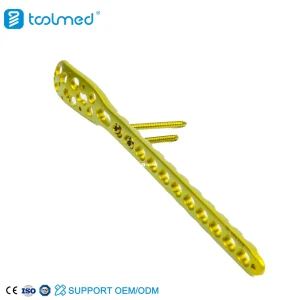
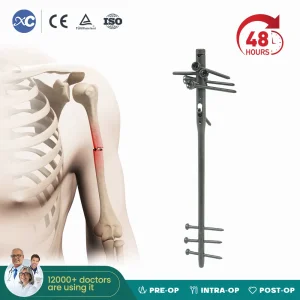
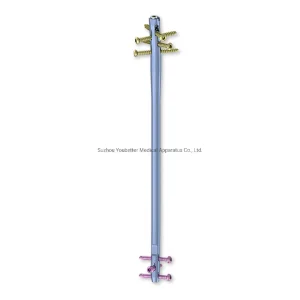
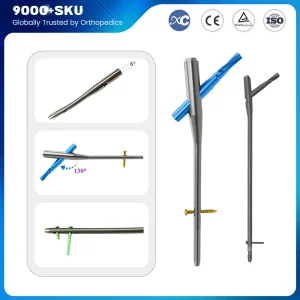
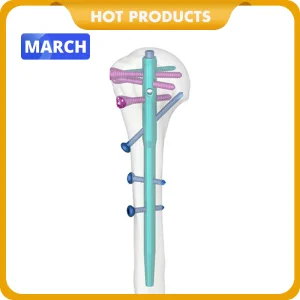
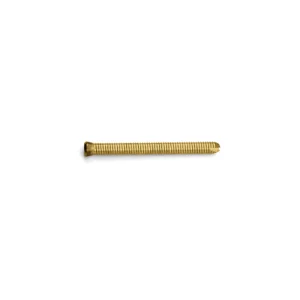
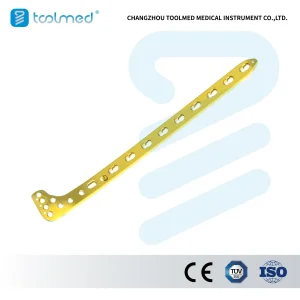
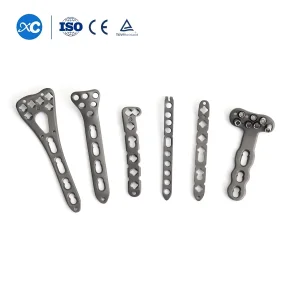
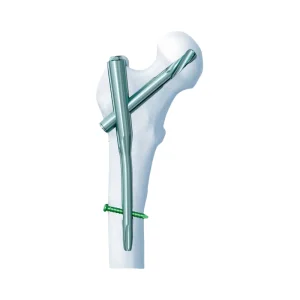
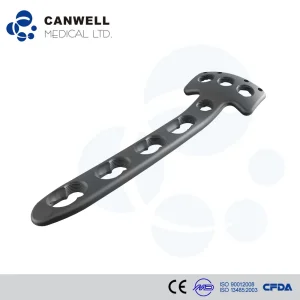
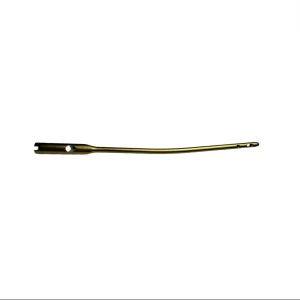
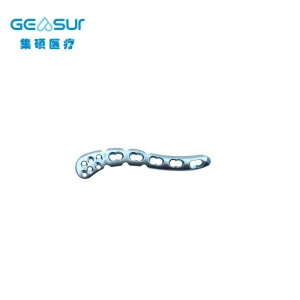
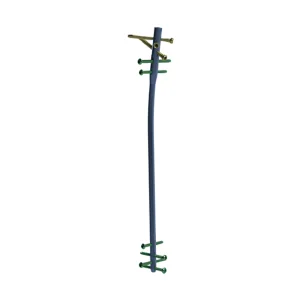
The global orthopedic implant market has witnessed a significant paradigm shift toward anatomical locking systems. As a critical component in treating complex fractures of the proximal humerus, the Proximal Humeral Locking Plate has become the gold standard in trauma centers worldwide. This growth is driven by a rising geriatric population prone to osteoporotic fractures and a concurrent increase in high-energy sports injuries among younger demographics.
Current industrial data indicates that the demand for titanium locking plates is expanding at a CAGR of 6.5%. Manufacturers are now focusing on low-profile designs that minimize soft tissue irritation while providing superior angular stability. As a leading China Wholesale Proximal Humeral Locking Plate Manufacturer, we are at the forefront of this industrial evolution, bridging the gap between high-end surgical requirements and cost-effective manufacturing.
Industry Insight:
The integration of AI-assisted design and finite element analysis (FEA) has revolutionized how proximal humeral plates are contoured, ensuring they match the anatomical diversity of global patient populations from Asia to Europe.
Moving beyond fixed-angle screws, polyaxial locking allows surgeons to direct screws toward specific bone fragments, crucial for comminuted fractures where bone quality is compromised.
Modern plates are engineered using 3D bone morphometric databases, reducing the need for intraoperative bending and shortening surgical time significantly.
Advancements like Type II anodization on titanium surfaces improve fatigue strength and reduce the risk of infection, ensuring long-term implant success.
International medical device distributors and hospital procurement departments look for three core pillars when selecting a supplier: Regulatory Compliance, Supply Chain Stability, and Clinical Versatility.
In regions like Latin America and Southeast Asia, there is a high demand for robust, affordable titanium systems that can handle a high volume of trauma cases. Conversely, in the EU and Middle Eastern markets, the focus is on CE-certified precision and the availability of specialized instrumentation sets. Our factory addresses these localized needs by offering customizable kit configurations and comprehensive technical documentation.
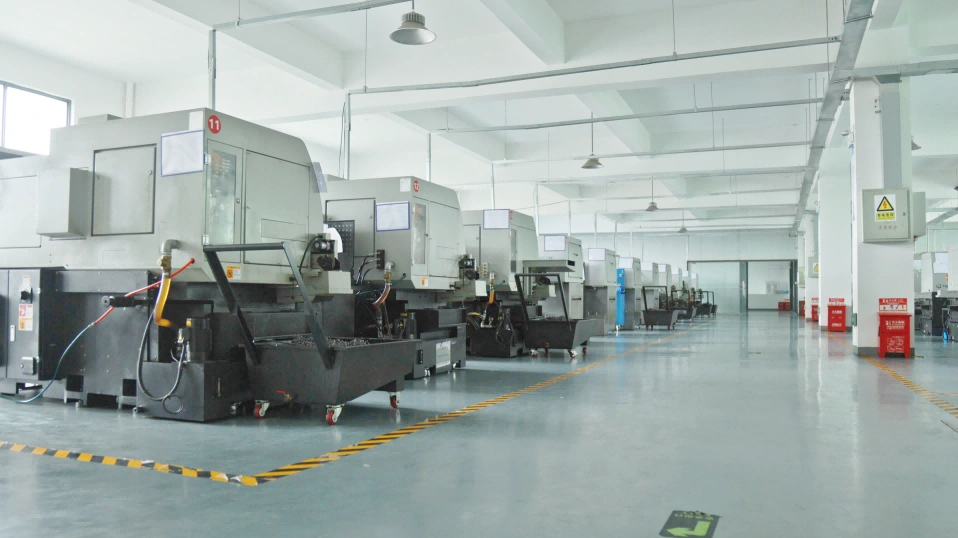
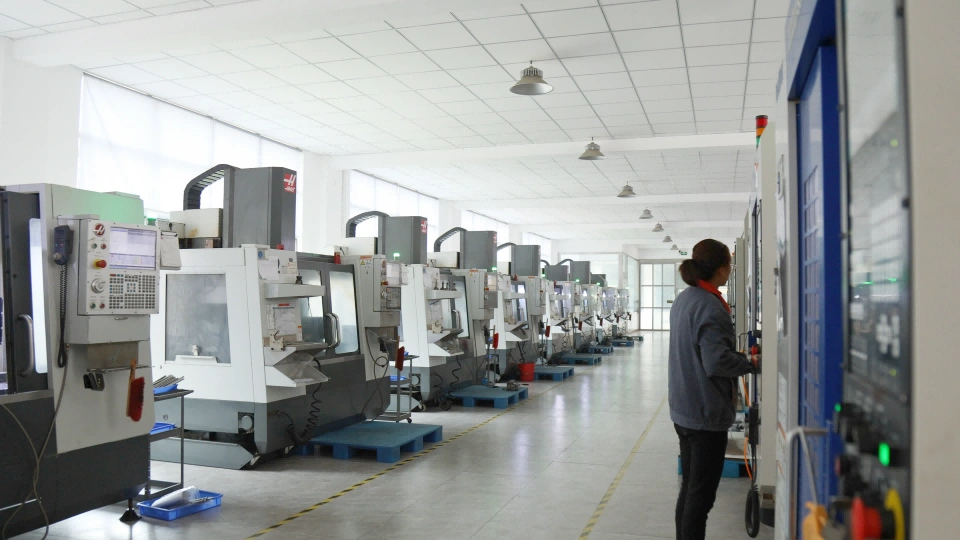
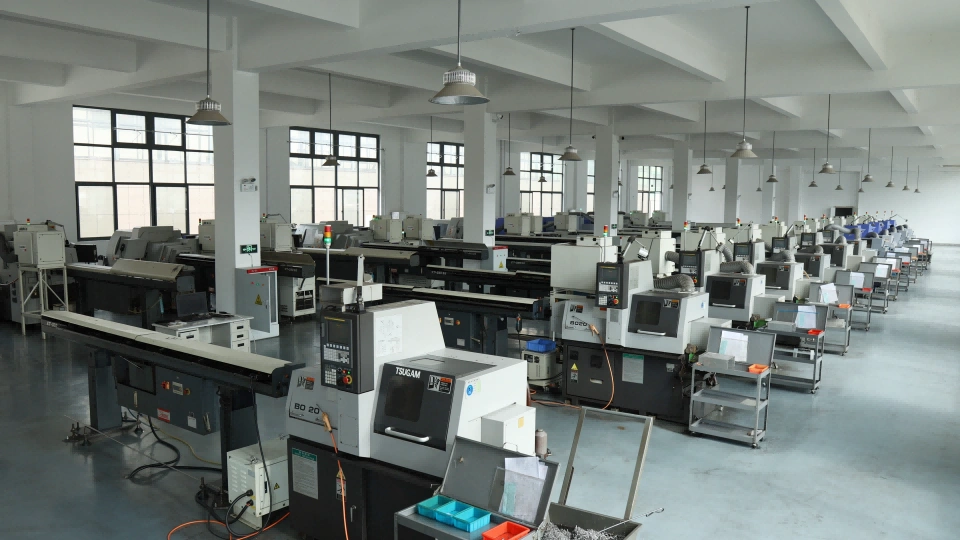
Guangdong Marin-one Medical Devices Co., Ltd. is specialized in manufacturing Orthopedic Implant and instruments, a diversified model of Research and development, production, sales, export. The company has perfect quality management system and advanced production capacity.
After more than 18 years research and development, we have about 11 main product series and they are Spinal system, Intramedullary Nail system, Trauma plate and screw system, Locking Plate and screw system, CMF Maxillofacial system, External Fixation, Joint system, Medical Power Tool system, general surgical instruments system, Sterilization Box & basket, veterinary orthopedic etc.
In the principle of "quality first, service first, R&D first, innovation first", the company wins an excellent reputation both in domestic and abroad. Since the establishment, all employees have consistently adhered to the business philosophy of "sincere service, continuous improvement", focusing on customer-centeredness and attention to details.
Years of R&D Excellence
Core Product Series
Quality Management System
Export Distribution
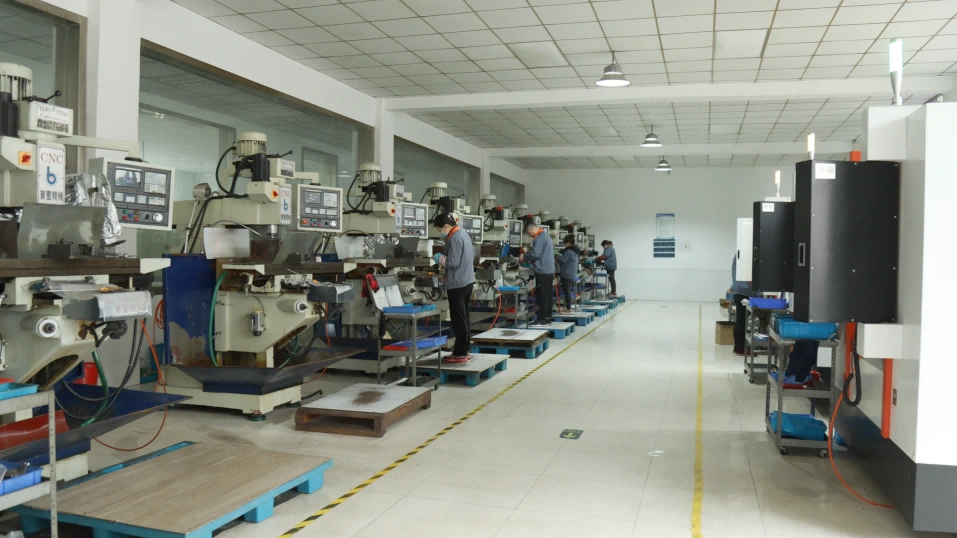
As a China Supplier, we leverage an integrated supply chain that allows for rapid prototyping and mass production without compromising on the high-grade titanium (Gr5) standards required for medical implants. Our proximity to high-tech manufacturing hubs in Guangdong enables us to incorporate the latest CNC precision machining technologies faster than traditional Western counterparts, offering a superior cost-to-performance ratio.
The Proximal Humeral Locking Plate is specifically designed to address the challenges of the "Neer classification" of fractures. In clinical settings, the anatomical contour of our plates allows for the reconstruction of the humeral head with minimal disruption to the rotator cuff. The suture holes integrated into the plate design facilitate the fixation of the tuberosities, which is critical for restoring shoulder function.
Whether it's a 2-part, 3-part, or 4-part fracture, our locking systems provide the necessary stability to allow for "early mobilization"—a key factor in preventing "frozen shoulder" and improving the quality of life for patients. Our instrumentation is designed for both open reduction and minimally invasive plate osteosynthesis (MIPO) techniques, catering to the surgeon's preference and the patient's specific injury profile.
 Marin-one Medical