Precision-engineered solutions designed for orthopaedic reconstructions, spinal systems, and trauma stabilization.
In modern reconstructive orthopedics, particularly during Anterior Cruciate Ligament (ACL) and Posterior Cruciate Ligament (PCL) reconstructions, femoral fixation stands out as a critical success factor. The development of cortical suspensory fixation devices—widely referred to as **Endobuttons** or cortical buttons—has revolutionized sports medicine. What started as simple fixed-loop titanium plates has evolved into highly engineered, adjustable-loop fixation platforms designed to mitigate complications such as the "windshield-wiper" and "bungee-cord" effects inside bone tunnels.
Current clinical research underscores the transition towards biomechanically optimized materials. While **medical-grade titanium alloys** (specifically Ti-6Al-4V ELI) remain the gold standard due to their outstanding biocompatibility and tensile strength, next-generation manufacturers are developing polymeric variations utilizing **PEEK (Polyetheretherketone)** to reduce postoperative MRI artifacts. In terms of mechanical performance, the global orthopedic community is experiencing a massive shift from Fixed-Loop Cortical Buttons to Adjustable-Loop Cortical Fixation Systems. The adjustable loop allows surgeons to maximize graft fill in the femoral tunnel, enhance tension customization, and accommodate variable anatomical structures with a single stock unit—greatly simplifying inventory management for surgical centers.
Adjustable loop designs eliminate the need for measuring precise tunnel lengths pre-operatively, allowing the graft to be pulled fully into the femoral socket for robust osteointegration.
Next-generation PEEK cortical buttons minimize radiographic scattering in post-op diagnostics while maintaining pull-out strength comparable to high-grade titanium alloys.
Integrating medical-grade UHMWPE (Ultra-High-Molecular-Weight Polyethylene) braids ensures high cyclic loading resistance, preventing creep or elongation under stress.
For international medical device distributors, orthopedic implant brands, and hospital group purchasing organizations (GPOs), sourcing Endobuttons from overseas involves a strict multi-layer evaluation. Because these devices are class IIb (EU MDR) or class II (US FDA) medical implants designed for permanent or long-term retention inside the human body, the barriers to supply chain entry are high. B2B procurement professionals must analyze the following structural requirements:
Purchasing departments demand comprehensive material certifications, validating the use of raw titanium conformant to **ASTM F136** standards. Devices must pass standard biocompatibility profiles including cytotoxicity, sensitization, intracutaneous reactivity, acute systemic toxicity, and subchronic toxicity (ISO 10993 series). Any supplier lacking structured testing records is instantly disqualified from municipal tenders and private hospital networks.
In the current regulatory landscape, having an **ISO 13485** certified Quality Management System (QMS) is merely the baseline. Enterprise buyers looking to import into the European Union require CE certificates compliant with the new **Medical Device Regulation (MDR 2017/745)**, which requires extensive clinical evaluation reports (CER) and active post-market surveillance. For the US market, 510(k) clearance is critical, verifying substantial equivalence to predicate suspensory fixation devices.
Suspensory buttons are typically supplied either sterile (EO - Ethylene Oxide or Gamma irradiation) or non-sterile (requiring steam autoclaving at the clinical site). For sterile-packaged products, suppliers must present validated sterile barrier integrity tests, shelf-life verification studies, and package challenges following **ISO 11607** parameters.
Years of Medical R&D Experience
Core Product Series
ISO 13485 & CE Compliant
Global Exporting Regions
China's orthopedic manufacturing sector has transitioned from manual mechanical operations to high-precision, automated **Factory 4.0 smart systems**. This technological shift provides overseas buyers with a powerful combination of cost efficiency, quality consistency, and rapid production scaling. The core of this manufacturing efficiency is driven by three main pillars:
Suspensory buttons demand highly complex geometry featuring smooth, burr-free chamfers. Sharp edges on a button's suture eyelets can lead to catastrophic intraoperative or postoperative thread shear. Top Chinese manufacturers employ high-speed Swiss-type CNC automatic lathes. This enables single-setup machining of the titanium button, keeping dimensional tolerances within micrometer limits and ensuring absolute symmetry.
Unlike regional production hubs that outsource secondary operations, major manufacturing zones in Guangdong provide a fully integrated vertical pipeline. Raw titanium sourcing, high-precision machining, chemical surface anodization, cleaning, class 10,000 cleanroom packaging, and sterilization sterilization validation are executed within a tight geographical radius. This integrated structure dramatically shortens turnaround cycles and insulates global procurement networks from supply chain shocks.
Modern production facilities utilize high-resolution optical sorting machines and coordinate measuring machines (CMM) to inspect every single produced batch. Microscopic camera inspection systems analyze the internal diameter and chamfer curvature of the thread pathways, programmatically rejecting any button exhibiting microscopic tool marks or micro-burrs.
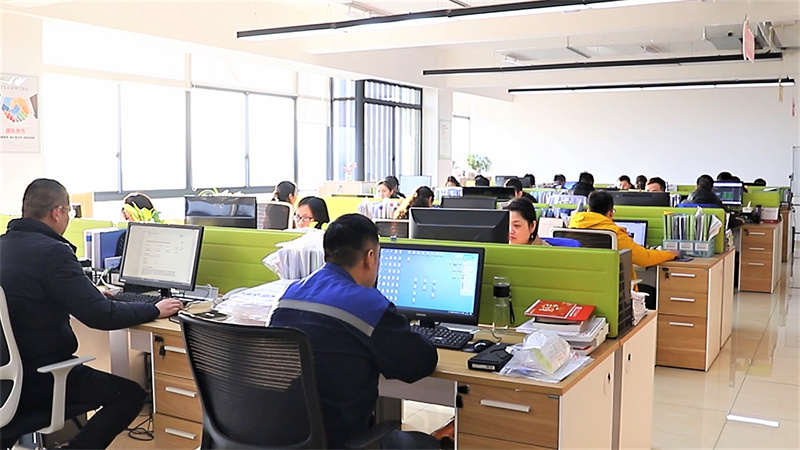
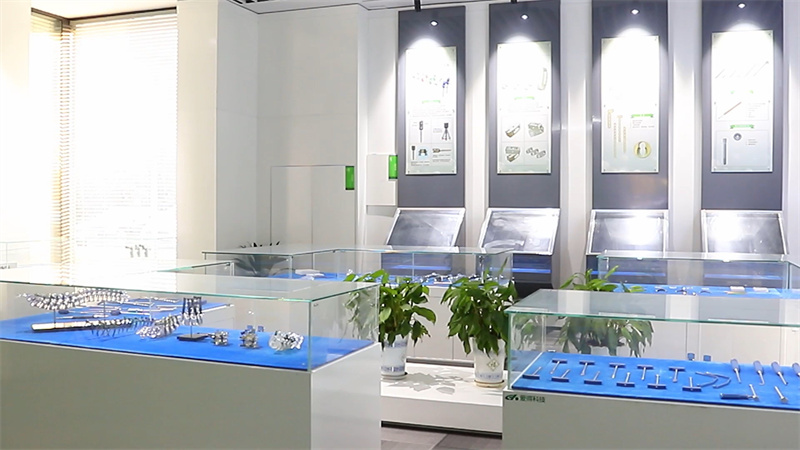
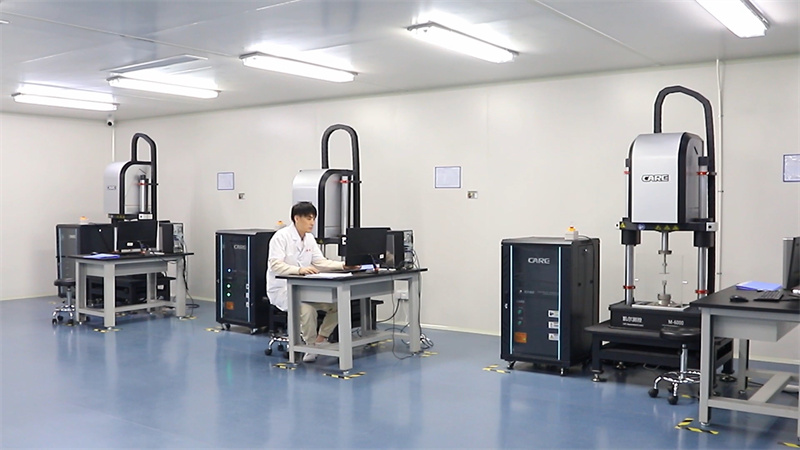
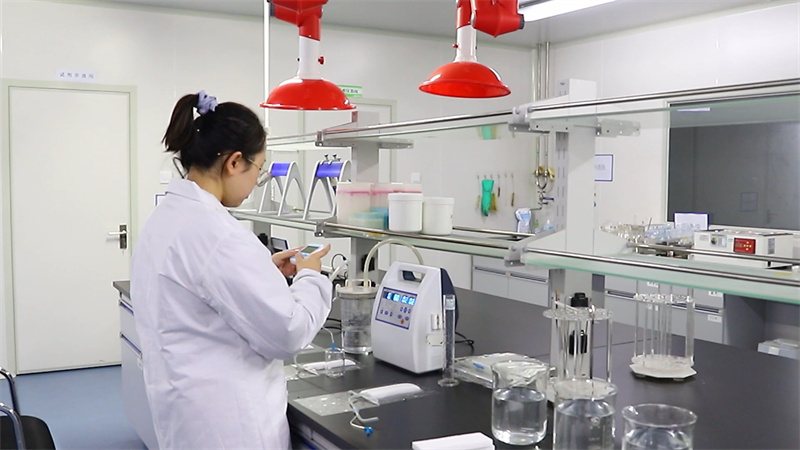
Specializing in the manufacturing, R&D, sales, and export of high-grade orthopedic implants and precision surgical instruments. Over 18 years of continuous research and manufacturing refinement has positioned the company as an industry-leading partner for global medical brands.
Guangdong Marin-one Medical Devices Co., Ltd. operates a comprehensive quality management system designed around strict clinical guidelines. Their vast medical device portfolio encompasses 11 main product series:
Adhering to the principle of "quality first, service first, R&D first, innovation first," Marin-one provides customized OEM/ODM services to meet strict international medical standards.
The clinical demands placed on suspensory fixation implants vary across global geographic corridors, influenced by local reimbursement models, regulatory approvals, and surgeon preferences.
In the United States and Canada, ACL and ligament reconstructions are increasingly performed in Ambulatory Surgery Centers (ASCs). These facilities prioritize cost-per-procedure efficiency alongside exceptional clinical outcomes. Buyers in this market focus on sterile-packed, single-use procedure kits. These kits bundle the cortical button, the drawing sutures, and the custom drills/pins needed for tunnel preparation. Minimizing sterilization processing costs and maximizing turnover speed are key goals.
The European landscape is marked by rigid compliance pathways under the EU MDR. Procurement departments in public hospital tenders place a strong emphasis on clinical evidence and trace documentation. Manufacturers who can supply detailed post-market clinical follow-up data (PMCF) and transparent raw material tracing (verifying source purity for Grade 5 / Grade 23 Titanium) hold a major competitive advantage in securing long-term supply agreements.
In areas across Latin America, Southeast Asia, and Eastern Europe, the clinical focus is on versatility and durable mechanical performance at a sustainable price point. In these regions, a single adjustable-loop button configuration is highly valued, as it can adapt to femoral tunnels from 15mm up to 60mm. This versatility eliminates the need for hospitals to store extensive stocks of varying fixed-loop lengths, optimizing resource allocation.
Explore our targeted product range designed for arthroscopic reconstructions, bone stabilization, and comprehensive orthopaedic care.
 Marin-one Medical