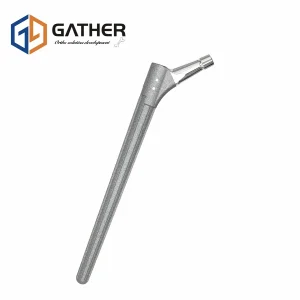
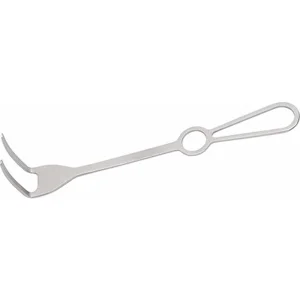
Explore our top-tier catalog of precision-engineered surgical hardware, custom implants, and specialty micro-instruments designed for optimal clinical outcomes.
The global microsurgery devices market is experiencing an unprecedented technological paradigm shift. Driven by advances in minimally invasive surgery (MIS), reconstructive micro-vascular operations, neurosurgical interventions, and complex orthopedic trauma reconstructions, modern surgical teams require tools manufactured with atomic-level precision. In 2025, the evaluation of surgical instrument manufacturers has expanded beyond basic mechanical functionality to include material biocompatibility, fatigue resistance, ergonomic anti-glare finishing, and seamless integration with robotic surgery platforms.
This industry report examines the benchmark parameters that define world-class surgical tool fabrication, highlighting how specialized hubs in China—specifically state-of-the-art facilities like Guangdong Marin-one Medical Devices Co., Ltd.—are reshaping global supply chain resilience through Industry 4.0 automation, superior metallurgy, and rigorous quality assurance ecosystems.
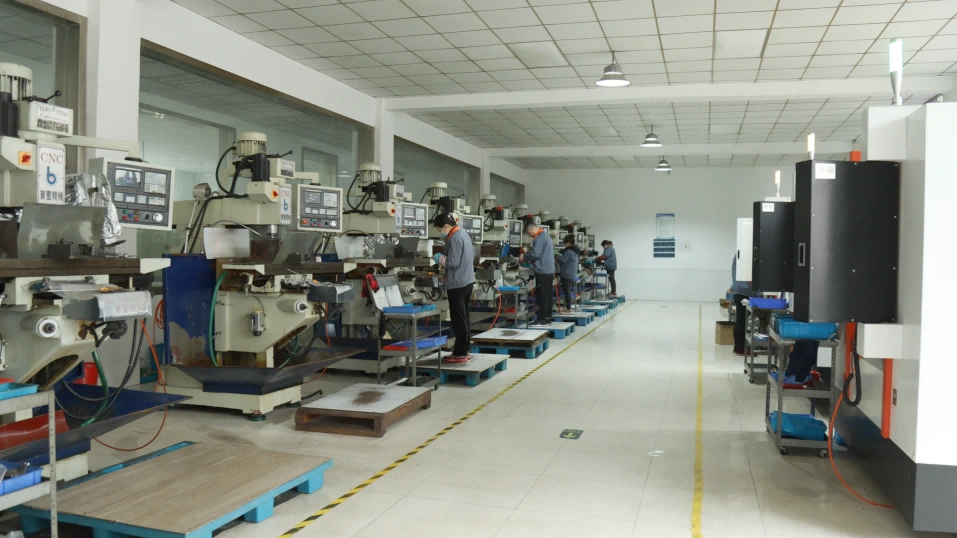
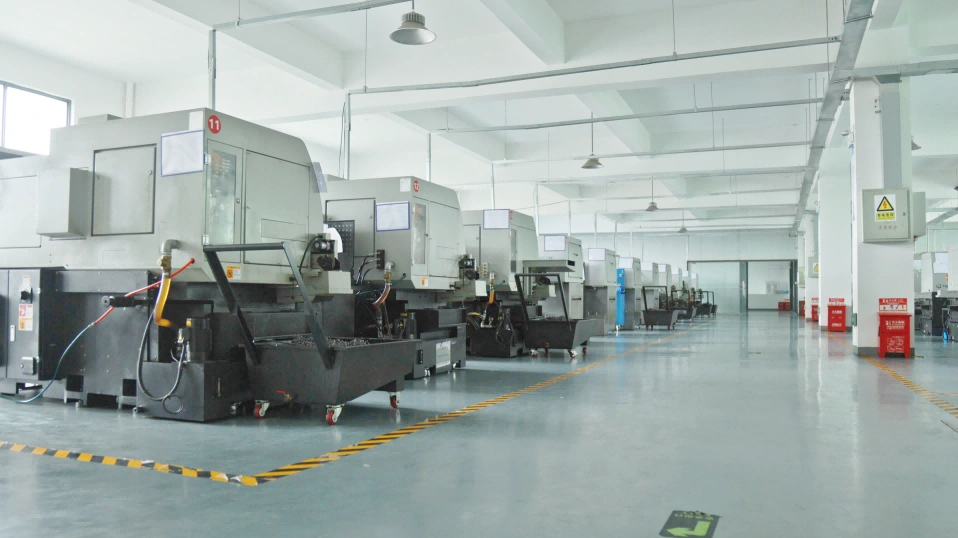
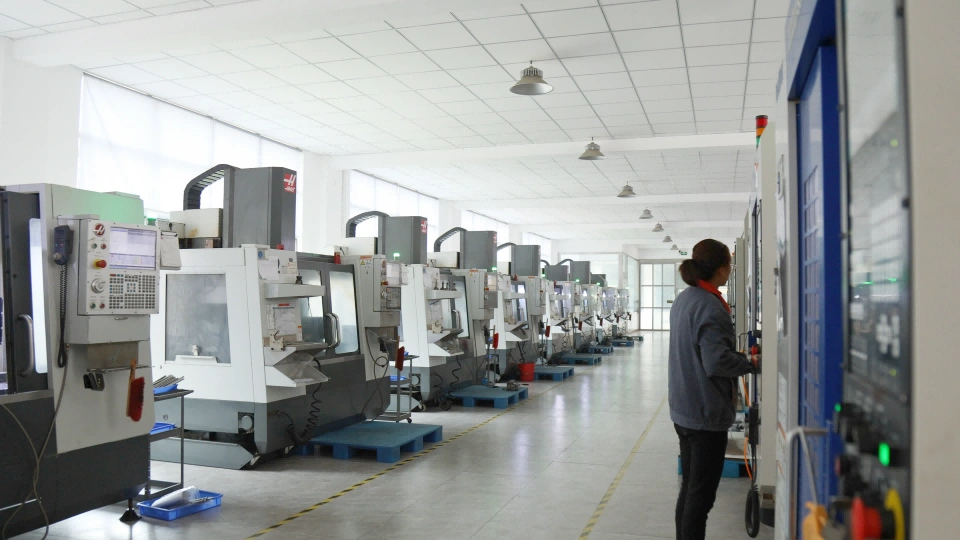
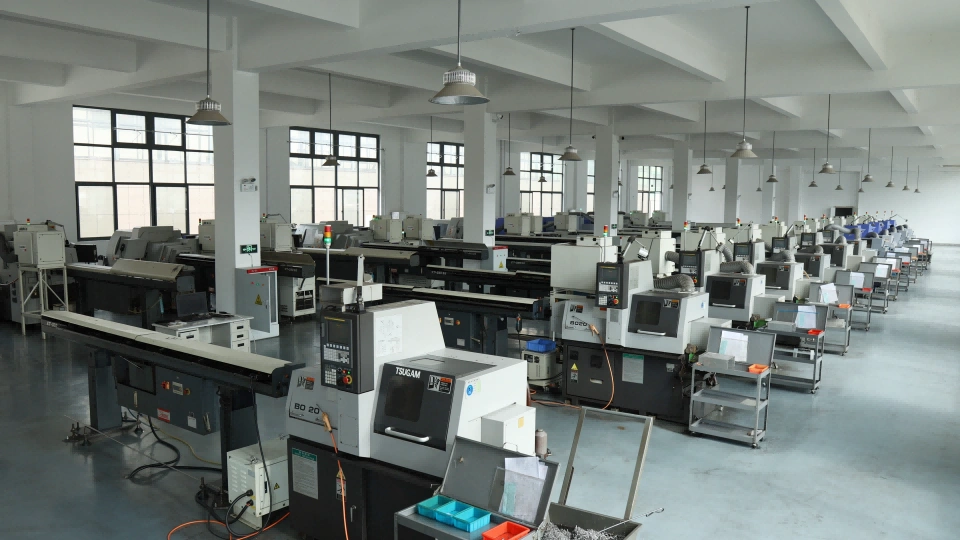
Traditional manual forging has yielded to high-speed 5-axis Swiss CNC lathes and wire-EDM (Electrical Discharge Machining). This enables micro-forceps, titanium micro-needle holders, and spring scissors to maintain micro-tip alignments under 10 microns, eliminating jaw scissoring and tip slippage during delicate anastomoses.
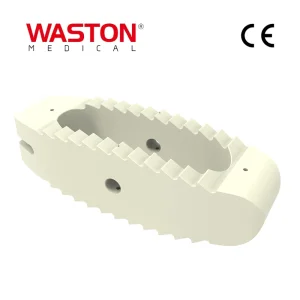
The integration of PEEK (Polyether ether ketone) and ultra-high-molecular-weight polyethylene (UHMWPE) into spinal cages, interference screws, and joint anchors provides radio-translucency and elastic moduli matching human cortical bone, reducing stress shielding and improving post-operative radiological imaging clarity.
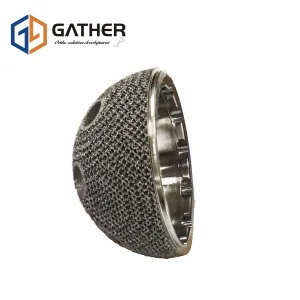
Direct Metal Laser Sintering (DMLS) allows the creation of trabecular titanium prostheses featuring interconnected porous structures. These biomimetic geometries encourage rapid osseointegration for total knee replacements and customized CMF (Cranio-Maxillofacial) reconstruction plates.
When global procurement directors evaluate OEM/ODM partners for medical-grade surgical instruments and orthopedic implants, candidates are audited against four key operational metrics:
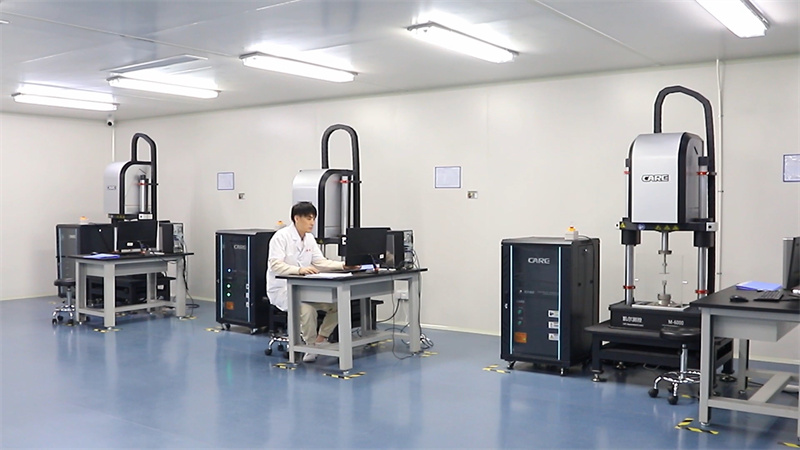
Mandatory adherence to ISO 13485:2016 quality management frameworks, CE Class III device approvals, and FDA 510(k) clearances. Strict bio-burden testing and cleanroom environment classifications (ISO Class 7/8) are essential.
Use of premium-grade alloys such as German X20Cr13 stainless steel, Titanium Grade 5 (Ti-6Al-4V), and non-magnetic Cobalt-Chromium alloys that exhibit extreme tensile strength and superior corrosion resistance under repeated autoclave cycles.
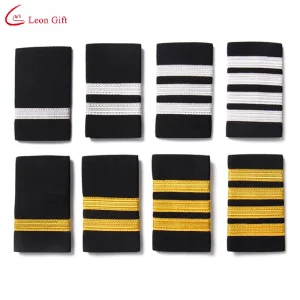
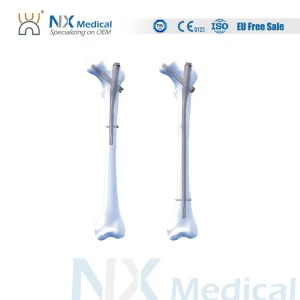
Ability to rapidly prototype proprietary surgical trays, custom embroidered uniform insignia, specialized drill bits, and specialized intramedullary nail systems based on custom surgeon requests.
China's medical device manufacturing sector has evolved from low-cost assembly to high-precision engineering ecosystems. Driven by state-backed Industry 4.0 initiatives, medical device clusters in Guangdong provide complete vertical integration—from raw titanium ingot processing to automated surface anodization, laser marking, cleanroom packaging, and international logistics.
Advanced CAD/CAM modeling enables design-to-sample turnaround times in as few as 7 days, allowing medical device brand owners to accelerate clinical trials and market entry.
Dense industrial clustering significantly lowers component sourcing overhead, yielding a 30% to 50% cost advantage over Western suppliers while maintaining strict compliance with international medical standards.
Full-scope manufacturing solutions ranging from specialized titanium locking plates to custom sterilization boxes and sterile packaging systems ready for immediate hospital delivery.
A Leader in Orthopedic Implants, Micro-Instruments, and Integrated Surgical Systems
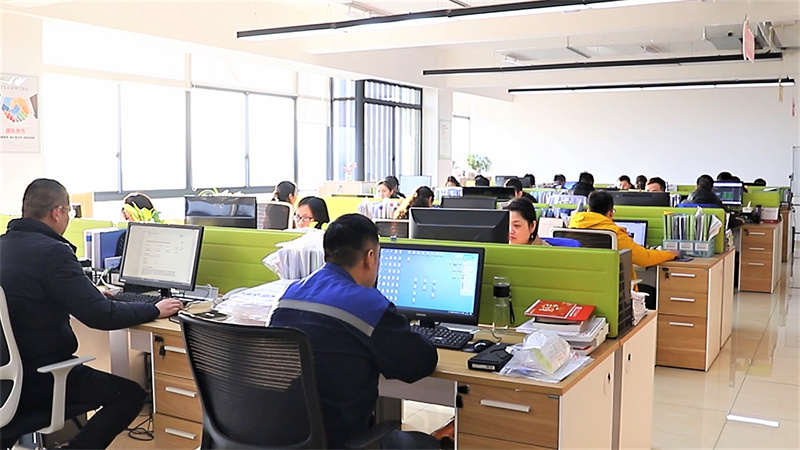
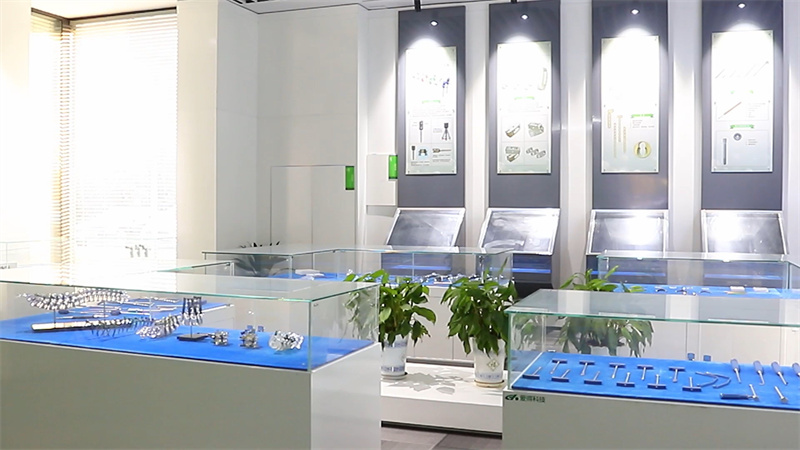
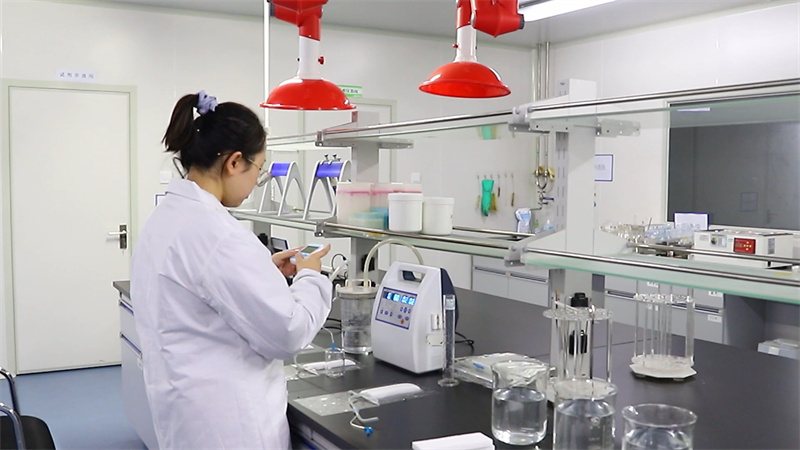
Guangdong Marin-one Medical Devices Co., Ltd. is specialized in manufacturing Orthopedic Implant & instruments, leveraging a diversified operational model combining Research and Development, precision production, global sales, and direct export services. The company operates under a rigorous quality management system with advanced production capacity. After more than 18 years of continuous research and development, Marin-one maintains 11 main product series covering:
In accordance with our core principle of "Quality First, Service First, R&D First, Innovation First", the company has built an outstanding reputation both domestically and internationally. Customer satisfaction remains the primary purpose of our service. Since our establishment, our team consistently adheres to the business philosophy of "Sincere Service, Continuous Improvement," maintaining a customer-centered focus, dedication to detail, and a commitment to quality leadership.

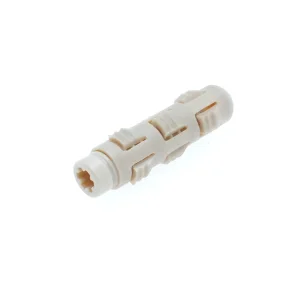
Advanced TLIF Cages (PEEK/Titanium) and laminoplasty pedicle screw systems offer immediate structural stability during interbody spinal fusion. Ultra-thin instruments allow safe navigation around sensitive neural structures.
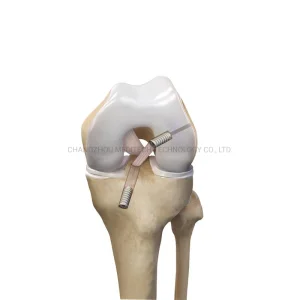
High-tensile PEEK interference screws and knot-free anchor suture systems facilitate fast soft-tissue reattachment for ACL/PCL joint repairs, rotator cuff tears, and ankle instability management.
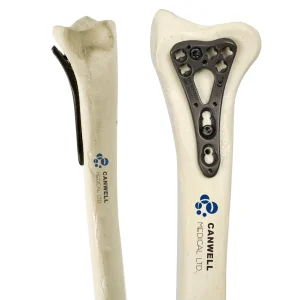
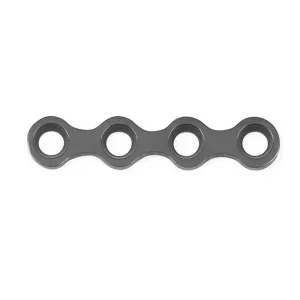
Miniature titanium bone locking plates and straight reconstruction systems stabilize complex skull fractures, jaw alignments, and small bone traumatic disruptions with low-profile aesthetic results.
Expert technical answers to common queries regarding surgical tool procurement, material selection, and regulatory compliance.
Browse our complete extended collection of internal fixation systems, spinal cages, and surgical accessories.
 Marin-one Medical