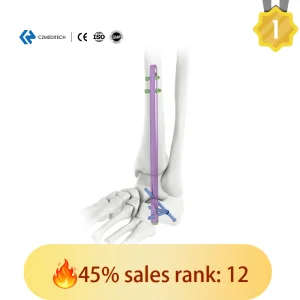
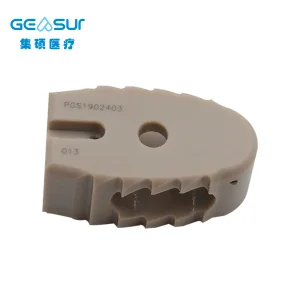
Explore our top-tier precision-machined orthopedic screws, plates, and external fixators, engineered under rigorous QA standards.
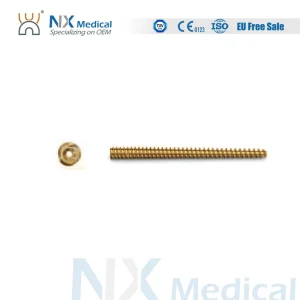
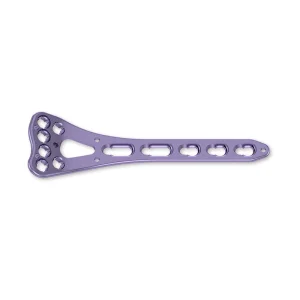
How clinical shifts and engineering breakthroughs shape next-generation osseous surgical interventions.
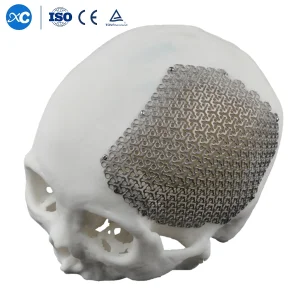
The adoption of 3D-printed titanium implants with porous structures mimics trabecular bone topography. This increases osteointegration rates significantly and minimizes the risk of implant displacement, particularly in maxillofacial and spinal applications.
Surgeons increasingly demand patient-specific cutting guides. Pre-operative CT/MRI planning combined with high-precision manufacturing reduces operating times, minimizes blood loss, and aligns mechanical axes with millimeter accuracy.
Advanced titanium anodization and diamond-like carbon (DLC) coatings protect surgical tools and instrumentation sets. These prevent wear particles, reduce tissue friction, and dramatically extend the lifespan of reusable instruments.
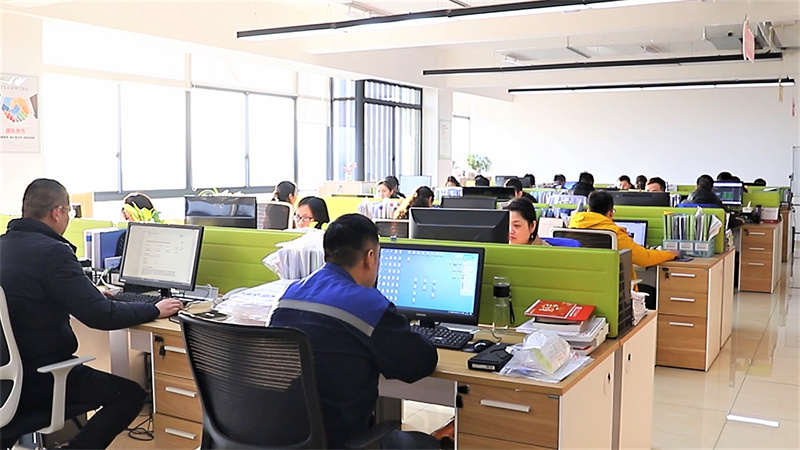
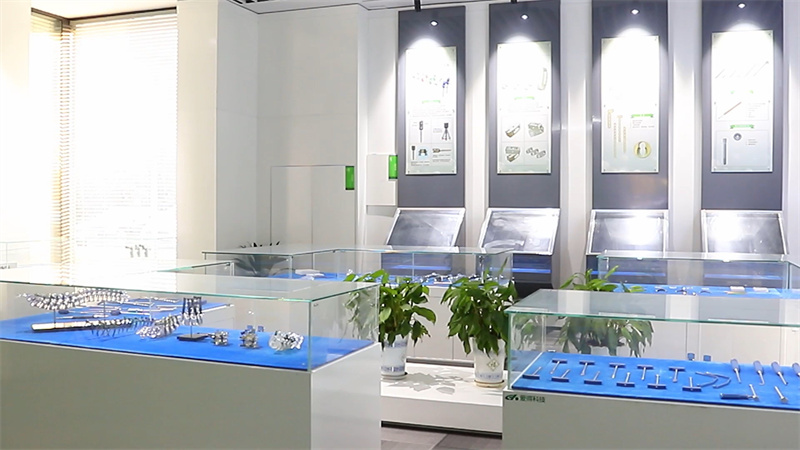
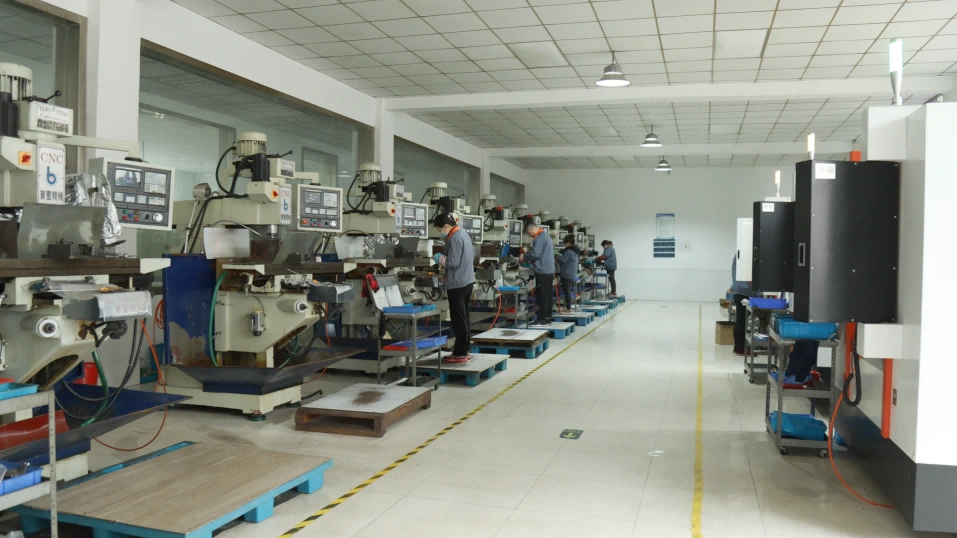
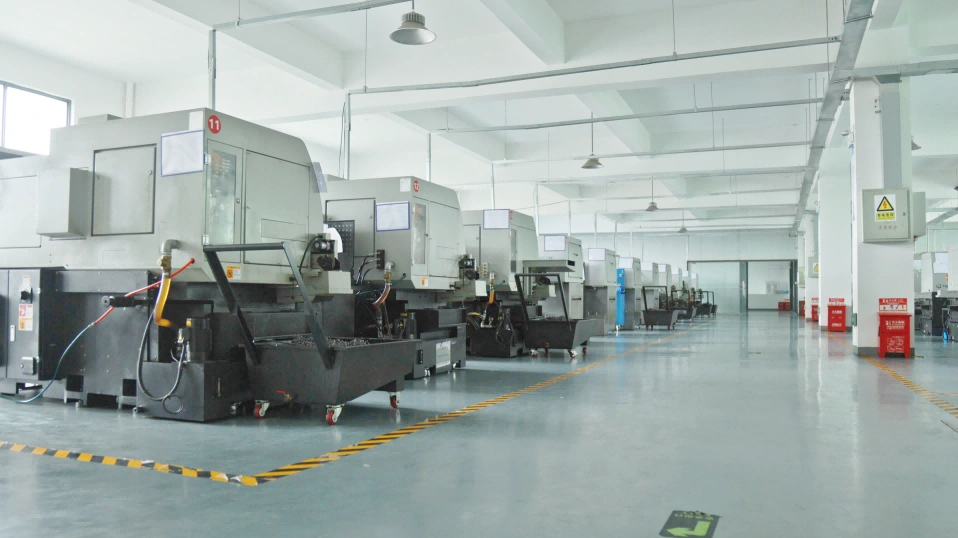
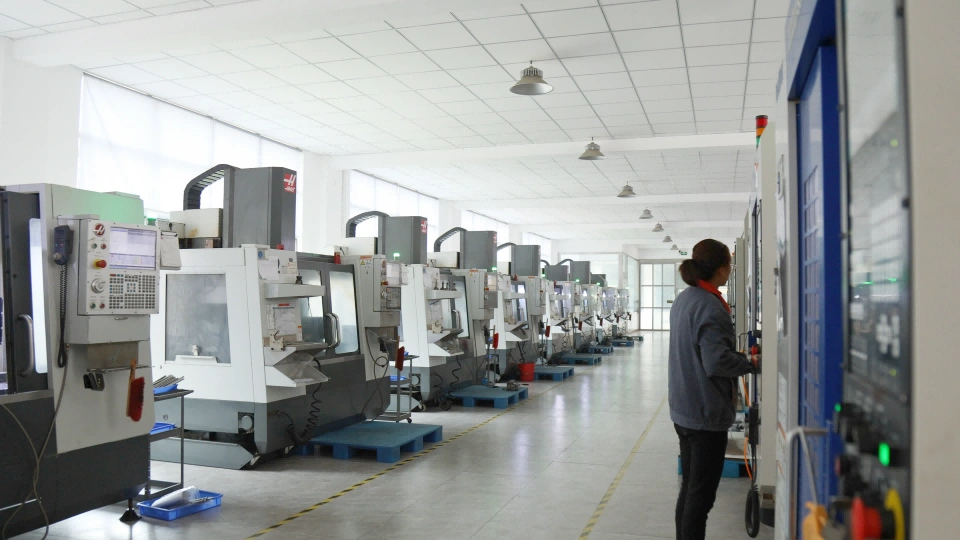
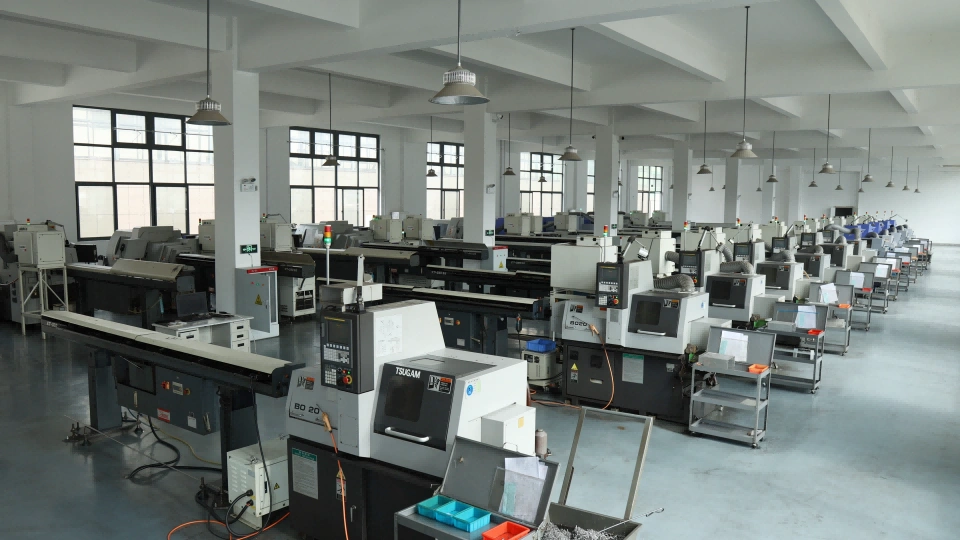
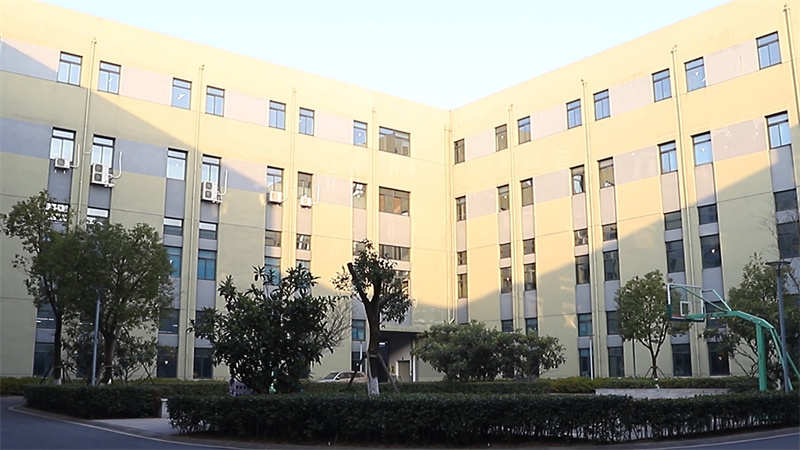
Guangdong Marin-one Medical Devices Co., Ltd. is specialized in manufacturing Orthopedic Implant and instruments, a diversified model of Research and development, production, sales, export. The company has perfect quality management system and advanced production capacity. After more than 18 years research and development, we have about 11 main product series and they are Spinal system, Intramedullary Nail system, Trauma plate and screw system, Locking Plate and screw system, CMF Maxillofacial system, External Fixation, Joint system, Medical Power Tool system, general surgical instruments system, Sterilization Box & basket, veterinary orthopedic etc. In the principle of "quality first, service first, R&D first, innovation first", the company wins an excellent reputation both in domestic and abroad. Customer satisfaction is the purpose of our service.
Since the establishment of the company, all employees have consistently adhered to the business philosophy of "sincere service, continuous improvement", adhered to the service tenet of customer centeredness, pursuit of nobility, attention to details, and reputation first. With professional after-sales service and pioneering spirit, we have established a good reputation.
Resolving critical quality, delivery, and compliance parameters for high-volume hospital group purchases.
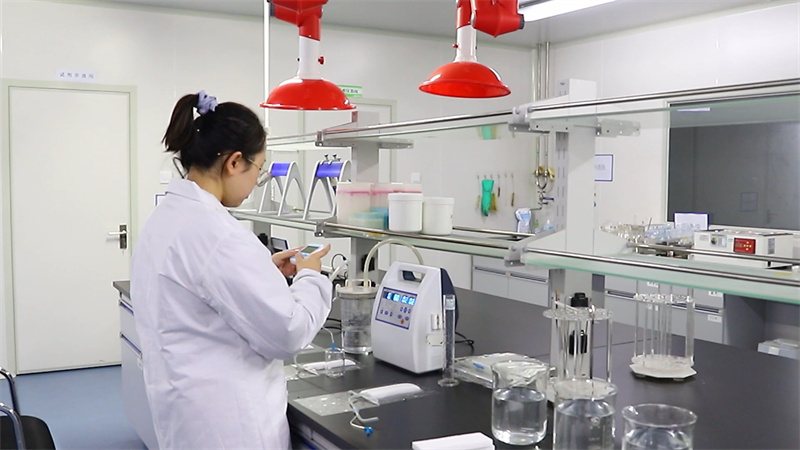
Deploying medical implants globally demands flawless documentation. Factories must provide MDR CE certifications, FDA clearances, ISO 13485 audits, and comprehensive biocompatibility test reports (ISO 10993) to bypass rigid custom protocols.
Surgical failures often trace back to sub-par raw materials. We source implant-grade Titanium Alloy (Ti6Al4V ELI) and implantable PEEK to ensure high fatigue limit, corrosion resistance, and optimized modulus of elasticity to prevent stress shielding.
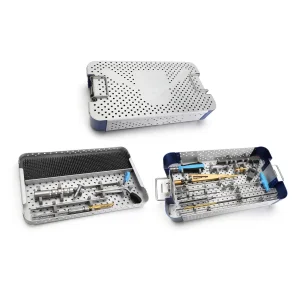
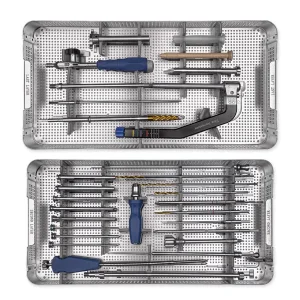
Efficient operations require standardized autoclave container baskets and complete instrument sets. Our systems guarantee absolute safety throughout transportation, surgical site preparation, and repeated clinical processing cycles.
Tracking the research pathway for smart implants, bioresorbable devices, and digital surgical environments.
Applying acid-etched and sandblasted microroughness textures to titanium screws. This step significantly speeds up osteoblast differentiation and micro-mechanical interlocking with cortical bone.
Testing high-purity magnesium alloys for temporary osteotomy fixations. Implants will safely dissolve in vivo once the bone healing phase completes, eliminating secondary hardware removal procedures.
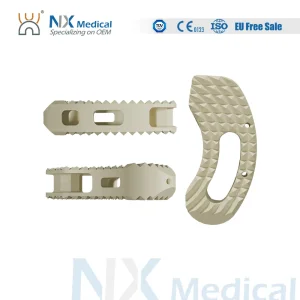
Integrating passive micro-sensors within spinal fusion and structural osteotomy cages to track load-bearing changes and bone fusion progress via telemetry.
Resolving critical questions frequently raised by orthopaedic surgeons, hospital purchasers, and medical distributors.
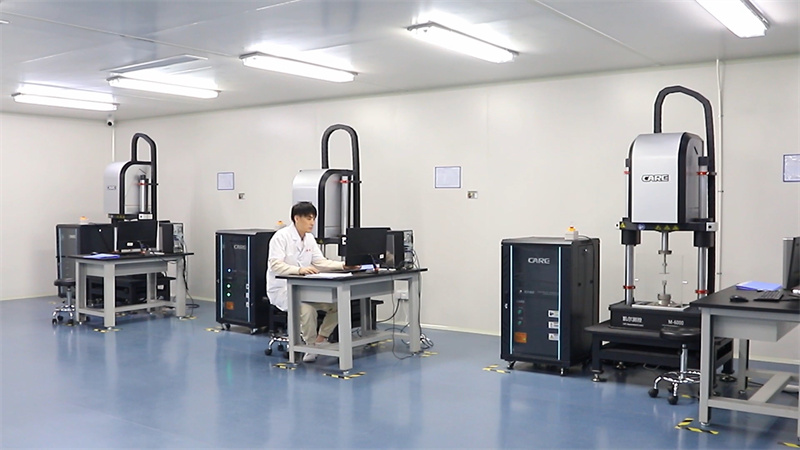
We subject osteotomy locking plates to dynamic fatigue testing according to ASTM F382 standards. This process tests the hardware to 5 million cycles of simulated physiological loading. High-strength Ti6Al4V ELI (Grade 23) alloy is chosen to prevent fatigue crack propagation under active load-bearing profiles.
PEEK (Polyetheretherketone) closely mimics the elastic modulus of human cortical bone, which minimizes stress shielding and local bone resorption. PEEK is also radiolucent, allowing surgeons to inspect bone growth clearly on post-op X-rays. Titanium, on the other hand, provides higher raw structural support and osseointegration properties, making porous-coated titanium-PEEK hybrids a growing trend.
Factories must provide notarized Free Sales Certificates (FSC), Certificate of Origin (CO), technical files validated under EU MDR 2017/745, and cleanroom bioburden analysis reports. This ensures smooth clearance protocols across European, Latin American, and Asian custom hubs.
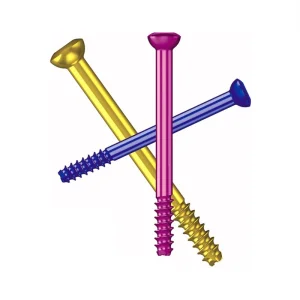
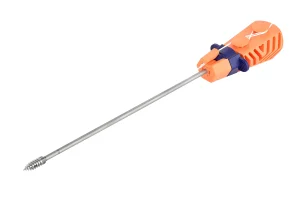
Self-drilling and self-tapping designs allow surgeons to insert screws over guide wires without pre-drilling. This saves vital time in the operating room, maintains compression, and reduces mechanical damage to delicate bone structures.
Premium instrumentation sets, maxillofacial meshes, and fixators engineered to ensure optimal clinical outcomes.
 Marin-one Medical