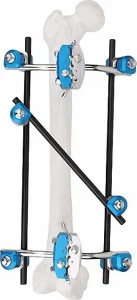
High-rigidity configuration systems engineered to handle high-energy musculoskeletal fractures and compound trauma injuries.
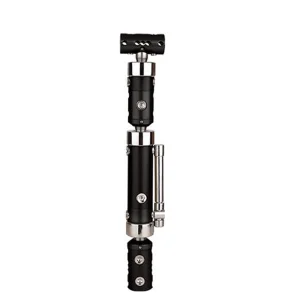
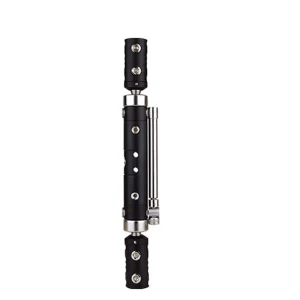
Trinidad and Tobago, as one of the most industrialized nations in the Caribbean, experiences a distinct epidemiological profile regarding orthopedic injuries. The heavy concentration of industrial activities in the energy, petrochemical, and manufacturing sectors, particularly in regions like Point Lisas and Point Fortin, coupled with dense road transport networks, presents a continuous demand for advanced orthopedic trauma systems. High-velocity motor vehicle accidents (MVAs) and heavy machinery injuries often result in complex, open, and unstable fractures.
For Regional Health Authorities (RHAs) managing the public healthcare supply chain—including the North West RHA (Port of Spain General Hospital), South West RHA (San Fernando General Hospital), and Eastern RHA—the availability of reliable linear external fixators is paramount. These devices serve as the first line of defense in damage control orthopedics (DCO), providing rapid stabilization of unstable bone segments, mitigating soft-tissue compromise, and reducing the incidence of systemic complications in polytrauma patients.
Additionally, the rising prevalence of metabolic conditions such as diabetes-related peripheral neuropathy in the Caribbean region increases the incidence of complex foot and ankle deformities, Charcot arthropathy, and chronic osteomyelitis. In these scenarios, hybrid, linear, and circular external fixation systems provide the necessary mechanical environment to facilitate bone healing and reconstruction while allowing active wound management.
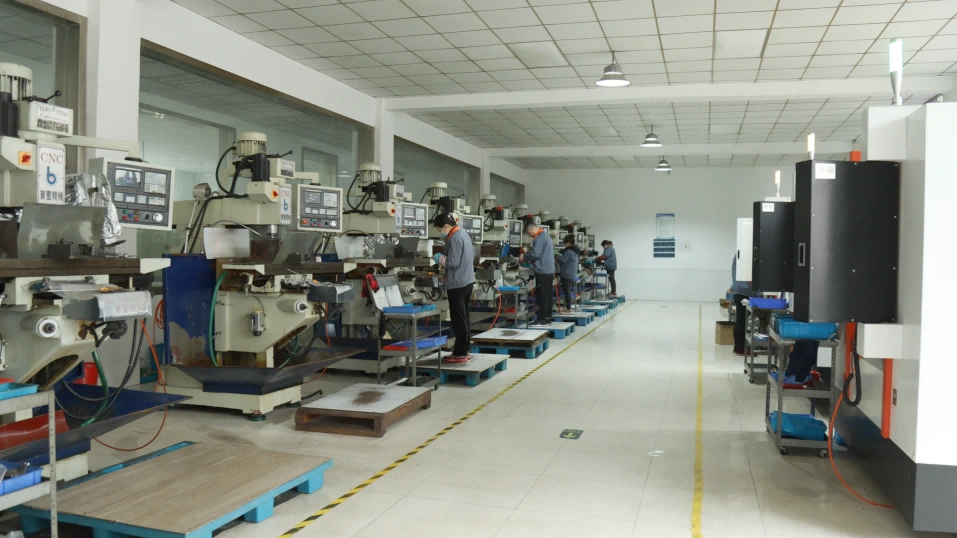
Modern traumatology is shifting from rigid, heavy-weight steel constructs toward lightweight, radiolucent, and highly adjustable materials. The inclusion of medical-grade titanium alloys (Ti-6Al-4V ELI) and carbon fiber composite rods has revolutionized post-operative recovery by offering optimal biomechanical stiffness without obscuring radiographic assessment of callus formation during follow-up clinics.
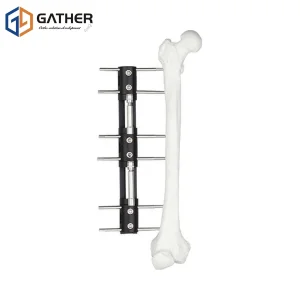
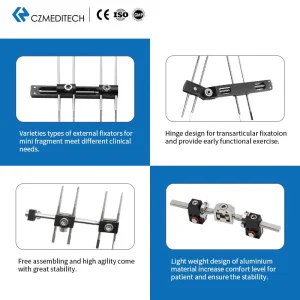
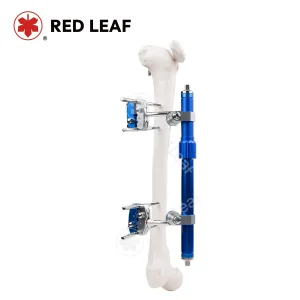
Linear external fixators are preferred for their rapid application, versatility, and ease of assembly. Key biomechanical requirements driving international procurement include:
As healthcare systems in Trinidad and Tobago upgrade their surgical capacities under CARICOM regulatory frameworks, procuring products that adhere to strict international standards like CE certification and ISO 13485 is non-negotiable to ensure safety, biological compatibility, and mechanical fatigue resistance.
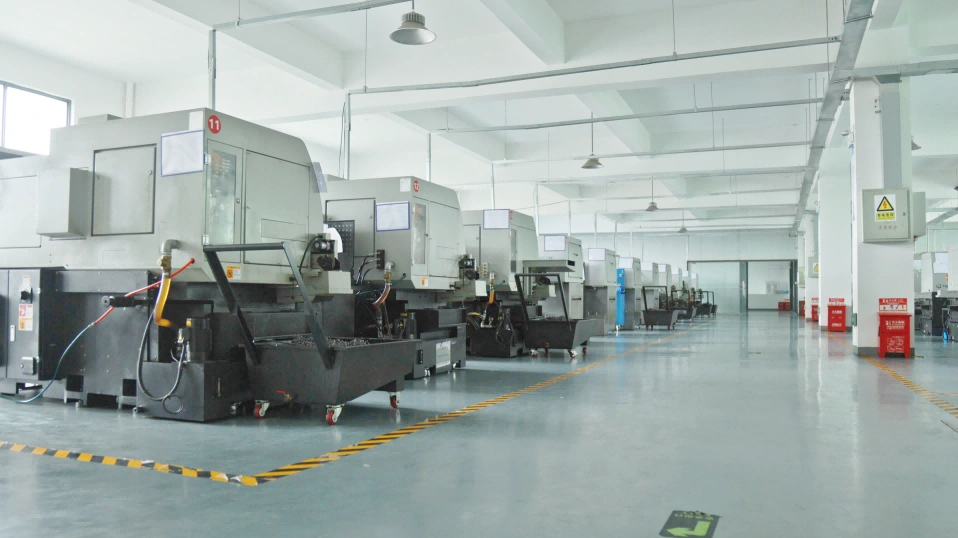
How Marin-one Medical leverages industrial intelligence to deliver certified, cost-effective orthopedic trauma implants directly to Port of Spain.
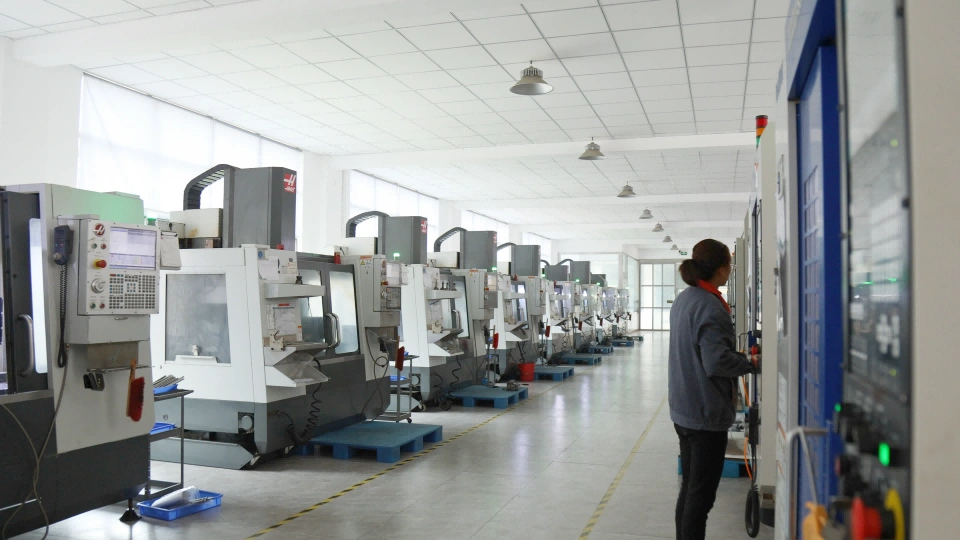
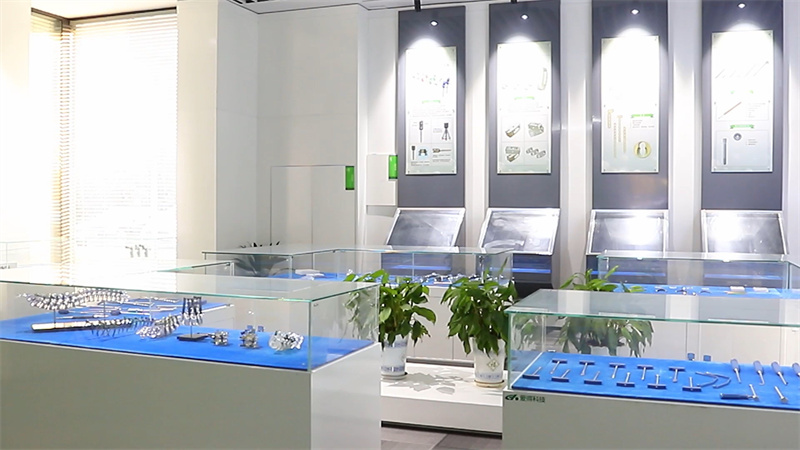
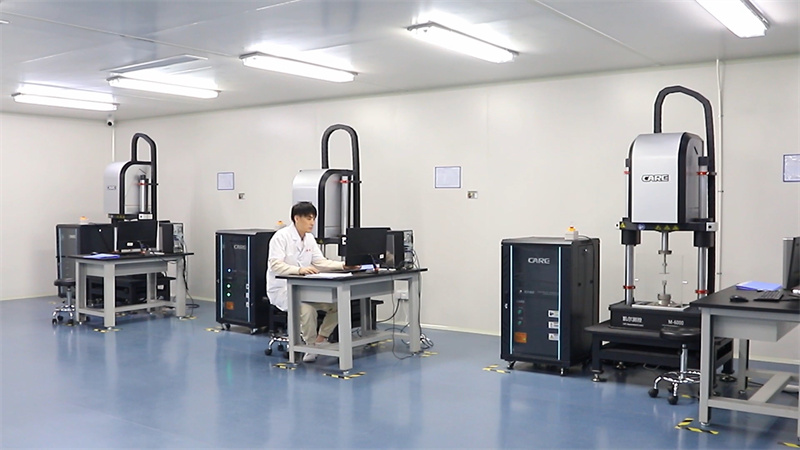
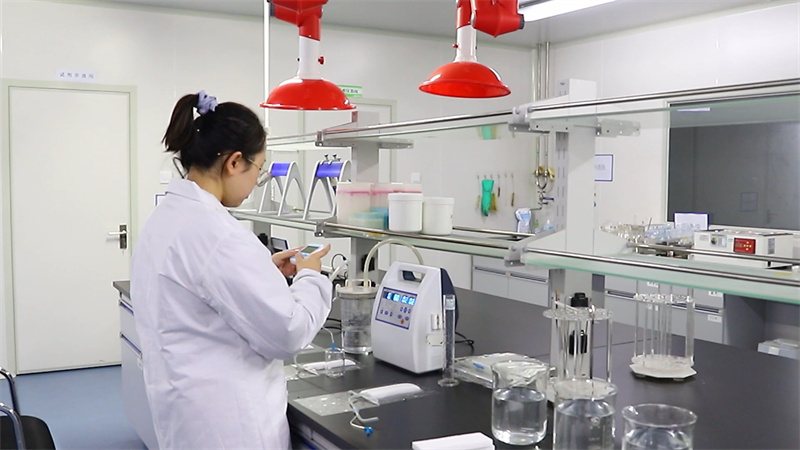
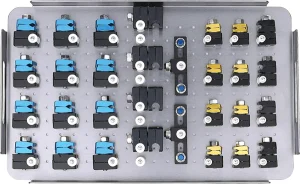
At Guangdong Marin-one Medical Devices Co., Ltd., we combine 18+ years of production experience with modern Factory 4.0 infrastructure. Our facility employs precision CNC multi-axis milling machines, automated wire-cutting, and computerized testing instruments to maintain micron-level tolerances. Every batch of titanium rods and stainless steel components is backed by certified raw material heat numbers, ensuring full traceability from the raw metal stock to the sterilizable surgical kit.
Geographical isolation in the Caribbean often complicates healthcare procurement, leading to stockouts of critical sizes. Our streamlined manufacturing planning allows us to dispatch orders on accelerated lead times. By partnering with leading ocean and air freight carriers, we ensure duty-compliant delivery pathways into Trinidad & Tobago, avoiding bottlenecks at Piarco Airport or Port of Spain customs.
Practical configurations for the specific trauma demographics of the Trinidad and Tobago market.
| Trauma Type | Clinical Challenge in T&T | Recommended Configuration | Key Performance Indicators |
|---|---|---|---|
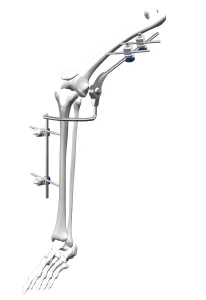
| Industrial High-Energy Tibial Fractures | Soft tissue contamination, crush injuries in oilfields. | Unilateral Linear Fixator with elevation components. | Maintains alignment, allows easy wound debridement access. |
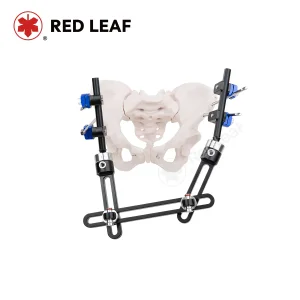
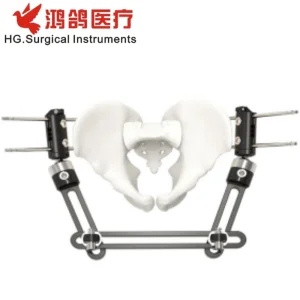
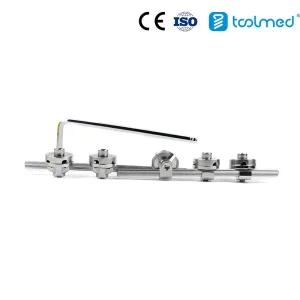
| Pedestrian-Vehicle Accidents (Pelvic Ring Disruptions) | Hemodynamic instability, pelvic volume expansion. | Combination Three External Pelvic Fixator. | Rapid volume control, stable reduction in ICU setting. |
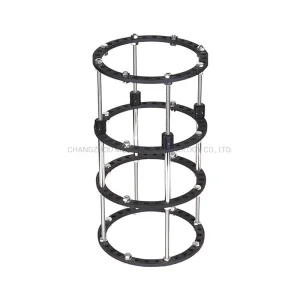
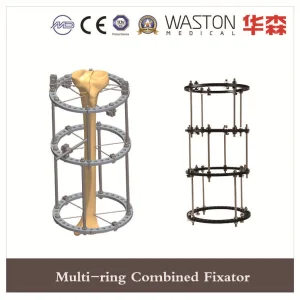
| Complex Diabetic Ankle Deformities | High risk of hardware failure, poor bone stock quality. | Ilizarov Ring Fixator with hybrid linear extensions. | Multi-planar stability, weight-bearing distribution. |
| Distal Radius Fractures with Comminution | Restoring joint congruence, maintaining length. | Wrist Joint External Fixator (Distal Radius specific). | Preserves articular spacing, minimizes joint stiffness. |
Guangdong Marin-one Medical Devices Co., Ltd.
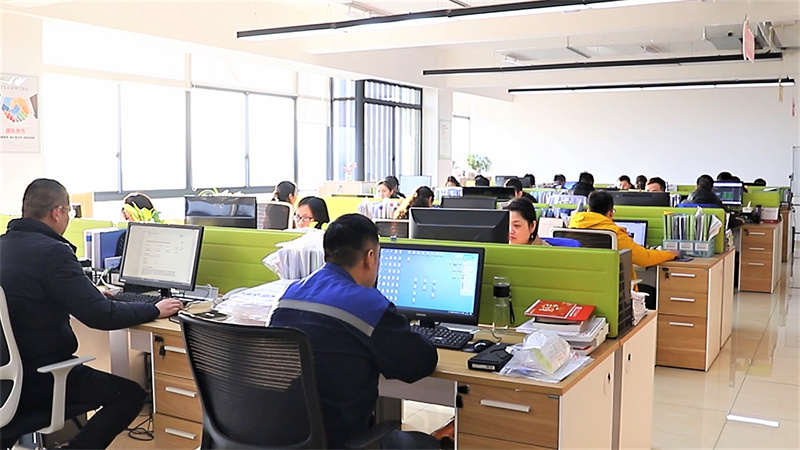
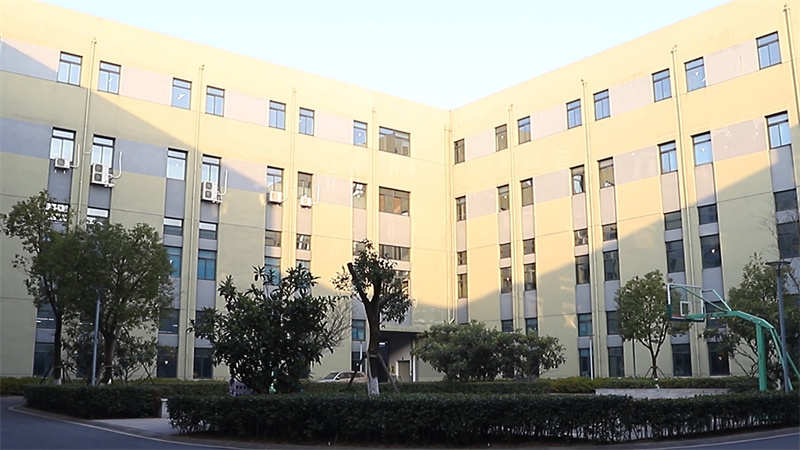
Guangdong Marin-one Medical Devices Co., Ltd. is specialized in manufacturing Orthopedic Implant and instruments, a diversified model of Research and development, production, sales, export. The company has perfect quality management system and advanced production capacity. After more than 18 years research and development, we have about 11 main product series and they are Spinal system, Intramedullary Nail system, Trauma plate and screw system, Locking Plate and screw system, CMF Maxillofacial system, External Fixation, Joint system, Medical Power Tool system, general surgical instruments system, Sterilization Box & basket, veterinary orthopedic etc. In the principle of "quality first, service first, R&D first, innovation first", the company wins an excellent reputation both in domestic and abroad. Customer satisfaction is the purpose of our service.
Since the establishment of the company, all employees have consistently adhered to the business philosophy of "sincere service, continuous improvement", adhered to the service tenet of customer centeredness, pursuit of nobility, attention to details, and reputation first. With professional after-sales service and pioneering spirit, we have established a good reputation.
Premium medical devices engineered for distal radius, humeral, femoral, tibial, pelvic, and pediatric orthopedic surgeries.
Expert answers regarding importing regulatory structures, biomechanical safety, and manufacturing specifications for external fixation devices.
 Marin-one Medical