Advanced trauma solutions for metacarpal and phalangeal fractures, optimized for the Japanese surgical market.
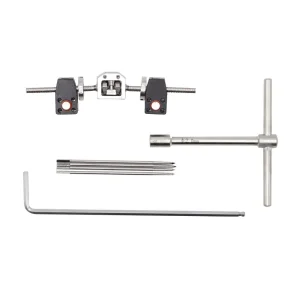 Quality Guaranteed CE/ISO Mini Fragment External Fixator
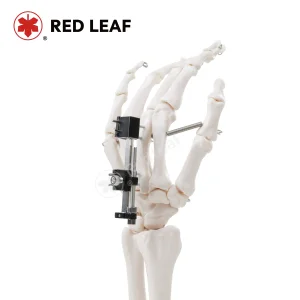 Universal Compression Extension External Fixator Mini Finger Fracture Orthopedic Fixation
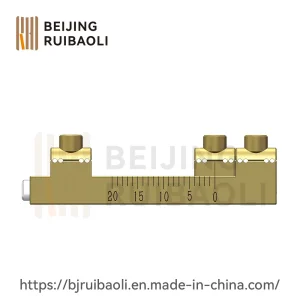 Orthopedic External Fixator --Unilateral External Fixator- Mini Finger Rail 20mm
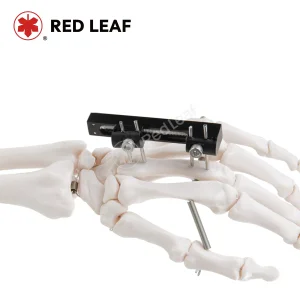 Mini Finger Palm Straight Track External Fixator for Orthopedic Surgical Fracture Fixation
Analyzing the landscape of Mini External Fixators in the context of Japan's advanced medical infrastructure.
Japan stands as one of the most sophisticated markets for orthopedic medical devices globally. With an aging population that is among the oldest in the world, the demand for "Small Bone" surgical interventions, particularly for the hands and feet, has seen a steady rise. Mini External Fixators (Hand/Foot) are crucial in managing geriatric fractures where bone quality might be compromised, and internal fixation (plates and screws) may not always be the optimal primary choice due to skin fragility or infection risks.
In industrial hubs like Tokyo, Osaka, and Nagoya, medical technology is pivoting towards "Society 5.0" — an initiative that integrates AI, robotics, and high-precision manufacturing into daily life, including healthcare. Manufacturers and exporters catering to Japan must adhere to the rigorous standards set by the PMDA (Pharmaceuticals and Medical Devices Agency), ensuring that every mini fixator provides not just stability, but also the biocompatibility required for long-term recovery.
The development of Mini External Fixators in Japan is moving toward Ultra-Lightweight and Radiolucent materials. In the bustling precision engineering districts like Ota City (Tokyo), SMEs are collaborating with orthopedic surgeons to develop fixators made from high-grade carbon fiber and PEEK materials. These allow for better X-ray and CT imaging during the healing process, a feature highly valued in Japanese clinics known for their meticulous post-operative monitoring.
Furthermore, the integration of 3D printing (Additive Manufacturing) is allowing for "Patient-Specific Fixation." While standard mini fixators remain the workhorse of trauma units, the trend is moving toward modular components that can be customized to the unique anatomy of a patient's hand or foot, ensuring minimal interference with joint movement—a concept the Japanese refer to as "Kino-Bi" (the beauty of functional utility).
In Japan, the application of mini external fixators is highly specialized:
A global leader in orthopedic implants and surgical instruments, serving the Japanese and International markets.
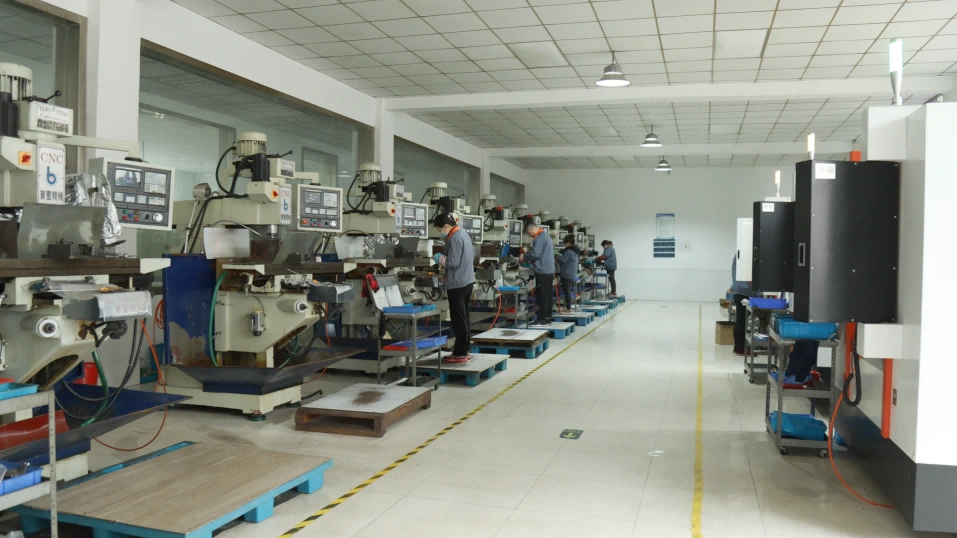
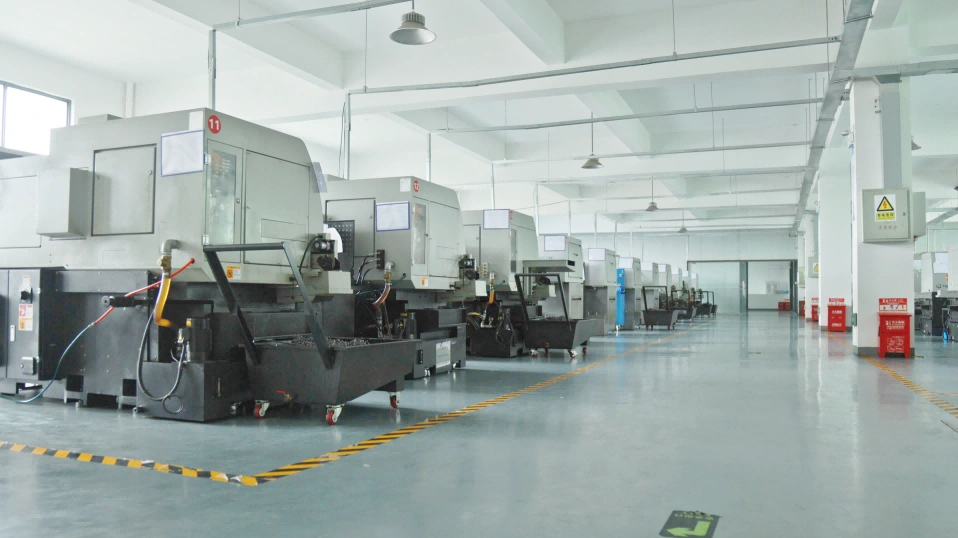
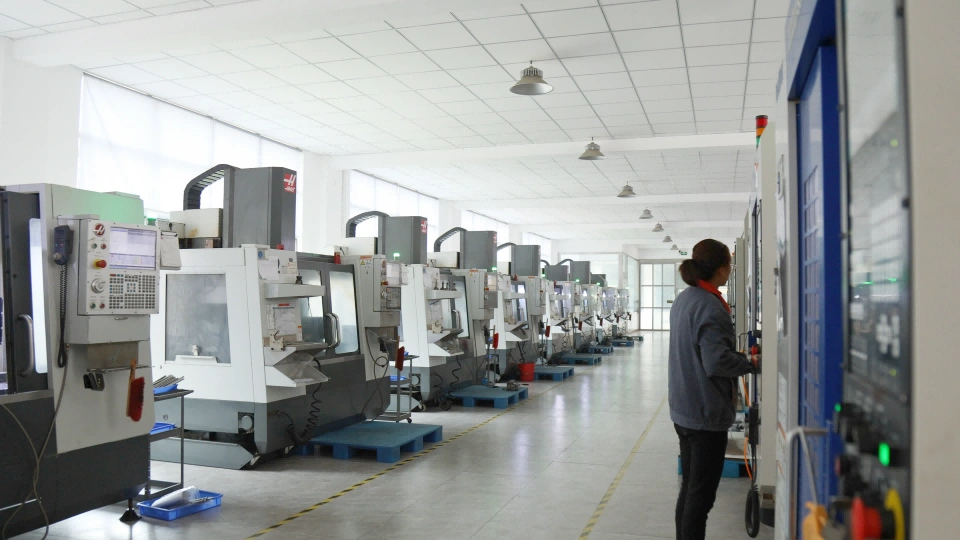
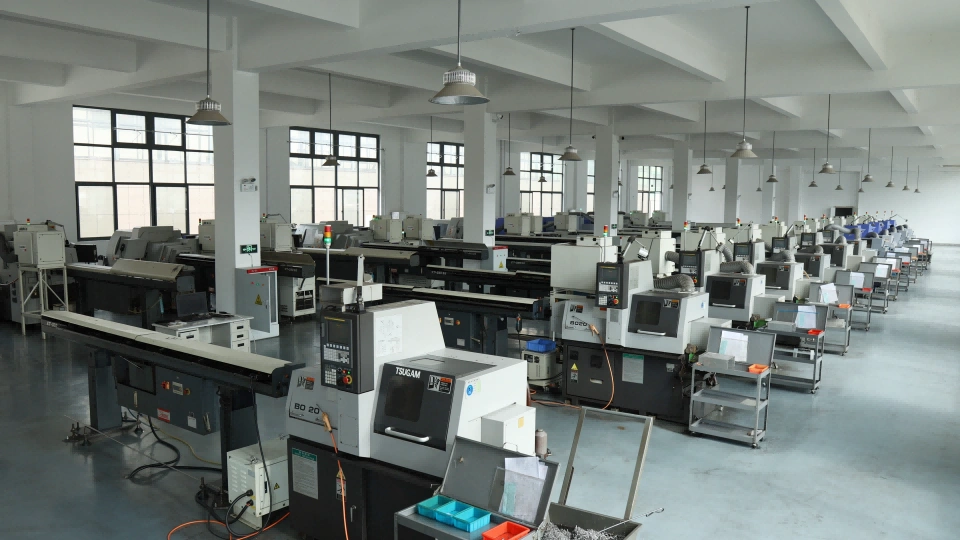
Guangdong Marin-one Medical Devices Co., Ltd. is specialized in manufacturing Orthopedic Implant and instruments, a diversified model of Research and development, production, sales, export. The company has a perfect quality management system and advanced production capacity. After more than 18 years of research and development, we have about 11 main product series, including Spinal systems, Intramedullary Nail systems, Trauma plate and screw systems, Locking Plate and screw systems, CMF Maxillofacial systems, External Fixation, Joint systems, Medical Power Tool systems, general surgical instruments systems, Sterilization Box & basket, veterinary orthopedics, etc.
In the principle of "quality first, service first, R&D first, innovation first," the company wins an excellent reputation both in domestic markets and abroad, including key partnerships in the Japan-East Asia medical corridor. Customer satisfaction is the purpose of our service. Since the establishment of the company, all employees have consistently adhered to the business philosophy of "sincere service, continuous improvement," adhered to the service tenet of customer-centeredness, pursuit of nobility, attention to details, and reputation first.
The evolution from mechanical stability to biological healing enhancement.
As we look toward 2030, the Mini External Fixator (Hand/Foot) industry is being redefined by "Smart Orthopedics." Japanese researchers at Tohoku University and other medical hubs are investigating the use of embedded sensors within the fixator frame. These sensors can measure the amount of load a healing finger or toe is carrying, transmitting data via Bluetooth to a surgeon’s smartphone. This allows for dynamic adjustments in rehabilitation protocols without requiring frequent hospital visits—a major advantage for Japan's remote "silver" communities.
Moreover, the concept of "Bio-fixation" is gaining traction. This involves coating the pins used in mini fixators with antimicrobial agents or bone-growth-inducing proteins. Japanese hospitals have zero-tolerance policies for post-operative infections, making these innovations highly desirable. For a manufacturer and exporter, the ability to provide high-quality stainless steel and titanium fixators that can be easily cleaned and sterilized in advanced Japanese autoclave systems is a fundamental requirement.
The manufacturing process itself is also evolving. Using Swiss-style CNC lathes and Japanese EDM (Electrical Discharge Machining) technology, manufacturers are now able to create "Combined Type" fixators that offer 3D degrees of freedom in a frame no larger than a ballpoint pen. These are used extensively in Japan for complex phalangeal reconstruction after industrial accidents or severe deformities.
In summary, Japan remains a benchmark for quality. To succeed as a manufacturer and exporter in this region, one must combine the high-volume efficiency of modern production with the "Takumi" (craftsmanship) mindset that ensures every screw and rail operates with 100% reliability. This is the standard Marin-one Medical strives to meet every day.
Our complete range of mini orthopedic solutions for trauma and elective surgery.
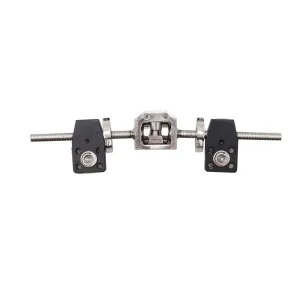 Excellent Quality Orthopedic Surgical Instruments Mini Fragment External Fixator for Fracture Surgery
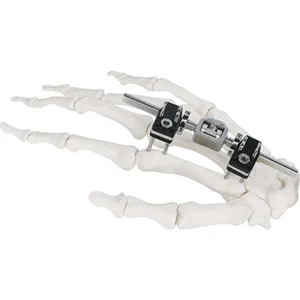 Orthopedic Surgical Instruments Mini External Fixator Joint Motion Type
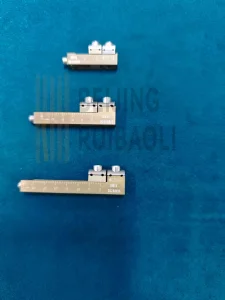 Unilateral External Fixator- Mini Rail -20mm
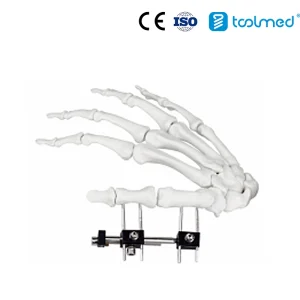 Toolmed Mini Fixator Combined Type Orthopedic External Fixator Orthopedic Device Mini Finger and Palm Fixator
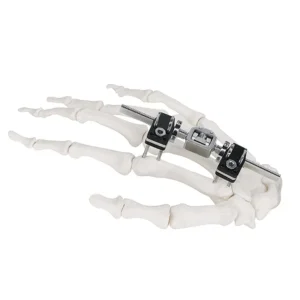 Finger Mini-Fixator Palm External Fixator Hand Bone Pin Stent External Fixator
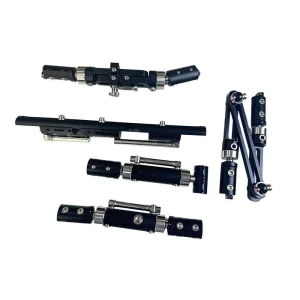 Orthopedic Surgical Mini Combined Type Fragment External Fixator for Fracture Surgery
 Hoffman Combination Mini Finger&Palm External Fixator
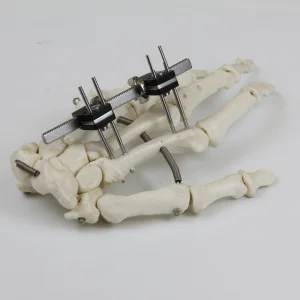 Universal Mini Palm External Fixator for Finger Fracture Orthopedic Surgical
 Marin-one Medical