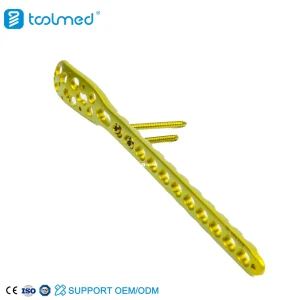
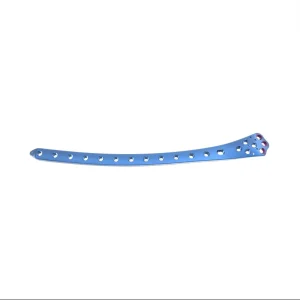
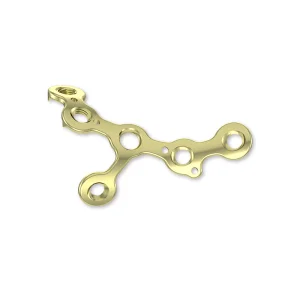
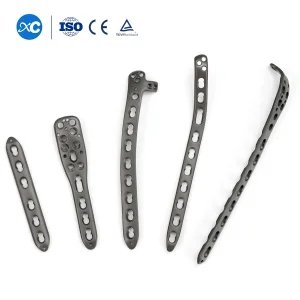
The global orthopedic locking plates and screws market is experiencing unprecedented growth, driven by a rising geriatric population and the increasing frequency of sports-related injuries and road accidents. As a leading manufacturer and supplier, we observe that the transition from traditional compression plates to Locking Compression Plates (LCP) has revolutionized fracture management. The locking mechanism provides superior stability, especially in osteoporotic bone, by acting as an internal fixator rather than relying on plate-to-bone friction.
In developed regions such as North America and Europe, the demand is shifting toward specialized, anatomically pre-contoured plates that reduce surgical time and improve patient outcomes. Meanwhile, emerging markets in Asia-Pacific and Latin America are seeing a surge in procurement needs for high-quality, cost-effective titanium and stainless steel implants to modernize their healthcare infrastructure.
Years R&D Experience
Main Product Series
CE/ISO Certified
Countries Exported
1. Personalized Medicine: The rise of 3D printing and AI-driven modeling is allowing manufacturers like us to develop patient-specific locking plates that perfectly match individual bone morphology.
2. Variable Angle Technology: Our Variable Angle LCP systems offer surgeons the flexibility to direct screws into specific anatomical regions, catering to complex comminuted fractures where standard locking directions are insufficient.
3. Bio-absorbable Materials: While titanium remains the gold standard, research into magnesium-based biodegradable locking screws is gaining momentum, potentially eliminating the need for second-stage removal surgeries.
International buyers, including hospital groups, government health departments, and medical device distributors, have stringent criteria when selecting a Locking Plates & Screws Supplier. Key requirements include:
As a leading Chinese manufacturer, Guangdong Marin-one Medical Devices Co., Ltd. offers a unique combination of technological prowess and cost-efficiency. Our advantage lies in our comprehensive supply chain integration and our 18-year legacy in the orthopedic field.
We utilize multi-axis CNC machining centers and high-precision testing equipment to ensure every locking screw and plate meets micron-level tolerances. Our AI-assisted quality control systems detect imperfections that are invisible to the human eye.
Our massive production capacity allows us to fulfill large-scale government tenders and wholesale orders with significantly shorter lead times than Western competitors, without compromising on quality.
Guangdong Marin-one Medical Devices Co., Ltd. is specialized in manufacturing Orthopedic Implant and instruments, a diversified model of Research and development, production, sales, export. The company has perfect quality management system and advanced production capacity. After more than 18 years research and development, we have about 11main product series and they are Spinal system, Intramedullary Nail system, Trauma plate and screw system, Locking Plate and screw system, CMF Maxillofacial system, External Fixation, Joint system, Medical Power Tool system, general surgical instruments system, Sterilization Box&basket, veterinary orthopedic etc. In the principle of"quality first, service first, R&D first, innovation first", the company wins an excellent reputation both in domestic and abroad.Customer satisfaction is the purpose of our service.
Since the establishment of the company, all employees have consistently adhered to the business philosophy of "sincere service, continuous improvement", adhered to the service tenet of customer centeredness, pursuit of nobility, attention to details, and reputation first. With professional after-sales service and pioneering spirit, we have established a good reputation.
High-energy fractures from car accidents require immediate stabilization. Our large fragment locking plates provide the rigid fixation needed for early mobilization.
Treating fractures in osteoporotic bone is challenging. Our locking technology prevents screw toggle and "pull-out," which is common in older patients.
The pet healthcare boom has increased demand for small fragment locking systems. Our 1.5mm/2.0mm/2.4mm systems are perfectly suited for canine and feline limb repairs.
In regions where medical resources are scarce, our easy-to-use instrumentation and robust plate designs help surgeons achieve consistent results with less specialized training.
We leverage AI-driven design to optimize the geometry of our locking plates, ensuring the best fit for diverse patient ethnicities. Every Locking Plate and Screw undergoes rigorous fatigue testing to ensure it can withstand the repetitive stresses of human movement.
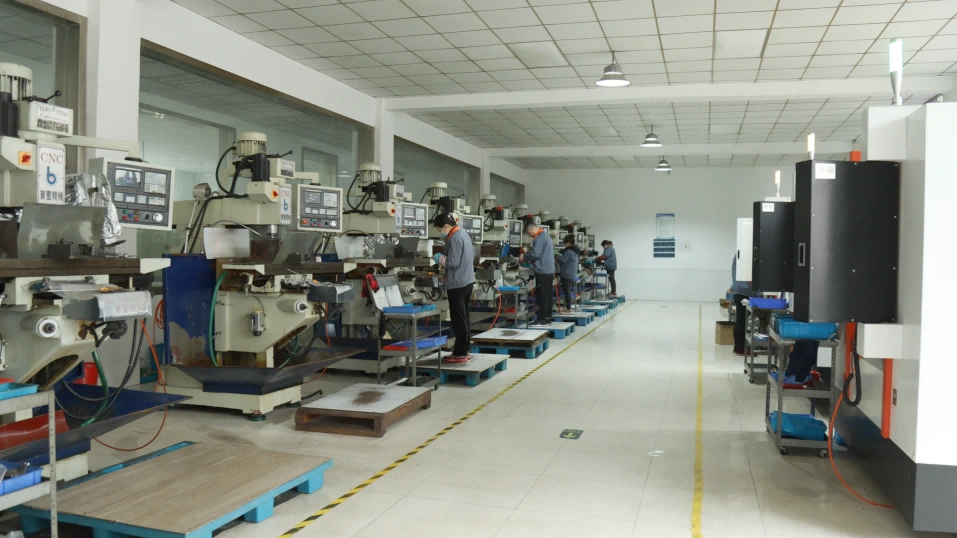
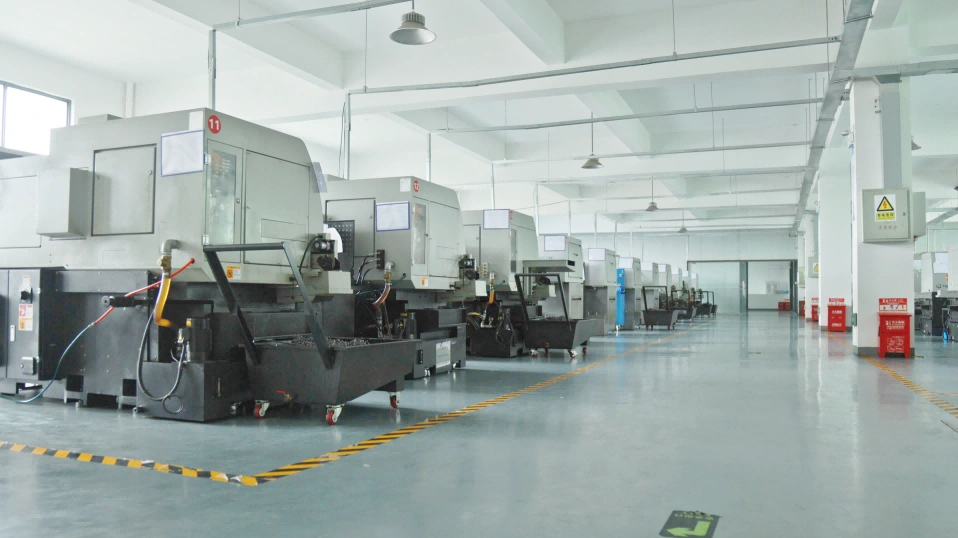
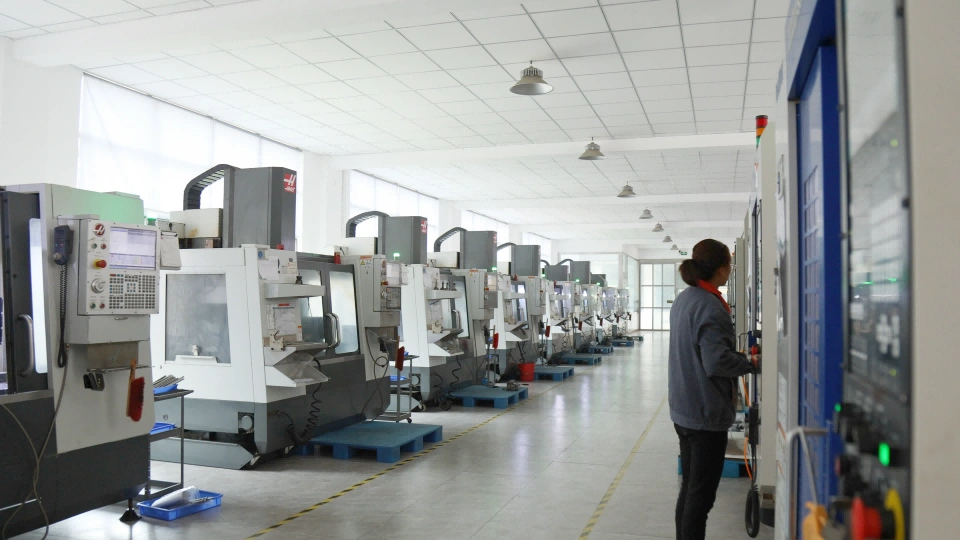
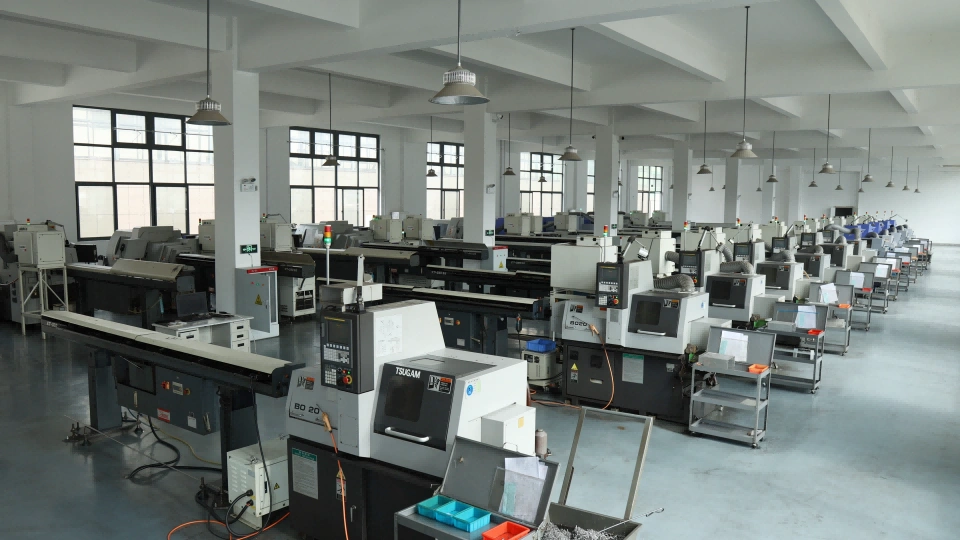
The journey of a locking plate from a raw titanium bar to a life-saving implant is a testament to modern engineering. At Marin-one, our manufacturing process involves multiple critical stages designed to exceed international standards.
Standard plates rely on friction between the plate and the bone, which requires the plate to be pressed firmly against the bone. This can disrupt the periosteal blood supply, potentially slowing down healing. In contrast, locking plates and screws create a fixed-angle construct. The screw head threads into the plate itself, meaning the plate does not need to compress the bone to maintain stability. This "internal fixator" effect is crucial for preserving the blood supply and promoting secondary bone healing through callus formation.
We provide both materials to meet different clinical needs. Titanium Alloy (Ti-6Al-4V) is preferred for its lower modulus of elasticity, which is closer to human bone, reducing the risk of stress shielding. It also offers superior biocompatibility and is MRI-compatible. Stainless Steel (316L), on the other hand, provides higher ultimate tensile strength and is often more cost-effective for certain trauma applications.
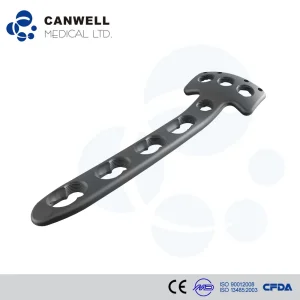
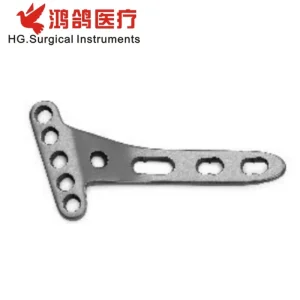
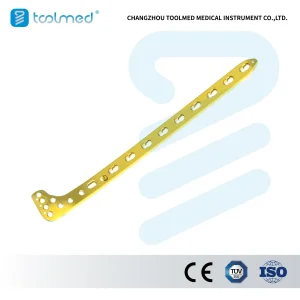
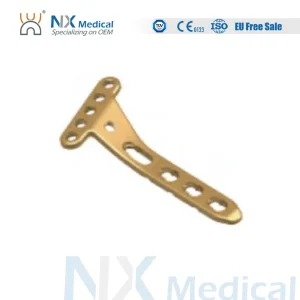
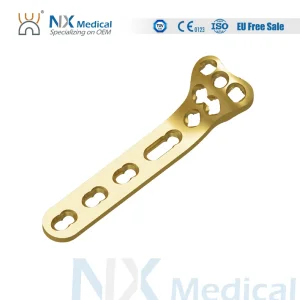
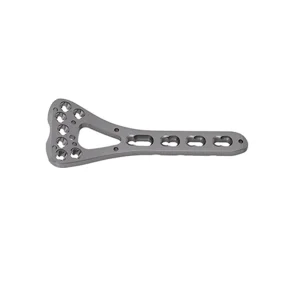
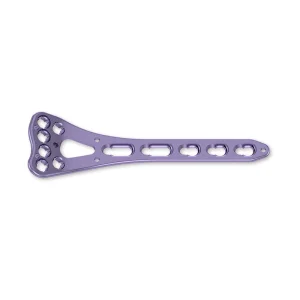
Modern surgery demands efficiency. Our plates are designed based on large databases of bone morphology, meaning they are "pre-contoured" to fit the average bone shape of specific locations, such as the distal radius, proximal humerus, or tibial pilon. This reduces the need for intraoperative bending, which can weaken the plate and prolong surgery time.
Over the last decade, the quality gap between Western and Chinese orthopedic manufacturers has vanished, while the value gap remains. Factories in Guangdong, like Marin-one, have invested heavily in high-end Swiss-type lathes and German milling machines. Combined with our local talent pool of biomedical engineers, we are able to innovate rapidly. Our ability to offer OEM and ODM services for international brands further solidifies our position as a global hub for orthopedic excellence.
 Marin-one Medical