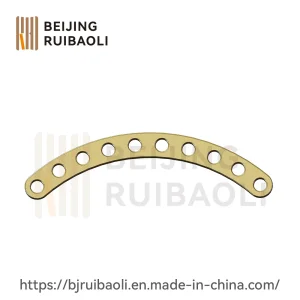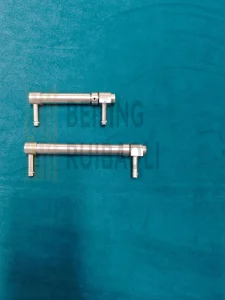
In modern orthopedic reconstructive surgery, managing complex articular and diaphyseal fractures requires a profound understanding of mechanics and biology. Standard fracture plating systems serve as the structural backbone for rigid internal fixation, allowing early mobilization, preserving vascular supply, and facilitating physiological osteosynthesis. As a leading OEM/ODM fracture plating system factory and supplier, we recognize that micro-motions, anatomical contouring, and mechanical load-sharing are critical to patient outcomes. The global shift toward biological internal fixation (the BO principle) demands that plate geometries and screw interfaces minimize contact with periosteal tissue while ensuring exceptional angular stability.
From a macroscopic industry standpoint, trauma orthopedics is witnessing a significant transition toward minimally invasive percutaneous plate osteosynthesis (MIPO). The integration of locking and non-locking options within a single construct (combining dynamic compression and locking technology) allows surgeons to address bone fragments in both osteoporotic bone and high-energy impact fractures. By analyzing spatial loading configurations, thermal distribution during drilling, and the biological preservation of cortical blood flow, our manufacturing protocols guarantee that every implant delivers consistent clinical efficacy under real-world surgical duress.
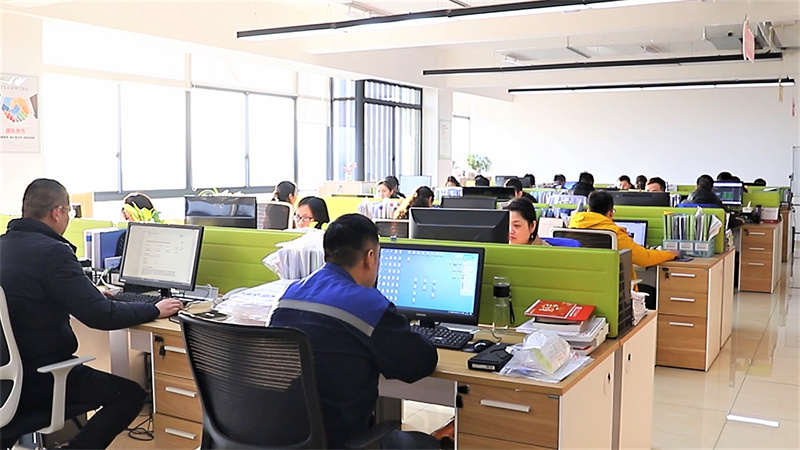
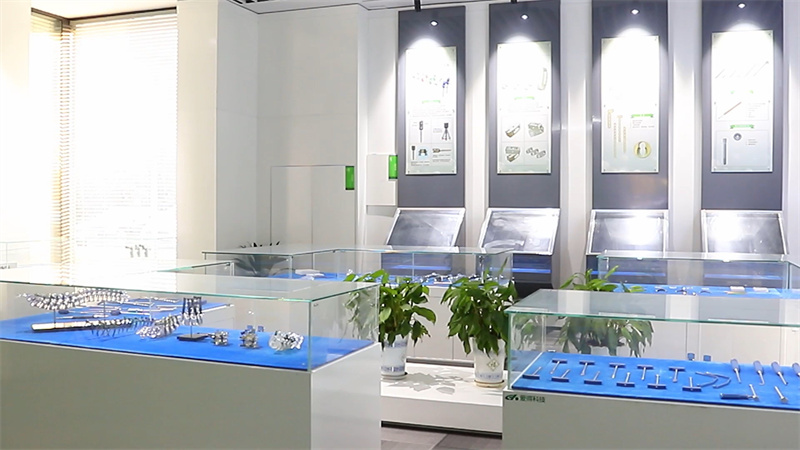
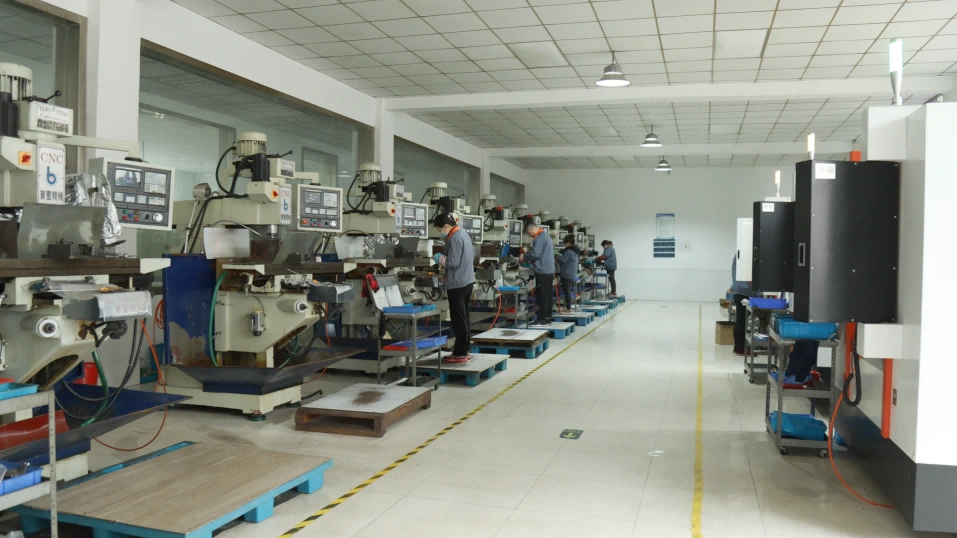
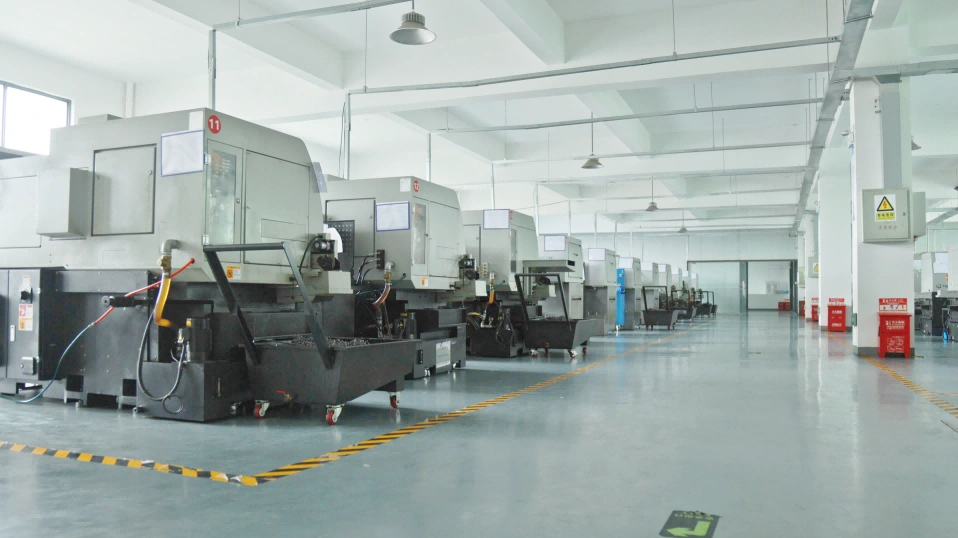
Guangdong Marin-one Medical Devices Co., Ltd. is specialized in manufacturing Orthopedic Implant and instruments, utilizing a diversified business model spanning research and development, production, sales, and global export. Backed by a robust quality management system and advanced production capabilities, the enterprise has established an industry-leading position. After more than 18 years of focused research and development, we have established 11 main product series: Spinal system, Intramedullary Nail system, Trauma plate and screw system, Locking Plate and screw system, CMF Maxillofacial system, External Fixation, Joint system, Medical Power Tool system, general surgical instruments system, Sterilization Box & basket, and veterinary orthopedics.
Guided by our core philosophy of "quality first, service first, R&D first, innovation first", Marin-one has earned an outstanding reputation both domestically and globally. All employees consistently adhere to the business philosophy of "sincere service, continuous improvement", committing to a customer-centered approach that prioritizes precision, attention to detail, and integrity. Our dedicated, professional after-sales service and pioneering engineering spirit allow us to deliver tailored OEM/ODM solutions to medical distributors, research institutes, and clinical facilities worldwide.
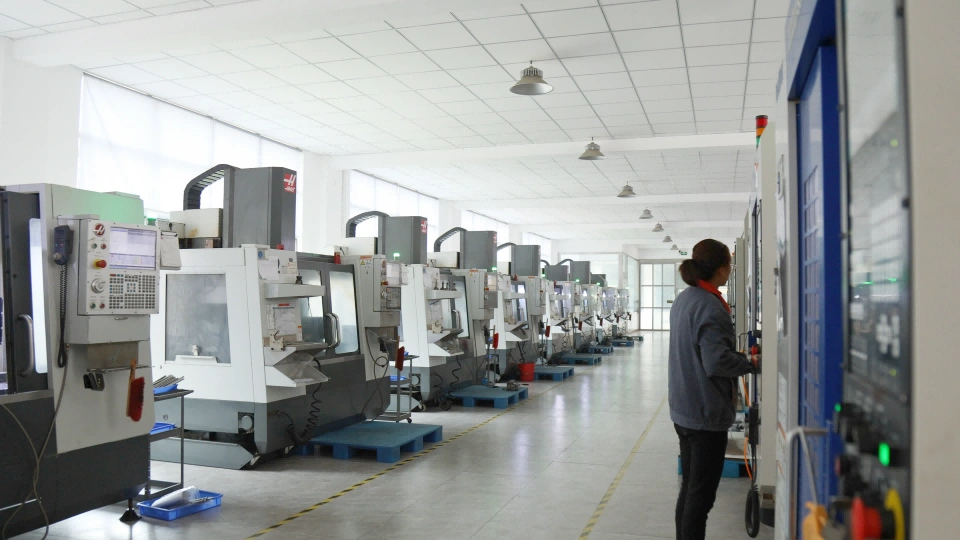
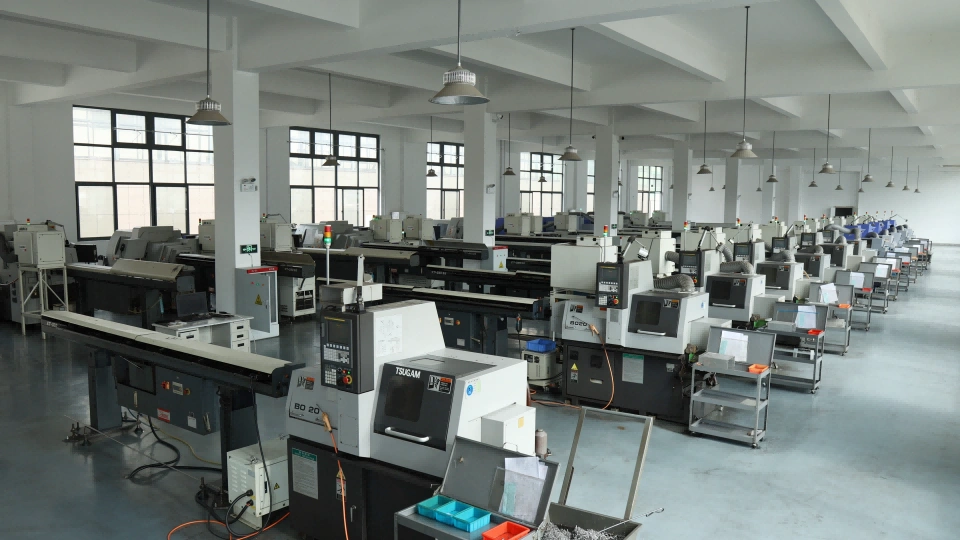
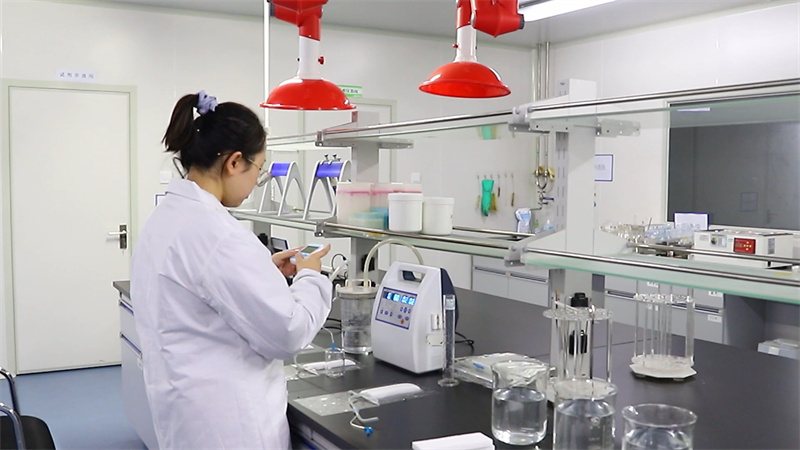
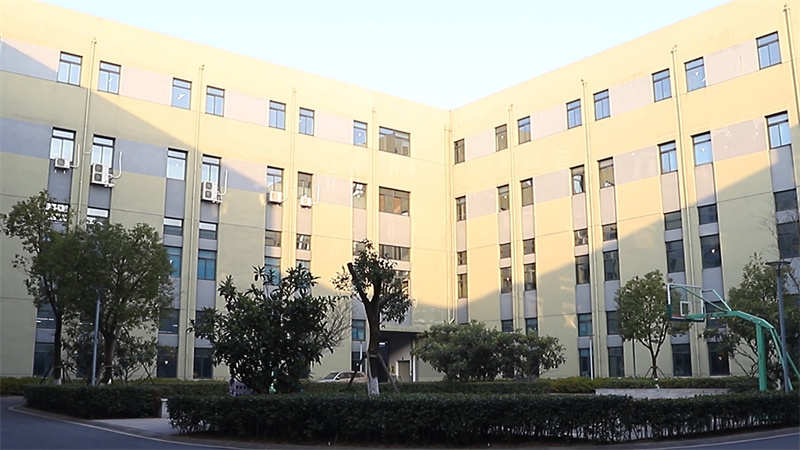
The global demand for high-grade trauma hardware is accelerating, driven by an aging population susceptible to fragility fractures and a rise in active lifestyles and vehicular trauma. However, supply chain disruptions, changing regulatory landscape under the EU MDR, and cost containment measures within national healthcare programs place heavy pressure on medical device companies. To navigate these challenges, OEMs are increasingly outsourcing production to highly specialized partners who can manage both regulatory compliance and lean manufacturing logistics.
By operating as an integrated ODM partner, we alleviate our clients' capital constraints associated with in-house machinery and long regulatory lead times. Our scalable manufacturing capacity handles high-mix, low-volume productions for anatomical plates alongside high-volume commoditized trauma screws. Through optimized raw material sourcing (including partnerships with accredited medical-grade titanium and PEEK suppliers) and real-time inventory management, we maintain stable production cycles, insulating global distributors from sudden supply disruptions.
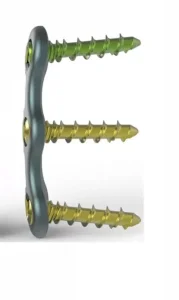
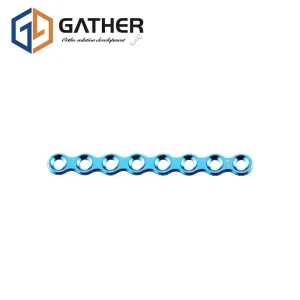
In osteoporotic bone, dynamic compression alone can lead to mechanical failure at the screw-plate interface. Our locking plate configurations use a dual-threaded design, securing the screw head to the plate's dynamic compression slot (combi-holes). This setup acts as an internal fixator, converting shear stresses into compressive forces across the fracture line, reducing screw pull-out rates, and preserving localized blood flow for optimal bone healing.
Marin-one's design philosophy relies on rigorous engineering standards. The selection of materials is primary in preventing stress-shielding, local galvanic corrosion, and mechanical failure. We offer surgical implants manufactured from Ti-6Al-4V ELI (Extra Low Interstitial) conforming to ASTM F136 standards, and high-performance polyetheretherketone (PEEK) for specialized spinal and maxillofacial constructs. Additionally, surface treatment procedures like Type II Anodization and electro-polishing are utilized to enhance fatigue life, decrease nickel-ion release in steel products, and improve biocompatibility.
| Material Option | Relevant Standard | Tensile Strength (MPa) | Modulus of Elasticity (GPa) | Primary Clinical Application |
|---|---|---|---|---|
| Titanium Alloy (Ti-6Al-4V ELI) | ASTM F136 / ISO 5832-3 | ≥ 860 | 110 - 114 | High-load locking plates, intramedullary nails, pedicle screws. |
| Pure Titanium (Grade 2/4) | ASTM F67 / ISO 5832-2 | ≥ 345 - 680 | 105 | CMF maxillofacial plating, low-profile reconstructive systems. |
| Medical Grade Stainless Steel | ASTM F138 / ISO 5832-1 | ≥ 490 - 860 | 190 - 200 | Temporary external fixators, compression plates, tension wires. |
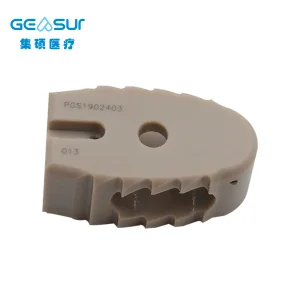
| PEEK Polymer | ASTM F2026 | 90 - 100 | 3.5 - 4.0 | Interbody spinal cages, radiolucent orthopedic fixators. |
Using computed tomography (CT) data, we map and pre-contour plates to match specific patient populations, reducing the need for intraoperative bending and shortening surgical times.
Our proprietary variable-angle locking designs allow screws to be angled up to 15° in any direction, giving surgeons the flexibility to target specific bone fragments.
From color anodizing for simple instrument sizing to specialized titanium plasma spraying, we provide coatings tailored to your target clinical applications.
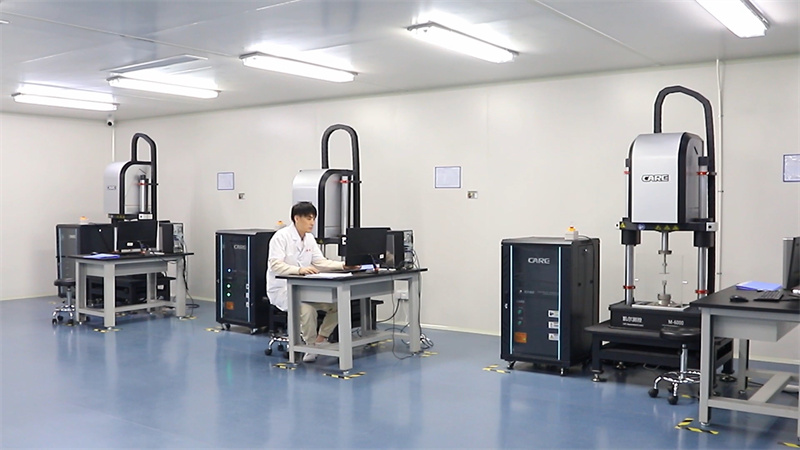
Regulatory compliance is a critical step in bringing medical devices to market. Our production facility operates in strict accordance with the ISO 13485:2016 Quality Management System. We implement thorough validation protocols (IQ/OQ/PQ) for all machinery, ensuring that every batch of locking plates meets high dimensional accuracy and mechanical requirements. Through our coordinate measuring machines (CMM) and dynamic fatigue testing rigs (supporting ASTM F382 protocols), we verify that our implants can withstand cyclic loading cycles without failure.
For global distribution, we support registration requirements in diverse jurisdictions. Whether your market demands compliance with EU Medical Device Regulations (MDR 2017/745), US FDA 510(k) clearances, or localized healthcare registrations, Marin-one provides structured technical documentation, material trace sheets, biocompatibility profiles (ISO 10993), and sterilization validation dossiers. This documentation reduces lead times, accelerating product launches for your brand.
Looking ahead, the orthopedic trauma field is shifting from standard mass-manufactured constructs toward smart, patient-specific implants. Marin-one's R&D department is focused on integrating additive manufacturing (3D printing) directly into our OEM/ODM capabilities. Selective Laser Melting (SLM) enables the creation of highly porous titanium scaffolds that match the elastic modulus of cancellous bone. This approach reduces stress-shielding while encouraging rapid osseointegration at the bone-implant interface.
Additionally, we are investigating biodegradable magnesium alloy plating systems that provide mechanical support during healing and then gradually dissolve, eliminating the need for a secondary implant removal surgery. By combining wireless sensor technology with titanium plating structures, future trauma constructs may also track patient weight-bearing dynamics in real-time, providing clinicians with objective data to monitor the healing process.
 Marin-one Medical